NADH glutathione plays a crucial role in maintaining optimal health. Research shows it helps combat oxidative stress, a factor in many chronic diseases. A study published in the *American Journal of Clinical Nutrition* notes that higher levels of glutathione correlate with improved immune function. This indicates the importance of boosting NADH glutathione for better health outcomes.
NADH glutathione is vital for detoxification processes. It helps eliminate toxins and supports overall cellular health. Despite its benefits, many individuals do not reach adequate levels. A report from the *National Institutes of Health* highlights that aging and poor diets can deplete glutathione levels, affecting health. Addressing this gap is essential for longevity and vitality.
To enhance NADH glutathione levels, dietary and lifestyle changes are necessary. Incorporating foods rich in sulfur, such as garlic and cruciferous vegetables, can help. Additionally, regular exercise has been linked to improved glutathione status. However, it's important to note that simply increasing these foods does not guarantee an immediate effect. Continuous effort and monitoring are essential for long-term results.
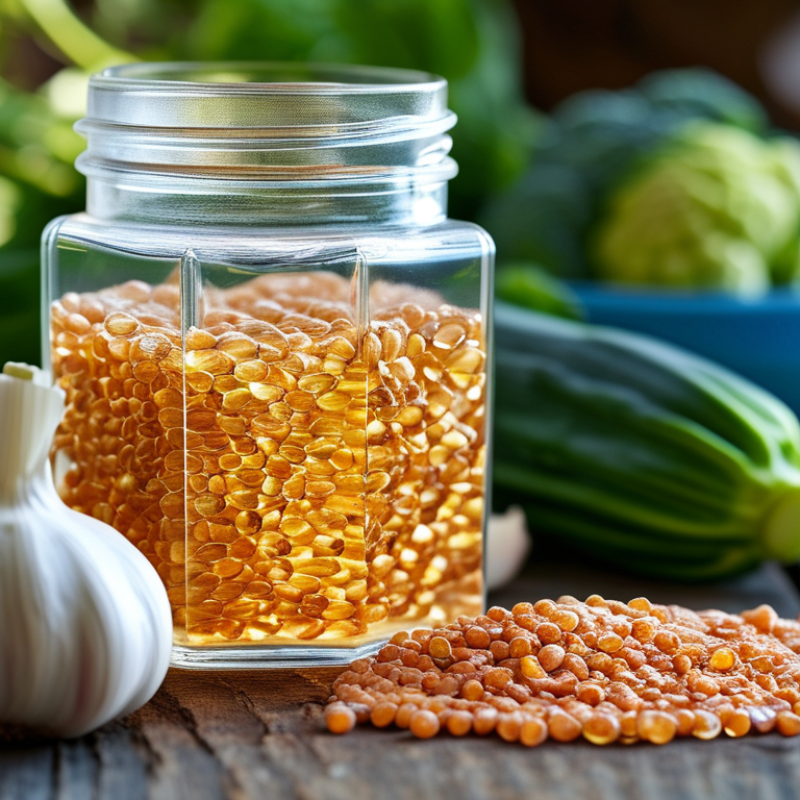
Understanding NADH and Glutathione: Their Role in Cellular Health
NADH and glutathione are vital for cellular health. NADH, a coenzyme, plays a central role in energy production. It helps convert nutrients into ATP, the energy currency of our cells. Without adequate NADH, our cells can struggle to function optimally, leading to fatigue and reduced metabolic efficiency.
Glutathione, a powerful antioxidant, protects cells from oxidative stress. It combats free radicals, which can damage cellular components. High glutathione levels are linked to better immune function and detoxification processes. However, many individuals experience low levels of these crucial compounds. This deficiency can arise from poor diet, stress, or environmental toxins.
To enhance NADH and glutathione levels, consider lifestyle adjustments. Incorporating foods high in antioxidants, like fruits and vegetables, supports glutathione production. Regular exercise can boost NADH levels and improve overall cellular metabolism. However, it’s essential to listen to your body. Overexertion can lead to fatigue and negate the benefits. Balancing rest and activity is crucial. These adjustments may take time and reflection, but they can lead to long-term health improvements.
How to Boost NADH Glutathione Levels for Optimal Health?
| Nutrient |
Role in Cellular Health |
Food Sources |
Recommended Daily Intake |
| NADH |
Essential for ATP production and energy metabolism |
Beef, chicken, fish, and dairy products |
No established RDI, typically 1-2 mg/day |
| Glutathione |
Antioxidant that helps protect cells from damage |
Spinach, avocados, asparagus, and garlic |
No established RDI, typically 250-500 mg/day recommended |
The Importance of NADH in Energy Production and Antioxidant Defense
NADH, or nicotinamide adenine dinucleotide, is crucial for energy production in the body. It plays a vital role in converting nutrients into cellular energy. Every step of cellular respiration relies on this coenzyme. Without adequate NADH, energy levels could drop significantly, leading to fatigue.
This compound also acts as a powerful antioxidant. It helps neutralize free radicals, which cause oxidative stress. Oxidative stress can lead to various health issues, including chronic diseases. Maintaining optimal NADH levels supports your body’s defense systems. This balance is essential for overall health and vitality.
Enhancing NADH levels may require lifestyle adjustments. Diet plays a pivotal role; incorporate foods rich in B vitamins. Additionally, regular exercise can stimulate NADH production. Reflection on lifestyle choices is necessary. Consider your daily habits. Are they supporting your energy and antioxidant defenses? Small changes can lead to significant improvements in health.
Methods to Increase NADH Levels: Diet, Supplements, and Lifestyle Changes
To boost NADH levels, consider your diet first. Incorporate green leafy vegetables, fish, and lean meats. These foods are rich in nutrients that support NADH production. Whole grains and legumes also play an important role. They provide essential vitamins and minerals. Eating a variety of colorful fruits and vegetables adds antioxidants. These nutrients can help improve overall cellular function.
Supplements can offer additional support, yet they're not a magical solution. Always consult a healthcare professional before starting any new supplement regimen. Look for those that specifically increase NADH levels. Regular physical activity is essential too. Exercise enhances mitochondrial function and can naturally elevate NADH. Aim for a mix of cardio and strength training.
Lifestyle changes make a difference as well. Prioritize quality sleep to aid recovery and cellular repair. Stress management techniques, like meditation or yoga, can help maintain balance in your life. It’s worth noting that not every method works for everyone. Individual responses vary. Experimentation and self-reflection are key to finding what truly benefits you.
Glutathione Boosting Strategies: Nutritional Sources and Supportive Compounds
Glutathione is a critical antioxidant that protects cells from oxidative stress. Boosting its levels can enhance overall health. A recent study found that dietary strategies can significantly improve glutathione levels in the body. Nutritional sources such as cruciferous vegetables, like broccoli and kale, provide essential compounds that support glutathione production. These vegetables contain sulfur, a key element in the synthesis of glutathione.
Additionally, certain amino acids play a vital role in glutathione synthesis. Cysteine, glycine, and glutamic acid are particularly important. Foods rich in these amino acids, including chicken, fish, and legumes, should be incorporated into the diet. Research indicates that a diet high in these nutrients can increase cellular glutathione levels by up to 30%. However, the absorption and utilization can vary between individuals.
Moreover, supportive compounds like alpha-lipoic acid may enhance glutathione levels. This antioxidant works synergistically with glutathione, replenishing its stores. Furthermore, engaging in regular physical activity has been shown to elevate glutathione levels naturally. It is crucial to reflect on individual dietary habits and lifestyle choices, as these can directly impact glutathione status and overall health.
How to Boost Nadh Glutathione Levels for Optimal Health
The chart above illustrates four key strategies for boosting glutathione levels, focusing on their effectiveness represented in percentages. Nutritional sources are the most effective, followed closely by supplementation. Supportive compounds and lifestyle changes also contribute significantly, highlighting the importance of a holistic approach to health.
The Synergistic Relationship Between NADH and Glutathione for Health Optimization
The relationship between NADH and glutathione is essential for health optimization. NADH plays a key role in energy production within our cells. It also helps regenerate glutathione, a potent antioxidant. Glutathione protects our bodies from oxidative stress and supports immune function.
To boost NADH levels, consider lifestyle changes. Regular exercise can enhance NADH production. Adequate sleep is also crucial for maintaining optimal levels. Foods rich in B vitamins, like leafy greens, can support NADH synthesis. High-stress levels may deplete glutathione. Mindfulness practices like meditation can help manage stress effectively.
Understanding this interplay is complex. While boosting these levels is beneficial, balance is crucial. Over-supplementation might lead to unexpected consequences. Individual responses to dietary changes can vary. Regular check-ups can help track your health status. Listening to your body and adjusting your approach is vital for lasting health.
FAQS
DH and why is it important?
NADH neutralizes free radicals, reducing oxidative stress. This helps prevent chronic diseases and supports health.
Incorporate green leafy vegetables, fish, and whole grains. These foods are rich in vitamins that boost NADH production.
Supplements may help, but they are not a cure-all. Consult a healthcare professional before starting any new regimen.
Regular exercise, quality sleep, and stress management enhance NADH production. These habits contribute to overall health.
High stress can deplete glutathione, impacting overall health. Mindfulness practices help manage stress and support balance.
No, individual responses to changes can vary. Experimenting and reflecting on what works for you is necessary.
Quality sleep aids recovery and cellular repair, contributing to optimal NADH levels.
Yes, over-supplementation may lead to unexpected consequences. Balance and moderation are key for health.
Regular check-ups can help track health. Listening to your body is essential to adjust your approach effectively.
Conclusion
NADH and glutathione play a pivotal role in maintaining cellular health, primarily through their contributions to energy production and antioxidant defense. NADH is crucial for generating ATP, the energy currency of cells, while glutathione acts as a powerful antioxidant, protecting cells from oxidative stress. To boost NADH glutathione levels, individuals can adopt various strategies, including dietary adjustments, appropriate supplements, and lifestyle changes. Nutritional sources rich in antioxidants, combined with supportive compounds, can enhance glutathione synthesis, ultimately leading to better health optimization.
Furthermore, the synergistic relationship between NADH and glutathione underscores their collective importance in cellular function and overall well-being. By strategically increasing both NADH and glutathione levels, one can improve energy metabolism and bolster the body's defense mechanisms, paving the way for optimal health.