
Choosing the best Berberine Complex in 2026 requires more than comparing prices or reading bold claims on a colorful bottle. Berberine is a biologically active compound, and product quality can vary widely. A reliable choice should clearly list its berberine form, serving amount, capsule ingredients, manufacturing location, and expiration date. Look for independent testing, transparent certificates of analysis, and evidence that the product is protected from moisture and excessive heat.
Dr. Michael Murray, a naturopathic physician and supplement researcher, has emphasized that berberine should be treated as an active compound, not a harmless food. That perspective matters. A complex containing berberine hydrochloride may be practical, but extra ingredients do not automatically improve it. Some blends add cinnamon, milk thistle, or chromium, although their combined value depends on the person and the intended use.
The label tells part of the story.
This guide will examine purity, dosage clarity, absorption claims, testing standards, and potential interactions. It will also consider how real people use supplements: a bottle left in a hot car, a capsule taken with prescription medicine, or a serving doubled after disappointing results. These details are easy to ignore. They should not be.
No single Berberine Complex suits everyone. That is an inconvenient answer, but a more honest one. Individual health conditions, medications, pregnancy status, and professional advice deserve attention before use. A trustworthy product should support informed decisions, not pressure shoppers with miracle language or guaranteed outcomes.
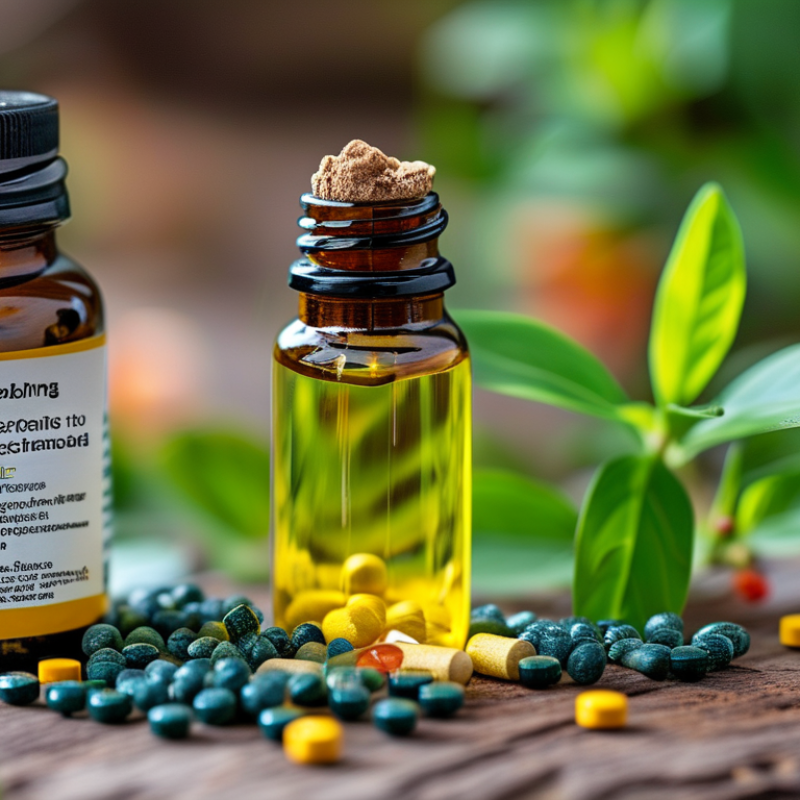
A berberine complex combines berberine with ingredients intended to improve absorption, stability, or metabolic support. Berberine itself is an alkaloid found in several plants. Its low oral bioavailability remains a practical concern. Much of the compound may pass through the gut before reaching circulation.
Mechanistically, berberine may activate AMP-activated protein kinase, often called AMPK. This pathway helps regulate glucose use, fatty-acid metabolism, and cellular energy. It may also influence intestinal bacteria and glucose transport. A 2023 meta-analysis in Frontiers in Pharmacology reported modest improvements in fasting glucose and HbA1c across clinical trials. However, the studies differed in dose, duration, and formulation. The result is useful, but not perfectly clean.
When comparing complexes in 2026, examine the actual berberine amount, delivery method, and independent testing. A complex with many extracts is not automatically stronger. It may simply be harder to evaluate. The NIH’s Office of Dietary Supplements stresses that supplements can interact with medicines, especially drugs affecting glucose, blood pressure, or clotting. That warning deserves attention. I would also question products making dramatic claims from small studies. Human evidence is growing, yet long-term safety data remain limited. Ask a qualified clinician before using berberine during pregnancy, breastfeeding, or prescription treatment.
Berberine deserves attention because metabolic disease is expanding worldwide. The IDF Diabetes Atlas, 11th edition, estimates 589 million adults had diabetes in 2024. That number changes the buying question. Look for evidence-based support, not dramatic promises.
Clinical reviews report modest improvements in blood glucose, LDL cholesterol, and triglycerides. A 2024 systematic review in Frontiers in Pharmacology found HbA1c reductions often near 0.5 percentage points. Results varied between studies.
That matters. The NCCIH notes that berberine research remains limited by inconsistent products, small trials, and short follow-up periods. A complex should therefore disclose the exact berberine amount per serving. It should also identify testing for purity, heavy metals, and microbial contamination.
Think practically. A transparent label beats a crowded formula. Some complexes add cinnamon, chromium, or bitter melon, but combined evidence is harder to judge. I would prioritize third-party testing and batch documentation. Not clever packaging.
Berberine may interact with diabetes medicines, blood-pressure drugs, anticoagulants, or medicines processed by the liver. Pregnancy and breastfeeding require extra caution. Speak with a qualified clinician before use.
The evidence is promising, not clean. One imperfect point remains: supplement quality can vary more than online reviews suggest. A capsule cannot replace glucose monitoring, dietary changes, sleep, or prescribed treatment.
Choosing a berberine complex starts with its chemical form. Berberine hydrochloride is the form used in many human trials. Phytosome and liposomal versions may improve absorption, but comparative clinical evidence remains limited. A 2023 review in Frontiers in Pharmacology found that studies used inconsistent forms, doses, and treatment periods. That makes direct product comparisons difficult.
Typical clinical protocols use 500 mg, two or three times daily, often with meals. This is not a universal recommendation. The National Center for Complementary and Integrative Health reports possible gastrointestinal effects, including constipation, diarrhea, and abdominal discomfort. Split dosing may feel gentler than one large serving. Small details matter. Check whether the label lists elemental berberine or a compound weight.
Supporting ingredients deserve careful scrutiny. Some formulas add chromium, cinnamon, probiotics, or piperine. Evidence for combined benefits is uneven, while piperine may alter drug metabolism. The NIH LiverTox database also highlights the need to consider interactions and individual health conditions. I would prioritize transparent amounts, batch testing, and a certificate of analysis over a crowded ingredient panel. Third-party quality programs can verify identity and contaminants, but they do not prove effectiveness. My own comparison could still overvalue absorption claims because impressive laboratory results are not the same as reliable human outcomes. Pregnant individuals, children, and people using glucose-lowering or blood-pressure medicines should seek professional advice before use.
Choosing a berberine complex starts with identity, dose, and testing evidence. The U.S. FDA does not approve supplements before sale, so manufacturers must control quality themselves. Look for batch-specific certificates of analysis, not generic promises. The report should confirm berberine content through HPLC testing, plus heavy metals, microbes, and residual solvents. A complex containing several herbs may sound advanced, but it can hide the actual berberine dose.
Independent verification matters. USP quality standards emphasize identity, strength, purity, and contaminant control. The 2017–2020 NHANES survey found that 58.5% of U.S. adults used dietary supplements, increasing the need for dependable labeling. Still, a seal is not proof of clinical effectiveness. I would check the testing organization and the certificate date. Small details matter.
Safety checks deserve equal attention. The NIH Office of Dietary Supplements notes possible gastrointestinal effects and clinically relevant interactions. Berberine may affect glucose-lowering medicines, blood-pressure drugs, anticoagulants, and medicines processed through CYP3A4 or P-glycoprotein pathways. Pregnancy and breastfeeding require professional advice. A 2023 systematic review reported improvements in some glucose and lipid measures, but study quality and dosing varied. That uncertainty matters. Ask a pharmacist to review your medication list before use, especially when several prescriptions are taken daily. A clean label can still conceal a poor decision.
Compare the quality, safety, and interaction checks before choosing a berberine complex.
Confirm the exact berberine form, amount per serving, lot-specific identity testing, and testing for contaminants. “Complex” formulas may contain additional botanical or nutrient ingredients.
Human studies have used different daily amounts, so the chart is not a recommended dose or a maximum safe limit. Monitor for gastrointestinal effects and seek professional advice for individual dosing.
Ask a healthcare professional before use with glucose-lowering, blood-pressure, anticoagulant or antiplatelet, immunosuppressive, or other prescription medicines. Avoid use during pregnancy, breastfeeding, and in newborns or infants unless medically directed.
Chart data: daily amounts reported in selected adult human studies and reviews, shown for context only. Study amounts are not interchangeable with product-label recommendations. Reference points include NIH Office of Dietary Supplements, NCCIH, LiverTox, and peer-reviewed clinical literature.
How to Choose the Best Berberine Complex in 2026?
Selecting the best berberine complex starts with your specific health goal. Blood sugar support, lipid management, and digestive comfort may require different considerations. Berberine is not a universal solution. A qualified healthcare professional can help you assess whether it suits your needs, especially if you take prescription medicine.
Read the Supplement Facts panel carefully. Check the berberine amount per serving, added ingredients, and suggested use. Some complexes include compounds intended to improve absorption, but more ingredients do not always mean better value. Look for clear labeling, batch testing, and independent laboratory verification. Reliable products should disclose testing for identity, purity, and contaminants.
Pay attention to your body after starting. Mild stomach discomfort can occur, particularly when taking too much at once. Taking it with food may feel gentler, but personal responses vary. I would avoid choosing a complex based only on impressive claims or online popularity. That is an easy mistake. I also would not change medication doses without medical guidance. Consider the form, serving size, cost per effective serving, and storage instructions. Keep notes on timing, digestion, and any unusual symptoms. This simple record can reveal whether the product actually fits your routine.
Research suggests modest support for blood glucose, LDL cholesterol, and triglycerides. HbA1c reductions often approach 0.5 percentage points. Results vary.
No. It cannot replace prescribed treatment, balanced meals, sleep, or regular glucose monitoring. Changing medicine doses without guidance can be risky.
It should state the exact berberine amount per serving. Added herbs and suggested use should also be clearly listed.
Look for batch-specific certificates of analysis. They should confirm identity, strength, heavy metals, microbes, and residual solvents.
No. Cinnamon, chromium, or bitter melon may sound useful, but combined evidence becomes harder to judge. More is not always better.
Stomach discomfort, loose stools, or nausea may occur. Taking it with food may feel gentler. Personal responses still differ.
It may affect diabetes medicines, blood-pressure drugs, anticoagulants, and some liver-processed medicines. Ask a pharmacist to review your medication list.
People who are pregnant, breastfeeding, or taking several prescriptions should seek qualified advice first. Extra caution matters.
Track timing, digestion, symptoms, and glucose readings when appropriate. Review the notes after several weeks. Online popularity can mislead.
Choosing dramatic claims over testing evidence is common. I might make that mistake too. A clean label does not guarantee effectiveness.
Choosing the best Berberine Complex in 2026 requires more than comparing label prices or ingredient counts. A Berberine Complex typically combines berberine with complementary nutrients intended to support absorption, blood sugar metabolism, lipid balance, and overall metabolic health. However, the most suitable product depends on the form of berberine, serving size, delivery method, and the quality of supporting ingredients. Evidence-based uses should be considered realistically, with supplements viewed as part of a healthy lifestyle rather than a replacement for medical care.
Before choosing a Berberine Complex, review the dosage instructions, ingredient transparency, manufacturing standards, and independent quality testing. Check for unnecessary additives and consider potential interactions with medicines, especially those affecting blood sugar, blood pressure, or blood clotting. People who are pregnant, breastfeeding, managing a medical condition, or taking prescription medication should consult a qualified healthcare professional first. The best choice is a clearly labeled, appropriately dosed, quality-tested formula that matches your personal goals and safety needs.
