
Sourcing Berberis Medicine requires more than comparing prices or reviewing polished supplier websites. It requires documented botanical identity, controlled processing, and evidence that each batch matches its label. The World Health Organization reported that 88% of its Member States acknowledged using traditional medicine in its 2019 global report. That figure shows broad demand, but it does not prove product quality. Quality remains the buyer’s responsibility.
A credible supplier should identify the exact Berberis species, plant part, origin, harvest period, and extraction method. Ask for a recent certificate of analysis from an independent laboratory. It should cover identity testing, marker compounds, microbial limits, heavy metals, pesticides, and adulterants. USP guidance on botanical quality emphasizes authenticated ingredients and scientifically appropriate testing. Good suppliers also maintain traceability from field records to sealed containers. Look for batch numbers, storage conditions, expiry dates, and clear contact details. These small details matter.
Do not rely on vague “natural” claims. Berberis products may contain pharmacologically active alkaloids, and suitability can vary with medicines, pregnancy, age, or health conditions. A responsible supplier provides safety information without promising guaranteed cures. Regulatory requirements also differ between countries, so verify local rules before importing, selling, or using the product. This is where sourcing becomes less convenient. Some supplier documents may look professional but remain incomplete. Treat missing evidence as a reason to pause, not a minor weakness. Trusted sourcing is a verification process, supported by records, laboratory data, and careful professional judgment.
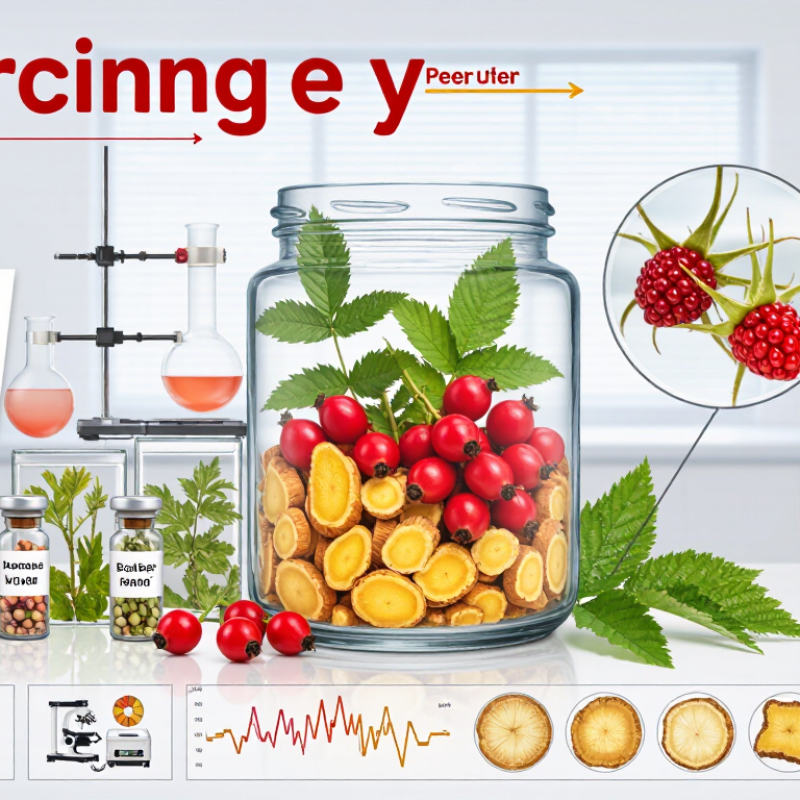
Berberis medicine usually refers to preparations from Berberis vulgaris or related species. Its yellow roots, stems, and berries contain alkaloids, including berberine. Traditional practitioners have used these materials for digestive discomfort, bitter-tonic preparations, and occasional skin applications. Uses vary by region. Evidence does too.
The World Health Organization’s 2019 global report found that 170 of 194 Member States acknowledged using traditional medicine. That figure shows demand, not proof of effectiveness. Modern reviews report possible berberine benefits for glucose and lipid markers, but study quality and product doses differ. Results remain uneven. Pregnancy, childhood use, and prescription-drug interactions require professional advice.
Reliable sourcing begins with identity testing. Ask suppliers for botanical Latin names, plant parts, extraction ratios, and batch-specific certificates of analysis. Useful testing includes DNA authentication, alkaloid quantification, microbial screening, heavy-metal analysis, and pesticide checks. A 2023 quality review in the Journal of Dietary Supplements noted frequent variation in botanical supplement labeling and active-ingredient content. The label may look precise.
Choose suppliers using documented Good Manufacturing Practice, traceable harvest records, and independent laboratory reports. Check whether storage protects the material from heat, moisture, and strong light. Berberis products should not be treated as automatic substitutes for prescribed care. I would also question unusually strong claims, because traditional reputation can move faster than clinical evidence.
When sourcing Berberis medicine, quality begins with verified botanical identity. Ask suppliers to name the exact species, plant part, and country of origin. Different species may contain different alkaloid profiles. A clear batch number should connect the product to harvesting, processing, and testing records.
Reliable suppliers provide a current certificate of analysis for each batch. It should confirm identity, active constituent levels, microbial limits, pesticides, heavy metals, and residual solvents. Independent laboratory testing is stronger than an internal statement alone. Manufacturing should follow recognized good manufacturing practices, with controlled temperature, clean equipment, and documented staff training. Packaging should protect the product from moisture and excessive light. Check the expiry date, storage instructions, and seal condition before purchase.
Do not rely on appearance alone. It can mislead. A vivid powder may still contain contaminants or the wrong plant material. I have learned that attractive documentation is not the same as strong evidence. Suppliers should explain testing methods and answer questions without vague promises. They should also disclose possible interactions and advise consultation with a qualified healthcare professional. This matters because Berberis products may affect medicines, pregnancy decisions, or existing health conditions. A careful buyer keeps invoices, batch records, and laboratory reports for future review. Even then, standards can be imperfect, and testing may not detect every problem. That limitation deserves honest attention.
Finding reliable Berberis medicine suppliers starts with identity, not price.
Berberis may refer to different species, roots, stems, or extracts. A serious supplier should provide the Latin name, plant part, origin, harvest date, and extraction method.
The World Health Organization’s Global Report on Traditional and Complementary Medicine (2019) states that 170 of 194 Member States reported using traditional medicine. That scale makes traceability essential.
Ask for a current certificate of analysis for every batch. Not a generic PDF.
Check botanical authentication through macroscopic, microscopic, or DNA testing. Confirm marker compounds, such as berberine, only when relevant to the declared species and preparation.
Independent laboratories should test identity, heavy metals, pesticides, microbes, and adulterants. The United States Pharmacopeia’s 2023 Dietary Supplements Compendium highlights validated methods and contaminant controls.
Good suppliers should also follow documented manufacturing and batch-record procedures. They must explain recalls, storage temperatures, deviations, and retesting dates.
Before purchasing, request a small sample and compare its label, test report, seal, and appearance. Use a documented approval checklist.
I have seen sourcing decisions focus too heavily on test numbers. That is a weakness.
Good numbers do not prove ethical harvesting or stable logistics. Verify processor records, moisture protection, and shipment conditions. Ask whether the certificate matches the exact lot.
If a supplier resists independent verification, walk away. Trust is earned slowly, and one missing record can change the decision.
Sourcing Berberis medicine requires more than comparing prices or reading polished product descriptions. Begin with the supplier’s legal registration, manufacturing authorization, and quality-system records. Ask whether the facility follows recognized good manufacturing practices. Verify certificates directly when possible. A document can look impressive and still be outdated.
Ask for the paperwork. The certificate of analysis should match the exact batch you may purchase. It should identify the botanical species, plant part, extraction method, and testing laboratory. Useful testing may include botanical authentication, marker-compound analysis, microbial limits, pesticides, heavy metals, and residual solvents. Independent laboratory results provide stronger evidence than internal claims. However, even one laboratory test cannot prove perfect quality.
Traceability should continue from cultivation or collection to delivery. Request the harvest location, lot number, processing date, storage conditions, and transport records. The lot number should appear on the package, invoice, and test report. During receiving, inspect seals, labels, odor, moisture, and damaged containers. Keep photographs and receiving notes. Ask how the supplier handles complaints, recalls, and rejected batches. A reliable supplier can answer clearly, though not every answer will be complete. That gap deserves review, not polite acceptance. Check applicable local regulations before use, sale, or import, and seek qualified professional guidance for medicinal applications.
| Evaluation Dimension | Information to Collect | Recommended Verification or Test | Evidence of Acceptability | Priority |
|---|---|---|---|---|
| Botanical identity | Accepted botanical name, plant part, country of origin, harvest season, and macroscopic description. | Compare supplier documents with an authenticated reference specimen; use microscopy and a validated botanical identification procedure. | The scientific name and plant part are consistent across the specification, certificate of analysis, packaging, and batch records. | High |
| Chemical identity | Declared marker compounds, such as berberine or other alkaloid markers, with the applicable assay basis. | Use a validated chromatographic method, commonly HPLC or UHPLC, with reference standards and documented system suitability. | Chromatographic identity matches the approved specification, and the assay result is reported with units, method reference, and sample basis. | High |
| Supplier quality system | Quality manual, change-control procedure, deviation and complaint handling, recall process, and training records. | Conduct a documented quality audit and review recent corrective and preventive action records. | Controlled procedures are available, responsibilities are defined, and significant findings are closed with documented corrective actions. | High |
| Manufacturing compliance | Applicable good manufacturing practice, good agricultural and collection practice, or equivalent quality-system documentation. | Verify the scope, validity, issuing body, site address, and product category covered by the certificate or audit report. | The certification or audit scope covers the relevant facility and activity; certificates are current and independently verifiable. | High |
| Laboratory competence | Testing laboratory identity, accreditation scope, method validation status, analyst authorization, and equipment qualification. | Confirm that the laboratory is accredited to ISO/IEC 17025 for the relevant test or has equivalent documented competence. | Reports identify the method, laboratory, sample number, test date, result, units, and authorized reviewer; accreditation scope is relevant to the test. | High |
| Microbiological quality | Total aerobic microbial count, total yeast and mold count, and specified objectionable organisms where applicable. | Apply the relevant pharmacopoeial microbiological procedures, such as USP <61> and USP <62>, or an equivalent validated method. | Results comply with the approved product specification and the applicable dosage-form or herbal-material requirements for the destination market. | High |
| Heavy metals and elemental impurities | Lead, cadmium, mercury, arsenic, and any other elements relevant to the growing region or processing equipment. | Use ICP-MS or ICP-OES after a suitable sample-preparation procedure; evaluate results against the applicable regulatory limits. | Each batch has quantitative results, reporting limits, units, and a documented comparison with the requirements of the destination market. | High |
| Pesticide residues | Residue profile covering pesticides reasonably expected from the cultivation region and crop history. | Use a validated multi-residue method, typically involving LC-MS/MS and GC-MS/MS, with confirmation for detected residues. | Results comply with the importing market’s maximum residue limits or the applicable herbal-medicine specification. | High |
| Mycotoxins and contaminants | Aflatoxins, ochratoxin A where relevant, foreign matter, adulterants, and undeclared pharmaceutical ingredients. | Use validated chromatographic or immunoassay screening methods, followed by confirmatory testing when required. | Contaminants are below applicable limits, and the supplier has a documented risk assessment for storage, drying, and transport conditions. | High |
| Adulteration control | Risk of substitution with another Berberis species, an incorrect plant part, or unrelated alkaloid-containing material. | Combine botanical examination, chromatographic fingerprinting, and DNA-based testing when morphology or processing prevents reliable identification. | Identity testing is performed on incoming material and finished batches, with an investigation procedure for atypical profiles. | High |
| Batch traceability | Unique batch number, farm or collection area, harvest date, processing site, packaging date, and distribution records. | Perform a traceability exercise from finished product back to raw material and forward to all recipients. | The supplier can reconcile quantities and records within a defined time period, with no unexplained gaps between collection, processing, and release. | High |
| Certificate of analysis | Batch-specific results for identity, assay, microbiology, contaminants, moisture, and physical characteristics. | Compare the certificate with the approved specification and independently test representative samples before qualification. | The certificate is signed or electronically approved by authorized quality personnel and contains methods, limits, results, and release status. | High |
| Stability and storage | Recommended temperature, humidity protection, packaging configuration, retest or expiry date, and stability data. | Review stability studies conducted in the proposed packaging under conditions relevant to the intended market. | Storage instructions are supported by data, and the packaging protects the material from moisture, light, contamination, and mix-ups. | Medium |
| Packaging and labeling | Material of construction, tamper evidence, net quantity, batch number, manufacturing date, expiry or retest date, and storage conditions. | Inspect packaging samples and verify label information against the batch documentation and purchase specification. | Labels are legible, durable, consistent with the approved documentation, and capable of maintaining product integrity during transport. | High |
| Transport controls | Shipping route, transit duration, environmental exposure, container cleanliness, and security controls. | Review transport qualification or monitoring records and inspect shipment condition upon receipt. | There is no evidence of moisture damage, tampering, contamination, temperature abuse, or undocumented repacking. | Medium |
| Regulatory and ethical sourcing | Country-specific import permissions, collection permissions, species status, and documentation for lawful sourcing. | Check applicable customs, medicinal-product, herbal-product, environmental, and endangered-species requirements before purchase. | The supplier provides complete legal-source documentation and confirms that collection and export comply with applicable national laws. | High |
| Ongoing supplier monitoring | Annual review plan, complaint trends, out-of-specification results, audit frequency, and change notifications. | Requalify using risk-based audits, periodic sample testing, and review of quality events and performance metrics. | Material changes are communicated before implementation, and repeated failures trigger corrective action or supplier suspension. | Medium |
When sourcing Berberis medicine, compare the landed cost, not only the quoted kilogram price. Request prices for the same plant part, extract ratio, moisture level, and minimum order quantity. A low price may hide higher testing, freight, or rejection costs. Paperwork matters.
The WHO Global Report on Traditional and Complementary Medicine states that 170 of 194 Member States reported using traditional medicine. That scale increases the need for consistent quality controls. Ask suppliers for batch-specific certificates of analysis covering identity, microbial limits, heavy metals, pesticides, and marker compounds. WHO’s Quality Control Methods for Herbal Materials recommends documented sampling and testing procedures. Still, a certificate alone is not proof. Independent verification remains sensible.
Packaging changes both shelf life and cost. Compare sealed food-grade liners, light-resistant drums, tamper evidence, and storage instructions. The United States Pharmacopeia’s general packaging requirements emphasize protection from moisture, light, contamination, and physical damage. For powder, a 25-kilogram drum may reduce handling charges, but smaller packs can limit exposure after opening. This trade-off is easy to overlook.
Ordering conditions deserve equal attention. Record the Incoterm, payment schedule, production lead time, replacement policy, and acceptable batch variation. A practical comparison sheet should show price per usable kilogram after testing and transport. I would also request a retained sample before approving a large order. My earlier assumption was that larger volumes always lowered costs; in practice, slow turnover can erase that advantage.
This comparison uses typical wholesale procurement conditions for dried Berberis aristata root or cut material. Larger orders generally reduce the estimated price per kilogram, but they usually require higher minimum order quantities and longer lead times. Buyers should verify botanical identity, batch testing, packaging integrity, shelf life, certificates of analysis, and import requirements before ordering.
Indicative market ranges: prices are shown in USD per kilogram; packaging and ordering conditions should be confirmed directly in the supplier quotation.
It usually comes from Berberis vulgaris or related species. Roots, stems, and berries may be used. Preparations can contain alkaloids, including berberine.
Traditional uses include digestive discomfort and bitter-tonic preparations. Some regions also use them for occasional skin applications. Uses vary widely. Evidence remains uneven.
No. Traditional use shows demand, not reliable proof of effectiveness. Modern studies report possible effects on glucose and lipid markers. Study quality and product doses differ. Results remain inconsistent.
Look for the botanical Latin name, plant part, origin, and harvest date. The supplier should also explain the extraction method and ratio. A current, batch-specific certificate matters. Not a generic PDF.
Useful tests include DNA authentication and alkaloid measurement. Independent laboratories should also check microbes, heavy metals, pesticides, and adulterants. Testing should match the declared species and preparation.
Confirm that the certificate matches the exact production lot. Check the laboratory name, testing dates, methods, and reported results. Ask about retesting and deviations. One missing record matters.
Request a small sample when possible. Compare its label, seal, appearance, and test report. Review traceable harvest records and documented manufacturing procedures. Price alone is a weak filter.
Storage should limit heat, moisture, and strong light. Ask about shipment conditions and moisture protection. Poor logistics can weaken product stability. I sometimes overlook this part.
People who are pregnant, children, and those taking prescription medicines should seek advice. Interactions and unsuitable doses may create risks. Do not treat these products as automatic substitutes for prescribed care.
Be cautious about unusually strong health claims or unclear species information. Avoid suppliers that resist independent verification. A polished label can still hide weak controls. Trust should be earned slowly.
Sourcing Berberis Medicine responsibly begins with understanding its traditional uses, product forms, and intended applications. Buyers should look for clearly labeled products that identify the plant material, concentration, recommended storage conditions, batch number, expiration date, and relevant usage guidance. Quality and safety are especially important, so suppliers should be able to provide documentation showing identity testing, purity checks, contamination screening, and compliance with applicable manufacturing standards.
Reliable Berberis Medicine suppliers should have verifiable business credentials, transparent contact information, consistent quality-control procedures, and a traceable supply chain from raw materials to finished products. Before ordering, compare prices carefully while considering dosage, package size, testing documentation, packaging quality, shipping conditions, minimum order quantities, return policies, and payment terms. A trustworthy supplier should answer questions clearly and provide sufficient records to support product authenticity, safety, and consistency.
