Honey polyphenols have garnered significant attention in recent years due to their health benefits. Sourcing high-quality honey polyphenols is crucial for businesses aiming to produce effective health products. These compounds are known for their antioxidant properties and potential to enhance overall well-being.
To successfully source honey polyphenols, businesses must understand various factors. Identifying reliable suppliers is essential. Researching the region from which the honey is sourced can provide insight into its polyphenol content. For instance, honey from certain floral sources might deliver higher levels of beneficial compounds.
Engaging with industry experts can help refine sourcing strategies. Building relationships with reputable producers enhances reliability. However, it’s important to remain aware of potential inconsistencies in product quality. Questions about purity and processing methods need careful consideration. Reflecting on these challenges can ultimately lead to more informed business decisions.
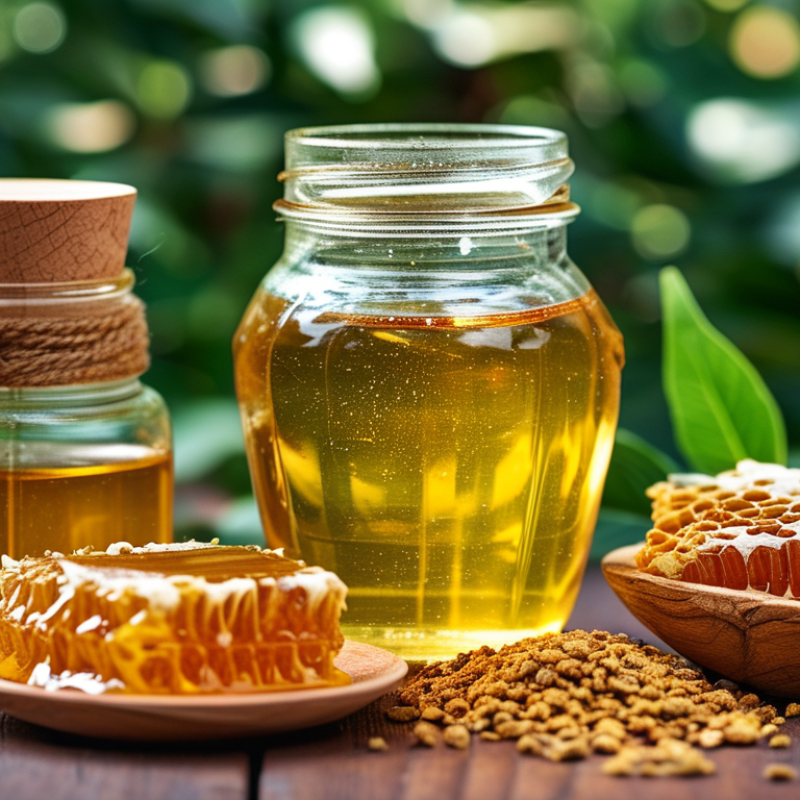
Honey polyphenols are bioactive compounds found in honey. They provide numerous health benefits and have various applications. These compounds exhibit antioxidant properties that help combat oxidative stress in the body. This ability is crucial for maintaining overall health and wellness. Additionally, honey polyphenols may support heart health by improving blood circulation and lowering blood pressure.
The applications of honey polyphenols extend into the food and cosmetics industries. In food products, they enhance flavor and offer nutritional value. Many manufacturers incorporate these compounds in functional foods to appeal to health-conscious consumers. In cosmetics, honey polyphenols serve as natural preservatives and soothing agents. They can improve skin hydration and elasticity, making them valuable in skincare formulations.
While the benefits are clear, sourcing quality honey polyphenols can be challenging. Variability in honey sources impacts polyphenol content. It is essential to conduct thorough research before sourcing. Understanding the origin and processing methods of honey can greatly influence its quality. Ensuring reliable suppliers is vital for maintaining product effectiveness. An informed approach will yield better results for businesses looking to integrate honey polyphenols into their offerings.
Sourcing honey polyphenols requires careful research and evaluation of potential suppliers. Honey polyphenols are vital for various health benefits, including antioxidant properties. A 2021 study published in the Journal of Agricultural and Food Chemistry highlighted that honey polyphenols can aid in reducing oxidative stress. This indicates a strong market demand.
Identifying reliable sources is crucial. Look for suppliers who provide transparency about their extraction methods. The extraction process should preserve the integrity of polyphenols. Some companies may use solvents, which can affect the final product quality. Review accredited certifications and consumer feedback to gauge reliability.
When evaluating suppliers, consider their testing protocols. A reputable source should provide evidence of consistency and quality in their products. They may conduct third-party testing, ensuring that honey's health benefits are thoroughly validated. Pay attention to the source of honey, as geographical differences can impact polyphenol concentrations.
To make an informed decision, ask suppliers about their production volume. Larger scales may indicate experience, but smaller producers can offer unique benefits as well. Focus on the supplier's history in the industry and their commitment to sustainability. This approach will ensure that you're sourcing high-quality honey polyphenols that meet your business needs.
When sourcing honey polyphenols, evaluating quality and purity is vital. Honey polyphenols offer numerous health benefits. They can help in reducing inflammation and enhancing overall well-being. However, not all honey is created equal. Variability in floral sources and processing methods can significantly impact the quality of polyphenols.
To ensure you are sourcing high-quality honey polyphenols, consider the sourcing practices of your suppliers. Transparency is essential. Ask for detailed information about their extraction processes. Look for independent lab testing results that confirm purity and potency. Visual indicators, like color and aroma, can hint at quality but should not be the sole basis for evaluation.
Additionally, understanding the contaminants that may affect purity is crucial. Pesticides and heavy metals can compromise the benefits of honey polyphenols. Therefore, scrutinizing your supplier's testing protocols can provide peace of mind. Practicing due diligence during sourcing is critical. It can help you build a reliable and health-focused product line.
Establishing effective supply chain partnerships for honey polyphenols requires careful consideration. The honey polyphenol market is projected to grow at a compound annual growth rate (CAGR) of 6.5% from 2021 to 2028. This data indicates a robust demand for high-quality honey-derived ingredients. However, not all suppliers can deliver consistency and reliability.
Building relationships with trusted suppliers is paramount. Look for those who provide transparency in their sourcing processes. Research shows that 75% of companies struggle with visibility in their supply chains. This lack of clarity can lead to quality concerns. Regular audits and quality checks can mitigate these risks. Engage with suppliers who adhere to quality standards like ISO 9001. They can ensure that the polyphenols meet safety and efficacy requirements.
Collaboration with research institutions may also be beneficial. They can offer insights into the latest extraction methods and health benefits associated with honey polyphenols. In some cases, establishing partnerships takes time. However, patience can yield high-quality products that meet market demand. Investing in relationships today can lead to better quality and more sustainable practices tomorrow.
When sourcing honey polyphenols, understanding regulatory considerations is crucial. Regulatory bodies often have stringent guidelines outlining the quality and safety of natural products. It's essential to familiarize yourself with these rules to ensure compliance.
Testing for contaminants is one crucial step. Many regions require documented proof of quality and safety. This documentation might include certificates of analysis from independent labs. Quality assurance processes can be time-consuming but are non-negotiable. Regular audits can help maintain high standards.
Labeling requirements also demand attention. Transparency with consumers has become a priority. Every ingredient must be listed accurately. Mislabeling can lead to sanctions and damage trust. Additionally, engaging with legal experts can clarify nuances in regulations. They can provide guidance tailored to your specific needs. Always be proactive to avoid potential pitfalls.
: High-quality honey polyphenols offer health benefits like reducing inflammation. Not all honey has the same quality.
Request information on extraction processes. Look for independent lab tests confirming purity and potency.
Color and aroma may suggest quality. However, they shouldn’t be your only evaluation methods.
Pesticides and heavy metals can reduce the benefits of honey polyphenols. Scrutinize suppliers for testing protocols.
Focus on suppliers who are transparent and consistent. Build relationships with trusted sources.
Yes, regular audits can help ensure quality and mitigate risks in the supply chain.
Look for adherence to quality standards. ISO certifications can indicate safety and efficacy in honey polyphenols.
Partnering with research institutions can lead to insights on extraction and benefits, improving product quality.
Building trust and clarity takes time. Many companies struggle with visibility in their supply chains, which can lead to issues.
Yes, patience in developing relationships can result in high-quality products and sustainable practices in the long run.
In recent years, Honey Polyphenols have garnered significant attention for their numerous health benefits, including antioxidant and anti-inflammatory properties. Businesses seeking to incorporate these potent compounds into their products must first understand their applications and advantages. Identifying reliable sources for extraction is crucial, ensuring that the acquired Honey Polyphenols are of high quality and purity.
Furthermore, establishing strong supply chain partnerships can enhance the consistency and availability of Honey Polyphenols for commercial use. It’s essential to also navigate regulatory considerations, ensuring compliance with relevant guidelines while sourcing these valuable ingredients. By focusing on these key aspects, businesses can successfully integrate Honey Polyphenols into their offerings, appealing to health-conscious consumers.
