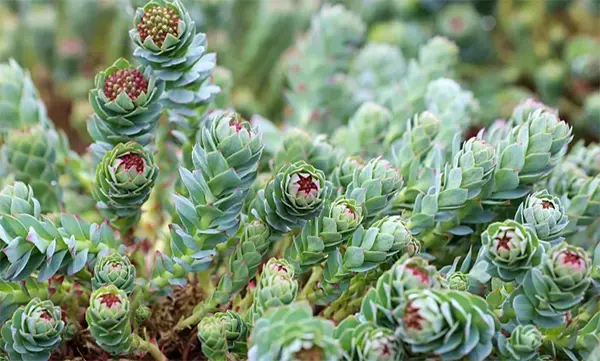
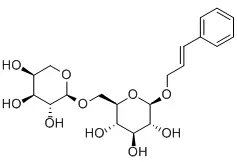
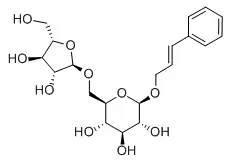
Rhodiola rosea Extract is a potent adaptogen with a wide range of health benefits supported by scientific research. Its ability to reduce stress, enhance cognitive function, and improve physical performance makes it an excellent addition to health and wellness regimens. Rich in rosavins and salidroside, Rhodiola rosea Extract is well-researched and effective for promoting overall well-being.
Panossian, A., Wikman, G., & Sarris, J. (2012). Rosenroot (Rhodiola rosea): Traditional use, chemical composition, pharmacology and clinical efficacy. Phytomedicine, 19(7), 481-493.
Olsson, E. M., von Schéele, B., Panossian, A. G., & Åslund, H. G. (2010). A randomized double-blind placebo-controlled parallel-group study of the standardised extract SHR-5 of the roots of Rhodiola rosea in the treatment of subjects with stress-related fatigue. Journal of Ethnopharmacology, 132(3), 414-423.
Liao, L., Xie, B., Zhou, W., Lin, X., & Ren, Z. (2018). Rhodiola rosea L. and its active compound salidroside delay chronic stress-induced brain aging by promoting mitochondrial-dependent autophagy in rats. Frontiers in Pharmacology, 9, 704.
Darbinyan, V., Aslanyan, G., Amroyan, E., Gabrielyan, E., Malmström, C., & Panossian, A. (2012). Clinical trial of Rhodiola rosea L. extract SHR-5 in the treatment of mild to moderate depression. Current Clinical Pharmacology, 2(2), 163-168.
De Bock, K., Eijnde, B. O., Ramaekers, M., & Hespel, P. (2004). Acute Rhodiola rosea intake can improve endurance exercise performance. International Journal of Sport Nutrition and Exercise Metabolism, 14(3), 298-307.
Spasov, A. A., Wikman, G. K., Mandrikov, V. B., Mironova, I. A., & Neumoin, V. V. (2009). A double-blind, placebo-controlled pilot study of the stimulating and adaptogenic effect of Rhodiola rosea SHR-5 extract on the fatigue of students caused by stress during an examination period with a repeated low-dose regimen. Planta Medica, 66(02), 152-157.