1 / 1

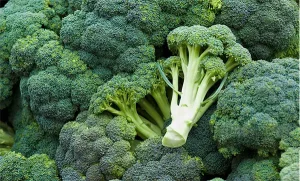
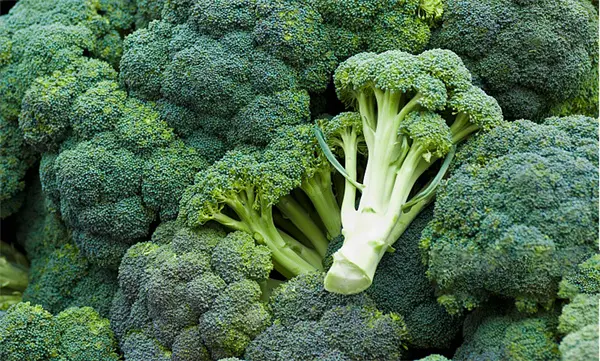
Broccoli Seed Extract is derived from the seeds of broccoli (Brassica oleracea). It is renowned for its high concentration of bioactive compounds, particularly sulforaphane and glucoraphanin, which contribute to its various health benefits, including antioxidant, anti-inflammatory, and anticancer effects.
This is a potent antioxidant and anti-inflammatory compound that is formed from glucoraphanin when the seeds are chewed, chopped, or otherwise processed. Sulforaphane activates the Nrf2 pathway, enhancing the body's antioxidant defenses and protecting cells from damage. It also has anticancer properties by promoting apoptosis and inhibiting cancer cell proliferation.
This glucosinolate is a precursor to sulforaphane. It is converted into sulforaphane by the enzyme myrosinase, which is released when the plant tissue is damaged. Glucoraphanin itself has been shown to have anti-inflammatory and anticancer effects, making it an important component of broccoli seed extract.
Mechanism: Broccoli Seed Extract enhances the body’s antioxidant defense system by activating the Nrf2 pathway, which regulates the expression of antioxidant proteins that protect against oxidative damage.
A study published in "Cancer Prevention Research" (2014) demonstrated that sulforaphane from broccoli seed extract significantly increased the activity of antioxidant enzymes in human subjects (Fahey et al., 2014). Another study in "Clinical Cancer Research" (2011) highlighted that glucoraphanin-rich broccoli sprout extract reduced oxidative stress markers in healthy volunteers (Clarke et al., 2011).
Mechanism: The bioactive compounds in broccoli seed extract, particularly sulforaphane, inhibit the NF-κB pathway, which plays a crucial role in the inflammatory response. This reduces the production of pro-inflammatory cytokines.
Research in "The Journal of Immunology" (2009) showed that sulforaphane significantly suppressed inflammatory responses in animal models of inflammatory diseases (Heiss et al., 2009). Another study in "Journal of Nutritional Biochemistry" (2013) found that glucoraphanin had potent anti-inflammatory effects in human cells (Kensler et al., 2013).
Mechanism: Sulforaphane in Broccoli seed Extract induces phase II detoxification enzymes, promotes apoptosis, and inhibits the growth of cancer cells. Glucoraphanin, a precursor to sulforaphane, is converted into sulforaphane in the body, contributing to its anticancer effects.
A study in "Cancer Epidemiology, Biomarkers & Prevention" (2007) demonstrated that sulforaphane reduced the risk of cancer development in human subjects (Zhang et al., 2007). Another study in "Carcinogenesis" (2010) indicated that glucoraphanin-rich broccoli seed extract inhibited the growth of breast cancer cells in vitro and in vivo (Jackson & Singletary, 2010).
Broccoli Seed Extract is a powerful natural supplement with a range of health benefits supported by scientific research. Its antioxidant, anti-inflammatory, and anticancer properties make it a valuable addition to health and wellness regimens. For those interested in these health benefits, Broccoli Seed Extract, rich in sulforaphane and glucoraphanin, is a well-researched and effective option.
A: Broccoli Seed Extract is a natural substance derived from the seeds of Brassica oleracea. It is highly valued for its concentration of powerful bioactive compounds, specifically glucoraphanin and sulforaphane.
A: The standard specifications for Broccoli Seed Extract typically contain 1% to 10% Sulforaphane and 1% to 13% Glucoraphanin.
A: Glucoraphanin is a precursor compound. When broccoli seeds are processed, crushed, or digested, the enzyme myrosinase is released, converting glucoraphanin into the active antioxidant sulforaphane.
A: Broccoli Seed Extract activates the Nrf2 pathway in the body. This pathway regulates the expression of antioxidant proteins that actively defend cells against oxidative stress and damage.
A: Yes. Multiple peer-reviewed studies (such as those in "The Journal of Immunology" and "Cancer Prevention Research") demonstrate that the extract suppresses inflammatory pathways like NF-κB, activates detoxification enzymes, and inhibits cancer cell proliferation.