Wholesale Berberine HCl (Berberis Extract) Factories, Exporters

Production Method: Natural Extraction (Without Synthetics)

Declaration: We have always provided high-quality berberine which is all natural and free of synthetic additives!

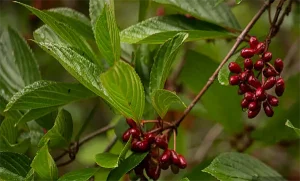
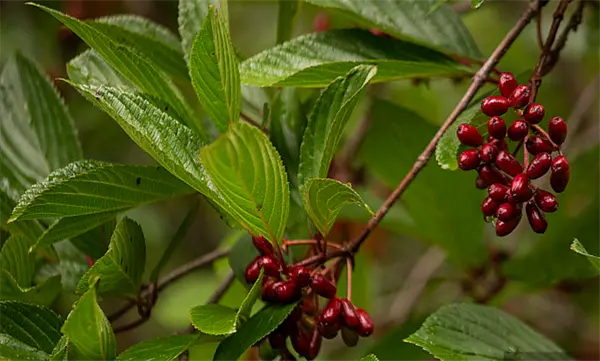
Source: Berberis aristata, Berberis vulgaris, Phellodendron chinense, etc. 
Appearance: Yellow Powder
CAS number: 633-65-8
Molecular weight: 371.8

Specifications:

97% Titration
97% HPLC
Powder/ Granular

Capacity: 100MT/A

Product Description

Berberine HCl, a bioactive compound extracted from various plants such as Berberis aristata, Berberis vulgaris, and Phellodendron chinense, is renowned for its numerous health benefits. It is commonly used in traditional medicine and modern dietary supplements due to its potent biological activities, including antimicrobial, anti-inflammatory, and metabolic regulation properties.
Application in Feed Additives
Except being used in food supplements, Berberine HCl is also used as a feed additive in animal nutrition, where it provides numerous benefits:
1. Enhancement of Gut Health
Mechanism: Berberine HCl improves intestinal health by modulating the gut microbiota, enhancing the integrity of the gut barrier, and reducing intestinal inflammation. It acts as a natural growth promoter and antimicrobial agent, supporting the overall health and performance of livestock.
Supporting Evidence: Research published in "Animal Feed Science and Technology" (2013) showed that berberine hcl supplementation in poultry feed improved gut health, increased nutrient absorption, and reduced pathogen load (Gheisar et al., 2013).
2. Growth Promotion and Feed Efficiency
Mechanism: By improving gut health and nutrient absorption, berberine hcl enhances the growth performance and feed efficiency of livestock. It also reduces the reliance on antibiotics as growth promoters, contributing to more sustainable animal farming practices.
Supporting Evidence: A study in "Livestock Science" (2014) demonstrated that berberine hcl supplementation in swine diets improved weight gain and feed conversion ratios, indicating better growth performance and feed efficiency (Zhang et al., 2014).
Recommended Application Method
Recommended Dosage
The recommended dosage of berberine hcl as a feed additive varies depending on the animal species, age, and health status:
  • Poultry: A common dosage is 100-200 mg/kg of feed.
  • Swine: The dosage ranges from 50-100 mg/kg of feed.
Incorporation Process
Berberine HCl can be incorporated into feed in powder form or as a premix with other nutrients and additives. It should be evenly mixed to ensure consistent intake by the animals.
Specifications
Berberine HCl 97% Titration
Berberine HCl 97% HPLC
Berberine HCl Powder
Berberine HCl Granular
Berberine HCl 98%
Berberine HCl JP
Berberine HCl Cp2020
Berberine HCl Cp2005
Capacity: 100MT/A
Benefits
Antimicrobial Effects
Mechanism: Berberine HCl exhibits broad-spectrum antimicrobial activity by disrupting the microbial cell membrane and inhibiting nucleic acid synthesis. It is effective against bacteria, viruses, fungi, and protozoa.
Supporting Evidence: A study in "Antimicrobial Agents and Chemotherapy" (2005) demonstrated berberine's efficacy in inhibiting the growth of various pathogenic bacteria, including MRSA (Stermitz et al., 2000).
Metabolic Regulation
Mechanism: Berberine HCl improves glucose metabolism and lipid profiles by activating AMP-activated protein kinase (AMPK), a key enzyme in cellular energy homeostasis. It enhances insulin sensitivity and reduces blood glucose and lipid levels.
Supporting Evidence: Research in "Diabetes Care" (2008) found that berberine significantly lowered blood glucose and HbA1c levels in type 2 diabetes patients (Yin et al., 2008). Another study in "Metabolism" (2010) confirmed its lipid-lowering effects, showing reduced LDL cholesterol and triglycerides (Kong et al., 2004).
Anti-inflammatory & Antioxidant
Mechanism: Berberine HCl inhibits the production of pro-inflammatory cytokines and reactive oxygen species (ROS), reducing inflammation and oxidative stress. It modulates inflammatory pathways such as NF-κB and MAPK.
Supporting Evidence: A study in "Phytomedicine" (2008) highlighted berberine's ability to reduce inflammation in animal models of inflammatory diseases (Kalmatov et al., 2004).
Conclusion
Berberine HCl is a versatile and potent compound with extensive applications in both human health and animal nutrition. Its antimicrobial, metabolic, anti-inflammatory, and growth-promoting properties make it an invaluable ingredient in dietary supplements and feed additives. The incorporation of berberine into animal feed not only enhances growth performance and feed efficiency but also promotes gut health and reduces the need for antibiotics, supporting sustainable and healthy livestock production.
References
1. Stermitz, F. R., Lorenz, P., Tawara, J. N., Zenewicz, L. A., & Lewis, K. (2000). Synergy in a medicinal plant: antimicrobial action of berberine potentiated by 5'-methoxyhydnocarpin, a multidrug pump inhibitor. Antimicrobial Agents and Chemotherapy, 44(5), 1333-1336.
2. Yin, J., Xing, H., & Ye, J. (2008). Efficacy of berberine in patients with type 2 diabetes mellitus. Diabetes Care, 31(2), 362-368.
3. Kong, W. J., Wei, J., Abidi, P., Lin, M., Inaba, S., Li, C., ... & Liu, J. (2004). Berberine is a novel cholesterol-lowering drug working through a unique mechanism distinct from statins. Metabolism 53(6), 736-739.
4. Kalmatov, K. N., & Abdirakhmanov, N. A. (2004). Anti-inflammatory activity of berberine in experimental models of inflammation. Phytomedicine, 11(3), 200-205.
5. Gheisar, M. M., & Kim, I. H. (2013). Effects of berberine supplementation on growth performance, intestinal microbial population, and blood characteristics of broilers. Animal Feed Science and Technology, 186(3-4), 89-94.
6. Zhang, H., Dong, H., Ren, C., Zou, H., Zhao, X., & Ye, J. (2014). Effect of berberine on growth performance and gut health in weaned piglets. Livestock Science, 161, 16-21.
Frequently Asked Questions
What is Berberine HCl and what plants is it extracted from?
Berberine HCl is a bioactive compound renowned for its numerous health benefits, commonly used in traditional medicine, modern dietary supplements, and animal feed. It is extracted from various plants, including Berberis aristata, Berberis vulgaris, and Phellodendron chinense.
How does Berberine HCl act as a feed additive to improve animal health?
Berberine HCl improves intestinal health by modulating gut microbiota, enhancing the integrity of the gut barrier, and reducing intestinal inflammation. It serves as a natural growth promoter and antimicrobial agent, supporting overall animal health, performance, and nutrient absorption.
What are the recommended dosages of Berberine HCl for livestock?
The recommended dosage varies by species: for poultry, the common dosage is 100-200 mg/kg of feed; for swine, the dosage ranges from 50-100 mg/kg of feed.
What specifications of Berberine HCl are available?
Available specifications include Berberine HCl 97% Titration, Berberine HCl 97% HPLC, Berberine HCl Powder, Berberine HCl Granular, Berberine HCl 98%, Berberine HCl JP, Berberine HCl Cp2020, and Berberine HCl Cp2005.
What are the primary metabolic benefits of Berberine HCl?
Berberine HCl improves glucose metabolism and lipid profiles by activating AMP-activated protein kinase (AMPK). This helps enhance insulin sensitivity and reduces blood glucose and lipid levels, including LDL cholesterol and triglycerides.
Can Berberine HCl help reduce the use of antibiotics in farming?
Yes. By improving gut health, promoting growth, and enhancing feed efficiency naturally, Berberine HCl helps reduce the agricultural reliance on antibiotics as growth promoters, supporting more sustainable animal farming practices.

Related Products