1 / 1

Stevia Leaf Extract: Natural Sweetener for Modern Applications
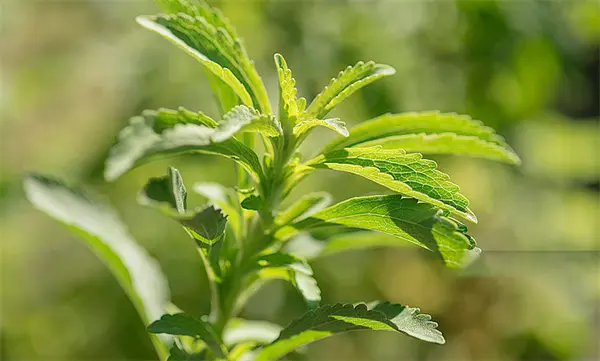
Stevia leaf extract is a natural sweetener derived from the leaves of the Stevia rebaudiana plant. It is increasingly popular as a sugar substitute due to its natural origin, low-calorie content, and health benefits. Stevia is commonly used in various food and beverage products to provide sweetness without the negative effects associated with traditional sugar and synthetic sweeteners.
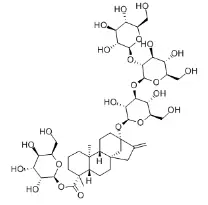
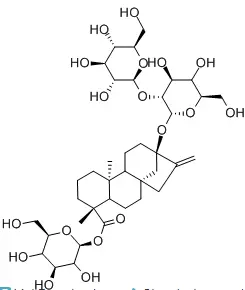
Application: Reb-A is the most commonly used steviol glycoside in food and beverages. It is known for its high sweetness potency, being about 200-300 times sweeter than sugar.
Characteristics and Benefits: Reb-A has a clean, sweet taste with minimal aftertaste, making it suitable for a wide range of products, including soft drinks, baked goods, and dairy products. It is stable under heat and pH variations, making it versatile for different food processing conditions.
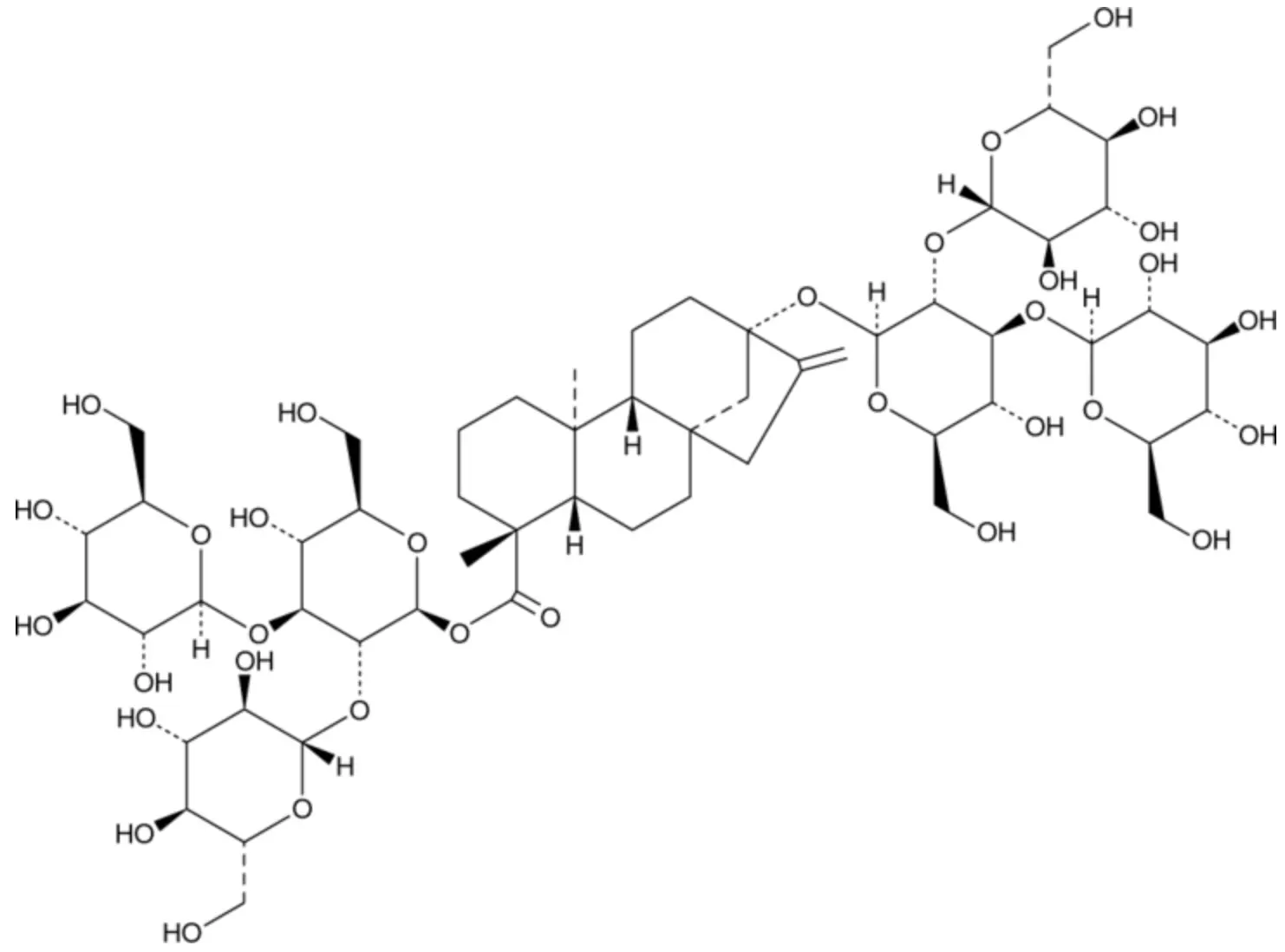
Application: Reb-M is used in products that require a high level of sweetness with a minimal bitter aftertaste. It is about 250-300 times sweeter than sugar.
Characteristics and Benefits: Reb-M provides a cleaner, more sugar-like taste compared to Reb-A. It is particularly favored in premium beverages and products where taste quality is paramount.
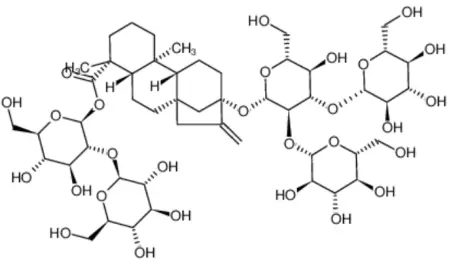
Application: Reb-D is less commonly used but is gaining popularity due to its sweet profile and minimal aftertaste. It is approximately 200-300 times sweeter than sugar.
Characteristics and Benefits: Reb-D offers a balanced sweetness with a low bitterness profile, making it suitable for various food and beverage applications, including flavored waters and low-calorie desserts.
Synthetic Biology: Advances in synthetic biology have enabled the production of Reb-D and Reb-M through fermentation processes using genetically modified microorganisms. This method allows for the scalable and cost-effective production of high-purity steviol glycosides.
Advantages: Fermentation-based production is more sustainable and efficient compared to traditional extraction from stevia leaves. It reduces the need for extensive agricultural land and can produce high-purity compounds consistently.
Consistency and Purity: Synthetic biology ensures consistent quality and purity of Reb-D and Reb-M, which is essential for maintaining product standards.
Scalability: The ability to produce these compounds at a large scale meets the growing demand for natural sweeteners in the global market.
Stevia leaf extract is calorie-free, making it an ideal sweetener for those looking to reduce calorie intake and manage weight. Traditional sugar (sucrose) is high in calories, contributing to obesity and related health issues.
Stevia does not raise blood glucose levels, making it suitable for people with diabetes. In contrast, sugar causes significant spikes in blood glucose.
Synthetic sweeteners like aspartame and sucralose are often scrutinized for potential health risks, whereas stevia is generally recognized as safe and natural.
Stevia is derived from the leaves of the Stevia rebaudiana plant, offering a natural alternative to synthetic sweeteners like aspartame and sucralose, which are produced through chemical processes.
Stevia cultivation has a lower environmental impact compared to sugarcane farming, which requires extensive land, water, and chemical inputs. Synthetic sweeteners also have environmental concerns related to their production processes.
Stevia leaf extract, particularly its key components Reb-A, Reb-M, and Reb-D, offers a natural, low-calorie alternative to traditional sugar and synthetic sweeteners. Its health benefits, natural origin, and environmental advantages make it a superior choice for modern food and beverage applications. Advances in synthetic biology further enhance the production and availability of high-purity steviol glycosides, ensuring that consumers have access to high-quality natural sweeteners.