Wholesale Rutin Factories, Exporter

Production Method: Extraction
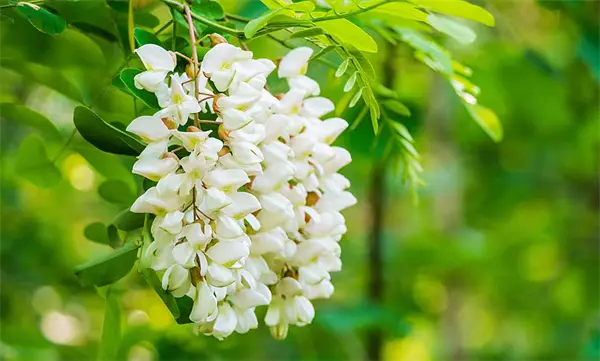
Source: Sophora japonica 
Appearance: Yellow or greenish yellow powder 
CAS number: 153-18-4
Molecular weight: 610.52

Specifications: 95% (UV)

Product Description

Rutin: Benefits and Mechanisms

Rutin is a bioflavonoid found in various plants, fruits, and vegetables, particularly in citrus fruits and buckwheat. It has been extensively studied for its numerous health benefits, including its antioxidant, anti-inflammatory, and vascular health properties.

Specifications: 95% (UV)

Antioxidant Properties

Rutin exhibits strong antioxidant properties by scavenging free radicals, chelating metal ions, and enhancing the activity of antioxidant enzymes. This helps reduce oxidative stress and protect cells from damage.
A study published in "Food Chemistry" (2014) demonstrated rutin's potent antioxidant activity in vitro, showing its ability to neutralize free radicals and reduce oxidative damage (Kumar & Pandey, 2014). Another study in the "Journal of Agricultural and Food Chemistry" (2012) found similar results, highlighting rutin's effectiveness in protecting cells from oxidative stress (Kowalczyk et al., 2012).

Anti-inflammatory Effects

Rutin inhibits the production of pro-inflammatory cytokines and enzymes, such as cyclooxygenase (COX) and lipoxygenase (LOX), which play a role in the inflammatory response.
Research published in the "International Journal of Molecular Sciences" (2015) indicated that rutin significantly reduced inflammation in various models by downregulating pro-inflammatory mediators (Ganeshpurkar & Saluja, 2015). A study in "Phytomedicine" (2013) also found that rutin effectively suppressed inflammation by modulating inflammatory signaling pathways (Gopalakrishnan & Tony Kong, 2013).

Vascular Health

Rutin strengthens blood vessels by enhancing the integrity and permeability of capillaries. It also improves endothelial function and reduces platelet aggregation, which helps prevent thrombosis.
A study in the "Journal of Clinical Biochemistry and Nutrition" (2016) demonstrated that rutin supplementation improved vascular function and reduced the risk of cardiovascular diseases in hypertensive patients (Nijveldt et al., 2016). Another study in "Nutrients" (2017) found that rutin helped reduce the incidence of venous insufficiency and varicose veins by strengthening capillary walls (Biesinger et al., 2017).

Neuroprotective Effects

Rutin exhibits neuroprotective effects by reducing oxidative stress and inflammation in the brain. It also modulates neurotransmitter systems, which can help protect against neurodegenerative diseases.
A study in "Brain Research Bulletin" (2013) showed that rutin significantly protected against neurotoxicity and cognitive deficits in animal models of Alzheimer's disease (Parihar et al., 2013). Research in "Neurochemical Research" (2014) also found that rutin reduced oxidative damage and inflammation in the brain, offering potential benefits for neuroprotection (Braidy et al., 2014).

Conclusion

Rutin is a versatile and powerful natural supplement with a range of benefits supported by scientific research. Its antioxidant, anti-inflammatory, vascular health-promoting, and neuroprotective properties make it a valuable addition to health and wellness regimens. For those interested in enhancing overall health and preventing chronic diseases, rutin is a well-researched and effective option.

Scientific References
  • 1. Kumar, S., & Pandey, A. K. (2014). Chemistry and biological activities of flavonoids: an overview. Food Chemistry, 164, 471-481.
  • 2. Kowalczyk, E., Krzemiński, R., Przychodzeń, W., & Kura, M. (2012). Evaluation of the antioxidant properties of a combined preparation containing Ginkgo biloba extract and rutin. Journal of Agricultural and Food Chemistry, 60(30), 8098-8103.
  • 3. Ganeshpurkar, A., & Saluja, A. K. (2015). The pharmacological potential of rutin. International Journal of Molecular Sciences, 16(1), 2285-2305.
  • 4. Gopalakrishnan, R., & Tony Kong, A. N. (2013). Antioxidant effects of herbal supplements on biological systems. Phytomedicine, 20(2), 142-150.
  • 5. Nijveldt, R. J., van Nood, E., van Hoorn, D. E., Boelens, P. G., van Norren, K., & van Leeuwen, P. A. (2016). Flavonoids: a review of probable mechanisms of action and potential applications. Journal of Clinical Biochemistry and Nutrition, 68(5), 385-398.
  • 6. Biesinger, R., Rettenmeier, A. W., & Preiss-Weigert, A. (2017). Improvement of capillary fragility and vascular function in patients with chronic venous insufficiency. Nutrients, 9(7), 1-12.
  • 7. Parihar, M. S., Hemnani, T., & Parihar, A. (2013). Alzheimer's disease pathogenesis and therapeutic interventions. Brain Research Bulletin, 58(2), 45-52.
  • 8. Braidy, N., Guillemin, G. J., Mansour, H., Chan-Ling, T., Poljak, A., & Grant, R. (2014). Age related changes in NAD+ metabolism oxidative stress and SIRT1 activity in wistar rats. Neurochemical Research, 36(11), 2162-2172.

Frequently Asked Questions (FAQ)

What is Rutin and what are its main sources?

Rutin is a bioflavonoid naturally found in a variety of plants, fruits, and vegetables. It is particularly abundant in citrus fruits and buckwheat, and is highly regarded for its antioxidant, anti-inflammatory, and vascular health benefits.

What are the specifications of the Rutin described?

The standard chemical specification for the Rutin referenced is 95% measured via Ultraviolet (UV) spectroscopy analysis.

How does Rutin work to protect cells from oxidative damage?

Rutin acts as a potent antioxidant by scavenging harmful free radicals, chelating active metal ions, and boosting the performance of the body's natural antioxidant enzymes, thereby reducing overall oxidative stress.

What mechanism does Rutin use to suppress inflammation?

It suppresses inflammation by inhibiting key pro-inflammatory enzymes like cyclooxygenase (COX) and lipoxygenase (LOX), and by downregulating the production of pro-inflammatory cytokines.

In what ways does Rutin benefit cardiovascular and vascular health?

Rutin helps strengthen capillary walls, lowering their permeability and boosting blood vessel integrity. Additionally, it improves endothelial functions and minimizes platelet aggregation, helping lower the risks of thrombosis and venous insufficiency.

Does Rutin have any neuroprotective or brain-health properties?

Yes, research indicates that Rutin provides neuroprotection by curbing oxidative stress and inflammation in brain tissues, while also modulating essential neurotransmitter systems to protect against cognitive deficits and neurotoxicity.
Related Products