Explore our top portfolio of high-purity natural extracts crafted for nutritional, cosmetic, and pharmaceutical industries.
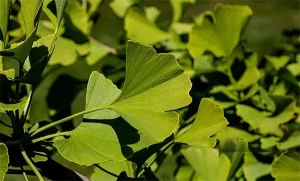
When global pharmaceutical brands, clinical researchers, and contract manufacturers discuss premium Ginkgo biloba extract, the designation EGb 761 stands as the ultimate reference point. Developed as a highly standardized phytotherapeutic agent, EGb 761 is defined by a specific extraction method using a 60% acetone-water solvent mix. This target method ensures a precise fingerprint of active compounds: 22% to 27% Ginkgo flavone glycosides (predominantly quercetin, kaempferol, and isorhamnetin) and 5.4% to 6.6% terpene lactones (composed of 2.8% to 3.4% ginkgolides A, B, and C, and 2.6% to 3.2% bilobalide).
Equally critical is the stringent regulation of toxic impurities. Ginkgo biloba leaves naturally contain ginkgolic acids (alkylphenols), which are known to be cytotoxic, immunotoxic, and mutagenic. The international USP and European Pharmacopoeia (EP) specifications mandate that the concentration of ginkgolic acids must remain below 5 ppm. Advanced global exporters must utilize complex, multi-stage column chromatography and liquid-liquid partition processes to achieve this micro-level purity. For critical applications, modern facilities must drop this target further to below 1 ppm, eliminating allergenic or side-effect risks for consumers.
Information Gain Indicator: Genuine EGb 761 is not a simple dry leaf concentrate; it requires a 50:1 raw material to extract concentration ratio, using proprietary acetone extraction lines that isolate the active terpenoid spectrum while fully stripping toxic alkylphenols. Unicare partners hold the only acetone process Ginkgo extraction line in China compliant with EU-GMP and CEP certifications.
UniCare is a professional supplier of natural active ingredients. Our products are widely used in various fields such as dietary supplement, food, cosmetics and pharmaceuticals. We focus on product development and quality stability, and insist on growing together with our customers around the world.
UniCare has deep cooperation with several excellent Chinese manufacturers who have complete quality management system certifications, including but not limited to GMP, EUGMP, CEP, ISO9001, ISO22000, and HACCP. Each factory has independent testing capabilities and is equipped with advanced and efficient testing equipment to ensure the high quality and long-term stability of each batch of products.



Deepening botanical exploration through advanced phytochemical isolation technologies to unlock nature's potent properties for clinical utility.

Optimizing process engineering parameters constantly. Reducing carbon foot-print while increasing yields of active compounds.

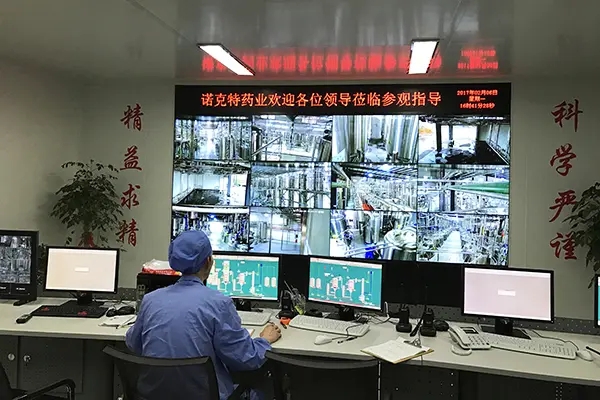
Utilizing high-end chromatography separation columns and computerized DCS systems to enforce rigorous batch uniformity.

Fostering an inclusive, high-safety operational environment while practicing green chemistry to preserve agricultural biodiversity.
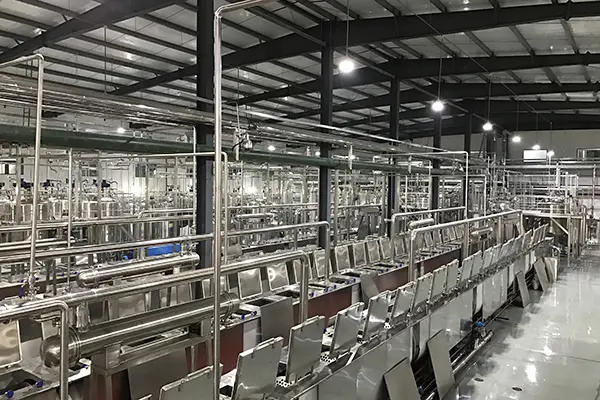
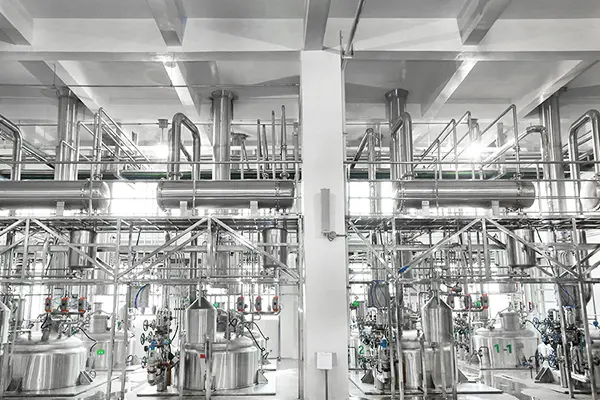
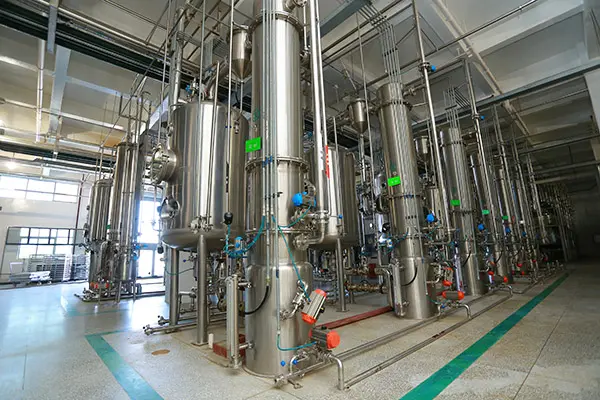
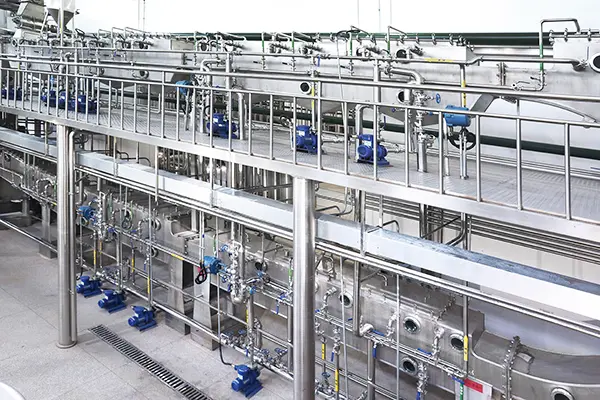
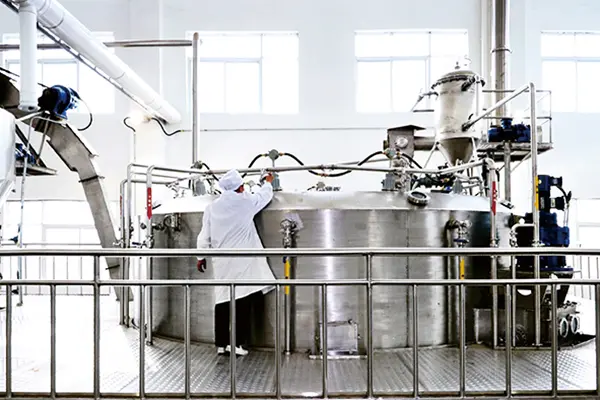
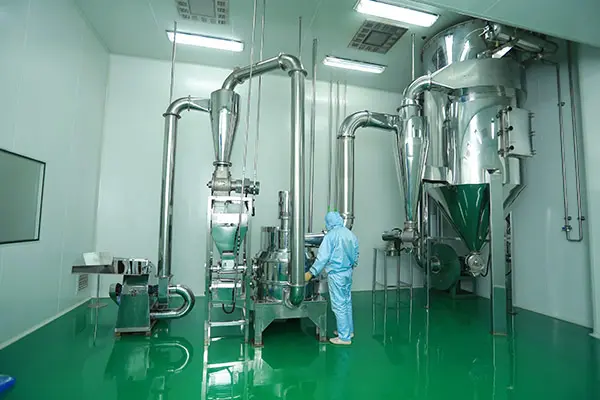
UniCare boasts leading scale manufacturing with high-precision hardware configuration and fully automated systems.
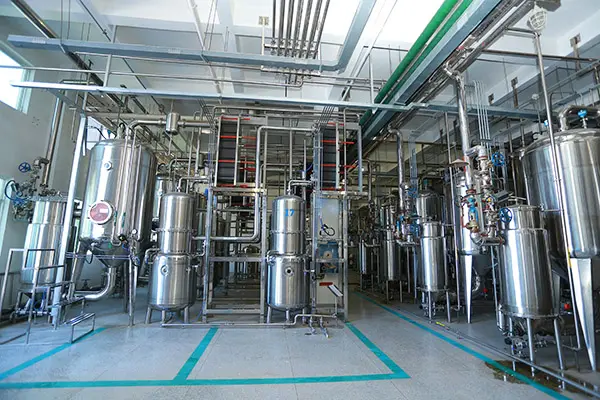
UniCare attaches great importance to the hardware conditions of production equipment and has the largest and most advanced extraction factory in China. The entire production line in UniCare is controlled by a modern, intelligent, automatic control system. Until now, UniCare has built up two GMP workshops, containing six multi-functional extraction lines, among which there is the only production line for Ginkgo Biloba Extract of acetone process in the whole China. Here are several other production lines including fermentation production lines and Chinese medicine pieces. A total of 30,000 tons of various Chinese medicine plant raw materials can be processed each year.

Fully compliant with domestic pharmaceutical standards, assuring rigorous layout, hygiene, and documentation controls.

Ensuring direct access to highly regulated European medicinal formulations. Holds a Certificate of Suitability (CEP) for Ginkgo Biloba Extract.

All extraction production lines adopt modern, intelligent, and automated control systems for precision parameters.

Possesses the most advanced industrial scale botanical extraction and filtration setups available in mainland China.

Enormous capacity ensuring year-round supply stability and cost efficiencies for global supply agreements.

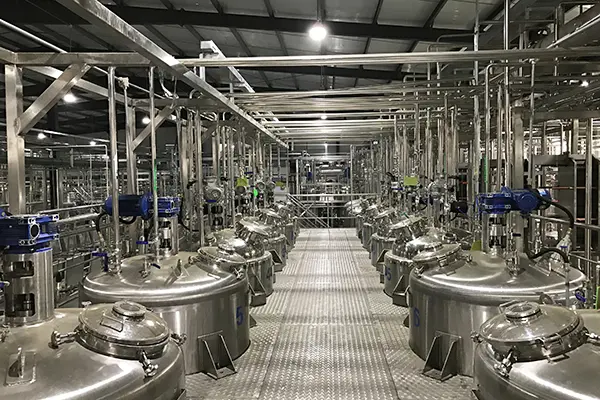
Three annular dynamic countercurrent extraction lines (10t & 15t); two multi-functional lines (32 tanks of 6m³ each); one round countercurrent line (10t).

Owns the only acetone process extraction line for Ginkgo Biloba Extract in China that fully meets EU GMP standards.
Features six dynamic fermentation tanks (20 tons capacity each) for producing enzyme-modified botanical products.
Leading the transition from traditional solvent precipitation to AI-optimized chromatography and enzyme biotechnology.
The manufacturing process of Ginkgo Biloba extract has evolved significantly from the initial academic designs of the 1990s. The traditional acetone-water extraction process successfully separates the desired flavonoids and terpene lactones from high-molecular weight tannins and toxic ginkgolic acids. However, our future technical roadmap integrates green solvents and dynamic membrane filtration. By employing ultrafiltration (UF) and nanofiltration (NF) technologies, we can run aqueous fractionation systems that avoid volatile organic emissions, significantly decreasing energy consumption while improving extract purity.
Furthermore, in joint collaboration with institutions like the Beijing University of Chemical Technology, we are exploring bio-catalytic steps. The use of specific beta-glucosidases and esterases during the pre-extraction incubation stage helps selectively break down complex flavonoids into highly bioavailable aglycones. In terms of future outlook, our research facility targets the industrial scale-up of recombinant cell culture technologies. While leaf harvesting from our GACP plantations remains the primary source, plant tissue culture promises a weather-independent, highly controlled bio-reactor platform for the future production of specific ginkgolides (such as Ginkgolide B) without the presence of ginkgolic acids.
Our commitment to continuous innovation is shown by investing 10% of our annual net profit in research and development. We maintain the highest standards of raw material control by using automated molecular screening of seeds and leaf samples directly in the field, assuring that only high-potency leaves enter the extraction lines.
United New Life/UniCare has established a leading and complete quality control system, and strictly controls the high quality of products in accordance with the quality system.
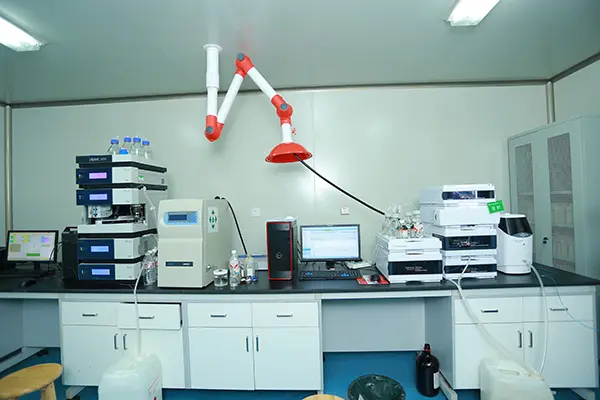
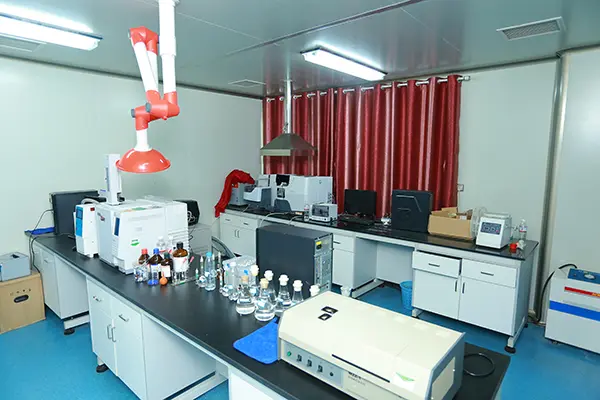
With advanced testing instruments and strict quality control protocols, we guarantee batch stability and regulatory compliance. Detectable items include: Signature component detection (HPLC or UV), solvent residues GC, pesticide residues (organochlorine detection) GC-MS-MS, heavy metals (lead, arsenic, mercury, cadmium, copper) ICP-MS microscopic identification, moisture, dry weight loss, ash, microbial limits, thin layer identification, weighing, conductivity, pH, sulfur dioxide residue, routine detection, etc.
Our Central Laboratory is qualified by CNAS and features high-end analytical equipment, including two UHPLC Agilent 1290 ultra-high performance liquid chromatographs, four HPLC Agilent 1260 sets, two HPLC Shimadzu LC-20AT sets, two HPLC Dionex CU3000, two Shimadzu evaporative light scattering detector 2000ES sets, one Shimadzu GC2010 gas chromatograph, and one Shimadzu AA-7000 atomic absorption system.
| Quality Control Parameter | Testing Methodology & Scope |
|---|---|
| Active Ingredient Analysis | Assay, identification by HPLC, UV, and UHPLC Agilent 1290 |
| Hazardous Substance Analysis | Heavy metals, pesticide residue, solvent residue by GC-MS-MS and ICP-MS |
| Microbe Analysis | Bacterium, Escherichia coli, Yeast & mould, specific microbial tests |
| Raw Material Control | Pesticide residue, allergy origin, GMO, origin trace of raw material |
| Laws & Regulations Confirmation | Investigation and research of laws and regulations of China and other related countries |
| Stability Test | Guarantee the shelf life according to stability study (ICH Guidelines) |
| Others | pH value, moisture, ash, optical rotation, particle size, density, etc. |
| Major Equipment in CNAS Qualified Laboratory | ||
|---|---|---|
| UHPLC, Agilent 1290 (×2) | HPLC, Agilent (×4) | HPLC, Shimadzu LC-20AT (×2) |
| ELSD, Shimadzu 2000ES (×2) | Shimadzu GC-2010 (×1) | Shimadzu AA-7000 (×1) |
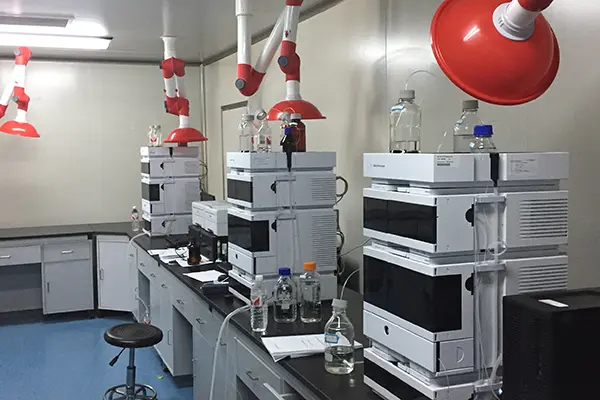
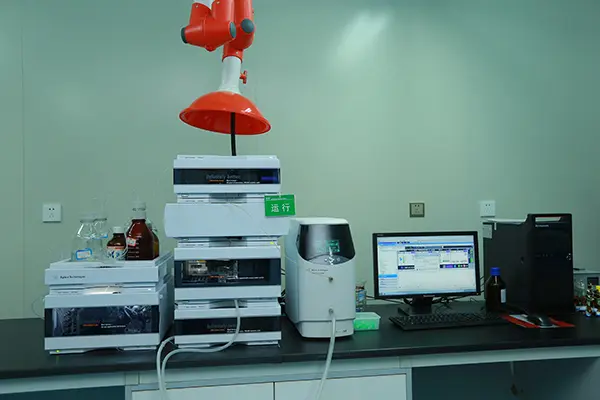
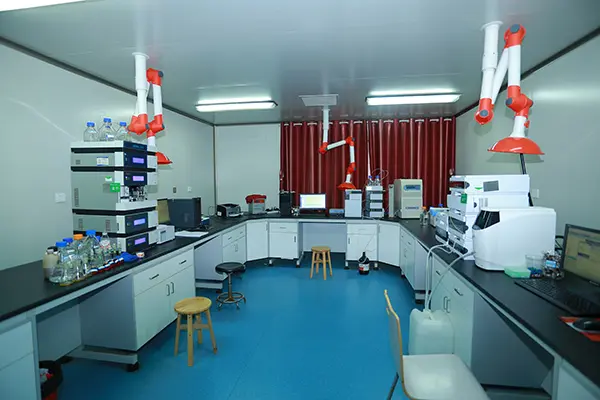
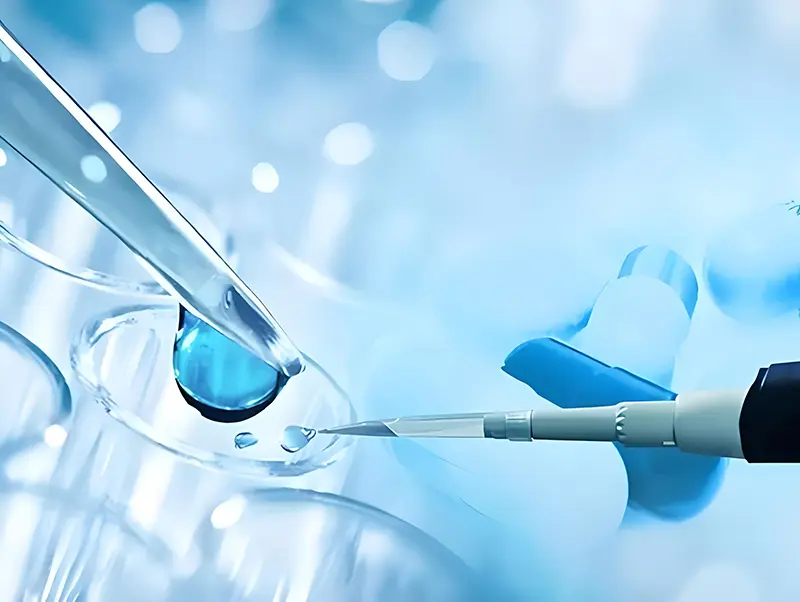
UniCare invests 10% of our annual net profit in research and development. In addition to optimizing and developing the existing natural plant extraction process, we have also established a professional R&D department for natural fermentation products. By increasing investment in natural fermentation products, we try to break through traditional processes and drive industry development.
UniCare has deep cooperation with Beijing University of Chemical Technology in the field of fermentation, jointly developing and transforming new raw materials for pharmaceuticals, cosmetics, and natural health products into mass-produced products.
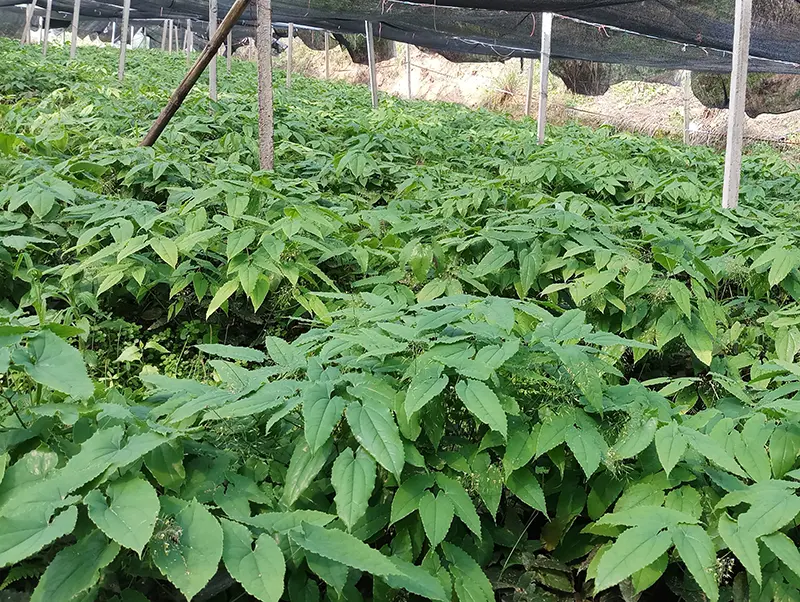
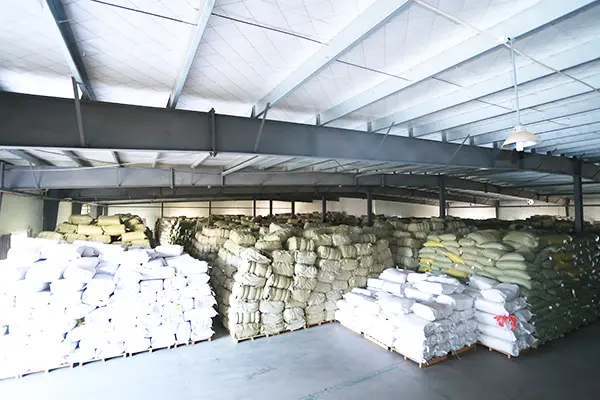
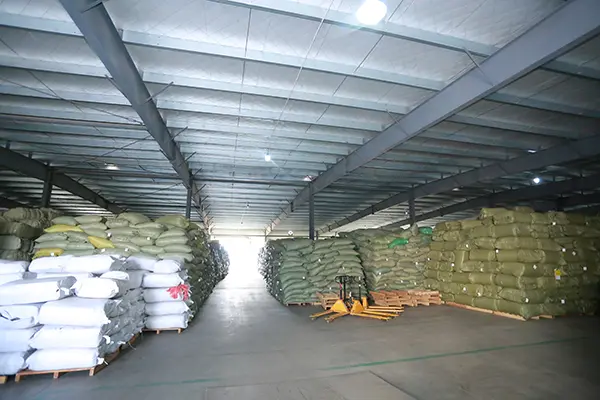
In order to control raw materials more efficiently and with higher quality, a raw material procurement system has been established, which extends procurement to every piece of planting land and can trace the raw materials of each batch of products. The storage of raw materials is operated according to the advanced quality management system process, and the content of active ingredients, moisture, ash, heavy metals, pesticide residues and other items of raw materials are strictly controlled.
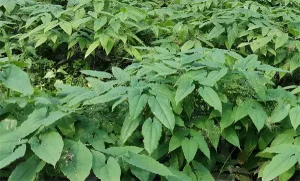
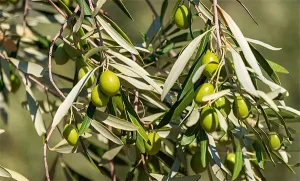
At the same time, in order to further ensure the high quality of important products, UniCare cooperated with planting farmers to establish ginkgo leaf planting bases, epimedium planting bases, phellodendron planting bases, olive leaf planting bases, etc. Some of these bases are planted strictly in accordance with the GACP management model. In addition, we cooperate with seedling research and development companies to develop high-content seedling cultivation, and cultivate better seedlings through hybridization or gene optimization, so as to continuously reduce unit costs to benefit users.
Supporting international dietary supplement, pharmaceutical, and functional food brands with consistent raw material supply.
Global procurement teams in the botanical extract sector face a variety of challenges, including seasonal weather variations affecting active compound levels, strict heavy metal limits across different regions, and complicated import compliance paperwork. For Ginkgo Biloba EGb 761, these requirements are even stricter. Many national regulatory agencies evaluate imports based on the specific extraction solvents used. Standard ethanol extractions often struggle to meet the strict limits for ginkgolic acid impurities required by pharmaceutical-grade formulations. Our specialized acetone extraction line resolves this compliance bottleneck, providing global buyers with a reliable source of EP/USP-compliant material.
Moreover, our business model addresses macro-scale supply chain needs by offering flexible volume options, customized packaging, and long-term price security. For businesses formulating complex blends—such as combining Ginkgo Biloba with ingredients like Milk Thistle, Resveratrol, or Quercetin—we provide consolidated sourcing. This integrated approach reduces testing costs and simplifies vendor management by utilizing our centralized CNAS-accredited quality assurance systems.
Overcoming regulatory barriers in international markets through proactive documentation support and localized service logistics.
Entering international health product markets requires careful navigation of complex national regulations. Whether dealing with US FDA dietary supplement requirements, EU EFSA Novel Food regulations, or East Asian botanical import rules, comprehensive documentation is essential. UniCare supports global partners by providing complete regulatory dossiers, including stability data, pesticide screening reports, allergen declarations, and non-GMO certifications. Our facilities conform to international quality systems, providing Kosher, Halal, ISO22000, and HACCP certifications.
To support buyers across different time zones, we offer localized documentation support, fast sample dispatch, and active communication. By handling shipping logistics, customs paperwork, and third-party laboratory verification (such as SGS or Eurofins validation) prior to export, we ensure our shipments arrive at your warehouse ready for production.
Technical and commercial answers for pharmaceutical buyers and sourcing managers.
EGb 761 is a highly standardized phytotherapeutic extract defined by its specific extraction method (60% acetone-water solvent ratio). It features a precise profile of 22-27% ginkgo flavone glycosides and 5.4-6.6% terpene lactones, with toxic ginkgolic acids reduced to under 5 ppm. Standard extracts often use simple ethanol solvents, which may not isolate the active compound profile as effectively or reduce toxic compounds to these low levels.
The acetone-water extraction process allows for the selective separation of the active terpenoid molecules while precipitating undesirable, heavy tannins. Crucially, it leaves lipophilic alkylphenols (ginkgolic acids) in a soluble phase that can be cleanly separated out, achieving the low ppm levels required for compliance.
Our CNAS-qualified laboratory tests every raw batch using ICP-MS for heavy metals (Lead, Arsenic, Cadmium, Mercury) and GC-MS-MS for multi-class pesticide residues. These tests ensure compliance with both USP <561> and European Pharmacopoeia (EP) standards.
Yes, we offer physical modifications including milling, micronization, and dry granulation. This allows us to adjust bulk density, tap density, and particle size distribution to meet your formulation needs for tablets, hard capsules, or instant powder mixes.
Explore our full line of botanical solutions, processed in GMP-certified facilities for international markets.