Explore our high-quality raw materials formulated for longevity, cellular energy, and anti-aging applications worldwide.
Pyrroloquinoline Quinone (PQQ), a novel vitamin-like compound and redox cofactor, is gaining clinical recognition for its role in cellular rejuvenation, specifically in maternal egg quality (oocytes). As women age, mitochondrial performance in egg cells degrades significantly, resulting in lowered ATP production, increased oxidative stress, and a higher risk of chromosomal abnormalities (aneuploidy) during cell division.
Mitochondrial density in oocytes is the highest of any cell in the human body. Unlike standard antioxidants, PQQ does not merely neutralize reactive oxygen species (ROS); it stimulates **mitochondrial biogenesis**—the creation of new mitochondria within cells. By activating key transcription factors (PGC-1α, Nrf2, and CREB), PQQ supports oocyte maturation and cellular energy reserves. This scientific breakthrough makes PQQ an essential component for reproductive supplements, IVF preparatory regimens, and longevity formulations.


UniCare is a professional supplier and exporter of natural active ingredients. Our products are widely used in various fields such as dietary supplements, foods, cosmetics, and pharmaceuticals. We focus on product development and quality stability, insisting on growing together with our customers around the world.
UniCare maintains deep cooperation with several excellent Chinese manufacturers who hold complete quality management system certifications, including but not limited to GMP, EUGMP, CEP, ISO9001, ISO22000, and HACCP. Each factory has independent testing capabilities equipped with advanced and efficient testing equipment to ensure the high quality and long-term stability of each batch of products.
Discovering and creating the new values of herbs to benefit human well-being and health longevity.
Continuous innovation and improvement across extraction processes and biotechnological synthesis pathways.
Deploying state-of-the-art technological infrastructures to manufacture the highest-grade plant extracts.
Fostering a supportive work culture that benefits employees and gives back to the local communities we serve.
UniCare places strategic importance on the physical and hardware specifications of our production machinery. We operate the largest and most technologically advanced extraction facilities in China. The entire operational cycle is run by a centralized, modern, and automated control system.
Our extraction facilities have passed the stringent domestic China GMP inspections for pharmaceutical-grade active ingredients.
Our Ginkgo Biloba Extract line has secured EU-GMP and CEP certifications, highlighting our adherence to European regulatory demands.
All production lines utilize intelligent, real-time automated monitoring to ensure batch consistency and minimize risk of human error.
Capable of processing 30,000 tons of Chinese medicinal and botanical raw materials annually across multi-functional lines.
Six specialized production lines, including three annular dynamic countercurrent systems (10-15 tons) and two multi-functional systems.
Six 20-ton fermentation tanks engineered for microbial synthesis and enzyme-modified raw materials (ideal for advanced bio-active PQQ synthesis).
The global demand for reproductive health ingredients has shifted dramatically from general multi-vitamins to target cellular bioenergetics. PQQ is positioned at the intersection of longevity science and fertility. Major consumer markets in North America, Western Europe, and East Asia are experiencing a sharp increase in maternal age, which drives the demand for premium PQQ supplements in IVF clinics and fertility centers.
As clinical trials validate the synergy between PQQ and Coenzyme Q10 (CoQ10) for improving oocyte quality, supplement brands require highly stable, bioavailable, and contaminant-free raw PQQ materials. By implementing strict quality controls and utilizing clean biotech fermentation, UniCare delivers PQQ that meets strict international limits for heavy metals and solvent residues, giving our partners a competitive advantage in global retail markets.
| Target Region | Primary Market Channel | Primary Formulations & Synergies | Compliance Standards |
|---|---|---|---|
| North America | Fertility Clinics, E-commerce, Premium Wellness Shops | PQQ + CoQ10, PQQ + Resveratrol + Folate | FDA GRAS, USP Standards, Non-GMO Project Verified |
| Europe | Pharmacies, Medical Spas, Integrative Clinics | PQQ + Acetyl-L-Carnitine, PQQ + Alpha Lipoic Acid | EFSA Novel Food Registration, EU-GMP |
| Asia-Pacific | Cross-Border E-commerce, Maternal Retail Chains | PQQ + Ginsenosides, PQQ + Astaxanthin | CFDA/SAMR Blue Hat Registry, Local GMP Certs |
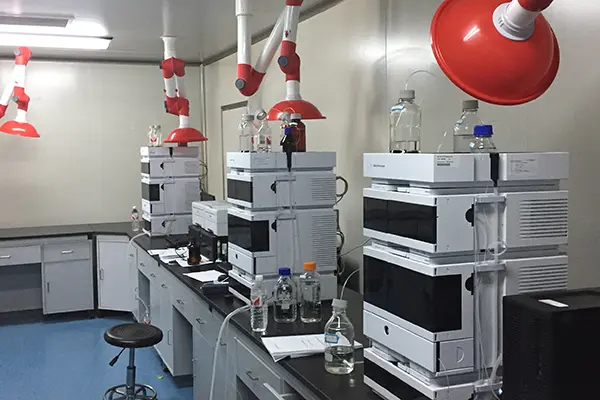
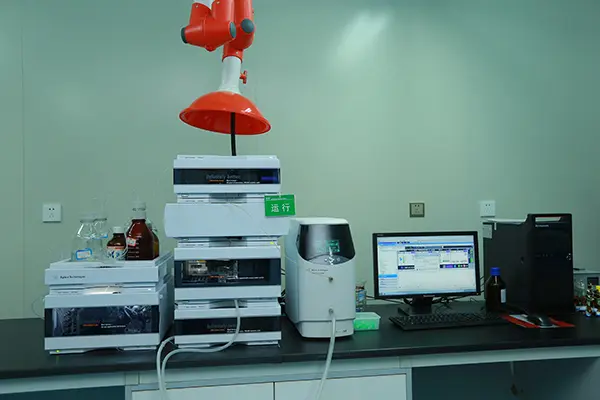
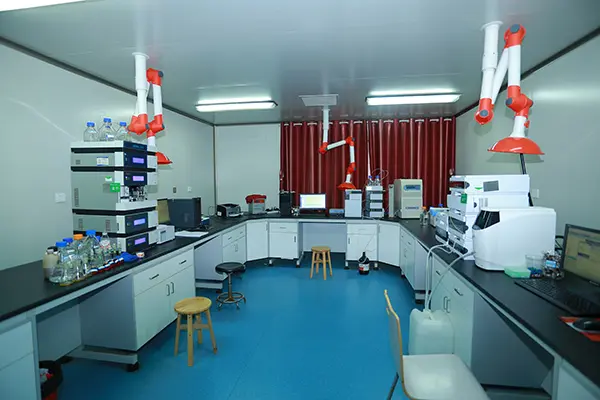
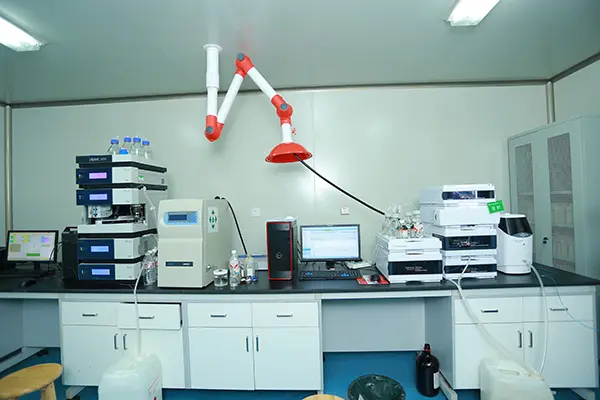
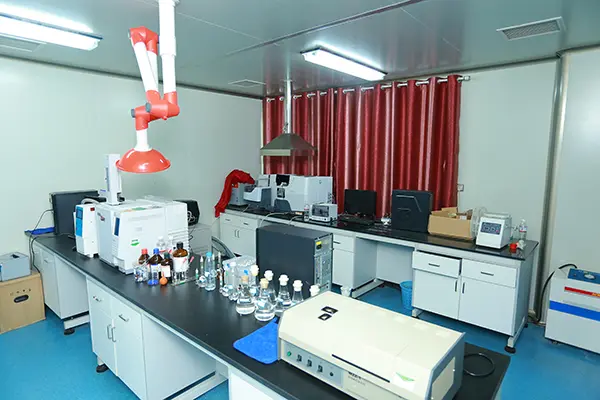
UniCare has established a comprehensive quality control system, and strictly monitors product safety and purity in accordance with international standards. Our laboratories are equipped with analytical testing instrumentation to guarantee high quality and low heavy metal levels.
| Analytical Target Category | Testing Methods & Parameters Checked |
|---|---|
| Active Ingredient Analysis | Assay testing, microscopic and chemical identification via HPLC, UHPLC, or UV. |
| Hazardous Substances | Heavy metals (lead, arsenic, mercury, cadmium, copper), pesticide residues via GC-MS-MS, solvent residues via GC. |
| Microbe Analysis | Total plate count, Escherichia coli, Yeast & Mold, and pathogens. |
| Raw Material Traceability | Allergy origins, GMO verification, GACP agricultural controls. |
| Physical Testing | pH value, moisture, ash, optical rotation, bulk/tapped density, particle size distribution. |
Our central laboratory is CNAS-accredited and houses high-performance analytical equipment, including:
Two UHPLC Agilent 1290 systems, four HPLC Agilent 1260 systems, and two HPLC Shimadzu LC-20AT systems for high-resolution assays.
ICP-MS systems for heavy metals detection, one Shimadzu GC-2010 gas chromatograph, and one Shimadzu AA-7000 atomic absorption spectrometer.
Two Shimadzu Evaporative Light Scattering Detectors (ELSD 2000ES) and dynamic testing for physical property characterization.
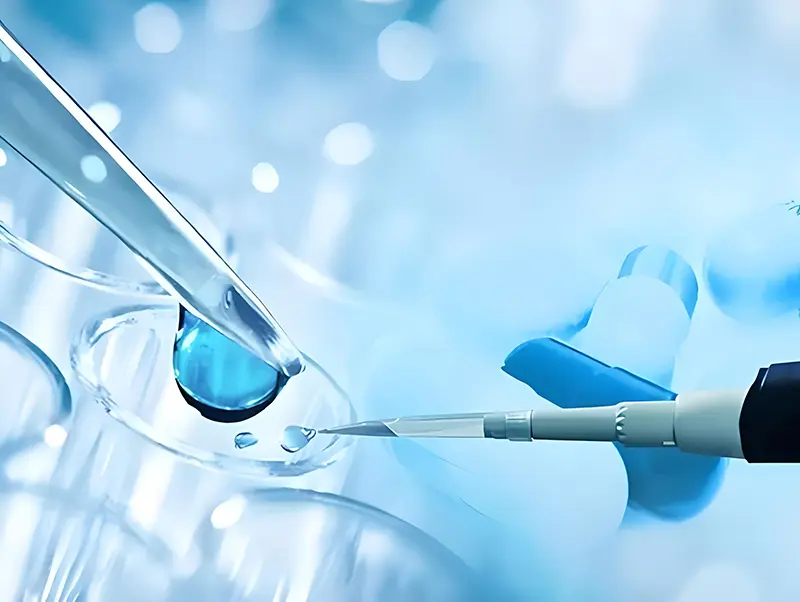
UniCare reinvests 10% of our annual net profit directly back into research and development. To expand beyond traditional plant extraction techniques, we created a specialized department focused on natural fermentation.
Our long-term academic partnership with the Beijing University of Chemical Technology in the field of fermentation biotechnology allows us to research, optimize, and scale new bioactive materials from bench top development to mass industrial scale.
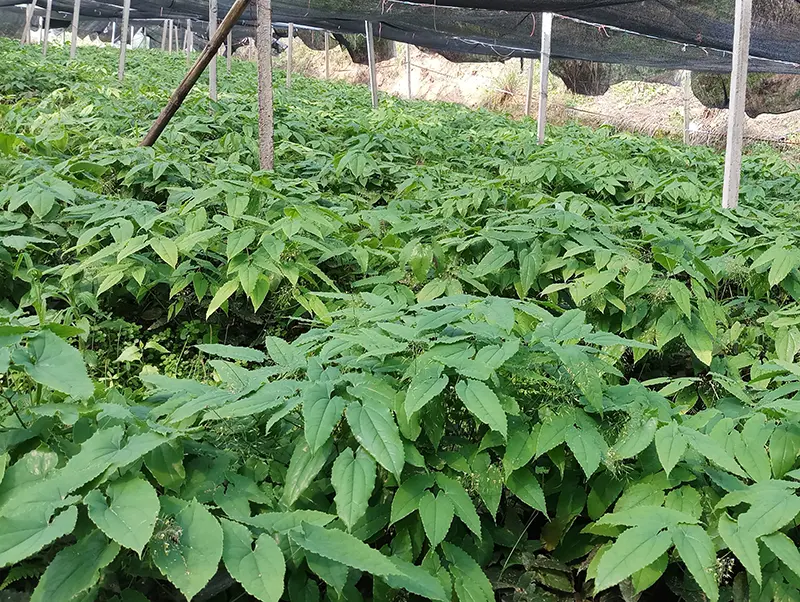
We monitor quality beginning at the farm level. Our raw material procurement system tracks every batch of raw material back to the specific plot of land where it was grown.
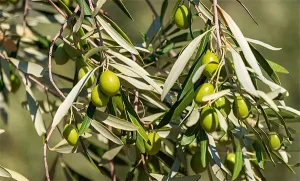
UniCare collaborates directly with local farming collectives to establish dedicated plant bases for Ginkgo Leaf, Epimedium, Phellodendron, and Olive Leaf. These bases operate under the strict GACP (Good Agricultural and Collection Practices) framework to ensure minimal heavy metal uptake and limit chemical pesticide use.
For supplement brands, fertility clinics, and contract manufacturers, selecting the correct chemical state and delivery format of PQQ is critical for product efficacy and stability. We recommend several key formulation approaches to maximize efficacy for reproductive health:
PQQ is highly reactive in liquid formulations due to its redox properties. We recommend our spray-dried PQQ Disodium Salt powder with micro-encapsulated lipid coatings to prevent premature oxidation when blended with highly reactive minerals (like copper or iron) in prenatal multivitamin formulas.
Clinical data suggests a strong synergy between PQQ and Coenzyme Q10. Formulating them at a ratio of 10:1 (e.g., 200mg CoQ10 to 20mg PQQ) creates a dual-action pathway that supports mitochondrial ATP synthesis while helping protect the outer oocyte membrane from lipid peroxidation.
To protect PQQ from degradation by stomach acids and support absorption in the upper intestine, developers should consider using enteric-coated capsules or targeted-release tablets.
Expand your product formulations with our diverse selection of traceable, bioactive herbal extracts.