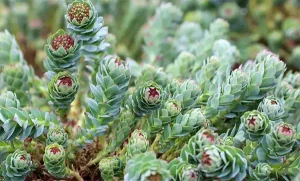
In the global market for adaptogens, Rhodiola Rosea SHR-5 stands as the ultimate gold standard of efficacy and clinical validation. Originally researched and popularized by the Swedish Herbal Institute, the SHR-5 designation refers to a specific standardized ratio profile of bioactive compounds, notably Rosavins (Rosavin, Rosin, and Rosarin) and Salidroside, extracted specifically from the roots of genuine Rhodiola rosea L.
For B2B procurement managers and R&D teams working in the dietary supplement, functional food, and phytopharmaceutical sectors, locating a qualified, certified supplier capable of consistently matching this exact phytochemical fingerprint is crucial. With the rising global incidence of burnout, stress, and cognitive fatigue, premium adaptogenic formulas rely heavily on standardized raw materials to substantiate clinical label claims.
However, the global market faces intense adulteration challenges, with lower-quality species such as Rhodiola crenulata (which contains only Salidroside but lacks the critical Rosavins) frequently mislabeled as genuine Rhodiola rosea. Working with a verified supplier like UniCare ensures full species verification, authentic chromatographic fingerprinting, and dynamic supply chain transparency.

Sourcing raw botanicals from unpredictable high-altitude environments can lead to massive batch-to-batch variations. UniCare resolves this by applying advanced industrial chromatography and controlled extraction protocols to ensure steady rosavin and salidroside ratios matching SHR-5 standards.
Due to environmental over-harvesting, wild Rhodiola rosea has faced heavy global regulations. Our cultivation partners operate strictly under GACP (Good Agricultural and Collection Practices) frameworks, guaranteeing fully legal, CITES-compliant international shipping documentation.
Preventing cross-contamination of botanical species is vital for pharmaceutical applications. Through complete DNA barcoding and advanced HPTLC fingerprinting verification, UniCare guarantees 100% species authentication for every shipment of Rhodiola extract.

UniCare has established deep strategic cooperation with several of China's most advanced, certified GMP facilities. We bridge the gap between Chinese industrial cultivation zones and the highly scrutinized compliance requirements of Western markets (FDA, EMA, TGA).
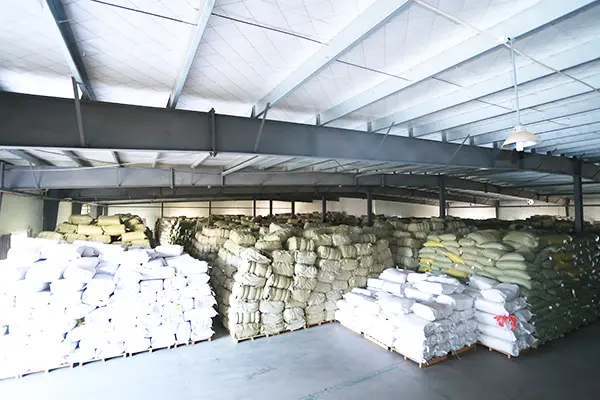
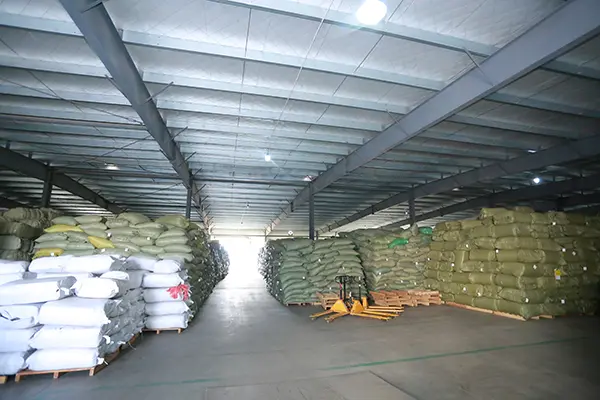
Our raw material procurement system reaches directly to individual verified agricultural fields, offering clients a fully traceable supply chain. Storage and processing operations follow strict automated quality management processes, ensuring that moisture levels, ash content, heavy metals, and pesticide residues remain far below national and international maximum residue limits (MRLs).
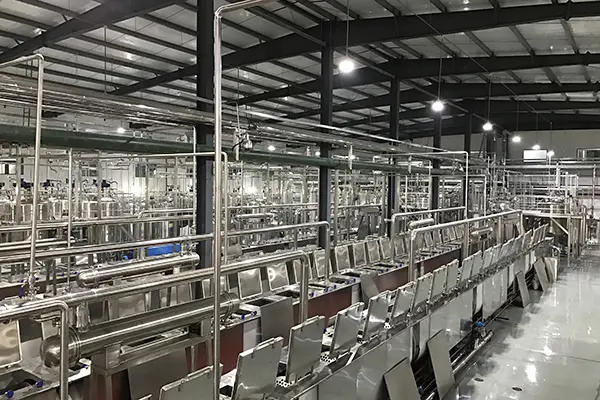
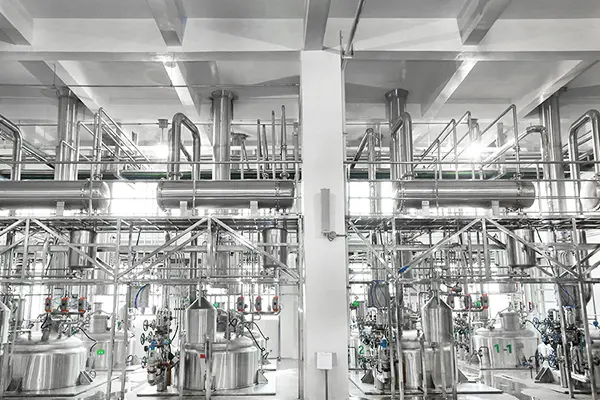
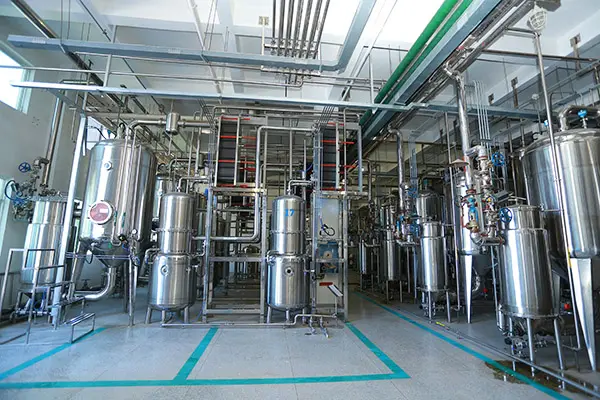
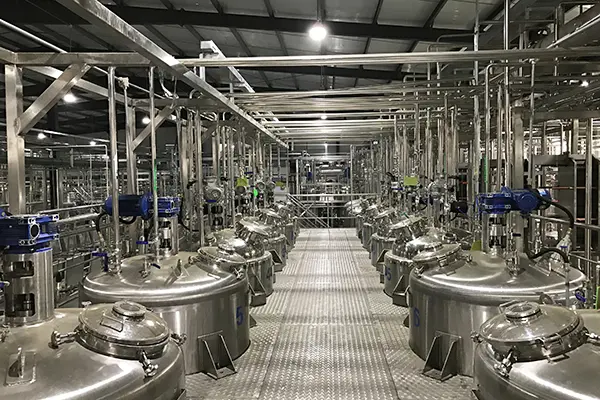
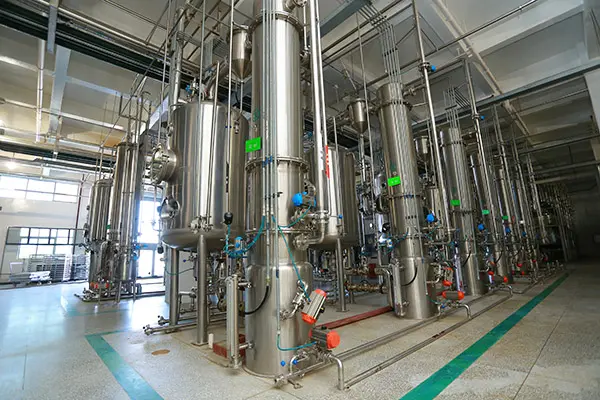
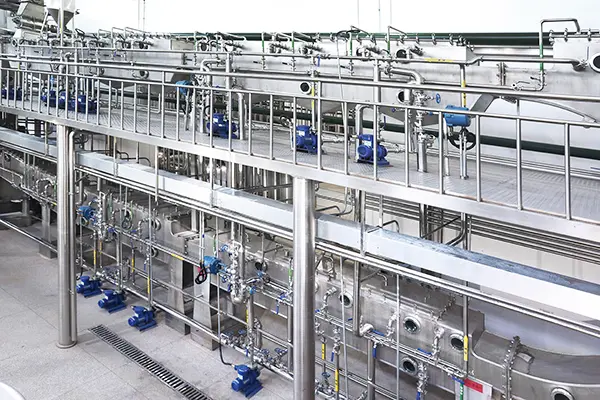
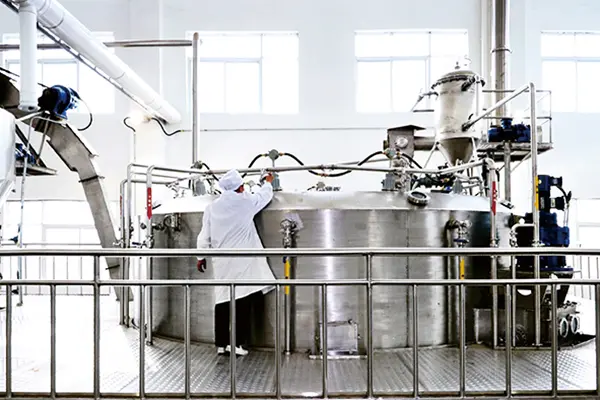
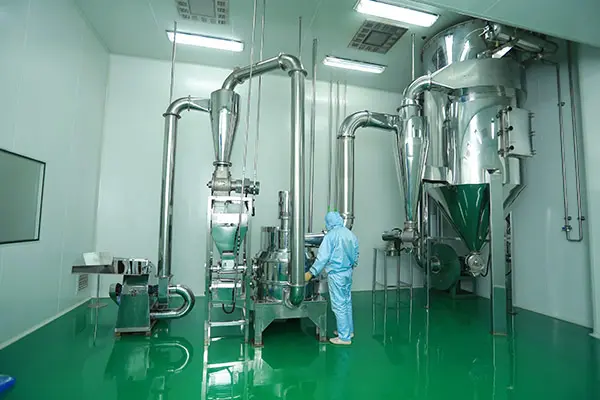
UniCare provides unparalleled hardware excellence through partnerships with the most advanced extraction facilities in China. High-level automation and continuous improvement form the core of our manufacturing philosophy.
All production operations follow strict China GMP guidelines, maintaining ultra-clean processing areas for absolute purity.
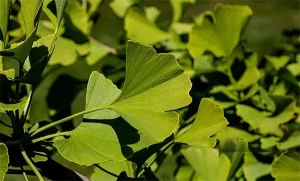
Our partner's facility processes Ginkgo Biloba Extract using an EU-GMP compliant acetone process, demonstrating our high compliance standard.
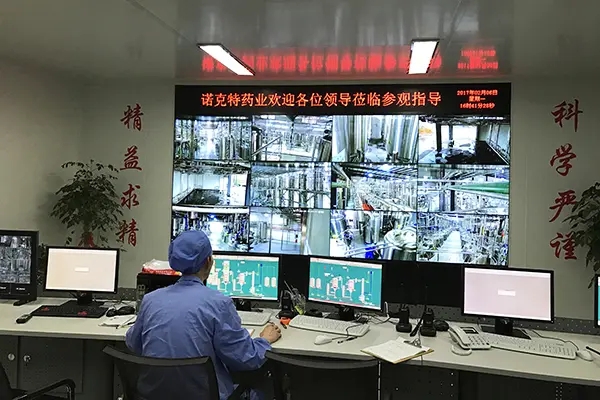
Modern, real-time DCS (Distributed Control Systems) manage temperatures, flow rates, and pressures across all extraction lines.
Equipped with six advanced extraction lines capable of processing up to 30,000 tons of crude botanical raw materials annually.
Our extraction capacities consist of:
These industrial configurations allow UniCare to scale production smoothly from clinical pilot studies up to multi-ton commercial deliveries, supporting major global supplement brands without supply disruptions.

Unlocking hidden potentials of phytochemicals through clinical research and molecular isolation.

Constantly refining physical extraction methods and enzymological techniques to lower production costs.

Utilizing top-tier chromatography and clean engineering to exceed global quality standards.

Working directly with local farmers under fair-trade principles and supporting green agriculture.
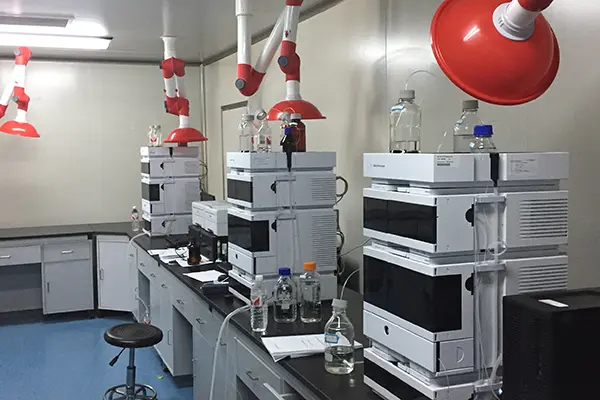
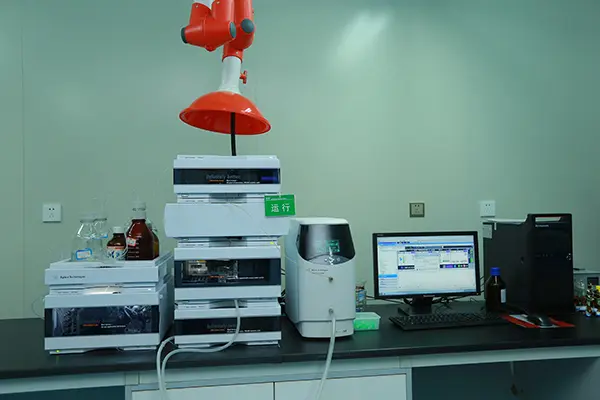
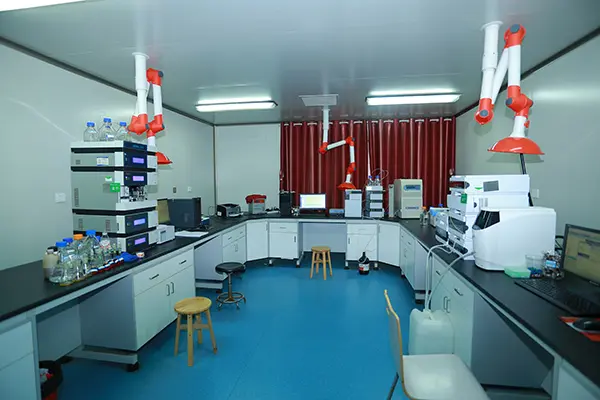
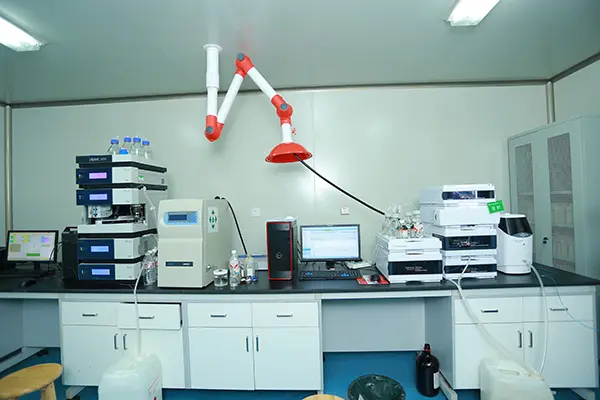
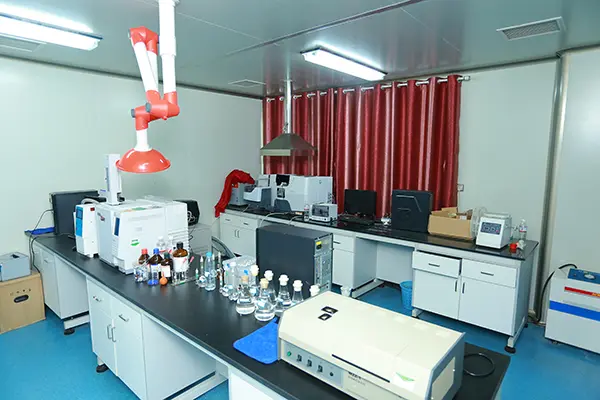
United New Life (UniCare) has established a highly advanced testing laboratory to verify every batch of active botanicals. Our partners maintain a strict, comprehensive quality system, ensuring all raw materials conform to global standards.
| Quality Control Parameter | Analytical Protocols & Target Thresholds |
|---|---|
| Active Ingredient Assay | HPLC/UV validation of Rosavins (≥3%) and Salidroside (≥1%) matching original SHR-5 chromatographic fingerprints. |
| Hazardous Contaminants | Heavy metal determination by ICP-MS (Lead, Arsenic, Cadmium, Mercury). Multi-residue pesticide screens using GC-MS-MS. |
| Microbiological Profiling | Total yeast/mold counts, E. Coli, Salmonella, and specific pathogens, adhering to USP/EP pharmacopoeia criteria. |
| Solvent Residue Profiles | Gas chromatography (GC) to ensure residual ethanol or extraction solvents are well within ICH guidelines. |
| Raw Material Origin Verification | Thin-layer chromatography (TLC) identification and botanical origin mapping to prevent species substitution. |
| Stability Validation | Real-time and accelerated stability studies in humidity/temperature-controlled chambers to verify shelf-life. |
To eliminate uncertainties in botanical sourcing, our central lab is equipped with analytical instruments from world-renowned brands:
UniCare invests 10% of annual net profits into research and development. Beyond traditional physical solvent extraction, we have built a specialized R&D team focused on natural microbial fermentation. By scaling up modern biotransformation platforms, we aim to overcome traditional extraction yields and environmental limits.
We work in close cooperation with the Beijing University of Chemical Technology in the field of fermentation, co-developing new botanical compounds for medical, cosmetic, and nutritional products from lab scale to commercial production.
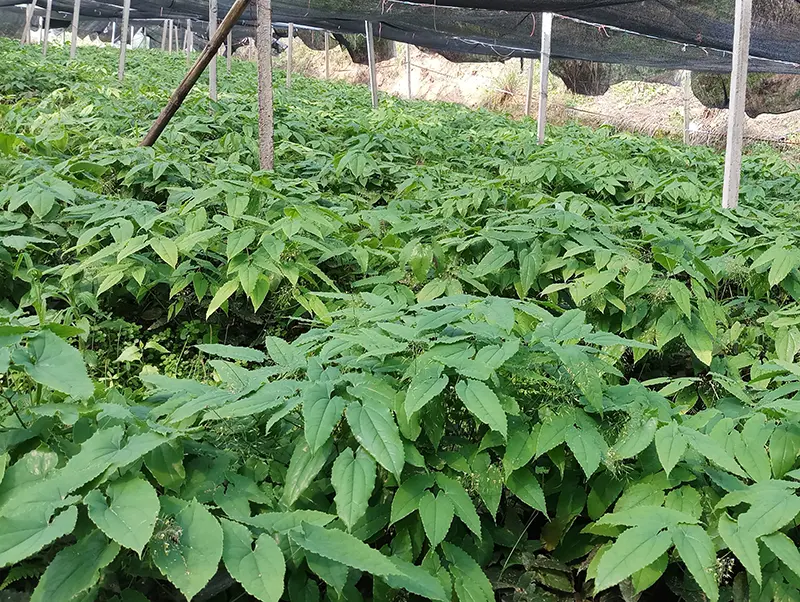
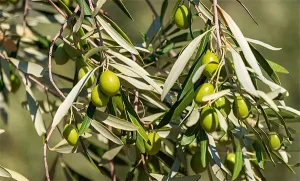
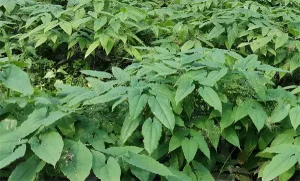
Furthermore, to manage raw material risks, we have established dedicated agricultural alliances. These include ginkgo leaf planting bases, epimedium planting bases, phellodendron planting bases, and olive leaf planting bases. Many of these regions operate strictly under GACP frameworks. By collaborating with agricultural research groups on high-potency seedling breeding, we continue to lower production costs for our global customers.