Analyzing the macro-economic and biochemical revolution of replacing synthetic salicylic acid with plant-derived, sustainable Beta-Hydroxy Acid (BHA) alternatives in clean beauty, personal care, and pharmaceutical formulations.
Globally, cosmetic chemists and product formulators are migrating away from petrochemical derivatives. Synthetic salicylic acid, though low-cost, is derived from phenol through the Kolbe-Schmitt reaction—a process heavily reliant on fossil fuels and demanding stringent purification to eliminate residual benzene and phenol byproducts. In contrast, natural salicylic acid derived from White Willow Bark (Salix alba) or Meadowsweet offers a clean-label alternative that aligns with ECOCERT, COSMOS, and NPA (Natural Products Association) requirements.
For high-tier global brands, this transition represents more than a marketing advantage. The phytocomplex inherent in natural plant extracts contains salicin, polyphenols, and flavonoids, which work synergistically to deliver potent anti-inflammatory, keratolytic, and antimicrobial properties with a dramatically reduced skin irritation index compared to its synthetic counterpart.
Industrial scale sourcing of high-purity natural salicylates poses logistical and biochemical challenges. The global market requires B2B partners who can guarantee:
Bridging the gap between agricultural raw materials and high-performance industrial applications through advanced bio-extraction technology.
UniCare is a professional supplier of natural active ingredients. Our products are widely used in various fields such as dietary supplement, food, cosmetics and pharmaceuticals. We focus on product development and quality stability, and insist on growing together with our customers around the world.
UniCare has deep cooperation with several excellent Chinese manufacturers who have complete quality management system certifications, including but not limited to GMP, EUGMP, CEP, ISO9001, ISO22000, and HACCP. Each factory has independent testing capabilities and is equipped with advanced and efficient testing equipment to ensure the high quality and long-term stability of each batch of products.


Our company philosophy rests on four pillars: Discover and create the new value of herb, commit to continuous innovation and improvement, employ the most advanced technology to produce the highest quality products, and strive to make our employees happy and give back to the community.
Operating the most advanced intelligent extraction facility in China to deliver pharmaceutical-grade botanical derivatives.
UniCare attaches great importance to the hardware conditions of production equipment and has the largest and most advanced extraction factory in China. The entire production line in UniCare is controlled by a modern, intelligent, automatic control system. Until now, UniCare has built up two GMP workshops, containing six multi-functional extraction lines, among which there is the only production line for Ginkgo Biloba Extract of acetone process in the whole China. Here are several other production lines including fermentation production lines and Chinese medicine pieces. A total of 30,000 tons of various Chinese medicine plant raw materials can be processed each year.

All production areas, HVAC systems, and purified water lines strictly adhere to national and international GMP requirements, guaranteeing zero cross-contamination.

Our Ginkgo Biloba Extract line has been CEP certified, marking it out as a gold standard in high-purity natural medicine manufacturing.

DCS-controlled automated extraction monitors critical flow rates, temperature profiles, and solvent ratios in real-time, yielding maximum Batch-to-Batch consistency.

Equipped with three annular dynamic countercurrent extraction lines (10T & 15T options) and two multi-functional extraction lines (32 high-capacity tanks).

We operate the only acetone process extraction line for Ginkgo Biloba in China that meets European Pharmacopoeia (EP) compliance parameters.
Featuring six 20-ton fermentation tanks utilized for the biocatalytic synthesis and enzyme-modification of high-value natural plant compounds.
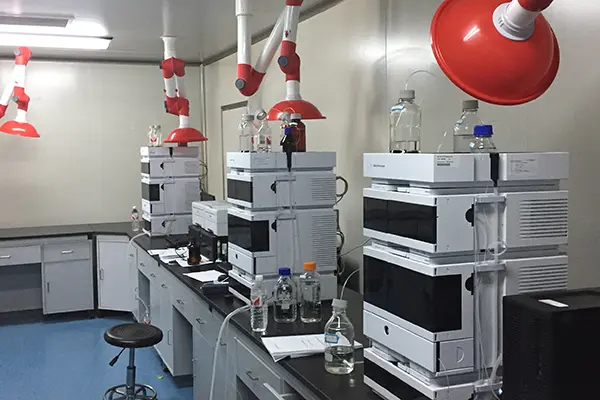
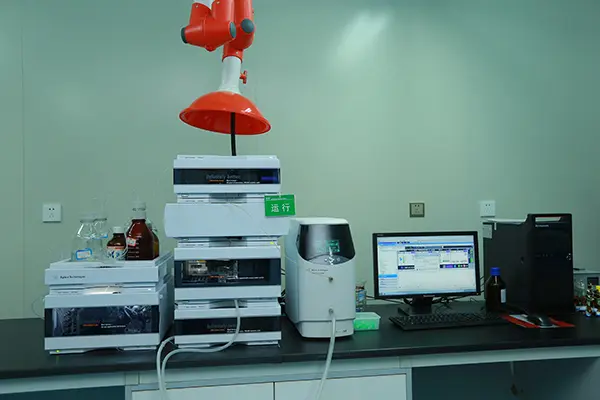
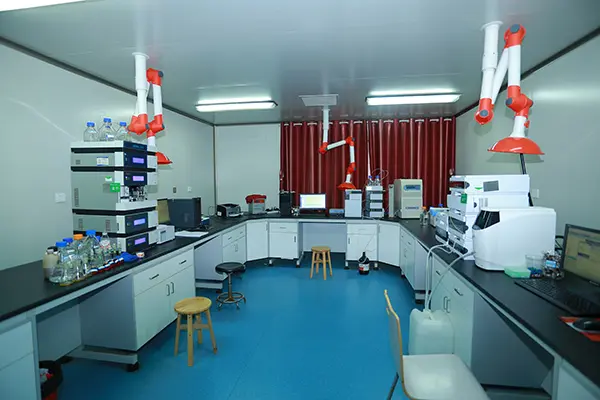
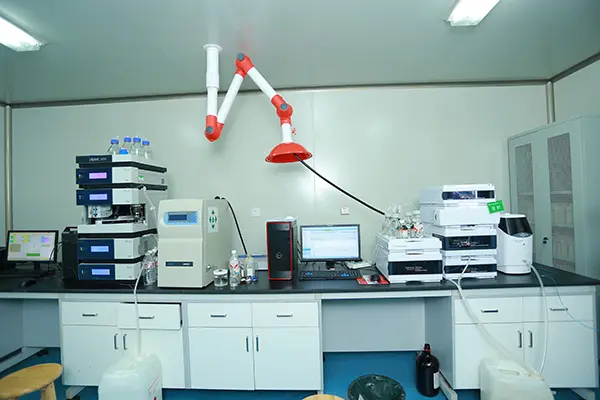
Every batch undergoes exhaustive testing for purity, identity, solvent residuals, and microbiological markers using global standard analytical machinery.
Our state-of-the-art laboratory runs independent screening protocols utilizing the following instrumentation assets: two UHPLC Agilent 1290 ultra-high performance liquid chromatographs, four HPLC Agilent 1260 liquid chromatography sets, two HPLC Shimadzu LC-20AT units, two HPLC Dionex CU3000, two Shimadzu evaporative light scattering detectors (ELSD 2000ES), one Shimadzu GC2010 gas chromatograph, and one Shimadzu AA-7000 atomic absorption spectrophotometer. This allows absolute precision in detecting heavy metals, trace pesticide residues, and active component ratios.
| Instrument Class | Make & Model | Quantity Available | Analytical Application |
|---|---|---|---|
| Ultra-High Performance Liquid Chromatography (UHPLC) | Agilent 1290 | 2 Units | Active ingredient signature profiling, rapid separation validation |
| High Performance Liquid Chromatography (HPLC) | Agilent 1260 / Shimadzu LC-20AT / Dionex CU3000 | 8 Units Total | Quantitative assays, raw material purity screening, chemical marker mapping |
| Gas Chromatography (GC / GC-MS) | Shimadzu GC-2010 | 1 Unit | Solvent residue profiling, residual pesticide detection, volatile compound identification |
| Atomic Absorption Spectrophotometry (AAS) | Shimadzu AA-7000 | 1 Unit | Quantitative heavy metal identification (Lead, Cadmium, Arsenic, Mercury) |
| Evaporative Light Scattering Detector (ELSD) | Shimadzu 2000ES | 2 Units | Detection of non-chromophoric components (lipids, carbohydrates, saponins) |
| Quality Analysis Category | Key Testing Parameters | Analytical Methodology Used |
|---|---|---|
| Active Ingredient Analysis | Assay, Identification of Active Botanical Markers (e.g., Salicin content, Resveratrol purity) | HPLC, UHPLC, UV-Vis Spectrophotometry, Thin Layer Chromatography (TLC) |
| Hazardous Substance Analysis | Heavy metals (Pb, As, Hg, Cd, Cu), organochlorine pesticide residues, residual process solvents | ICP-MS, GC-MS-MS, Atomic Absorption (AAS) |
| Microbiological Analysis | Total viable aerobic count, Yeast & Mould, Escherichia coli, Salmonella, specific pathogens | Microbial cultivation plating, selective media identification, PCR validation |
| Raw Material Control | GMO presence validation, allergen profiling, geographical source traceability validation | DNA barcoding, GACP procurement verification documentation |
| Physical & Chemical Properties | pH value, moisture content, loss on drying, ash content, optical rotation, bulk density, mesh particle size | USP/EP pharmacopoeia methods, moisture analyzers, densitometers, polarimeters |
| Stability & Regulatory Verification | Accelerated shelf-life verification, zone stability profile tracking | Climate chamber exposure testing (humidity & heat stress testing) |
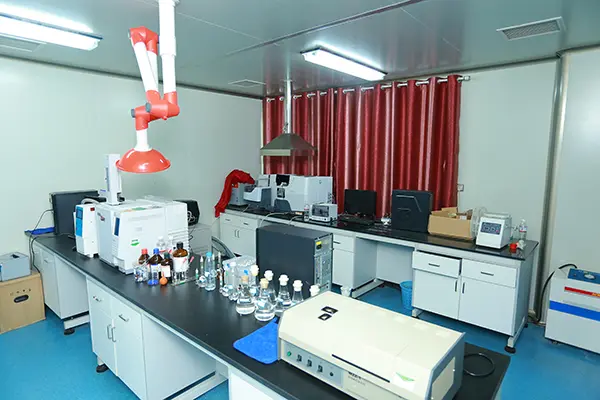
From selective hybridization of high-yield crops to state-of-the-art biotransformation collaborations with prestigious academic entities.

UniCare invests 10% of our annual net profit back into research and development. In addition to optimizing and developing the existing natural plant extraction process, we have established a professional R&D department for natural fermentation products. By increasing investment in natural fermentation products, we try to break through the traditional processes and disrupt industry development.
We maintain a deep, strategic cooperation with the Beijing University of Chemical Technology in the field of fermentation. This collaboration accelerates the transfer of laboratory scale biological synthesis pathways into industrial-level bulk production, serving the international cosmetics, pharmaceutical, and dietary supplement markets.
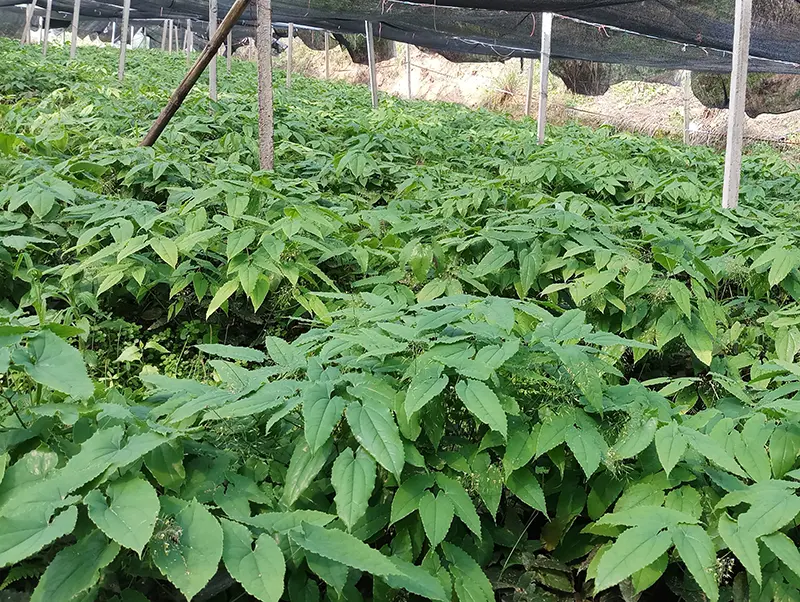
We trace every extraction batch back to its agricultural origin. In order to manage raw materials efficiently, a raw material procurement system has been established, extending traceability down to the specific planting plots. Raw material storage and aging are managed under rigorous humidity, temperature, and ventilation control parameters.
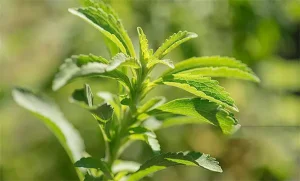
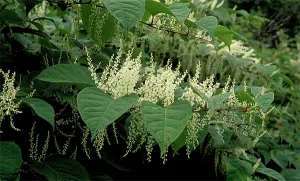
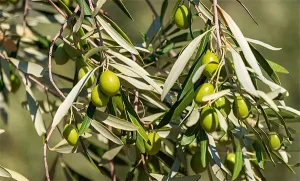
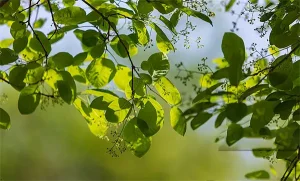
To secure raw material quality and price stability, UniCare collaborates directly with agricultural cooperatives to establish ginkgo leaf planting bases, epimedium planting bases, phellodendron planting bases, and olive leaf planting bases. Many of these bases operate under the strict GACP (Good Agricultural and Collection Practice) management model. We also partner with botanical research firms to develop high-potency cultivars, minimizing yield variance and lowering downstream unit costs.
Comparing the green chemistry pathway of plant-based salicin extraction with petrochemical synthesis.
Bark is harvested selectively from Salix alba during the spring, when sap flow increases salicin content. Bark stripping is timed to prevent physiological damage to the tree, supporting continuous environmental regeneration.
Using our multi-functional dynamic countercurrent extraction lines, we process the bark using a non-toxic mixture of food-grade ethanol and water. This avoids toxic aromatic hydrocarbon solvents completely.
Crude salicin undergoes a proprietary enzymatically-assisted hydrolysis process that mimics the skin's microflora, converting the glycoside complex into stable, bio-available free salicylic acid naturally.
| Factor Analyzed | Natural Plant-Derived Salicylate (White Willow Bark) | Synthetic Salicylic Acid (Phenol/Petrochemical) |
|---|---|---|
| Raw Material Source | Sustainable botanical biomass (Salix alba Bark) | Benzene / Phenol derivatives (Fossil fuels) |
| Impurities & Trace Byproducts | Zero synthetic residues. Natural polyphenols & flavonoids present | Risk of residual benzene, phenol, and heavy metals |
| Skin Irritation Index | Low-irritation profile; natural buffering components present | High risk of chemical peeling irritation, burning sensation |
| Carbon Dating (C14 Verification) | 100% Modern Bio-carbon rating | 0% Modern Bio-carbon rating (Fossil origin) |
| Organic Product Labeling | Allowed under COSMOS, ECOCERT, NPA frameworks | Prohibited under green chemistry organic certifications |
From active anti-acne skincare formulations to natural food preservation and pharmacological applications.
Excellent lipid solubility allows natural salicylic acid to penetrate sebum-clogged pores. It dissolves dead skin cells, helping clear breakouts while minimizing irritation in sensitive skin lines.
Functions as a natural keratolytic agent in therapeutic hair shampoos. It exfoliates flaky scalp debris and controls fungal populations associated with seborheic dermatitis.
Inhibit bacterial and yeast proliferation in organic food formulations. This extends shelf life naturally without violating clean-label certification guidelines.
Encourages cellular turnover and collagen synthesis by gently exfoliating surface layers. This reveals brighter, younger-looking skin without triggering dry, flaky flare-ups.
Exporting high-quality active ingredients worldwide requires thorough regulatory alignment. UniCare helps our international partners navigate complex administrative systems, ensuring smooth customs clearance and compliant formulation registration.
Our regulatory support portfolio includes: DMF compilation, REACH pre-registration, US FDA facility compliance filings, COSMOS certification, and Kosher/Halal audits. We also offer localized warehousing options in key Western markets to help reduce transit lead times and minimize supply chain risks.
How UniCare is pioneering green extraction methods to create the next generation of eco-friendly plant active ingredients.
Replacing organic solvents with pressurized hot water below its critical point. This maximizes the yield of sensitive phytochemicals while keeping process waste completely non-toxic.
Pioneering liposomal and cyclodextrin-encapsulated natural salicylates. This improves formulation stability and supports controlled, sustained release in cosmetic products.
Integrating advanced enzyme engineering and yeast fermentation technology to produce nature-identical salicin at scale, reducing reliance on raw bark harvesting.
Common questions answered by our chemical engineers and regulatory managers.
Get in touch for custom concentration assays, detailed technical documentation, and free product samples for development trials.