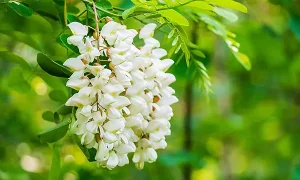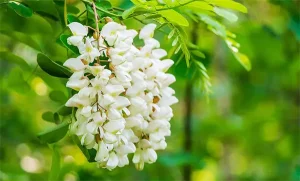
The seeds of Sophora japonica L. (syn. Styphnolobium japonicum), commonly known as the Japanese Pagoda Tree, represent a vital botanical resource in the global bioflavonoid and active pharmaceutical ingredient (API) supply chains. Historically valued in East Asian medicine, modern industrial extraction technologies have unlocked the economic power of these seeds, repositioning them as the premier raw material for isolating high-purity Rutin (quercetin-3-O-rutinoside), Quercetin, Genistein, and related phytoestrogens and antioxidant compounds.
Currently, the global industrial demand for Sophora japonica derivatives is experiencing a strong compound annual growth rate (CAGR), driven by the pharmaceutical, dietary supplement, nutraceutical, and cosmetics sectors. The European Union and North American markets dominate consumption, utilizing processed Rutin and Quercetin in chronic venous insufficiency (CVI) medications, cardiovascular health formulations, and anti-aging cosmetics. China remains the primary global cultivation and initial extraction hub, producing over 70% of the world's raw Sophora japonica biomass and intermediate derivatives.
Sourcing high-quality Sophora japonica seeds requires navigating a complex global supply chain. Factors such as harvest seasonality, climate fluctuation, and geographic positioning dramatically influence the concentration of active constituents. The peak harvest window, typically late autumn when the seed pods mature, dictates the annual pricing structure.
| Active Component | Primary Industrial Source | Key Industrial Applications | Typical Purity Standard |
|---|---|---|---|
| Rutin (NF11 / EP) | Sophora Buds & Seeds | Vascular protection, capillary health, antioxidant supplements | ≥ 95% to 98% (HPLC) |
| Quercetin Anhydrous | Hydrolyzed Sophora Seeds | Immune modulation, senolytic formulations, anti-inflammatory | ≥ 95% / 98% (HPLC) |
| Troxerutin | Synthesized from Rutin | Vasoprotective pharmaceuticals, chronic venous therapy | ≥ 99% (EP/USP) |
The critical procurement challenge for international buyers is ensuring low-pesticide and low-heavy-metal residues. Traditional sourcing pipelines often suffer from batch-to-batch variation. Leading global suppliers, like UniCare, address this bottleneck by controlling the value chain from seed-planting selection and agricultural GACP management up to industrial-scale GMP extraction.

UniCare is a professional supplier of natural active ingredients. Our products are widely used in various fields such as dietary supplement, food, cosmetics and pharmaceuticals. We focus on product development and quality stability, and insist on growing together with our customers around the world.
UniCare has deep cooperation with several excellent Chinese manufacturers who have complete quality management system certifications, including but not limited to GMP, EUGMP, CEP, ISO9001, ISO22000, and HACCP. Each factory has independent testing capabilities and is equipped with advanced and efficient testing equipment to ensure the high quality and long-term stability of each batch of products.

Unlocking the molecular potential of traditional botanicals through modern phytochemistry.

Regular refinement of extraction methodologies to elevate purity and optimize resource efficiency.

Utilizing state-of-the-art production systems to yield peerless, regulatory-compliant natural actives.

Fostering ethical workforce environments and implementing sustainable community development models.
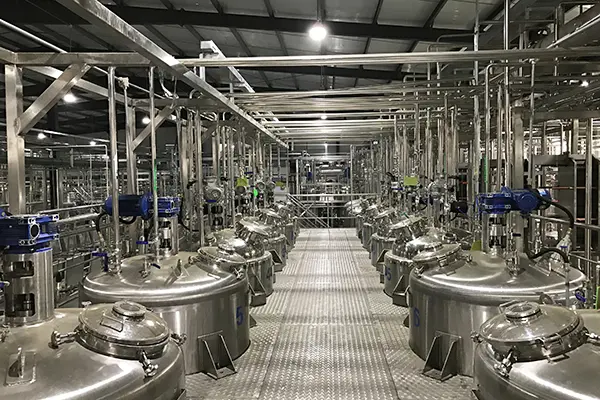
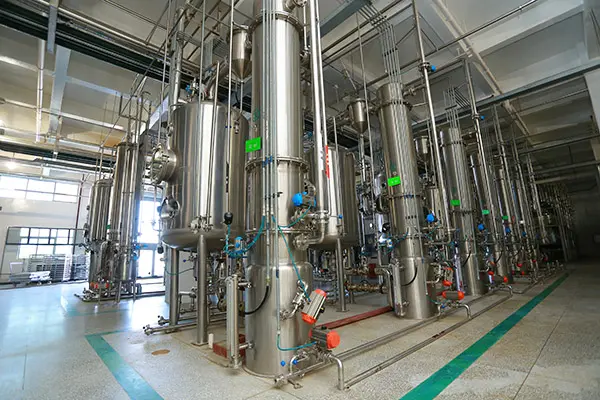
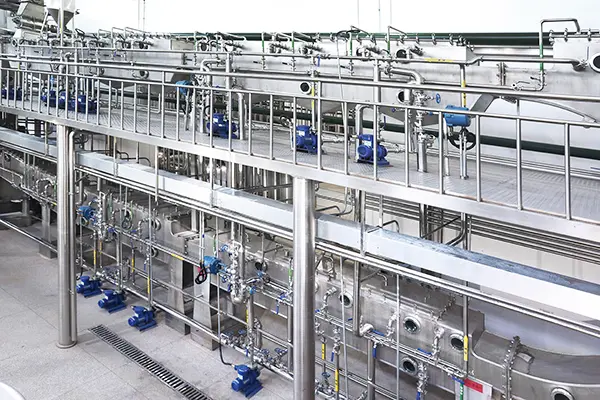
Equipped with the largest and most advanced industrial botanical extraction systems in China.
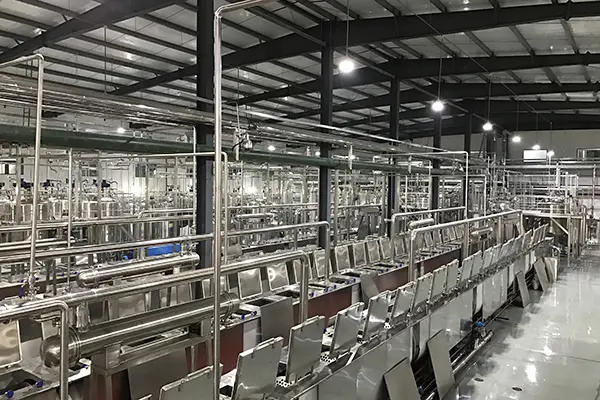
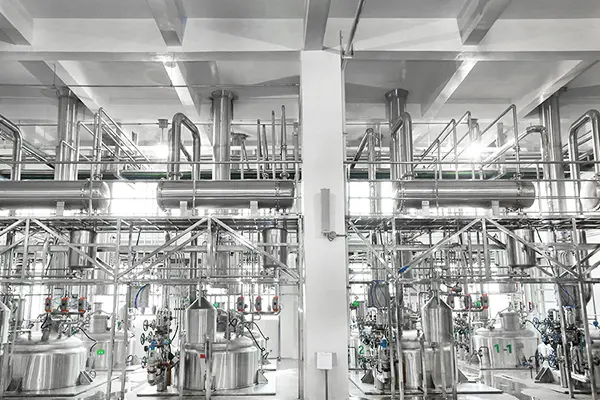
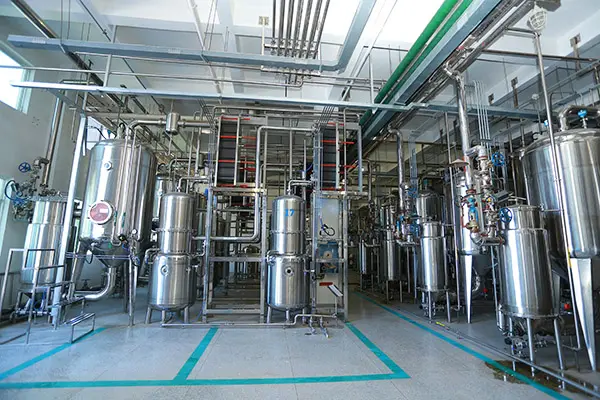
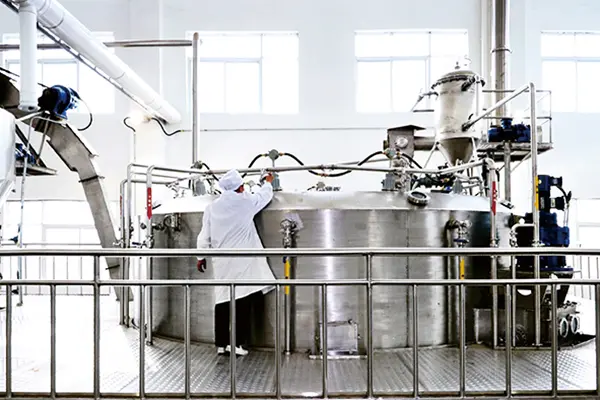
The entire production line in UniCare is controlled by a modern, intelligent, automatic control system. Until now, UniCare has built up two GMP workshops, containing six multi-functional extraction lines, among which there is the only production line for Ginkgo Biloba Extract of acetone process in the whole China. A total of 30,000 tons of various Chinese medicine plant raw materials can be processed each year.
The factory has passed the China GMP certification, guaranteeing standard operational controls.
The EU-GMP and CEP of Ginkgo Biloba Extract has been certified.
All extraction production lines adopt modern, intelligent and automated control systems.
Own the most advanced extraction equipment in China.
Mass-scale processing capability for Chinese medicine and plant raw materials.
Three annular dynamic countercurrent extraction lines (10t & 15t); two multi-functional lines; one round dynamic countercurrent line (10t).
Own the only acetone process extraction line for Ginkgo Biloba Extract in China meeting EU GMP standards.
Own six fermentation tanks (20 tons capacity each) for the production of enzyme-modified products.
The industrial processing of Sophora japonica seeds follows a rigorous technical workflow designed to preserve the molecular integrity of the targeted flavonoids while removing undesirable lipids, non-polar pigments, and pesticide residues.
Emerging trends in green chemistry are driving suppliers to implement subcritical water extraction and deep eutectic solvents (DES) to bypass organic solvent use entirely, minimizing carbon footprints and satisfying clean-label demands in global consumer markets.
The application profile of Sophora japonica seed extracts is highly regionalized, dictated by local regulatory frameworks and consumer market dynamics:
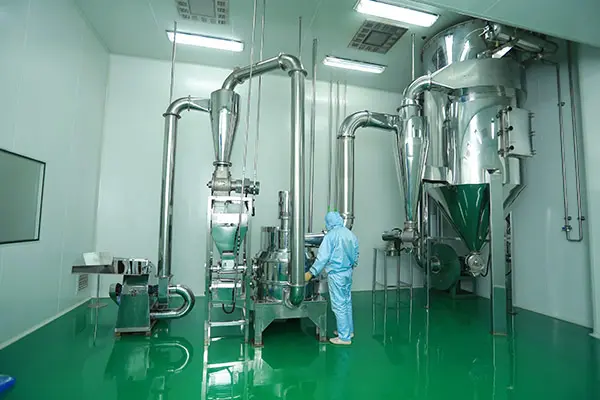
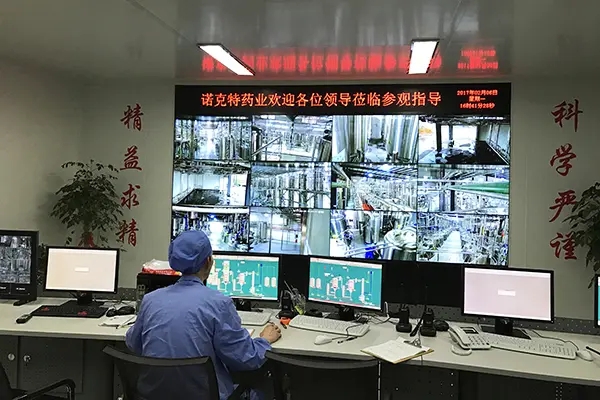
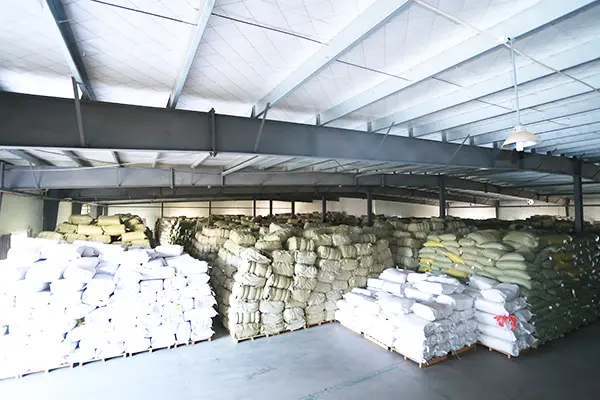
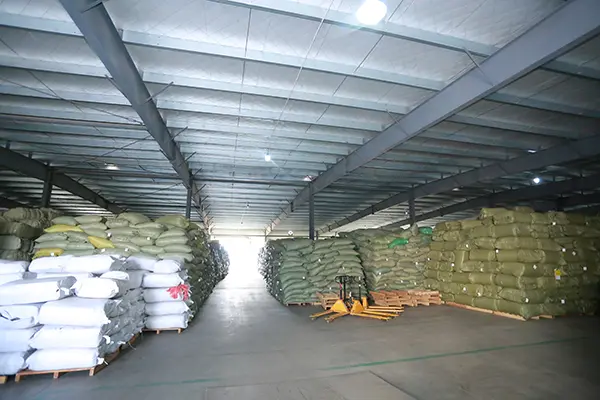
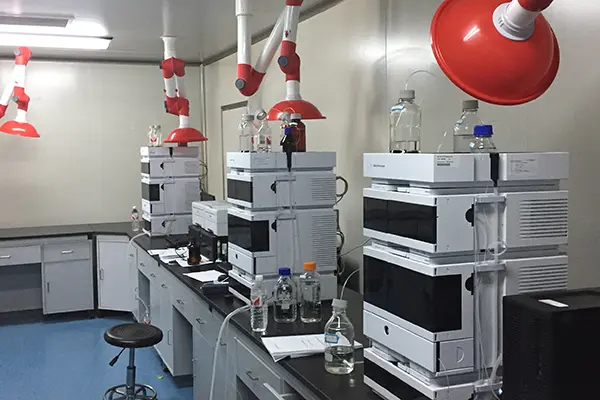
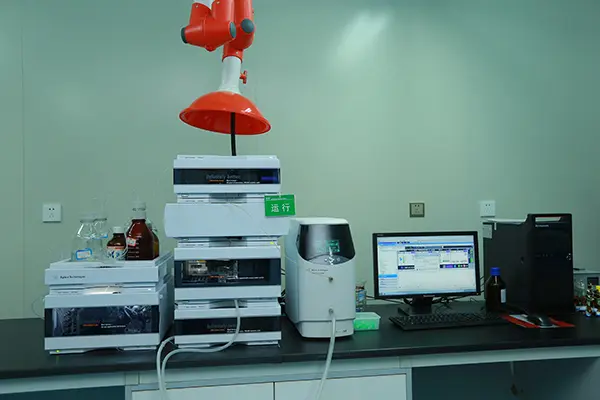
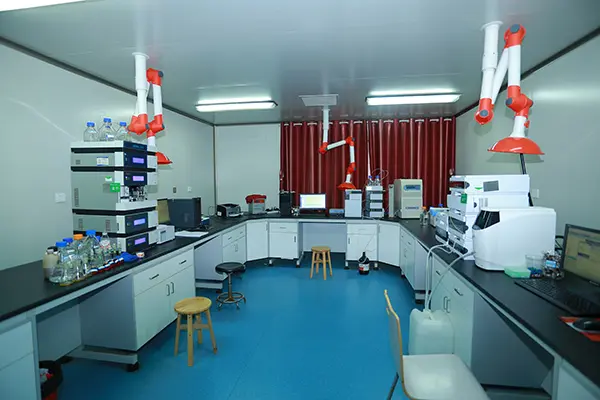
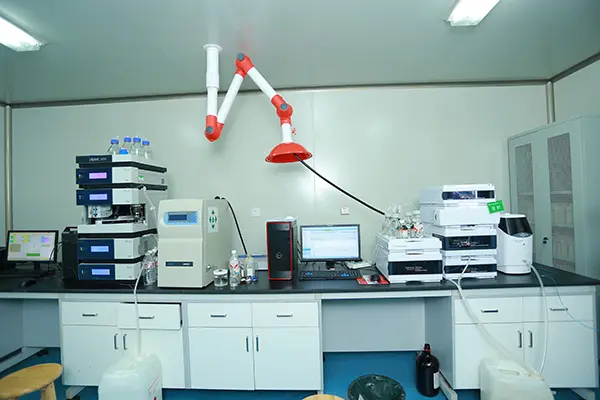
United New Life has established a leading and complete quality control system, and strictly controls the high quality of products in accordance with the quality system. With advanced testing instruments and strict control parameters, we deliver high-quality botanical extract products globally.
To ensure analytical rigor and meet global pharmaceutical monographs, our laboratories are fully integrated with state-of-the-art equipment:
| Analytical Equipment | Configuration / Quantity | Primary Application |
|---|---|---|
| UHPLC Agilent 1290 | 2 Units | Ultra-high-performance quantitative assay of complex phytomolecules |
| HPLC Agilent 1260 | 4 Units | Standard purity verification and signature active ingredient tracing |
| HPLC Shimadzu LC-20AT | 2 Units | Batch analysis & stability study assays |
| HPLC Diane CU3000 | 2 Units | Analytical separation of complex carbohydrate/flavonoid groups |
| Shimadzu ELSD 2000ES | 2 Units | Evaporative light scattering detection for non-UV active compounds |
| Shimadzu GC-2010 | 1 Unit | Volatile organic compound analysis & residual solvent screening |
| Shimadzu AA-7000 | 1 Unit | Atomic absorption spectrophotometry for trace heavy metal profiling |
| Target Areas | Specific Quality Parameters Controlled |
|---|---|
| Active Ingredient Analysis | High-Performance Liquid Chromatography (HPLC) assay validation, TLC profiling, and identification. |
| Hazardous Substance Analysis | ICP-MS heavy metal limit analysis, GC-MS-MS multi-pesticide screens, and residual solvent evaluation. |
| Microbe Analysis | Total Aerobic Microbial Count (TAMC), Yeast & Mould, Salmonella, and E. coli negative checks. |
| Raw Material Control | Pesticide residue screening, GMO checking, allergen profile auditing, and botanical origin tracking. |
| Laws & Regulations | Continuous alignment checks with USP, European Pharmacopoeia (EP), and ChP updates. |
| Stability Testing | Real-time and accelerated stability studies in compliance with ICH guidelines. |
| Physical Analysis | Tapped/Bulk density, mesh particle size, moisture loss on drying, ash analysis, and optical rotation. |
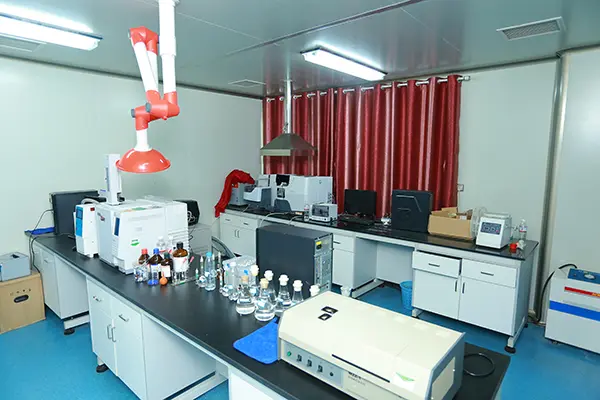

UniCare invests 10% of our annual net profit in research and development. In addition to optimizing and developing the existing natural plant extraction process, we have also established a professional R&D department for natural fermentation products. By increasing investment in natural fermentation products, we try to break through the traditional processes and disrupt industry development.
UniCare has deep cooperation with Beijing University of Chemical Technology in the field of fermentation, jointly developing and transforming new raw materials of pharmaceutical, cosmetic, and natural health products into mass-produced products.
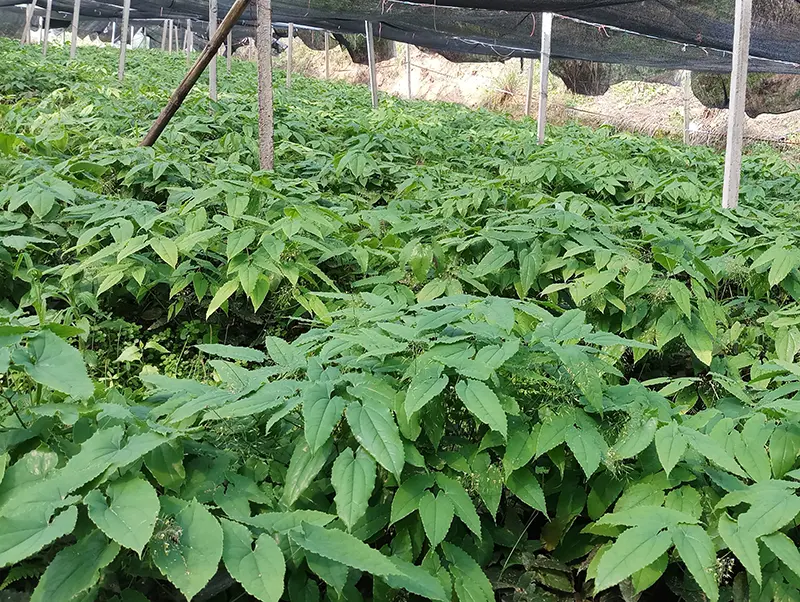
In order to control raw materials more efficiently and with higher quality, a raw material procurement system has been established, which extends procurement to every piece of planting land and can trace the raw materials of each batch of products. The storage of raw materials is operated according to the advanced quality management system process, and the content of active ingredients, moisture, ash, heavy metals, pesticide residues and other items of raw materials are strictly controlled.
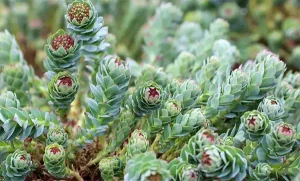
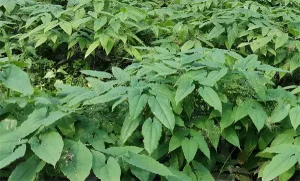
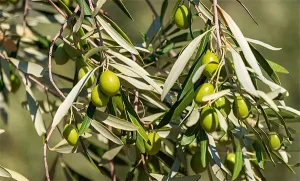
At the same time, in order to further ensure the high quality of important products, UniCare cooperated with planting farmers to establish ginkgo leaf planting bases, epimedium planting bases, phellodendron planting bases, olive leaf planting bases, etc. Some of these bases are planted strictly in accordance with the GACP management model. In addition, we cooperate with seedling research and development companies to develop high-content seedling cultivation, and cultivate better seedlings through hybridization or gene optimization, so as to continuously reduce unit costs to benefit users.
Modern global B2B procurement professionals look beyond the basic specification sheets. The key to mitigating supply chain disruption is implementing a comprehensive macro sourcing strategy. At UniCare, we address these challenges through two primary pillars:
As environmental standards tighten across Europe and North America (especially regarding the EPA and EFSA limits), agricultural source verification becomes non-negotiable. Our GACP-aligned harvesting programs minimize chemical intervention. During the extraction phase, we use advanced industrial adsorption resins to strip heavy metals, and we conduct low-temperature vacuum stripping to drive residual solvents to levels far lower than the USP <467> guidelines.
Sustainable sourcing has evolved from a branding exercise to a regulatory mandate. Our manufacturing plants integrate energy recycling systems into our countercurrent extraction machinery, saving up to 30% more energy than standard steam systems. We recycle over 90% of our organic solvents, reducing both costs and emissions.
The next decade of Sophora japonica extraction will focus on precision biotechnology:
A: While both structures contain Rutin, the flower buds (Flos Sophorae) generally have a higher concentration of Rutin by weight, making them the primary source for bulk Rutin extraction. The seeds (Semen Sophorae), however, contain a unique profile of isoflavones, including Genistein and Kaempferol, alongside Rutin, which are targeted for specialized pharmaceutical and veterinary applications.
A: Every batch of raw materials is tracked to its cultivation source. We conduct rigorous pre-extraction screening and use advanced LC-MS-MS analytical systems to verify compliance with European Pharmacopoeia limits. In addition, our manufacturing facilities utilize customized macroporous purification resins designed to selectively isolate flavonoids while stripping out residual pesticides.
A: Yes. We offer customized micronization services. Using specialized jet milling systems, we can process Quercetin and Rutin down to D90 < 10 microns to optimize dissolution kinetics and enhance bioavailability in dietary supplements.
A: Our cooperating factories are GMP certified and hold certificates including EUGMP, CEP (for Ginkgo Biloba Extract), ISO9001, ISO22000, HACCP, Kosher, and Halal, ensuring seamless regulatory clearance and compliance across all major international markets.
A: Our standard bulk packaging consists of food-grade double-layered polyethylene bags inside 25 kg fiber drums. Custom packaging, such as vacuum-sealed aluminum bags, can also be arranged to meet moisture-sensitive shipping and storage requirements.