Premium bioactive components matching global quality standards, optimized for cosmetics, food, and pharmaceutical applications.
Understanding market requirements, specifications, and commercial application variables for Coenzyme Q10 on a global scale.
Coenzyme Q10 (CoQ10), medically classified as Ubiquinone or Ubiquinol depending on its oxidation state, represents a vital fat-soluble molecule crucial for mitochondrial ATP synthesis. The global market demand for bulk CoQ10 continues to rise, driven by its extensive integration into dietary supplements, cardiovascular therapeutics, cosmetic skin-conditioning formulas, and functional foods.
As an essential ingredient, the quality parameters and industrial cost framework of CoQ10 are primary factors for purchasing managers, formulary developers, and regulatory compliance experts. Sourcing CoQ10 involves navigating technical variables such as purity levels (USP/EP standards), heavy metal thresholds, residual solvent traces, and microbiological profiles.

Why Chinese exporters dominate the global market through integrated production ecosystems, high capacity, and optimized transport channels.
Entire production runs are managed via smart systems, ensuring consistent yields, batch stability, and minimal contamination risk across 6 multi-functional extraction lines.
Capable of processing 30,000 tons of botanical and plant raw materials annually, supported by two large-scale GMP workshops and dynamic countercurrent extraction lines.
Equipped with six 20-ton fermentation tanks. These systems support bio-fermentation methods for manufacturing high-purity USP grade Coenzyme Q10.
China represents a major global supplier of CoQ10 due to integrated chemical clustering, feedstock accessibility (glucose, starches, microbial culture mediums), and large-scale manufacturing facilities. Operating from modern manufacturing hubs with certifications including GMP, EUGMP, CEP, ISO9001, ISO22000, and HACCP, Chinese manufacturers utilize advanced bio-conversion systems that keep production costs highly competitive while meeting strict quality requirements.
The technical shift from chemical synthesis to microbial fermentation and the development of water-soluble delivery systems.
Historically, Coenzyme Q10 was produced through chemical synthesis using solanesol extracted from tobacco leaves as a precursor. Modern production uses microbial fermentation (e.g., *Rhodobacter sphaeroides* or *Sphingomonas aerophils*). This bio-fermentation method yields 100% all-trans isomer CoQ10, matching the natural configuration found in human physiology. This ensures optimal biological activity and avoids issues with synthetic cis-isomers.
Looking forward, the technology roadmap targets increased bioavailability. Traditional CoQ10 is hydrophobic and has a high molecular weight (863.34 g/mol), which limits absorption in the human digestive system. Manufacturers focus on advanced formulation techniques such as:
UniCare and its manufacturing partners invest 10% of annual net profit into research and development. In addition to optimizing traditional plant extraction processes, we maintain a dedicated department for natural fermentation products. Our collaborative projects with institutions like the Beijing University of Chemical Technology bridge the gap between bench-scale bio-development and industrial-scale manufacturing.
Our production setup includes six dynamic countercurrent extraction lines and a specialized EU-GMP compliant acetone process extraction line. These facilities enable high-throughput processing while maintaining strict control over solvent residue levels.
Understanding how price structures map to specific industries and regional regulations.
Standard USP Grade powder (98%-101%) is widely used in capsules, softgels, and tablets. Pricing depends on bulk purchase volume and particle size (standard vs. micronized).
Highly purified CoQ10 is added to topical creams, serums, and lotions to help protect cells against oxidative damage. Requires strict control over color stability and skin-absorption properties.
Utilizes water-soluble CoQ10 (typically 10% or 20% emulsions/powders). The conversion process increases production costs but meets the formulation needs of energy drinks and liquid supplements.
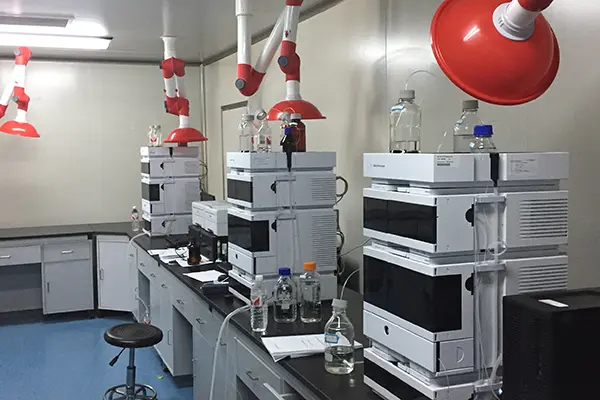
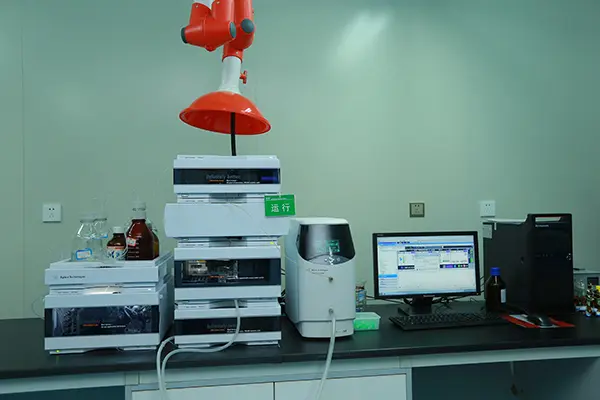
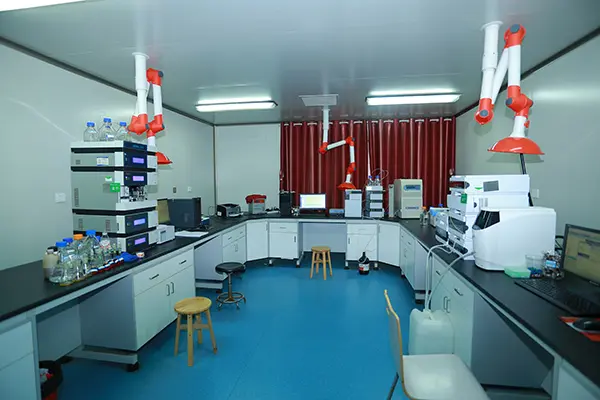
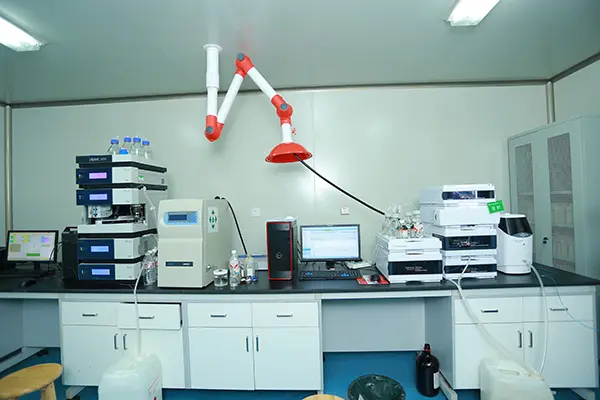
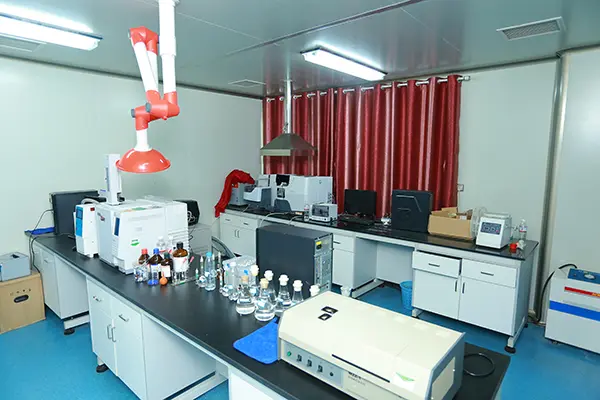
UniCare maintains a comprehensive quality control framework, using advanced testing instruments to verify the purity and compliance of every batch.
Quality management spans the entire supply chain, starting with raw materials. In order to trace material quality back to its source, UniCare establishes direct partnerships for raw materials, with selected bases managed according to GACP (Good Agricultural and Collection Practice) guidelines. We also work with plant breeding companies to develop high-yield crop variants, which helps manage production costs.
| Quality Assurance Parameter | Testing Methodology / Equipment Used | Industrial Sourcing Standard Limit |
|---|---|---|
| Active Ingredient / Assay | UHPLC Agilent 1290 / HPLC Agilent 1260 / Shimadzu LC-20AT | 98.0% ~ 101.0% (on anhydrous basis) |
| Heavy Metal Residues | ICP-MS / Shimadzu AA-7000 Atomic Absorption | Lead < 3.0 ppm, Arsenic < 1.0 ppm, Mercury < 0.1 ppm |
| Residual Solvent Profile | GC-MS-MS / Shimadzu GC-2010 Gas Chromatography | Meets USP <467> and EP limits (Ethanol, Hexane, Acetone) |
| Microbiological Profile | CNAS Certified Lab Culture Methods | TAMC < 1,000 CFU/g, TYMC < 100 CFU/g, E. Coli/Salmonella: Negative |
| Pesticide Residues | GC-MS-MS Organochlorine / Organophosphorus scan | Fully compliant with EC 396/2005 and USP standards |
Our Central Lab facility is equipped with modern analytical instruments, including:
Managing regulatory requirements, custom documentation, and localization support for international buyers.
Sourcing bulk ingredients requires navigating complex regulatory landscapes. UniCare and our manufacturing partners provide full documentation support to streamline customs clearance and quality verification. This includes:
With logistics networks established near major coastal shipping ports, we arrange prompt sea, air, or rail transport. This ensures reliable delivery to North America, Europe, and the Asia-Pacific region, helping buyers manage inventory continuity and production schedules.
Request Sourcing Quotation & Spec SheetsAnswers to common queries regarding market pricing, specifications, shipping, and quality assurance for CoQ10 sourcing.
Explore our expanded range of natural ingredients, manufactured in compliance with international quality standards.