Empowering global life science brands with raw material transparency, EU-GMP/CEP quality standardization, and resilient industrial-scale extraction capacities.
Explore our primary portfolio of raw materials. Click on the technical designations below to discover comprehensive purity specs, assay standards, and batch certificates.
UniCare is an industry-leading, professional supplier and developmental partner of natural active ingredients. Catering directly to global life science, nutraceutical, pharmaceutical, cosmetic, and functional food sectors, we bridge the gap between complex phytochemistry and commercial reliability.
To sustain uncompromising quality, UniCare maintains strategic, exclusive joint-venture operations with select elite Chinese manufacturing plants. These high-throughput manufacturing plants are heavily credentialed under global pharmaceutical and safety frameworks including GMP, EU-GMP, CEP, ISO9001, ISO22000, and HACCP.
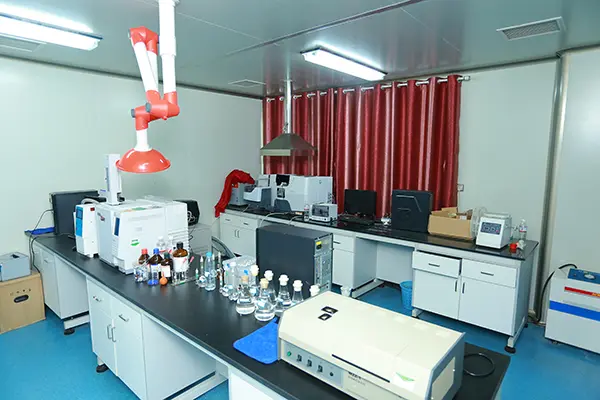
Our commitment transcends pure distribution: we maintain local R&D hubs, field raw crop cultivation schemes, and advanced chromatography-driven analytical labs to ensure that every metric ton shipped is structurally and chemically identical to prior validation samples.

As scientific research verifies the clinical efficacy of botanical constituents, the international landscape is moving from raw botanical powders to standardized, clean-label active compounds.
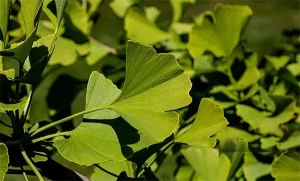
The global consumer demand for adaptogenic support and cognitive performance (brain health) has pushed Panax Ginseng and Ginkgo Biloba to the forefront. However, modern pharmaceutical companies and supplement brands are rejecting basic ratio extracts (e.g., 10:1). The industry standard has pivoted toward strict active constituent percentages, such as Ginkgo Flavone Glycosides ≥ 24% and Terpene Lactones ≥ 6%, with Ginkgolic Acid meticulously kept below 1 ppm or 5 ppm limits to assure safety and toxicity clearance.
Traditional high-heat extraction methods can degrade sensitive secondary metabolites. The industry's cutting edge involves enzyme-modified processing and natural bio-fermentation. By using specialized microbial strains, factories can biotransform standard ginsenosides into rare minor ginsenosides (such as Compound K, Rg3, and Rh2). This technology unlocks significantly higher bioavailability and cell-permeability, establishing a new frontier in cellular anti-aging formulations.

Unstable supply chains, fluctuating crop yields, and erratic solvent quality represent substantial threats to international phytopharmaceutical buyers. Our processing infrastructure mitigates these vulnerabilities by utilizing advanced automation, intelligent DCS (Distributed Control Systems), and industrial-scale resource integration.
Combining automated technology and strict quality guidelines to maintain an industrial-scale manufacturing ecosystem.
All operations are managed strictly under national Good Manufacturing Practices (GMP), securing basic quality and product consistency from batch to batch.
Our Ginkgo Biloba Extract processes are certified under European GMP and Certificate of Suitability (CEP) standards, validating our system for direct pharmaceutical application in Europe.
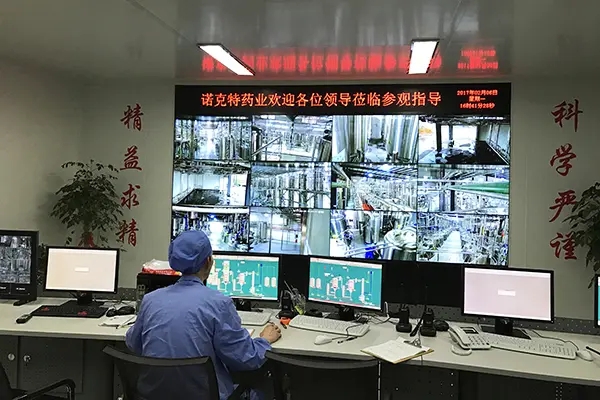
Every step of the extraction process—temperature, pressure, cycle time, flow rate—is regulated through intelligent PLC/DCS automation, avoiding human error.
Processing up to 30,000 metric tons of Chinese traditional medicinal raw materials and botanical species annually, guaranteeing reliable volumes for high-capacity buyers.
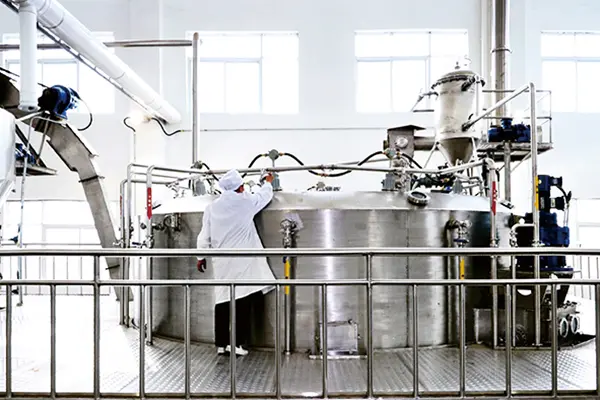
Equipped with six 20-ton fermentation tanks, we facilitate chemical transformations of active elements to match precise buyer specifications and enhance bioavailability.
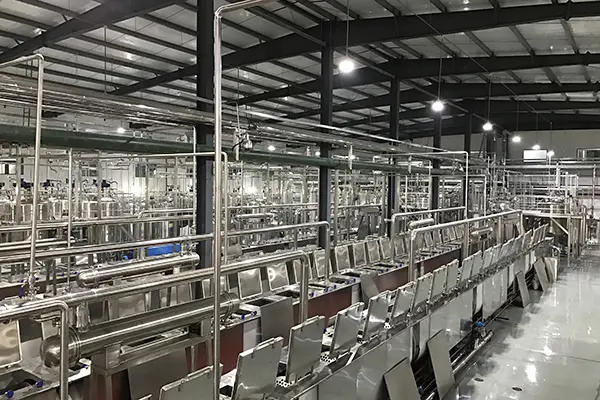
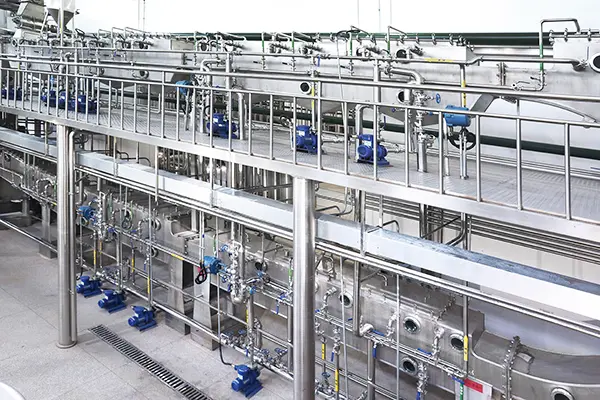
Our extraction setup includes dynamic countercurrent pipelines that extract target components more efficiently, reducing solvent use and ensuring raw material conservation.
To meet the strict analytical requirements of the FDA, EFSA, and international pharmacopoeias, our QA/QC division implements comprehensive monitoring at each stage of extraction.
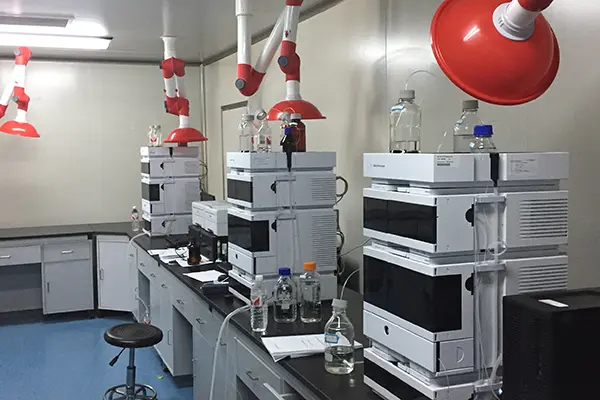
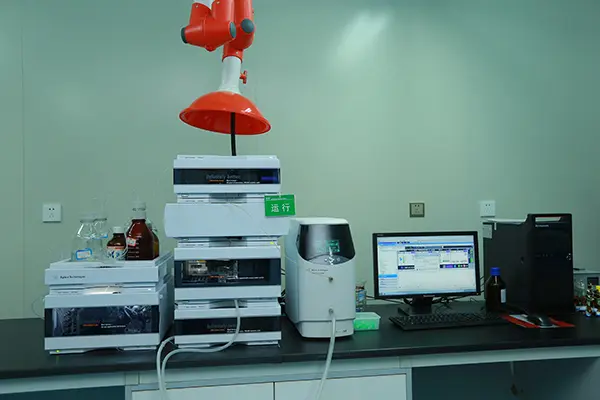
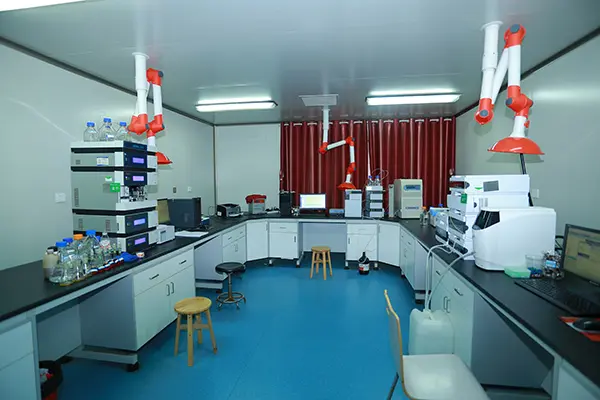
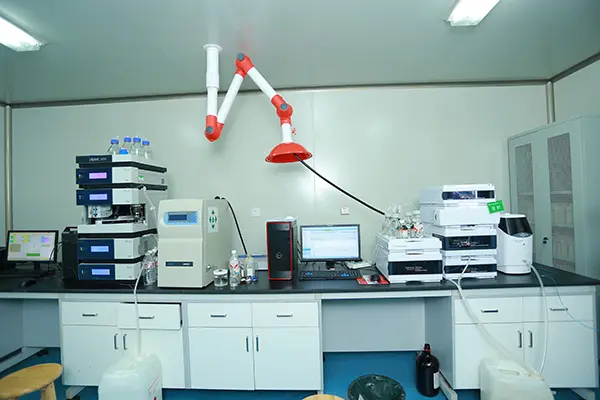
Our central analytical laboratory features modern instrumentation capable of detecting trace chemical amounts and structural characteristics. Standard operations cover quantitative assays via High-Performance Liquid Chromatography (HPLC) and Ultra-High-Performance Liquid Chromatography (UHPLC), volatile organic screening via Gas Chromatography (GC), and heavy metal quantification using Inductively Coupled Plasma Mass Spectrometry (ICP-MS).
Every shipment is accompanied by a batch-specific Certificate of Analysis (CoA) documenting compliance with heavy metal limits (lead, cadmium, mercury, arsenic), pesticide residue thresholds (GC-MS-MS screening for organochlorines), residual solvents (GC headspace examination), and microbial counts.

| Analytical Domain | Specific Parameters Measured & Checked |
|---|---|
| Active Constituent Analysis | Quantitative HPLC assays for ginsenosides, ginkgoflavoneglycosides, terpene lactones; UV-Vis spectrophotometry; Thin-Layer Chromatography (TLC) identification. |
| Hazardous Contamination | Heavy metals profiling (Pb, As, Hg, Cd, Cu) via ICP-MS; multi-residue pesticide screening; residual extraction solvents via GC headspace testing. |
| Microbiological Evaluation | Total Aerobic Microbial Count (TAMC), Total Yeasts/Moulds Count (TYMC), screening for Escherichia coli, Salmonella, and Staphylococcus aureus. |
| Raw Material Provenance | Strict origin screening, GMO testing, allergen verification, and compliance with GACP regulations. |
| Regulatory Integrity | Continuous alignment updates with USP, EP, ChP, and JP pharmacopoeia standards. |
| Physical and General Parameters | Loss on drying, total ash, particle size distribution (mesh profiling), bulk/tapped density, pH, specific optical rotation, and sulfur dioxide residue. |
| Manufacturer & Equipment Model | Quantity Available | Primary Industrial Use Case |
|---|---|---|
| Agilent 1290 UHPLC (Ultra-High-Performance) | 2 Systems | Rapid high-resolution quantification of complex active molecules. |
| Agilent 1260 HPLC (High-Performance) | 4 Systems | Standard batch-to-batch assay testing for active compounds. |
| Shimadzu LC-20AT HPLC | 2 Systems | Routine identification testing and active constituent analysis. |
| Shimadzu GC-2010 Gas Chromatograph | 1 System | Determining residual solvents and volatile pesticide levels. |
| Shimadzu AA-7000 Atomic Absorption Spectrometer | 1 System | Quantitative screening of trace heavy metals (Pb, Cd, As, Hg). |
| Shimadzu 2000ES Evaporative Light Scattering Detector (ELSD) | 2 Systems | Analyzing compounds that lack chromophores, such as certain saponins. |
Reliable botanical raw materials require oversight that extends all the way back to agricultural fields. For this reason, UniCare has instituted a vertically integrated traceability system that spans from initial seed selection to final powder packaging.
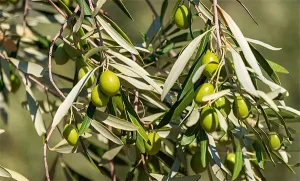
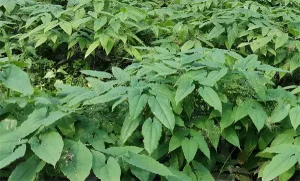
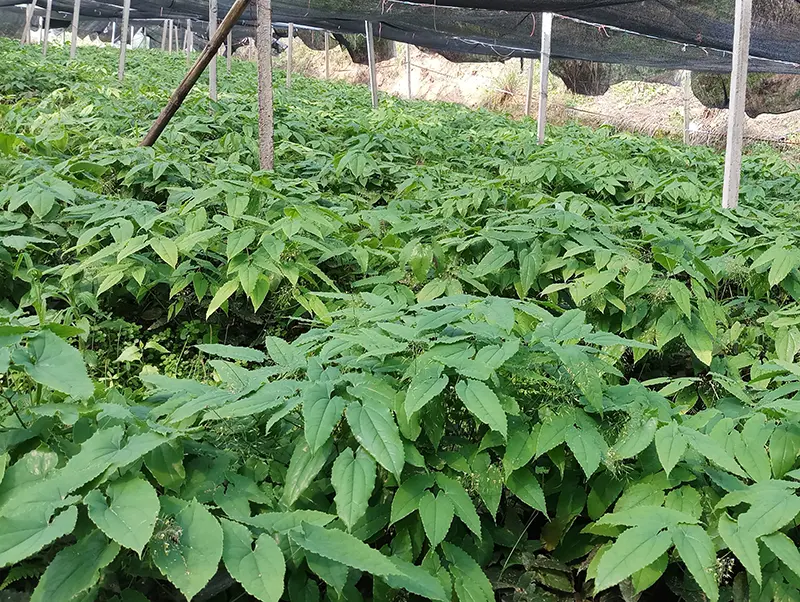
By coordinating directly with local agricultural cooperatives, we operate dedicated, controlled crop sites for Ginkgo Biloba leaf, Epimedium, Phellodendron, and Olive leaf. Select fields are cultivated strictly under GACP (Good Agricultural and Collection Practices) guidelines, managing chemical exposure, harvesting times, drying processes, and post-harvest transport.
To optimize active ingredient concentrations at the genetic level, we work alongside agricultural research entities to develop high-yield crop cultivars. By selecting plants with naturally higher target components, we can systematically lower unit processing costs—allowing us to pass savings along to our customers.
Furthermore, UniCare dedicates 10% of annual net profits to research and development. Our engineering division works in partnership with the *Beijing University of Chemical Technology* to advance industrial fermentation techniques, helping transition innovative active ingredients from laboratory scale to industrial production.

Phytochemicals serve different purposes depending on the target industry. Below are the primary application areas for our standardized extracts:
Providing essential components for capsule, tablet, and softgel formulations. Adaptogens like Panax Ginseng support physical stamina and fatigue management, while Ginkgo Biloba supports cognitive performance and memory products.
Water-soluble extract formats designed for health drinks, nutritional premixes, and functional foods. Our processing methods prioritize clean-label profiles that minimize bitter tastes and residue issues.
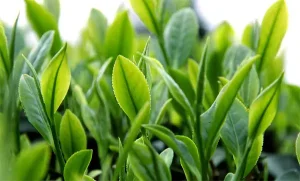
Active botanical compounds that leverage antioxidant features. Our extracts (such as Green Tea and Pomegranate) are used in topical formulations to support skin health, moisture retention, and environmental protection.
Critical technical details and compliance queries compiled by our QA/QC specialists for procurement teams and scientific researchers.
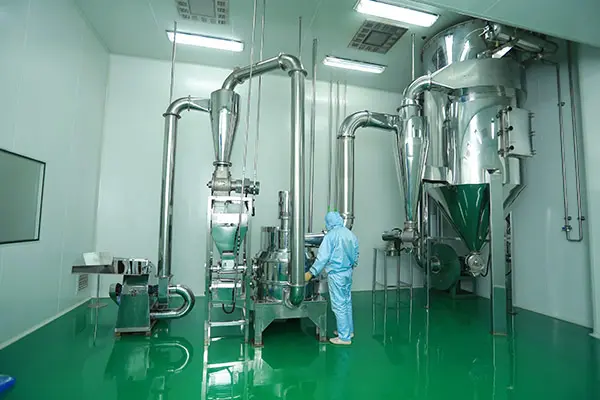
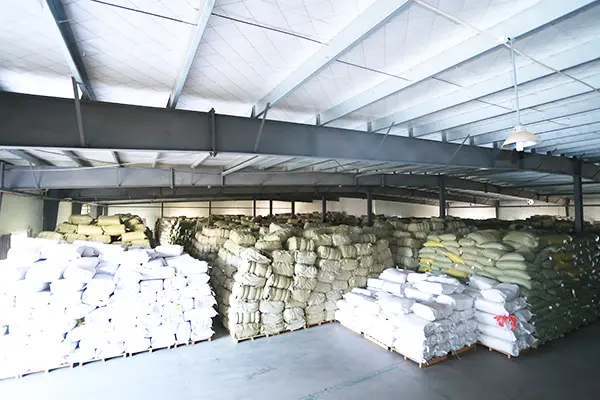
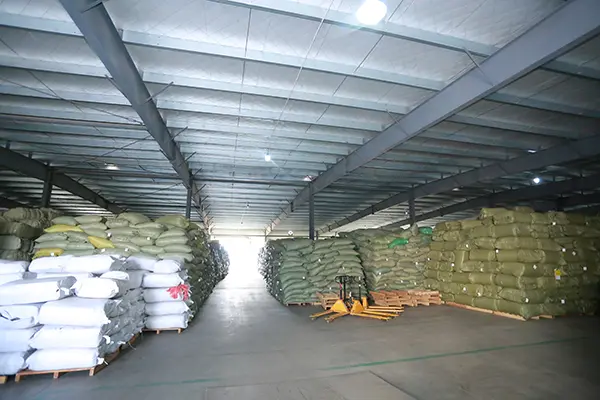
A view of the physical extraction steps, separation technologies, and storage facilities at our joint-venture GMP complexes.
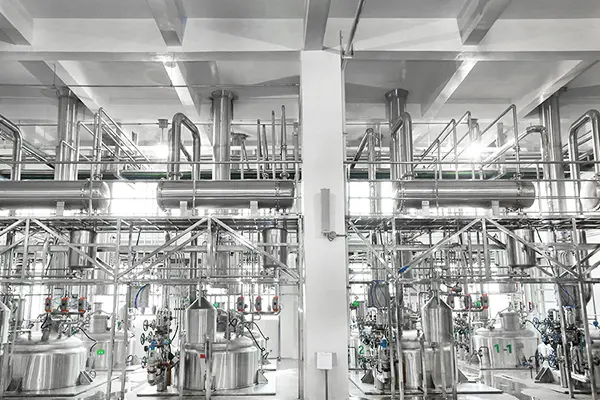
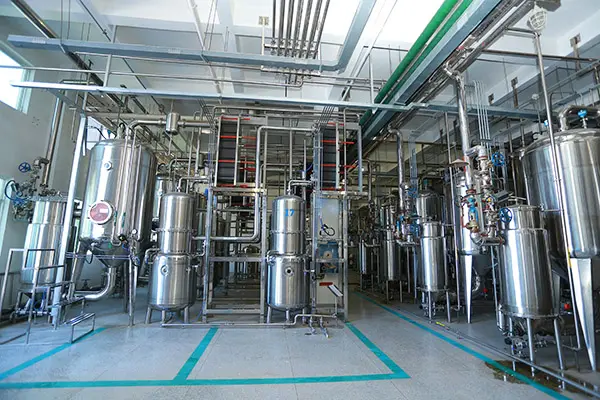
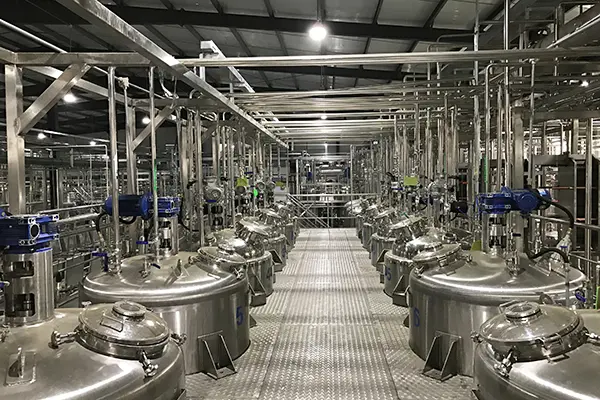
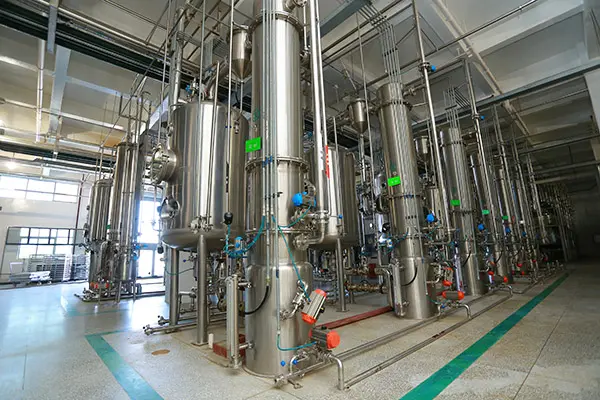
We provide standardized botanical ingredients for the global market, backed by transparent batch testing and reliable supply logistics.
Whether you require validation samples for analytical testing, custom active ingredient percentages, or a formal quote for bulk volumes, our engineering and sales teams are here to assist.
Contact Us Today