Berberine, a quaternary ammonium alkaloid found in plants such as Berberis aristata, Coptis chinensis, and Phellodendron amurense, has emerged as one of the most prominent natural active pharmaceutical ingredients (APIs) in metabolic health formulation. Historically recognized in traditional pharmacopeias, modern clinical trials have verified its potential in AMPK (Adenosine Monophosphate-Activated Protein Kinase) activation, insulin sensitivity improvement, lipids management, and gut microbiome regulation.
As primary international B2B suppliers, manufacturers face the dual pressure of supplying high-purity crystalline formats while adhering strictly to heavy metal thresholds, solvent control regulations, and pesticide limits. The market demands reliable chemical and physical parameters, such as specific particle size distributions (micronization) to enhance poor bioavailability, high solubility profiles, and rigorous batch-to-batch consistency.
Tons Annual Raw Material Capacity
Purity Grade (HPLC Verification)
Annual Net Profit Invested in R&D
Advanced Extraction Production Lines
Producing highly pure Berberine Medication at a commercial scale requires sophisticated manufacturing setups. The industry utilizes three main paradigms of raw material derivation: direct botanical extraction, semi-synthetic pathways, and modern biotechnology (such as microbial cell factories).
Traditional hot water extraction combined with dilute acid is optimized via modern dynamic countercurrent extraction. This setup ensures that maximum alkaloids are isolated from the root bark matrix. Subsequent salt precipitation using controlled hydrochloric acid produces Berberine HCl. Solvents are limited exclusively to ethanol and purified water, eliminating residual toxicity.
Berberine suffers from poor intestinal permeability and rapid first-pass metabolism. Using Jet Milling micronization technologies, we control particle size distributions (D50 < 5µm, D90 < 15µm). This dramatically increases surface area, boosting dissolution velocity and system absorption in dietary supplement applications.
To protect wild botanical resources, we cooperate with prestigious research institutes like the Beijing University of Chemical Technology. The target is engineering synthetic biology pathways in yeast strains to produce sustainable, biosynthesized Berberine without generating ecological footprint issues.
UniCare stands as a leading, professional global supplier of premium natural active ingredients. Our high-value products serve diverse industrial domains including dietary supplements, food and beverages, cosmetics, and pharmaceuticals. We prioritize product engineering, quality consistency, and mutual growth with our global commercial client base.
We collaborate with premier extraction facilities in China that hold comprehensive quality management system certifications—including GMP, EU-GMP, CEP, ISO9001, ISO22000, and HACCP. Every single facility possesses robust independent analysis capabilities, outfitted with state-of-the-art analytical instrumentation to guarantee long-term stability and high-purity standards.


Discovering and unlocking new, latent clinical value of botanicals through modern screening and extraction methodologies.

Driving evolutionary improvements in our technical extraction platforms and refining chemical yield efficiencies.

Deploying premium technology configurations to scale and manufacture the highest quality active compounds.

Fostering happy workplaces, ensuring ecological safety, and contributing back to native agricultural communities.
UniCare places high strategic value on extraction hardware capabilities. Partnering with the largest and most advanced extraction sites in China, our operations run under intelligent, fully automated PLC control platforms.

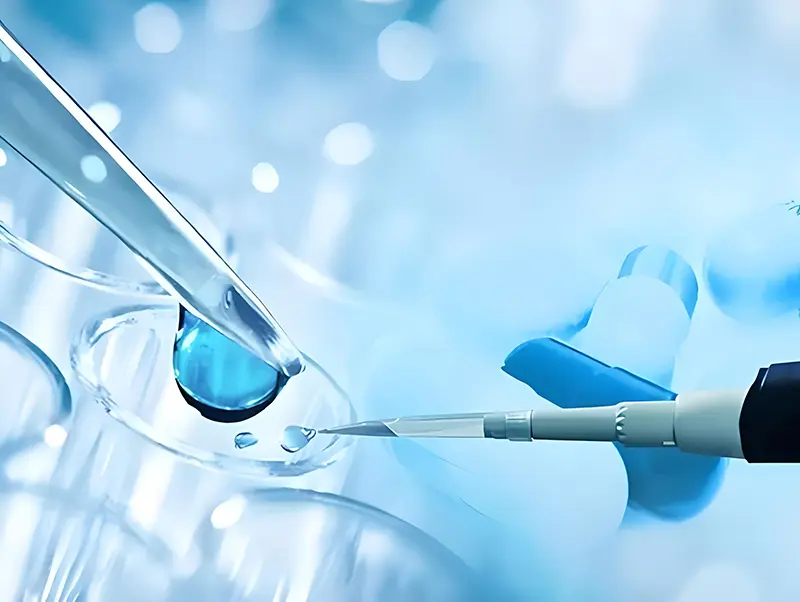
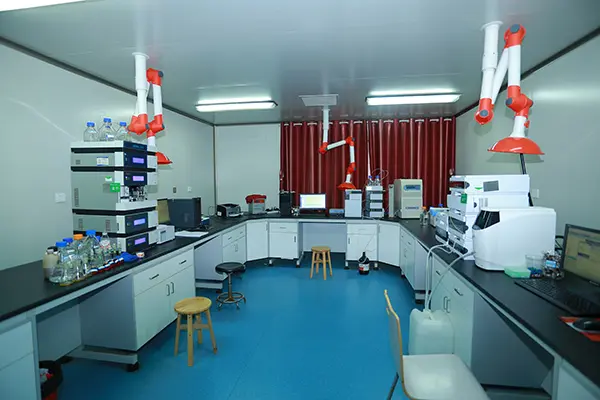
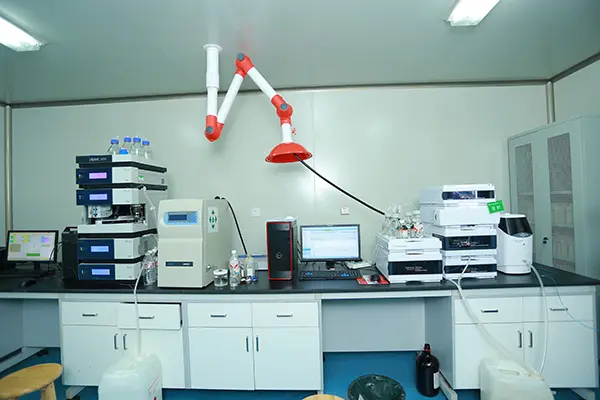
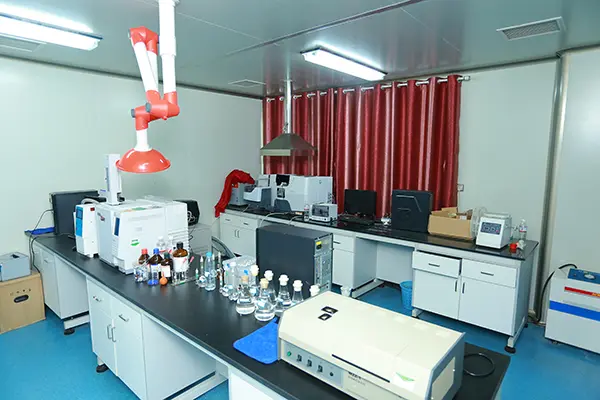
UniCare has deployed a strict, state-of-the-art analytical testing system to verify and guarantee molecular identity, potency, and safety metrics. The testing facility is equipped to conduct a wide range of rigorous assays:
| Analytical Category | Specific Testing Parameters & Methodology |
|---|---|
| Identity & Potency Assay | Quantitative testing of active ingredients via Ultra-High Performance Liquid Chromatography (UHPLC or UV-Vis). |
| Solvent & Pesticide Residuals | Residual solvent monitoring via Gas Chromatography (GC), pesticide screening (organochlorines, organophosphates) via GC-MS-MS. |
| Toxic Heavy Metals | Detection of Lead (Pb), Arsenic (As), Mercury (Hg), Cadmium (Cd), and Copper (Cu) using ICP-MS (Inductively Coupled Plasma Mass Spectrometry). |
| Physical Characteristics | Bulk density, tapped density, particle size mesh distribution, optical rotation, moisture content (Karl Fischer), and ash values. |
| Microbiological Evaluation | Total yeast/mold counts, Escherichia coli, Salmonella, Staphylococcus aureus, and other objectionable microbial strains. |
| Stability Profile Documentation | Accelerated and long-term stability chambers to confirm and establish robust expiration periods. |
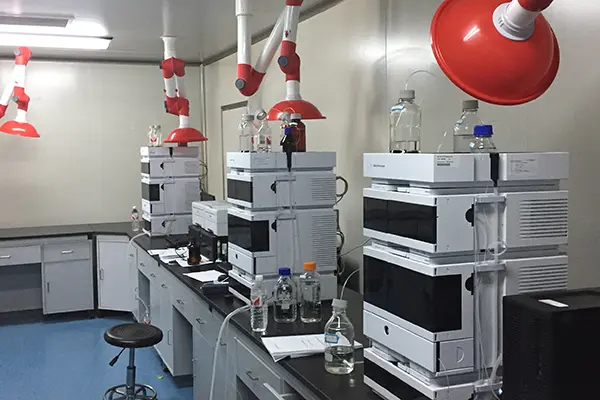
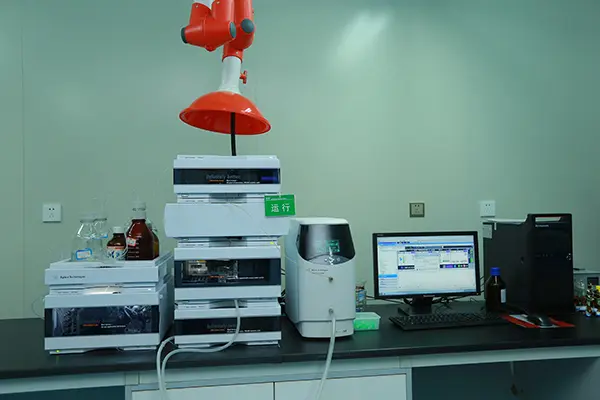
Our central laboratory leverages high-performance equipment to maintain rigorous verification. The instrument inventory includes:
| Equipment Brand & Model | Installed Quantity | Target Applications |
|---|---|---|
| Agilent 1290 UHPLC (Ultra-High Performance Liquid Chromatography) | 2 Systems | Complex alkaloid profiling, fast separation assays, and raw purity determinations. |
| Agilent 1260 HPLC (High Performance Liquid Chromatography) | 4 Systems | Routine batch assay verification, active markers identification. |
| Shimadzu LC-20AT HPLC | 2 Systems | Comparative testing, validation duplicates, and batch verification. |
| Dionex Ultimate 3000 HPLC | 2 Systems | High-throughput active compound quantitation. |
| Shimadzu 2000ES ELSD (Evaporative Light Scattering Detector) | 2 Systems | Analysis of non-chromophoric plant compounds, carbohydrates, and lipids. |
| Shimadzu GC-2010 (Gas Chromatograph) | 1 System | Organic residual solvents analysis (Ethanol, Methanol, Acetone, etc.). |
| Shimadzu AA-7000 (Atomic Absorption Spectrophotometer) | 1 System | Trace heavy metal analysis (Pb, As, Cd, Hg). |
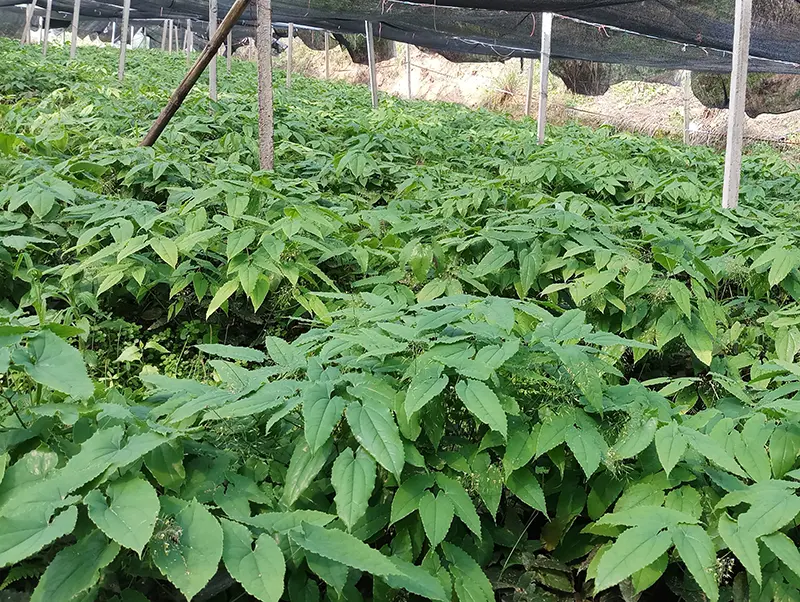
To address the raw material challenges common to botanical extracts, we have built a strict supply control network. Our procurement system tracks materials back to their cultivation origin, allowing us to trace every production batch to its respective plot of land.
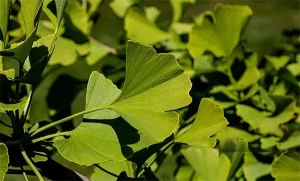
We partner with farming operations to establish dedicated planting bases for critical herbs, including Ginkgo leaf, Epimedium, Phellodendron (a major natural source of Berberine), and Olive leaf. Many of these locations strictly follow GACP (Good Agricultural and Collection Practices) guidelines.
Additionally, we collaborate with crop genetics specialists to select and propagate high-potency cultivars. Through selective breeding, we continuously lower raw material unit costs to benefit our downstream commercial partners.