Direct from China's leading extraction facilities. Click to discover detailed chemical assay profiles, Certificates of Analysis (COA), and technical datasheets.
A Deep Dive into Industrial Applications, Clinical Advancements, and Global Regulatory Standards.
The global demand for high-purity citrus and orange extracts has intensified across the pharmaceutical, nutraceutical, and personal care industries. Standardized citrus bioactives, such as Synephrine, Hesperidin, Neohesperidin, and Naringin, are increasingly formulated for weight management, antioxidant barriers, metabolic regulatory systems, and vascular health. However, consistency in agricultural sources, post-harvest drying, and precise solvent extraction remains a key hurdle for procurement teams.
As a leading exporter, our deep integration with advanced manufacturing centers ensures that the critical phyto-compounds are preserved at molecular-level stability. Through dynamic countercurrent extraction, we avoid the thermal degradation common in traditional raw processing, unlocking higher bio-efficacy for complex B2B formulations.
International buyers face stringent verification standards. Under United States Pharmacopeia (USP) and European Pharmacopoeia (EP) regulations, citrus extracts must not only meet minimum potency benchmarks but must also satisfy strict purity audits:
UniCare has deep cooperation with several excellent Chinese manufacturers who have complete quality management system certifications, including but not limited to GMP, EUGMP, CEP, ISO9001, ISO22000, and HACCP. Each factory has independent testing capabilities and is equipped with advanced and efficient testing equipment to ensure the high quality and long-term stability of each batch of products.


Driven by science, committed to sustainable wellness, and dedicated to societal contribution.

Applying molecular screening to isolate rare bioactives and maximize efficacy.

Evolving our chemical processes to optimize yields and reduce industrial waste.

Operating top-tier industrial lines to guarantee long-term batch stability.

Fostering a creative working culture and investing in botanical conservation.

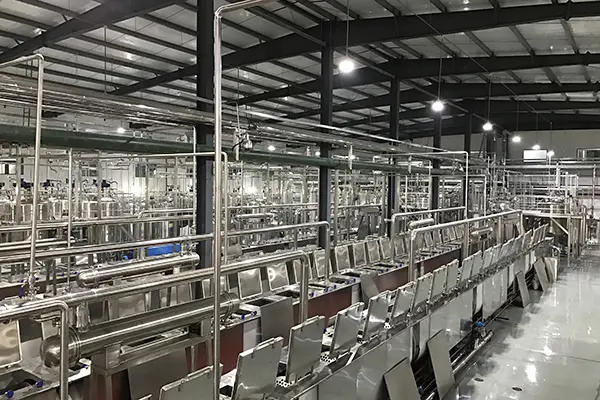
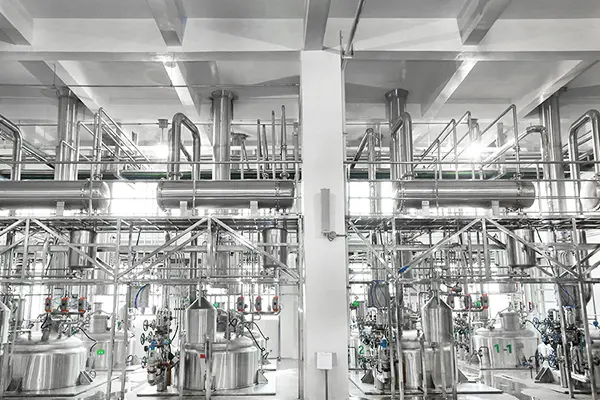
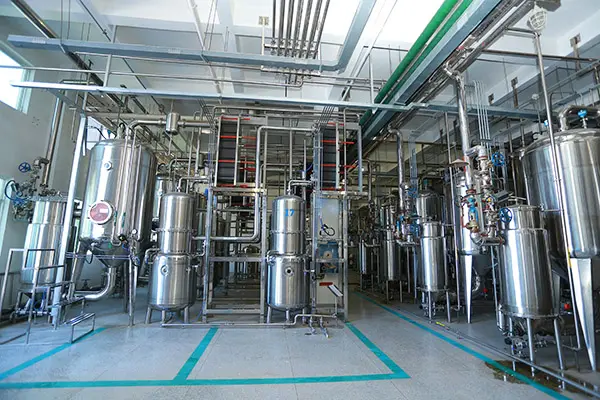
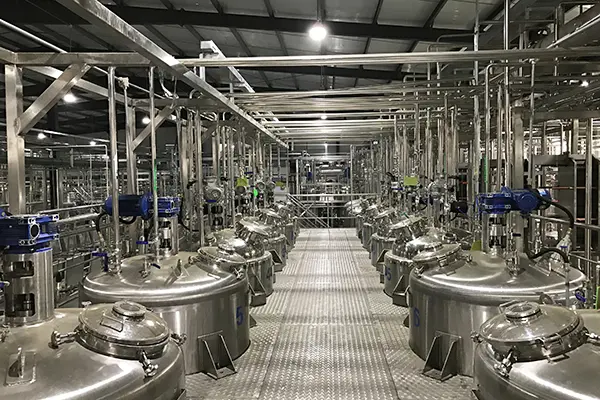
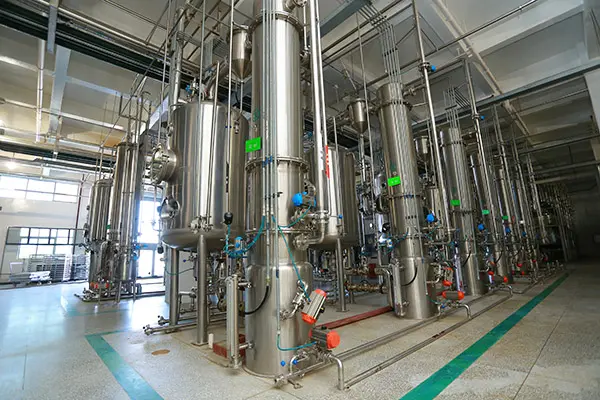
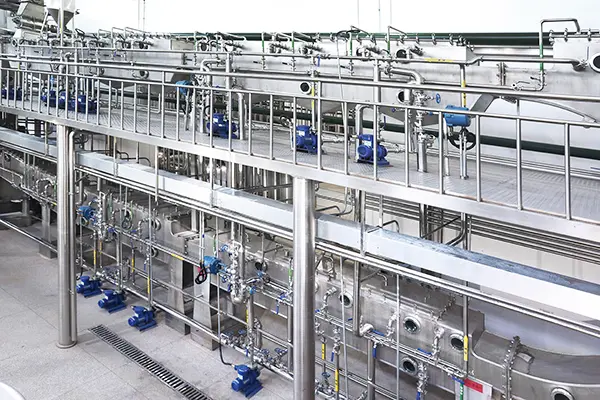
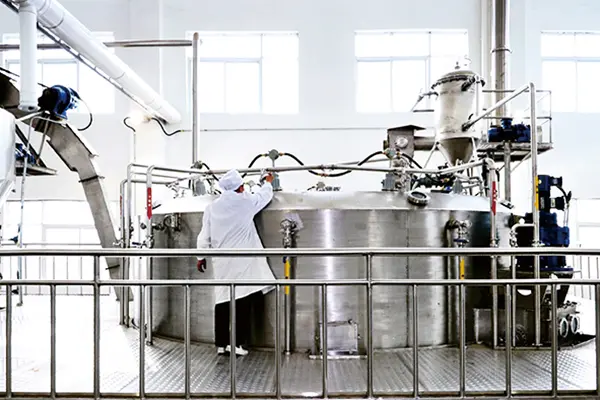
UniCare attaches great importance to the hardware conditions of production equipment and has the largest and most advanced extraction factory in China.
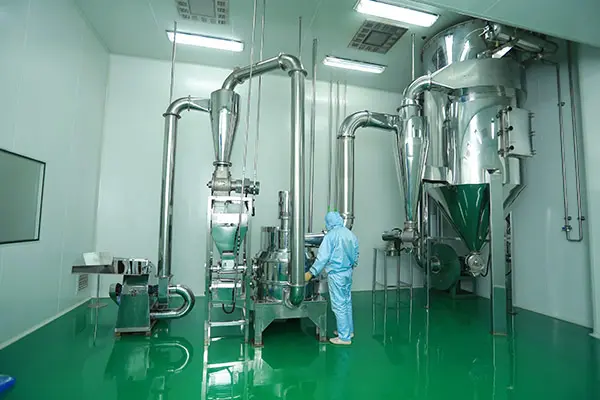
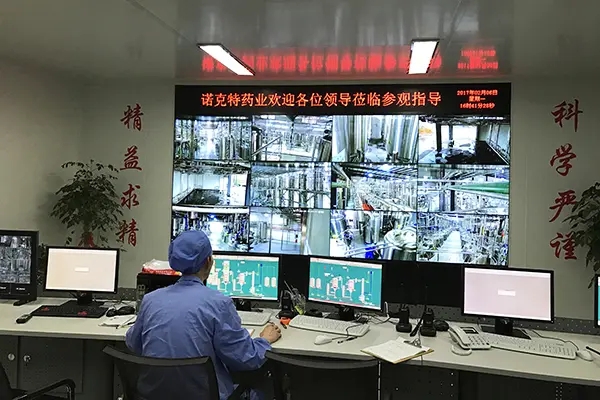
The entire production line in UniCare is controlled by a modern, intelligent, automatic control system. Until now, UniCare has built up two GMP workshops, containing six multi-functional extraction lines, among which there is the only production line for Ginkgo Biloba Extract of acetone process in the whole China. Here are several other production lines including fermentation production lines and Chinese medicine pieces. A total of 30,000 tons of various Chinese medicine plant raw materials can be processed each year.

The factory has successfully passed the China GMP certification and maintains continuous compliance audits.

EU-GMP and CEP certifications achieved specifically for our signature Ginkgo Biloba Extract.

All extraction lines adopt modern, intelligent, and fully automated PLC/SCADA control systems.

Equipped with the most sophisticated and efficient extraction hardware available in China.

Capable of processing 30,000 tons of Chinese herbs and botanical raw materials per annum.

3 annular dynamic countercurrent lines (10T & 15T); 2 multi-functional lines (32 tanks of 6m³); 1 round countercurrent line (10T).

The only acetone-process line for Ginkgo Biloba in China meeting stringent EU-GMP parameters.
Owns six 20-ton fermentation tanks optimized for enzyme-modified products and bioactive bio-synthesis.
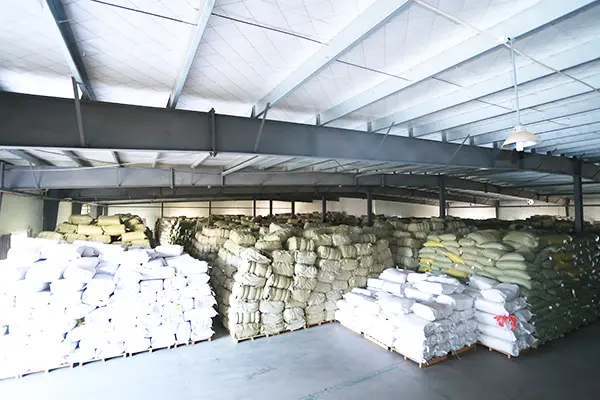
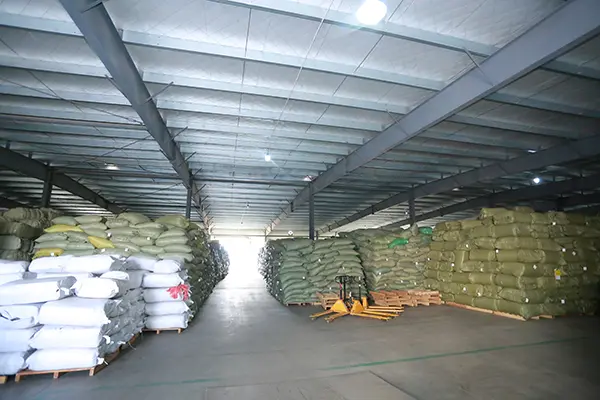
Ensuring stable botanical supply and pricing competitiveness through smart automation, logistics optimization, and sustainable agriculture.
In the global herbal extraction landscape, market dynamics demand both pricing agility and absolute batch-to-batch consistency. The traditional model of small-scale, labor-intensive extraction is highly susceptible to process drift, local power grid shocks, and material variations. UniCare counters these industry vulnerabilities by implementing Factory 4.0 parameters across all joint production centers.
Our automation relies on advanced DCS (Distributed Control Systems), keeping variables such as extraction duration, pressure gradients, and solvent-to-herb ratios within strict 1% tolerances. By optimizing energy recycling and automated solvent recovery, we minimize utility overheads. This structural efficiency is passed directly to B2B buyers in the form of competitive, contractually locked pricing structures.
Furthermore, climate fluctuations present significant supply chain risks. Droughts or excessive rain can drastically alter the concentration of phytochemical markers like Silymarin in Milk Thistle or Synephrine in Orange Peel. To secure consistent raw feeds, we manage localized partnerships and GACP-compliant (Good Agricultural and Collection Practices) planting bases. Our strategic raw reserves buffer client operations from geopolitical and logistics spikes, serving as a reliable partner to key global buyers.
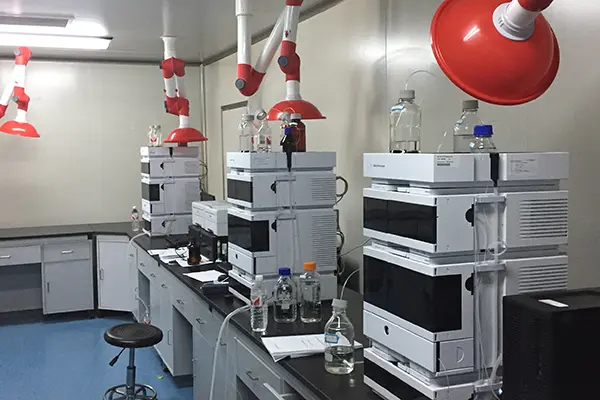
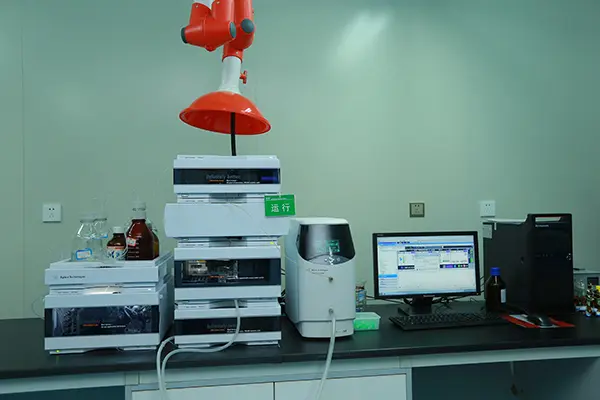
United New Life has established a leading and complete quality control system, and strictly controls the high quality of products in accordance with the quality system.
With advanced testing instruments, strict control of product quality, to provide every customer with high quality products. Detectable items include: Signature component detection (HPLC or UV), solvent residues GC, pesticide residues (organochlorine detection) GC-MS-MS, heavy metals (lead, arsenic, mercury, cadmium, copper) ICP-MS microscopic identification, moisture, dry weight loss, ash, microbial limits, thin layer identification, weighing, conductivity, pH, sulfur dioxide residue, routine detection, etc.
Important testing instruments: Two UHPLC Agilent 1290 ultra-high performance liquid chromatographs, four HPLC Agilent 1260 high performance liquid chromatography sets, two HPLC Shimadzu LC-20AT high performance liquid chromatographs, two HPLC Dionex UltiMate 3000, two Shimadzu evaporative light scattering detectors 2000ES, one Shimadzu GC2010 gas chromatograph, and one Shimadzu AA-7000 atomic absorption system.
| Quality Control Items | Parameters & Methodologies |
|---|---|
| Active Ingredient Analysis | Assay, identification via HPLC/UV |
| Hazardous Substance Analysis | Heavy metals (ICP-MS), pesticide residue, residual solvent limits (GC) |
| Microbe Analysis | Total aerobic plate count, Escherichia coli, Yeast & mould, specific pathogen screens |
| Raw Material Control | Pesticide residue, allergen screening, GMO testing, geographical origin verification |
| Laws & Regulations Confirmation | Investigation and research of compliance laws of China, USA, EU, and other destination markets |
| Stability Test | Guarantee the shelf life according to real-time and accelerated stability studies |
| Others | pH value, moisture, ash, optical rotation, particle size, bulk density, etc. |
| Chromatography Systems | Detection Systems | Spectrometry & Analytical Systems |
|---|---|---|
| UHPLC, Agilent 1290 (×2) | ELSD, Shimadzu 2000ES (×2) | Shimadzu AA-7000 (×1) |
| HPLC, Agilent 1260 (×4) | Shimadzu GC-2010 (×1) | Dionex UltiMate 3000 (×2) |
| HPLC, Shimadzu LC-20AT (×2) | - | ICP-MS Metal Analyzer |
◎ The Central Lab covers an expansive testing area and is fully qualified by CNAS standards to ensure testing reliability.
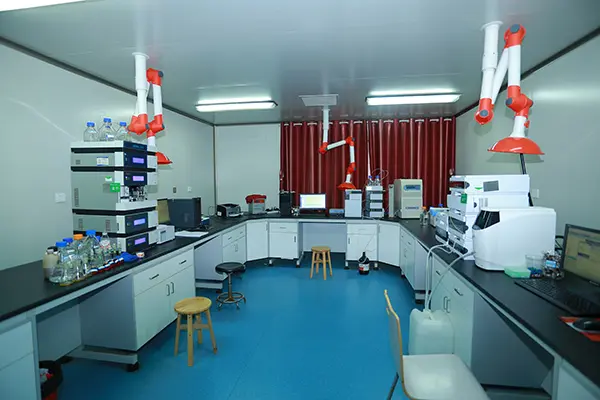
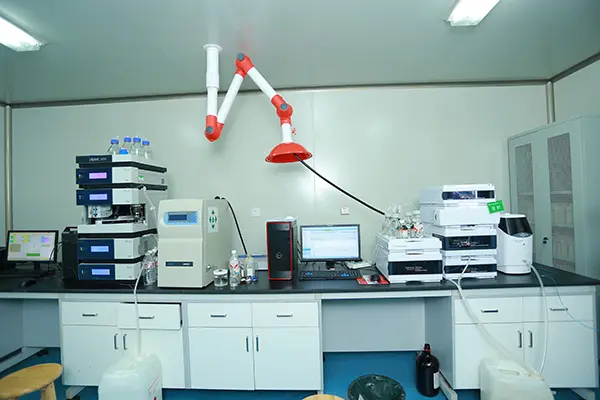
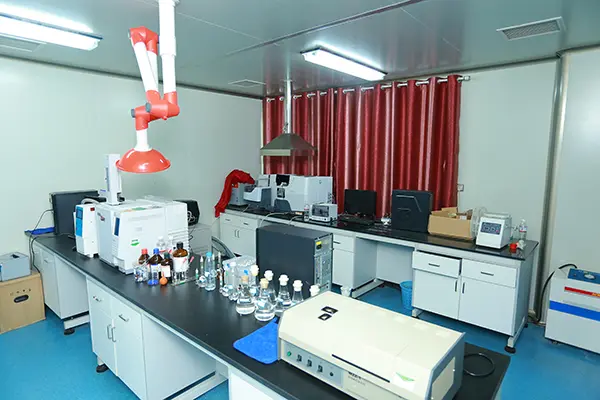
Upstream control, seedling optimization, and scientific partnerships are key to maintaining our quality leadership.

UniCare invests 10% of our annual net profit in research and development. In addition to optimizing and developing the existing natural plant extraction process, we have also established a professional R&D department for the natural fermentation products. By increasing investment in natural fermentation products, we try to break through the traditional processes and disrupt industry development.
UniCare has deep cooperation with Beijing University of Chemical Technology in the field of fermentation, jointly developing and transforming the new raw materials of pharmaceutical, cosmetic, and natural health products into mass-produced products.
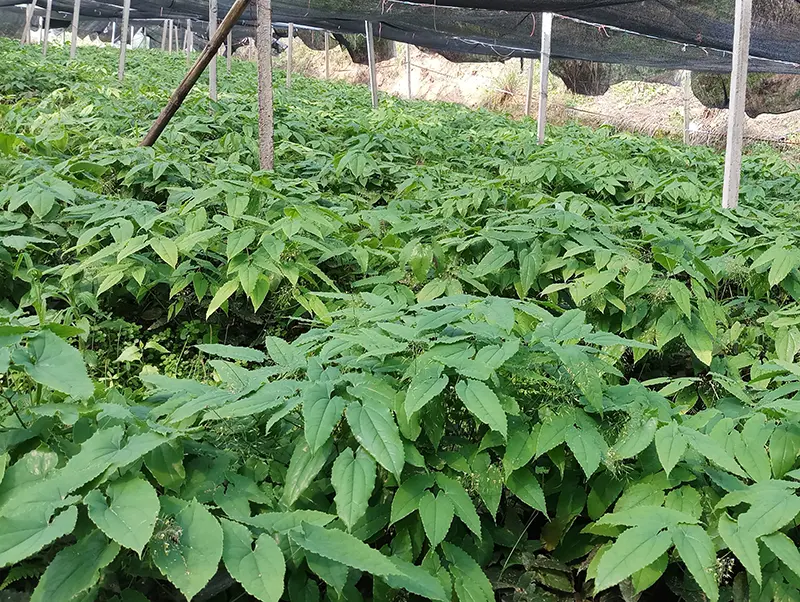
In order to control raw materials more efficiently and with higher quality, a raw material procurement system has been established, which extends procurement to every piece of planting land and can trace the raw materials of each batch of products. The storage of raw materials is operated according to the advanced quality management system process, and the content of active ingredients, moisture, ash, heavy metals, pesticide residues and other items of raw materials are strictly controlled.
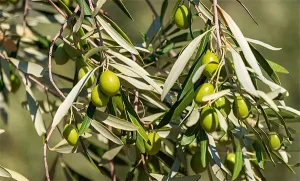
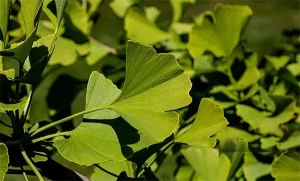
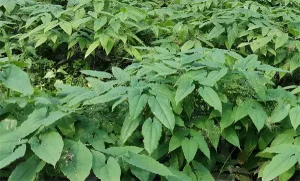
At the same time, in order to further ensure the high quality of important products, UniCare cooperated with planting farmers to establish ginkgo leaf planting bases, epimedium planting bases, phellodendron planting bases, olive leaf planting bases, etc. Some of these bases are planted strictly in accordance with the GACP management model. In addition, we cooperate with seedling research and development companies to develop high-content seedling cultivation, and cultivate better seedlings through hybridization or gene optimization, so as to continuously reduce unit costs to benefit users.
Everything you need to verify concerning extraction solvents, certifications, pesticide testing, and shipping logistics.
We utilize precise dynamic countercurrent extraction coupled with continuous temperature controls. Every batch is analyzed via UHPLC Agilent 1290 systems to verify that specific target markers (such as Synephrine or Hesperidin) align with specification sheets (typically from 6% to 98% assays). If agricultural batches show slight variances, we selectively blend standardized botanical lots to maintain a uniform specification profile.
In Europe and key global markets, solvent limits and purity metrics for Ginkgo Biloba are exceptionally stringent. We operate the only specialized acetone-process production line in China that fully conforms to EU-GMP standards. This specialized line allows us to minimize undesirable alkylphenols (ginkgolic acids) to below 5 ppm, which is critical to satisfying European and North American safety thresholds.
All outbound batches undergo GC-MS-MS and ICP-MS testing in our CNAS-qualified laboratory. We test raw materials from the harvesting stage onwards. Residual solvents are monitored using gas chromatography to comply with Class 2 and Class 3 residual solvent requirements specified by USP and EP guidelines.
Yes. We understand that different final formulations (e.g., hard capsules, direct compress tablets, instant beverage powders) require distinct particle traits. We offer custom milling, sifting, and granulation services. We can customize powder specs from 80 mesh down to super-fine 200 mesh, as well as adjust bulk density and tap density parameters upon request.
Full traceability, superior purity, and reliable year-round supply. Contact us today for technical specifications and contract manufacturing quotes.