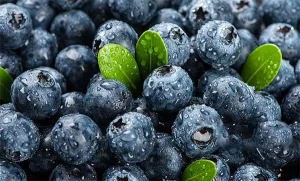
Standardized phytochemical formulations optimized for tropical storage stability, pharmaceutical compounding, and functional food production across Sub-Saharan Africa.
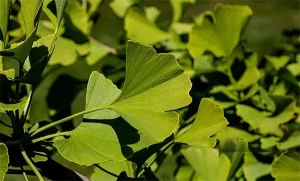
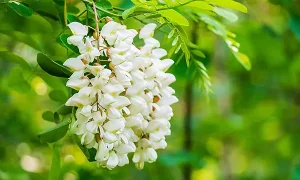
An analytical breakdown of functional ingredient consumption patterns, supply chain challenges, and demographic trends shaping the Nigerian market.
In recent years, Nigeria has witnessed a profound paradigm shift in consumer behavior concerning preventative health, dietary lifestyles, and functional nutrition. With a rapidly growing population exceeding 220 million and an expanding urban middle class concentrated in metropolitan hubs like Lagos, Abuja, Port Harcourt, and Kano, the demand for natural active ingredients has transitioned from niche premium markets to core industrial food, beverage, and wellness sectors. In particular, Blueberry Powder (derived from high-potency anthocyanin-rich Vaccinium species) has emerged as a high-demand import commodity.
The local commercial landscape for blueberry powder in Nigeria is driven by two main sectors: the expanding food and beverage processing industry looking for clean-label, natural colorants and antioxidants; and the domestic pharmaceutical and nutraceutical compounding labs seeking standardized active ingredients. Despite the immense domestic demand, local cultivation of blueberries remains biologically and climatically unfeasible due to Nigeria's tropical climate zones. Consequently, Nigerian manufacturers are heavily reliant on importing high-grade, microencapsulated, and spray-dried/freeze-dried blueberry powders from specialized global extraction factories.
Operating successfully within the Nigerian market requires a deep understanding of local compliance frameworks and environmental challenges. Key factors include:
Global crop production dynamics, extract technology trajectories, and raw material sourcing indicators.
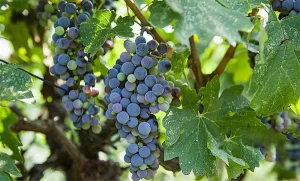
The global market for blueberry powders and extracts is experiencing a steady compound annual growth rate (CAGR), driven by the universal consumer demand for dietary antioxidants, specifically anthocyanins, pterostilbene, and proanthocyanidins. The industrial supply chain involves raw agricultural sourcing, processing, drying, and active ingredient standardization. Globally, raw materials are divided into wild lowbush blueberries (Vaccinium myrtillus or wild Vaccinium angustifolium), which yield higher antioxidant concentrations, and cultivated highbush blueberries (Vaccinium corymbosum), which provide higher bulk volume.
To ensure high quality, global processing factories must secure sustainable supply agreements with raw crop producers. The extraction of active botanical compounds requires sophisticated, multi-stage processing systems that include clean-room extraction, membrane filtration, vacuum concentration, and either freeze-drying (preserving structural matrix integrity) or spray-drying (providing cost-efficient bulk powder volumes). The international market requires compliance with stringent systems, including ISO 9001, HACCP, GMP, EU-GMP, and CEP, which are standard protocols across our partner facilities.
Advanced extraction factories have shifted focus from simple dehydrated fruit powders to highly standardized dry extracts. While basic fruit powders contain variable, non-standardized nutrient contents, industrial processors require standardized Anthocyanin concentrations (typically ranging from 5% to 25% or 36% via HPLC/UV-Vis testing methods). This standardization allows pharmaceutical and food manufacturers in Nigeria to calculate exact dosage formulations, ensuring batch-to-batch consistency and therapeutic reliability.
Practical applications of imported blueberry powder in Nigeria's commercial production lines.
Nigerian beverage producers utilize microencapsulated blueberry powder in powdered formulation mixes (such as fortified Hibiscus/Zobo powder blends, dairy powders, and fruit juice concentrates) to deliver natural berry flavoring and deep antioxidant pigments that resist fading in hot climates.
With cardiovascular health and metabolic management rising in priority among Nigerian consumers, local pharmaceutical manufacturers compress our standardized blueberry powder into tablets or encapsulate it with vitamins and minerals for target vision health and anti-inflammatory markets.
The Nigerian skin-care and cosmetics manufacturing industry is rapidly expanding. Blueberry powder extracts, rich in anthocyanins, serve as active anti-aging, photoprotective, and skin-brightening agents in localized creams, lotions, and soaps designed for tropical skin protection.
Emerging technologies and research vectors shaping the future of global botanical extraction.
As international regulatory frameworks enforce stricter chemical and agricultural residual parameters, the botanical extraction industry is undergoing significant technological developments. Future innovations include:
1. Clean Extraction and Membrane Technology: High-efficiency separation techniques like supercritical carbon dioxide (CO2) extraction and ultrafiltration membrane separation are replacing traditional solvent processes. These advanced methodologies minimize chemical waste, prevent thermal damage to delicate anthocyanins, and produce a chemical residue-free, clean-label product suitable for global standards.
2. Bioavailability Enhancements: While standard anthocyanins are highly sensitive to gastrointestinal digestion, newer formulation techniques like lipid-based nano-emulsions, liposomal encapsulation, and protein-polyphenol complexes are designed to shield active molecules, allowing higher metabolic absorption rates in the human body.
3. Advanced Traceability and Plant Breeding: In collaboration with scientific institutions, nurseries are breeding improved plant strains to naturally increase the concentrations of target compounds. This process uses advanced non-GMO selective hybridization to cultivate high-potency raw crops, reducing production costs and making premium active ingredients more accessible.
UniCare is a professional supplier of natural active ingredients. Our products are widely used in various fields such as dietary supplement, food, cosmetics and pharmaceuticals. We focus on product development and quality stability, and insist on growing together with our customers around the world.
UniCare has deep cooperation with several excellent Chinese manufacturers who have complete quality management system certifications, including but not limited to GMP, EUGMP, CEP, ISO9001, ISO22000, and HACCP. Each factory has independent testing capabilities and is equipped with advanced and efficient testing equipment to ensure the high quality and long-term stability of each batch of products.

Guiding principles fueling our innovation, quality standards, and community development programs.

Unlocking phytotherapeutic potential and active compound pathways from organic raw materials.

Refining chemical separation techniques and process controls to improve product stability.

Utilizing intelligent automation to produce high-purity botanical products at scale.

Supporting local farming communities through GACP-compliant sourcing initiatives.

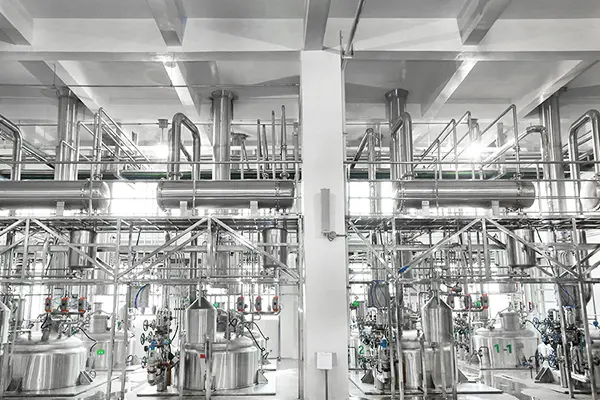
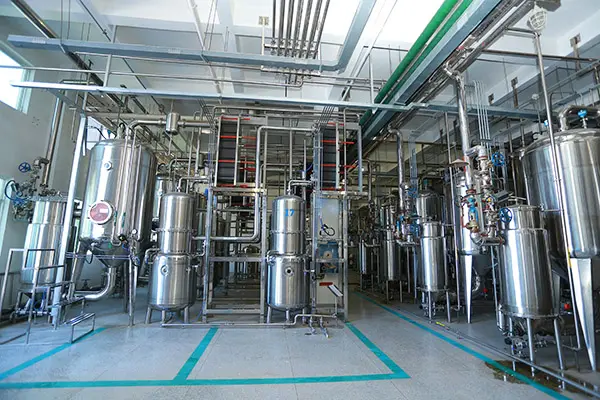
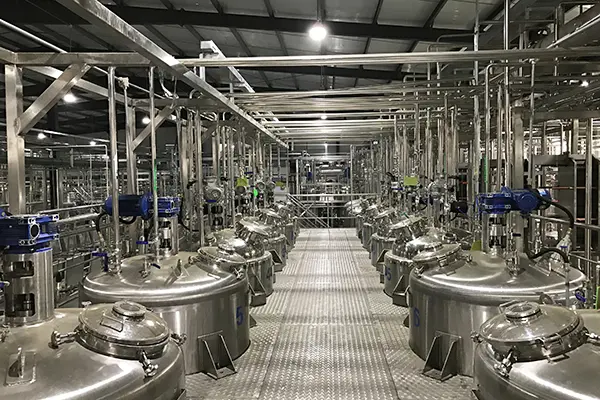
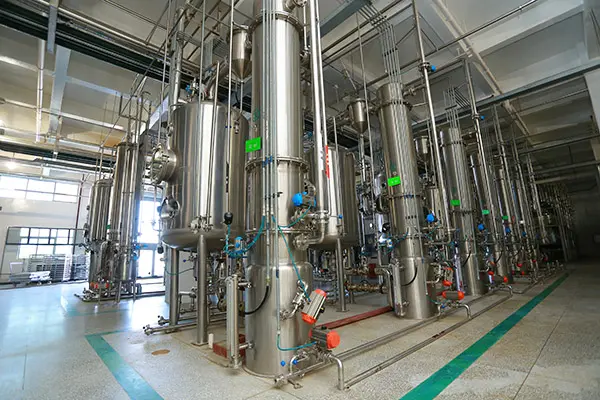
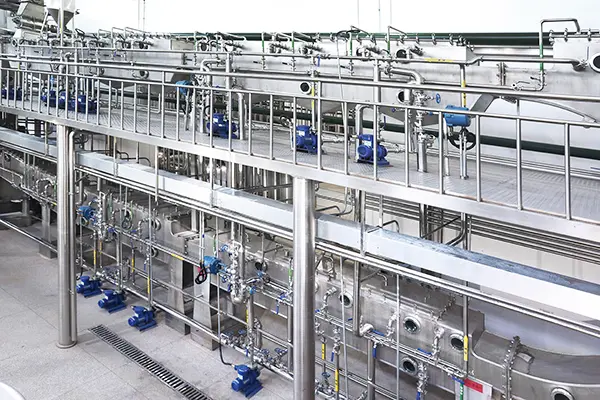
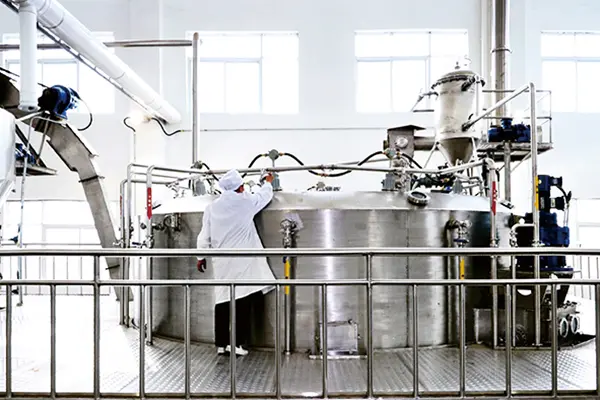
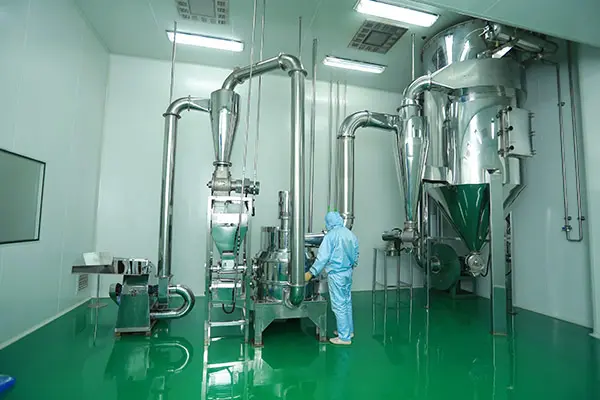
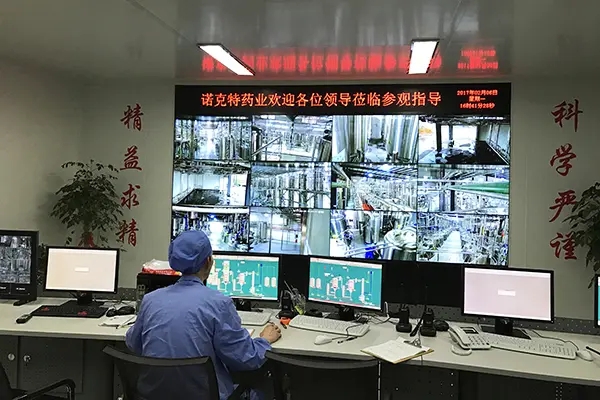
UniCare attaches great importance to the hardware conditions of production equipment and has the largest and most advanced extraction factory in China. The entire production line in UniCare is controlled by a modern, intelligent, automatic control system.
Until now, UniCare has built up two GMP workshops, containing six multi-functional extraction lines, among which there is the only production line for Ginkgo Biloba Extract of acetone process in the whole China. Here are several other production lines including fermentation production lines and Chinese medicine pieces. A total of 30,000 tons of various Chinese medicine plant raw materials can be processed each year.
United New Life/UniCare has established a leading and complete quality control system, and strictly controls the high quality of products in accordance with the quality system.
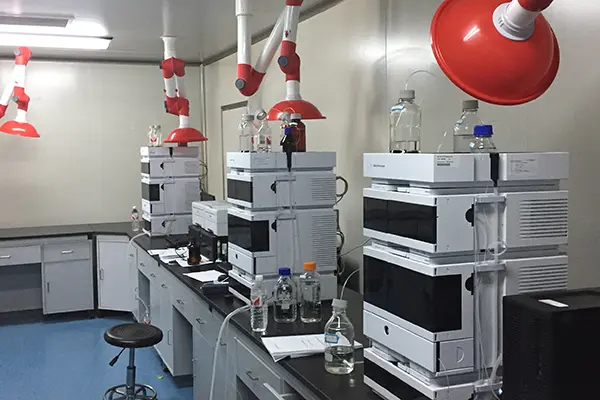
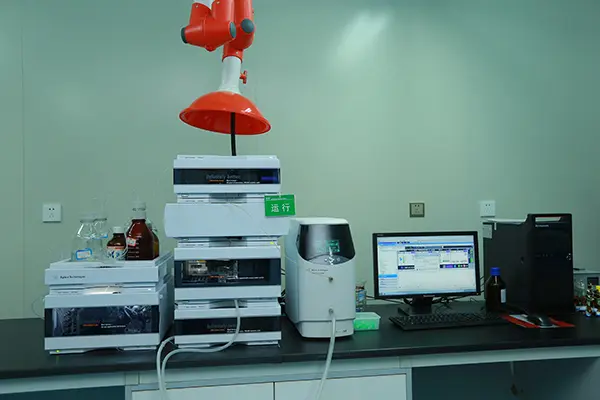
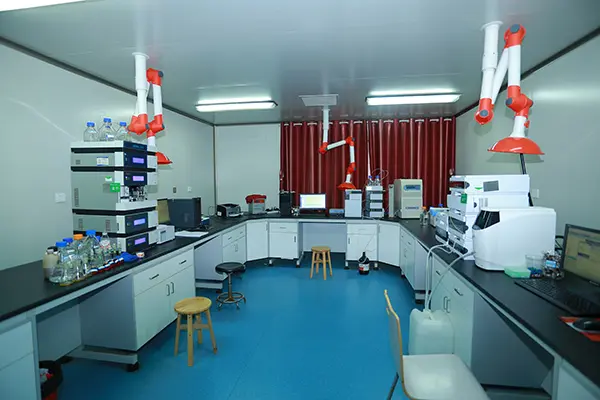
With advanced testing instruments and strict control of product quality, we provide every customer with high quality products. Detectable items include: Signature component detection (HPLC or UV), solvent residues GC, pesticide residues (organochlorine detection) GC-MS-MS, heavy metals (lead, arsenic, mercury, cadmium, copper) ICP-MS microscopic identification, moisture, dry weight loss, ash, microbial limits, thin layer identification, weighing, conductivity, PH, sulfur dioxide residue, routine detection, and more.
Our key analytical instruments include: Two UHPLC Agilent 1290 ultra-high performance liquid chromatographs, four HPLC Agilent 1260 high performance liquid chromatography sets, two HPLC Shimadzu LC-20AT high performance liquid chromatographs, two HPLC Diane CU3000, two Shimadzu evaporative light scattering detectors 2000ES, one Shimadzu GC2010 gas chromatograph, and one Shimadzu AA-7000 atomic absorption system. The partner factories' central laboratory is qualified by CNAS.
| Quality Control Category | Testing Parameters & Analyzed Items |
|---|---|
| Active Ingredient Analysis | Assay, identification, chemical footprinting, purity indexes |
| Hazardous Substance Analysis | Heavy metals, pesticide residues, residual processing solvents (GC) |
| Microbiological Analysis | Total plate count, E. coli, yeasts & molds, pathogenetic bacterial limits |
| Raw Material Control | Traceability, allergen origin check, GMO screening, species authentication |
| Laws & Regulations Confirmation | Regulatory compliance audits for Chinese, EU, FDA, and destination country frameworks (e.g. NAFDAC Nigeria) |
| Stability Testing | Accelerated and long-term climate chamber shelf-life validation |
| Physical/Chemical Routine Analysis | pH value, moisture content, ash, optical rotation, mesh particle size, tap density, etc. |
| Instrument Reference | Quantity | Analytical Purpose |
|---|---|---|
| UHPLC, Agilent 1290 | 2 Units | Ultra-high-speed purity assay and molecular profiling |
| HPLC, Agilent 1260 | 4 Units | Quantitative analysis of active chemical markers |
| HPLC, Shimadzu LC-20AT | 2 Units | Routine active marker assays |
| ELSD, Shimadzu 2000ES | 2 Units | Evaporative light scattering detection for non-UV absorbing molecules |
| Shimadzu GC-2010 | 1 Unit | Residual organic solvent screening |
| Shimadzu AA-700 | 1 Unit | Atomic absorption spectrometry for heavy metal limits |
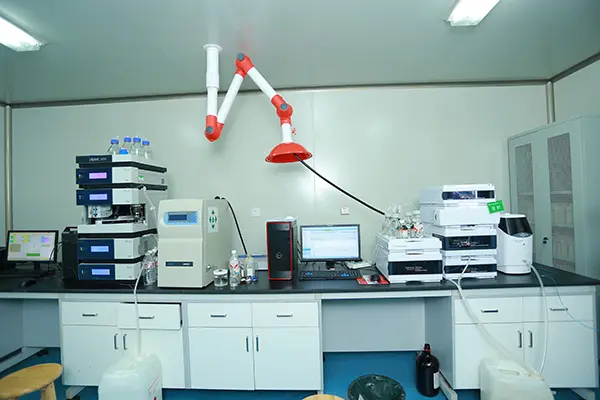
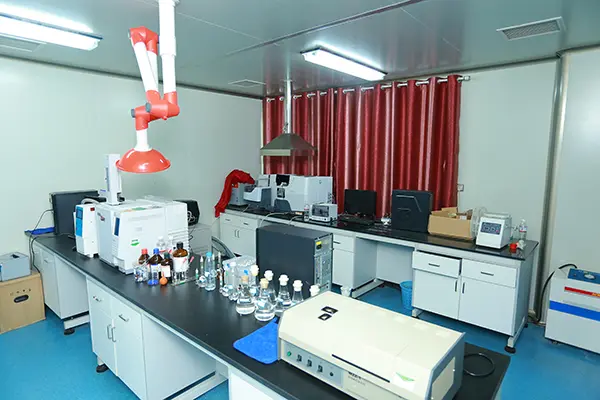
UniCare invests 10% of our annual net profit in research and development. In addition to optimizing and developing the existing natural plant extraction process, we have also established a professional R&D department for the natural fermentation products. By increasing investment in natural fermentation products, we try to break through the traditional processes and disrupt industry development.
UniCare has deep cooperation with Beijing University of Chemical Technology in the field of fermentation, jointly developing and transforming the new raw materials of pharmaceutical, cosmetic, and natural health products into mass-produced products.

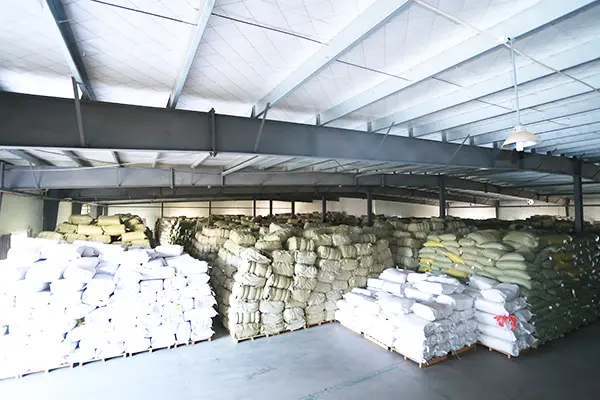
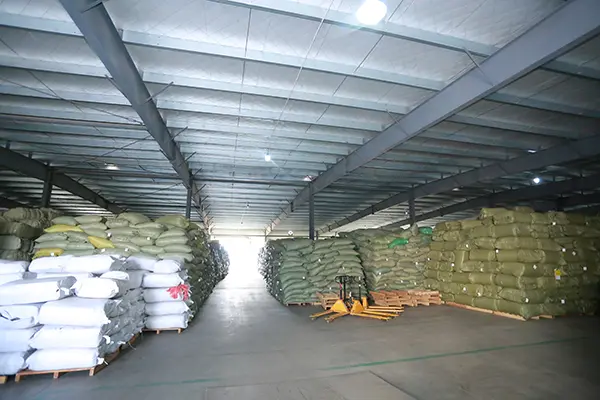
In order to control raw materials more efficiently and with higher quality, a raw material procurement system has been established, which extends procurement to every piece of planting land and can trace the raw materials of each batch of products. The storage of raw materials is operated according to the advanced quality management system process, and the content of active ingredients, moisture, ash, heavy metals, pesticide residues and other items of raw materials are strictly controlled.
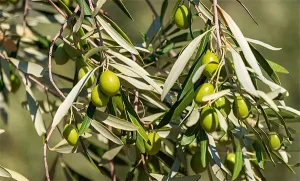
At the same time, in order to further ensure the high quality of important products, UniCare cooperated with planting farmers to establish ginkgo leaf planting bases, epimedium planting bases, phellodendron planting bases, olive leaf planting bases, etc. Some of these bases are planted strictly in accordance with the GACP management model. In addition, we cooperate with seedling research and development companies to develop high-content seedling cultivation, and cultivate better seedlings through hybridization or gene optimization, so as to continuously reduce unit costs to benefit users.
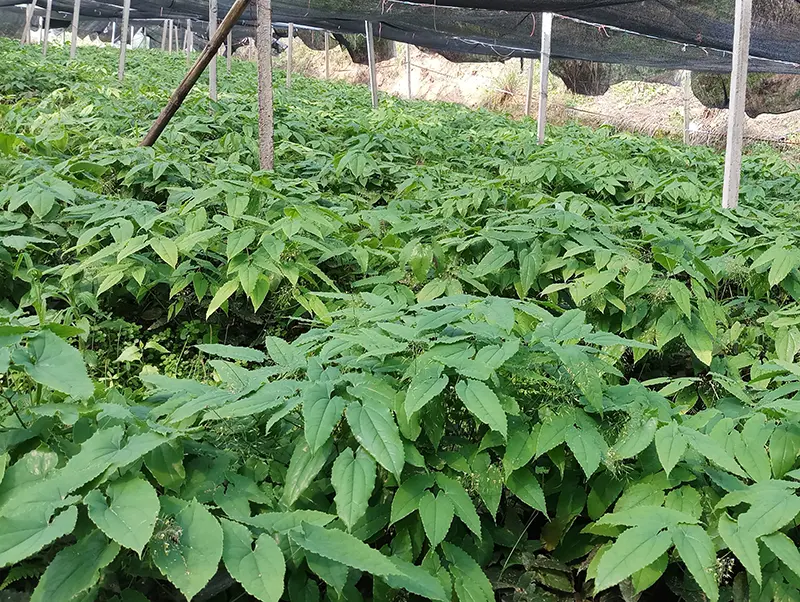
An overview of our production assets, extraction units, and warehousing operations.
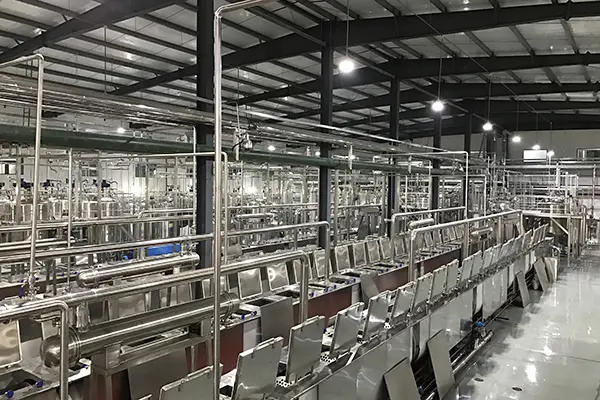
Solving importing, storage stability, and chemical formulation challenges for local processors.
To assist Nigerian manufacturers in navigating import processes and product stability challenges, UniCare has developed a set of macro-industry solutions:
Technical and regulatory answers regarding botanical extracts and blueberry powders.
Explore our full line of botanical extracts, compiled and tested under strict CNAS lab oversight for pharmaceutical and food formulation compliance in West Africa.