Standardized botanical extracts optimized for maximum radical scavenging activity and industrial processing stability.
Unveiling the shifts in consumer demand, biochemical innovation, and therapeutic delivery formats.
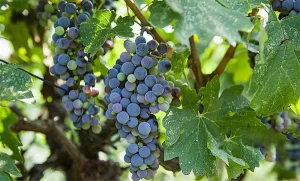
Formulators are moving away from isolated single-compound doses. The current trend focuses on multi-component botanical synergy—such as combining Grape Seed Extract's OPCs with Resveratrol or Green Tea's EGCG to amplify cell-membrane permeability and sustained antioxidant kinetics.
Global regulators and conscious consumers demand solvent-free botanical processing. Supercritical CO2 fluid extraction and targeted water/ethanol solvent processes are replacing chlorinated solvents, ensuring zero trace toxicity profiles in industrial raw ingredients.
To secure raw material supply, modern phytochemistry relies heavily on advanced enzymatic transformations and precision bacterial fermentation. This allows for high-yield, bio-identical synthesis of premium compounds like Fisetin, Resveratrol, and Berberine HCl.



Applying functional biochemistry to isolate novel bioactive target molecules.

Continually optimizing compound solubility, thermal stability, and purity profiles.

Utilizing state-of-the-art countercurrent extraction and advanced filtration lines.

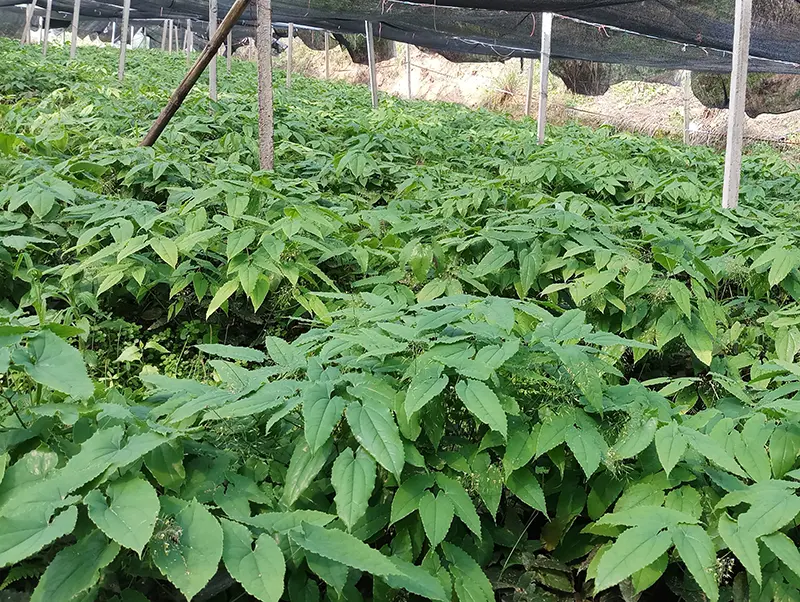
Fostering sustainable farming communities and implementing zero-waste practices.
How digital integration and automated extraction scale ensure reliable, high-yield compound delivery.

Our entire extraction facility has successfully cleared China GMP audits, establishing a solid baseline for export-ready pharmacological and food-grade safety standards.

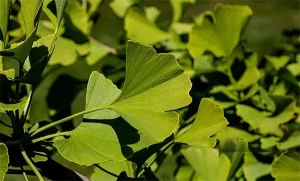
Our Ginkgo Biloba Extract production utilizes advanced acetone extraction systems, fully compliant with European Pharmacopoeia (Ph. Eur.) monographs.

We deploy closed-loop SCADA and DCS systems across all lines to monitor key physical inputs—temperature, vacuum pressure, flow rate, and solvent ratios—in real-time.

Equipped with three annular dynamic countercurrent extraction lines (10-ton & 15-ton configurations) and two multi-functional lines featuring 32 automated 6m³ extraction tanks.

Operating China's exclusive acetone-process extraction line for Ginkgo Biloba, achieving the lowest residual solvent levels and high therapeutic consistency.
Our bio-manufacturing unit utilizes six advanced 20-ton fermentation tanks to run controlled biotransformations and isolate complex enzyme-modified products.
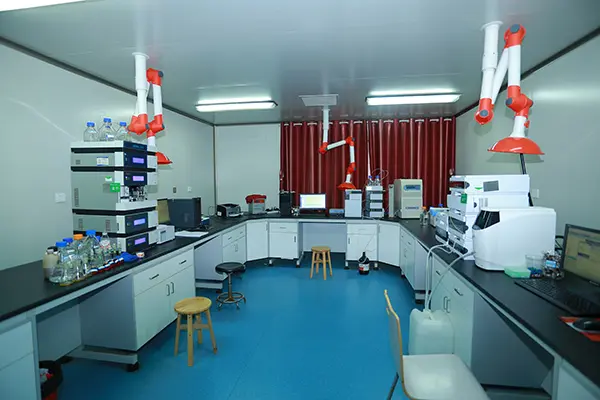
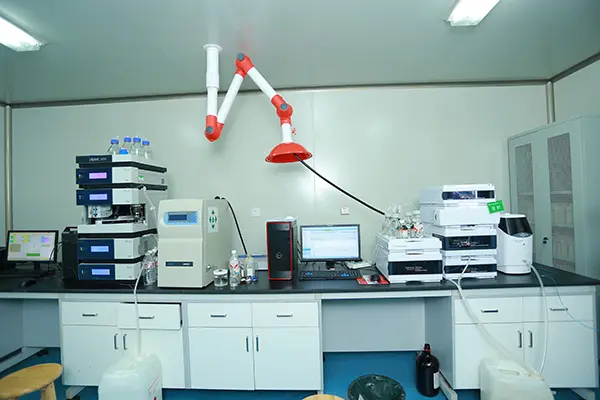
Rigorous testing methodology validating identity, potency, purity, and safety parameters.
| Testing Domain | Specific Analytical Items | Analytical Instrument & Methodology |
|---|---|---|
| Active Constituent Assay | Target compound identification, purity profiling, isomeric distribution, and fingerprint verification. | UHPLC (Agilent 1290), HPLC-DAD (Agilent 1260, Shimadzu LC-20AT, Dionex CU3000), UV-Vis. |
| Pesticide Residue Analysis | Screening for organochlorines, organophosphates, and over 200 common agricultural pesticides. | GC-MS/MS (Shimadzu GC-2010), LC-MS/MS. |
| Heavy Metal Quantification | Ultra-trace detection of Lead (Pb), Arsenic (As), Mercury (Hg), Cadmium (Cd), and Copper (Cu). | ICP-MS, Atomic Absorption Spectroscopy (Shimadzu AA-7000). |
| Solvent Residue Testing | Validation of safe limits for residual extraction solvents (Ethanol, Acetone, Ethyl Acetate, Hexane). | Headspace Gas Chromatography (HS-GC-FID). |
| Microbiological Evaluation | Total aerobic microbial count (TAMC), yeasts, molds, and absence of pathogens (E. coli, Salmonella). | Cleanroom incubation, PCR verification, selective media cultivation. |
| Physical Characteristics | Bulk density, tap density, particle size distribution, moisture content (Karl Fischer), ash residue, and pH. | Laser diffraction sizing, moisture analyzer, muffle furnace, polarimeters. |
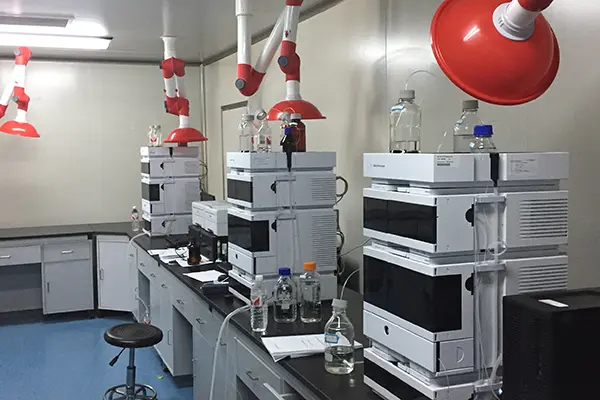
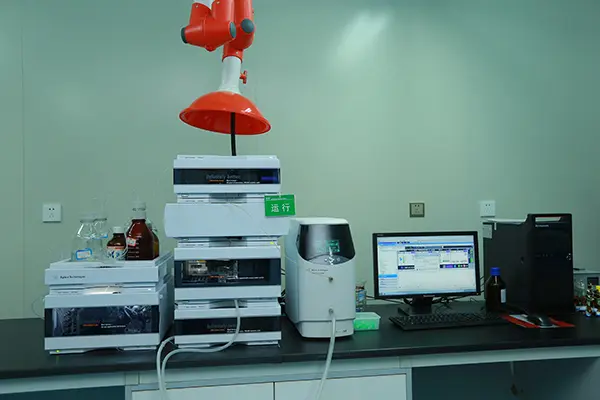
Ultra-High Performance Liquid Chromatography for rapid separation & high resolution.
Reliable workhorse chromatography for routine batch assay and purity validation.
Double-plunger pump HPLC systems ensuring exceptional flow rate precision.
Atomic Absorption spectrophotometry for sub-ppb level heavy metal quantification.
Translating botanical science and biological synthesis into industrial active ingredients.

Resolving industrial challenges for clean-label, stable, and highly bioavailable finished products.
The Challenge: Achieving clear water solubility without sedimentation or astringent flavor.
Our Solution: Micro-milled spray-dried powders and carrier-free water-soluble variants (e.g., our cold-water-dispersible Green Tea and Grape Seed Extracts).
The Challenge: Powder flowability, high tap density, and avoiding cross-reactions during high-speed compression.
Our Solution: Standardized granulations with controlled particle size distribution (PSD) designed for high-throughput tableting equipment.
The Challenge: Transdermal absorption, color stability, and preventing oxidation in emulsion systems.
Our Solution: Decolorized, high-purity variants (like our 98% Resveratrol and select Fisetin grades) optimized for stable formulation color.
Key questions regarding specification matching, supply chain logistics, and quality assurance.
We use a three-step control system: first, we standardize raw biomass sourcing under GACP parameters; second, we run automated, DCS-monitored extraction parameters; and third, we verify every finished batch using UHPLC and HPLC molecular fingerprint matching against reference standards.
Yes, our R&D facility offers custom concentration profiles, specific particle size distributions (mesh sizes), and solvent-free processing using supercritical CO2 or pure water-ethanol systems.
Every export shipment includes a batch-specific Certificate of Analysis (COA), Allergen Statements, GMO-free Statements, BSE/TSE declarations, Residual Solvent Statements, and complete Safety Data Sheets (SDS) matching target country regulations.
We operate the only acetone-process Ginkgo line in China matching EU-GMP requirements. This process limits ginkgolic acids to below 5 ppm, ensuring low toxicity while preserving the natural balance of active flavonoid glycosides and terpene lactones.
Yes. While our CNAS central lab runs internal checks, we support cross-validation with recognized third-party analytical laboratories (such as SGS, Eurofins, or NSF) to confirm batch parameters before dispatch.
Targeted herbal extracts and refined fermentation compounds for specialized formulation designs.