Discover our comprehensive collection of standardized, active plant ingredients trusted by dietary, cosmetic, and food brands worldwide.
Analysis of agricultural advantages, botanical superiority, and state-of-the-art technological processing.
Berberine is a quaternary ammonium alkaloid found in plants of the genus Berberis, and most notably in the bark of Phellodendron amurense (Amur Cork Tree) and Coptis chinensis (Goldthread). These plants are natively abundant in specific geographical zones within Northern and Southwestern China, providing an unparalleled regional agricultural advantage.
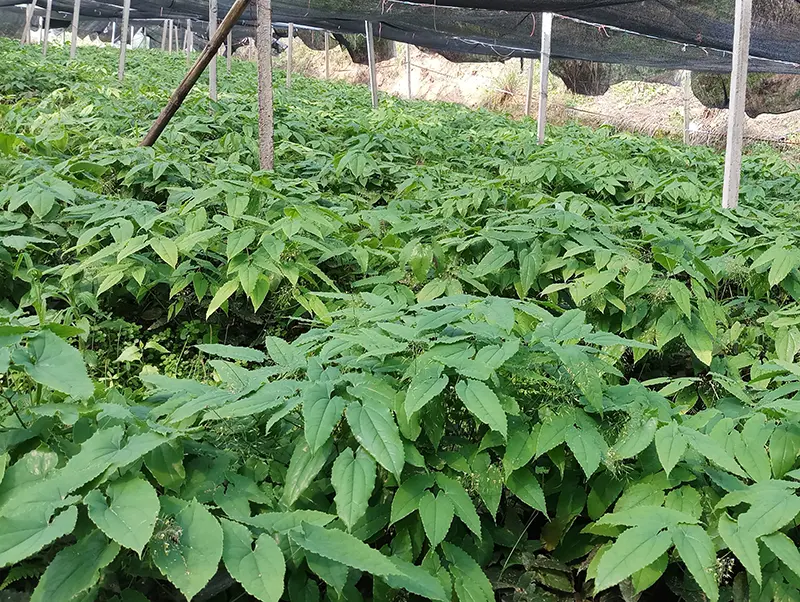
Our collaborative cultivation bases employ strict GACP (Good Agricultural and Collection Practices) models. Cultivation parameters, including soil composition, altitude, and moisture, are systematically calibrated. Through strategic collaboration with advanced plant genetics organizations, we develop high-yield seedling varieties. Gene optimization and selection hybridizations allow us to raise the concentration of raw alkaloids directly in the bark tissue, decreasing waste and yielding a higher potency extract at a reduced primary cost.
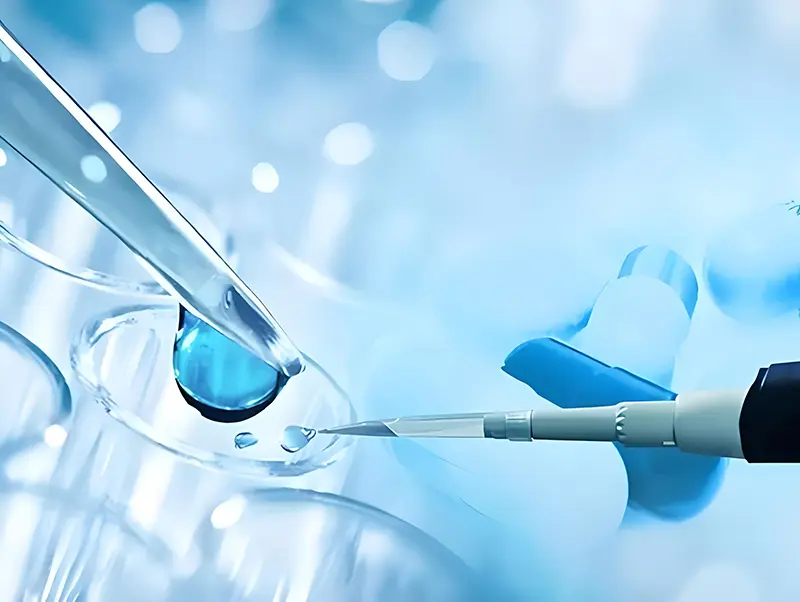
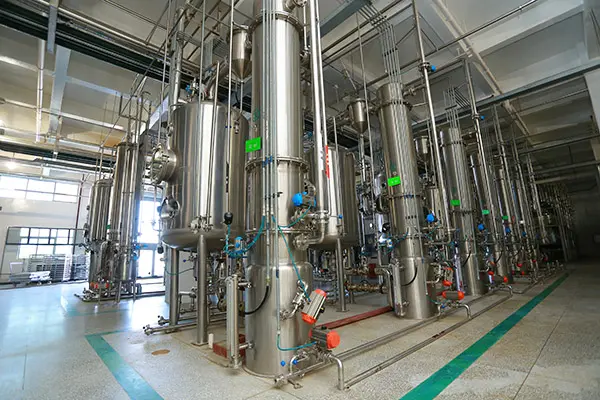
The extraction of high-purity Berberine Bark Powder requires complex, massive-scale processing technology. Leading factories in China are equipped with Annular Dynamic Countercurrent Extraction Lines (up to 15 tons capacity) and automated industrial purification rigs that ensure high yield and crystal uniformity.
Unlike primitive batch boiling methods, modern Chinese facilities use multi-stage reflux technology combined with eco-friendly solvents (ethanol/water mixtures) to optimize alkaloid precipitation. By incorporating industrial recrystallization processes, factories consistently provide standard Berberine Hydrochloride (HCl) at 97% to 98% purity. This reliable processing system keeps moisture levels low, ensures excellent solubility in formulation templates, and maintains heavy metal values well below strict international thresholds.


UniCare stands as a premium developer and wholesale exporter of botanical active ingredients. Operating across the dietary supplement, functional food, pharmaceutical, and cosmetic fields, we build resilient, high-quality botanical supplies tailored for competitive markets.
We rely on structural integration with certified Chinese manufacturers maintaining rigorous quality management frameworks. Our partner factories are certified under GMP, EU-GMP, CEP, ISO9001, ISO22000, and HACCP. Each facility operates independent analytical testing centers equipped to execute precise assays, ensuring consistent batch homogeneity and reliable industrial stability.
Contact Our Logistics TeamGuiding every step of raw cultivation, chemical analysis, and global custom clearing.




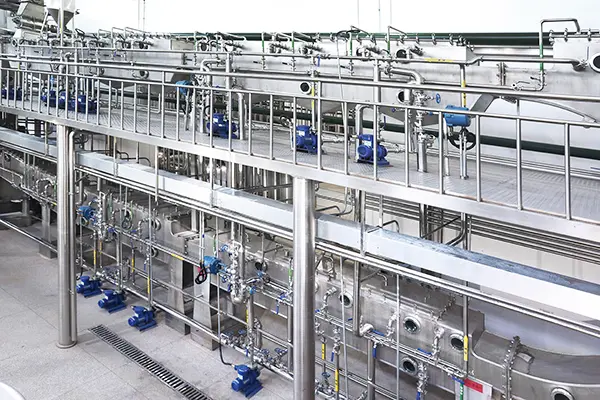
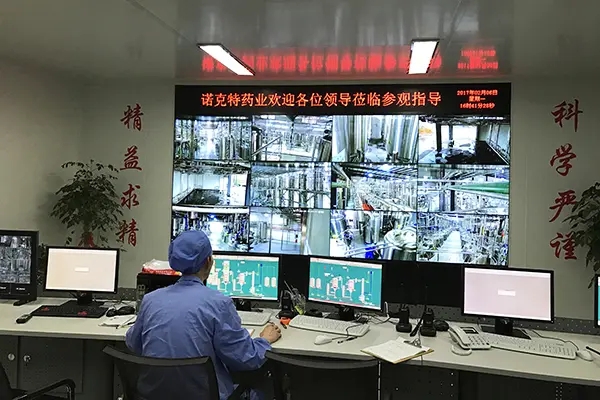
UniCare has engineered some of the largest, modern extraction configurations in East Asia. Powered by smart, central DCS (Distributed Control Systems), our plants operate automatically to limit human variables, guaranteeing highly repeatable extraction yields.
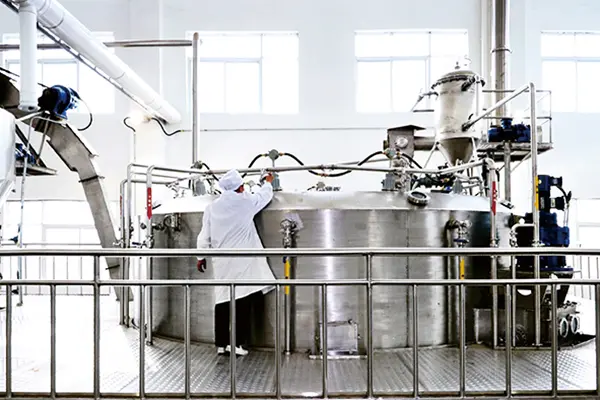
Our site runs two dedicated GMP workshops alongside six multi-functional industrial processing lines. We are proud to house the only acetone-process extraction line for Ginkgo Biloba Extract in China configured to full EU-GMP standards. Annually, our plants process over 30,000 metric tons of crude botanical raw materials, backed by specialized fermentation installations for enzymatic bioconversions.

Our physical facilities adhere completely to state GMP regulations, preserving aseptic pathways during crystallisation.

Ginkgo Biloba extract profiles fully conform to EU monographs, establishing baseline procedures for all extracts.

Intelligent, automated controls monitor solvent temperatures, flow velocities, pressure levels, and dry times.

Equipped with high-efficiency solid-liquid centrifuges, falling film evaporators, and vacuum dryers.

Capability to process 30,000 tons of crude botanicals annually to fulfill enterprise requirements.

Six extraction lines featuring annular dynamic countercurrent setups (10T & 15T) and 32 multi-functional extraction tanks.

Own the only acetone-process Ginkgo Biloba extract line meeting EU GMP standards, and six 20-ton fermentation tanks for enzymatic transformations.
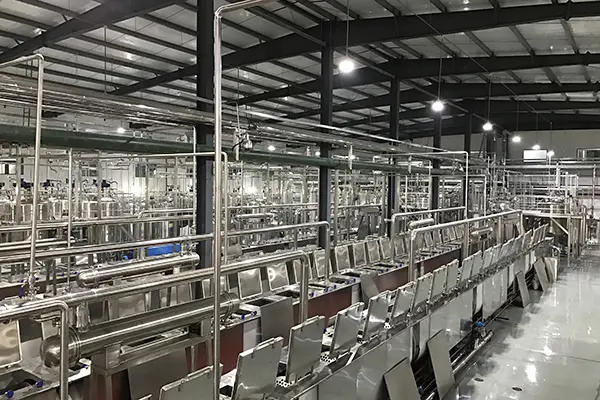
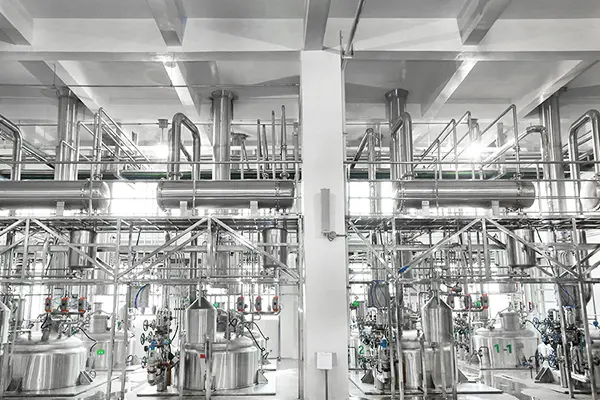
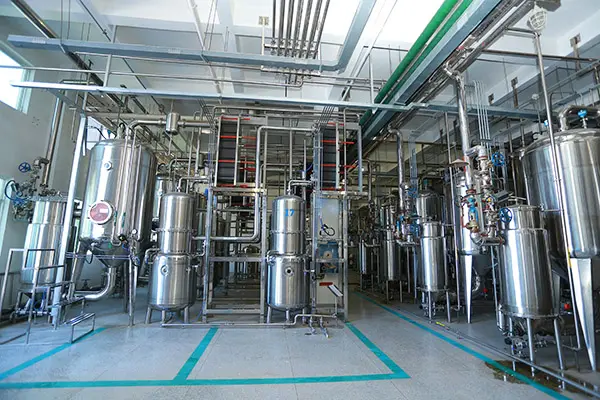
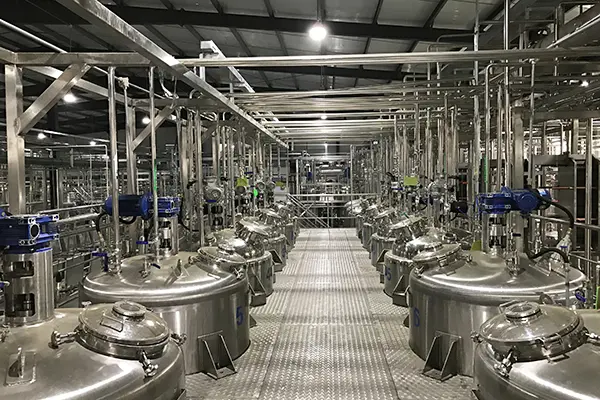
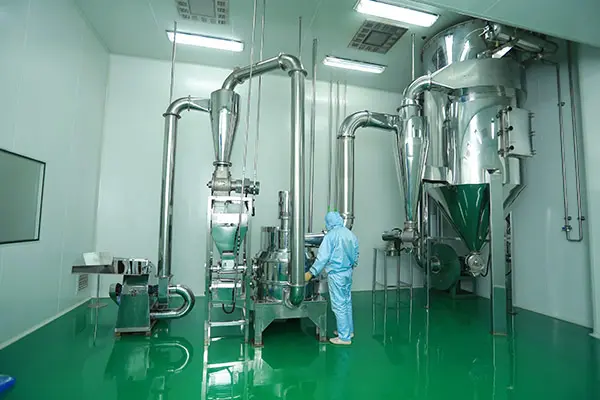
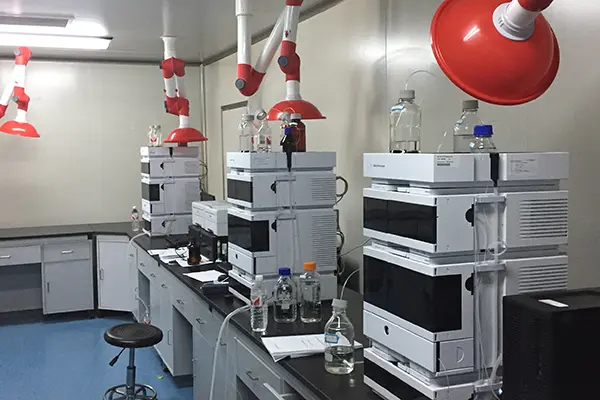
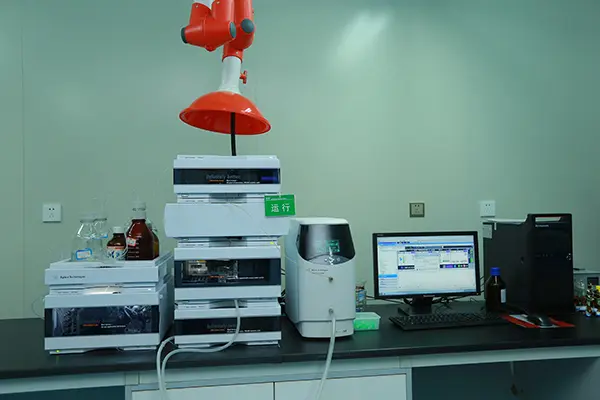
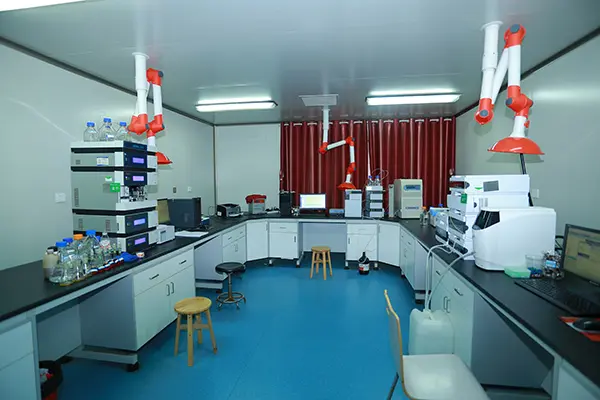
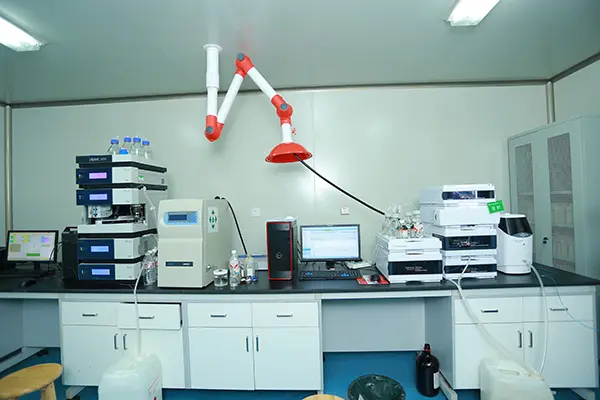
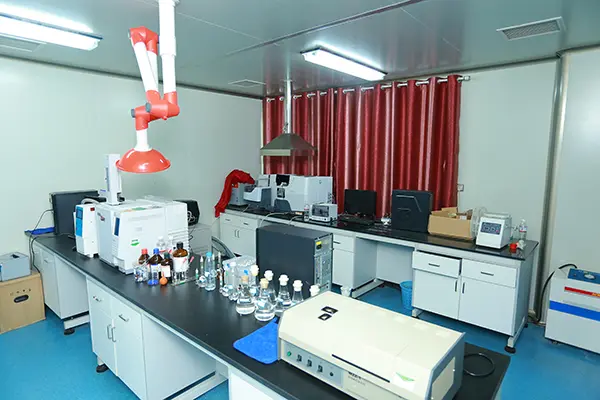
Advanced instrumentation validating botanical identity, concentration levels, and contaminant-free profiles.
We operate a complete quality control workflow, validating every shipment of Berberine Bark Powder against strict USP/EP requirements. Our central analytical laboratory holds CNAS accreditation and is staffed by qualified plant chemistry technicians.
We monitor the following specifications: active compound content (HPLC/UV), organic solvent residuals (GC), heavy metal thresholds (Pb, As, Hg, Cd, Cu via ICP-MS), microbial levels (TPC, Yeast & Mold, pathogens), and pesticide levels (GC-MS-MS screening).
Testing Equipment: Two ultra-high performance liquid chromatographs (UHPLC Agilent 1290), four HPLC Agilent 1260 systems, two HPLC Shimadzu LC-20AT systems, two Dionex UltiMate 3000 HPLC instruments, two Shimadzu 2000ES evaporative light scattering detectors (ELSD), one Shimadzu GC-2010 gas chromatograph, and one Shimadzu AA-7000 atomic absorption spectrometer.
| Quality Control Item | Analytical Methodology |
|---|---|
| Active Ingredient Analysis | Assay determination via HPLC/UV; identification testing |
| Hazardous Substance Analysis | Heavy metals (ICP-MS), pesticide screening (GC-MS-MS), solvent residues (GC) |
| Microbe Analysis | Aerobic plate count, Escherichia coli, Yeast & mold, pathogen screenings |
| Raw Material Control | Pesticide checks, allergen origin verification, GMO status, botanical authentication |
| Regulatory Confirmation | Continuous assessment of Chinese, FDA, and EU standards |
| Stability Test | Accelerated and long-term shelf life trials |
| Others | pH value, moisture levels, ash content, optical rotation, bulk density, mesh particle size |
Reducing formulation costs through continuous optimization and research collaborations.
At UniCare, we allocate 10% of our annual net profit directly to R&D. Beyond optimizing plant extraction processes, we run a dedicated department focused on botanical fermentation.
By working in collaboration with the Beijing University of Chemical Technology, we scale biotransformation methods that convert primary plant molecules into highly bioavailable components, developing modern, clean-label raw materials for international markets.
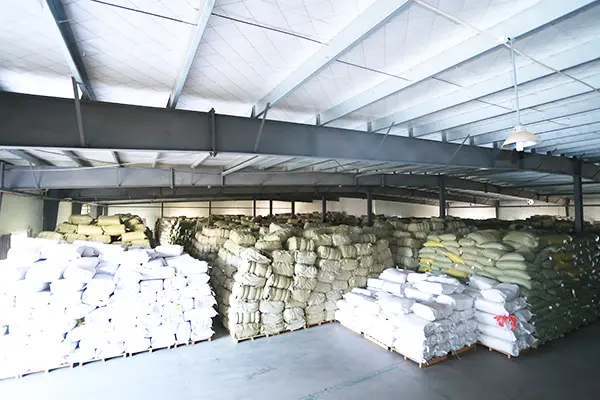
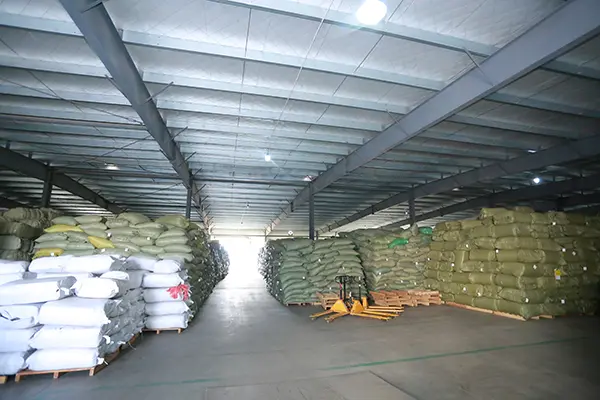
To guarantee consistent quality, our raw material tracking follows every lot back to its growing region. Our temperature-regulated storage facilities maintain raw botanicals in optimal conditions, checking moisture, ash, and pesticide values prior to processing.
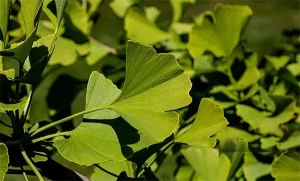
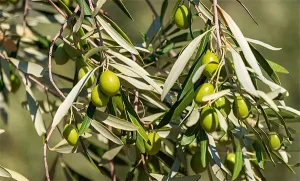
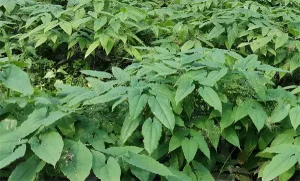
Through long-term grower agreements, we maintain dedicated cultivation bases for Ginkgo, Epimedium, Phellodendron (Berberine Bark), and Olive trees. Growing practices adhere to the GACP management model, and our collaborations with botanical research firms focus on breeding seedlings with higher active alkaloid profiles.
Enabling global dietary, cosmetic, and pharmaceutical developers to bring stable products to market.
Optimized for clean-label capsule formulations, tablet compression, and powder premixes. Our Berberine HCl provides consistent physical flowability and low moisture, avoiding clumping in automated filling machines.
With extensive clinical interest in AMPK activation, blood glucose control, and healthy weight management, we supply verified high-purity alkaloids to support effective health claims.
We offer full documentary support including COA, allergen matrices, GMO declarations, residue reports, and customs documentation, facilitating smooth clearance into North American, European, and Asia-Pacific markets.
Technical answers supporting B2B ingredient purchasing and regulatory verification.
High-purity botanical extracts developed to international standards.