In the modern biopharmaceutical and metabolic health landscape, Berberine is recognized as one of the most clinically verified natural therapeutic alkaloids. Sourced primarily from botanical origins such as Berberis aristata, Coptis chinensis, and Phellodendron amurense, this quaternary ammonium salt has transitioned from a traditional herbal remedy to a cornerstone of modern lipid-regulatory formulations. Specifically, the global demand for high-purity Berberine Hydrochloride (HCl) is driven by its direct efficacy in lowering low-density lipoprotein cholesterol (LDL-C) and improving overall metabolic syndrome indicators.
According to clinical studies, Berberine reduces cholesterol through mechanisms distinct from statins. While statins limit cholesterol synthesis via HMG-CoA reductase inhibition, Berberine acts upstream by upregulating the low-density lipoprotein receptor (LDLR) expression on hepatocytes. It achieves this by stabilizing LDLR mRNA through the extracellular signal-regulated kinase (ERK) pathway and inhibiting PCSK9 (Proprotein Convertase Subtilisin/Kexin Type 9), which otherwise targets LDLR for degradation. This makes it an essential compound for patients suffering from statin intolerance or those seeking natural synergetic metabolic therapies.
As a leading global B2B supplier, UniCare provides high-purity Berberine HCl that meets USP, EP, and ChP standards. Our manufacturing partnerships rely on state-of-the-art environmental management and high-yield extraction methods that yield consistent crystalline products optimized for dietary supplements, functional foods, and active pharmaceutical ingredients (APIs).

UniCare is a professional supplier of natural active ingredients. Our products are widely used in various fields such as dietary supplement, food, cosmetics and pharmaceuticals. We focus on product development and quality stability, and insist on growing together with our customers around the world.
UniCare has deep cooperation with several excellent Chinese manufacturers who have complete quality management system certifications, including but not limited to GMP, EUGMP, CEP, ISO9001, ISO22000, and HACCP. Each factory has independent testing capabilities and is equipped with advanced and efficient testing equipment to ensure the high quality and long-term stability of each batch of products.
Our mission is to establish secure, direct, and completely traceable supply chains for natural materials. In partnership with global analytical bodies and state-of-the-art agricultural bases, we ensure that every gram of extract delivered meets global standards. By controlling each node of the logistics, compliance, and customs clearance procedures, we provide seamless door-to-door delivery for international manufacturing organizations.

By extracting active botanical compounds using advanced technologies, we reveal their therapeutic potential, delivering standardized compounds that support healthy metabolic functions globally.
We actively invest in optimization of natural plant extraction systems, constantly refining purity limits, solving solubility and bioavailability barriers, and standardizing botanical supplies.
Utilizing high-end dynamic countercurrent systems and automated processes, we achieve maximal active compound recovery while minimizing ecological footprints.
Ensuring sustainable operations that support our farming communities, raw material harvesters, laboratory experts, and environmental preservation initiatives.

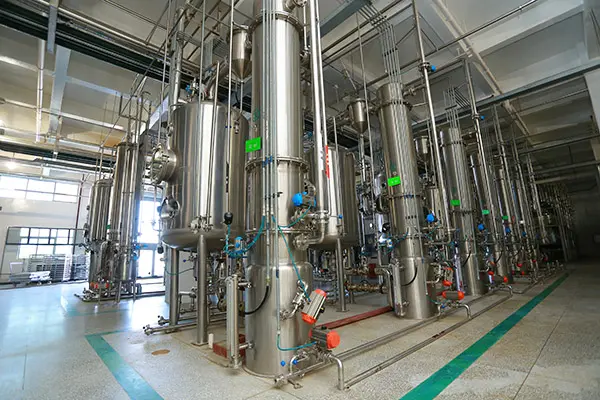
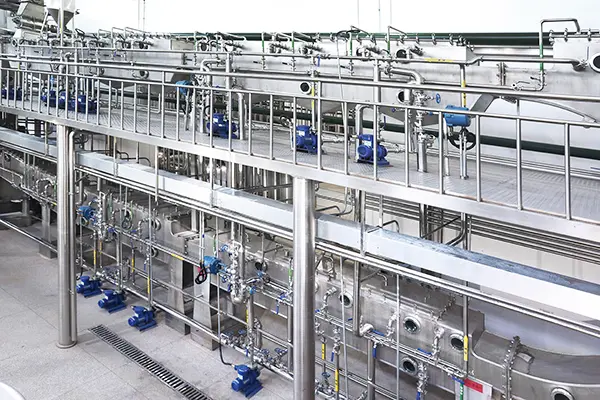
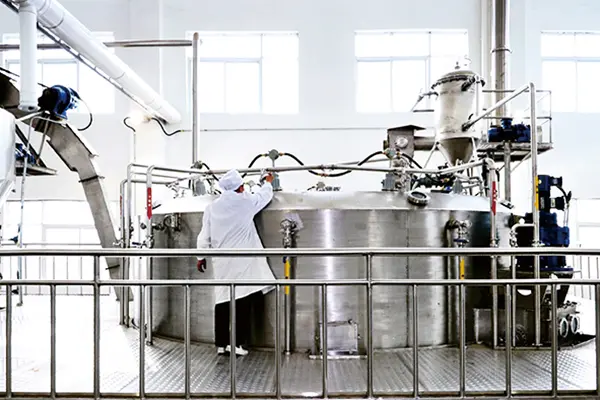
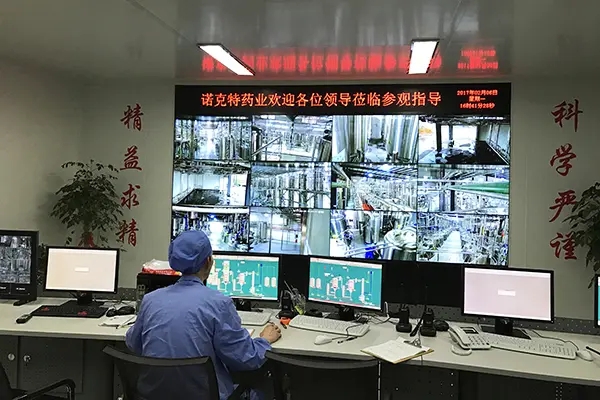
UniCare attaches great importance to the hardware conditions of production equipment and has the largest and most advanced extraction factory in China. The entire production line in UniCare is controlled by a modern, intelligent, automatic control system.
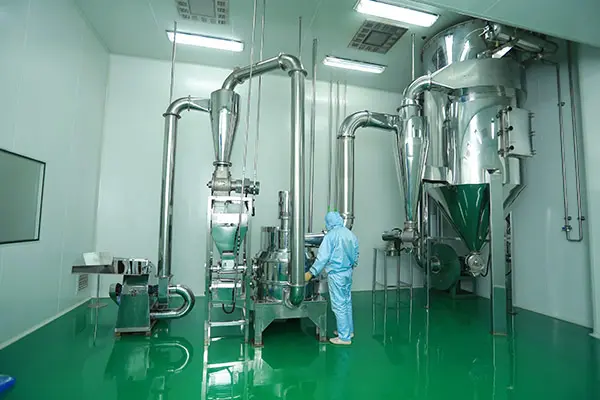
Until now, UniCare has built up two GMP workshops, containing six multi-functional extraction lines, among which there is the only production line for Ginkgo Biloba Extract of acetone process in the whole China. Here are several other production lines including fermentation production lines and Chinese medicine pieces. A total of 30,000 tons of various Chinese medicine plant raw materials can be processed each year.
The factory has passed the China GMP certification, verifying compliance with cleanroom protocols, hygienic design, and process isolation.
The EU-GMP and CEP of Ginkgo Biloba Extract has been certificated, showcasing our compliance with European pharmacological quality requirements.
All extraction production lines adopt modern, intelligent and automated control systems, preventing batch-to-batch deviation.
Own the most advanced extraction equipment in China, designed to maximize compound yields without structural degradation.
Annual processing of 30,000 tons of Chinese medicine and plant raw materials, guaranteeing steady supply even in market shortages.
Six production lines. Three annular dynamic countercurrent extraction lines (10 tons & 15 tons); two multi-functional extraction lines (32 extraction tanks with six cubic each); one round dynamic countercurrent extraction line (10 tons).
Own the only acetone process extraction line for Ginkgo Biloba Extract in China that meets the EU GMP standards.
Own six fermentation tanks (20 tons capacity for each) for the production of enzyme-modified products, boosting compound bioavailability.
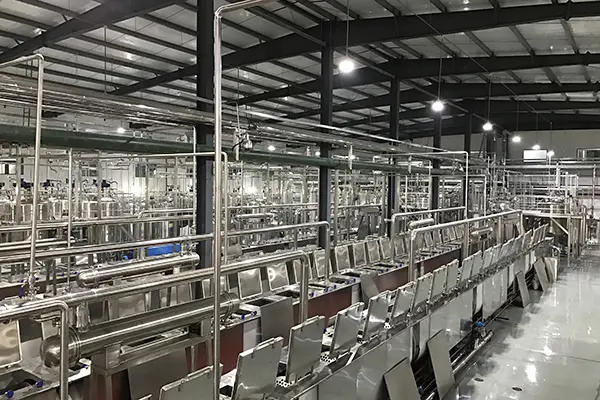
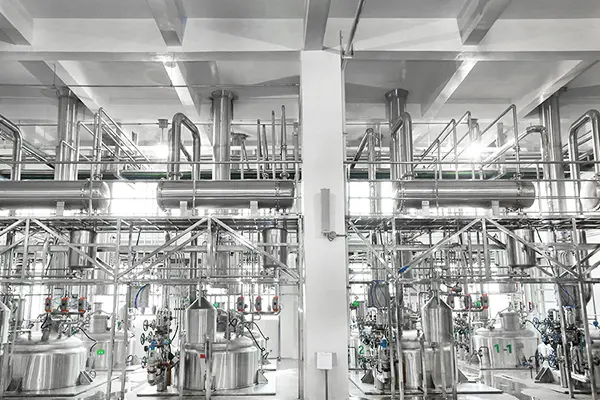
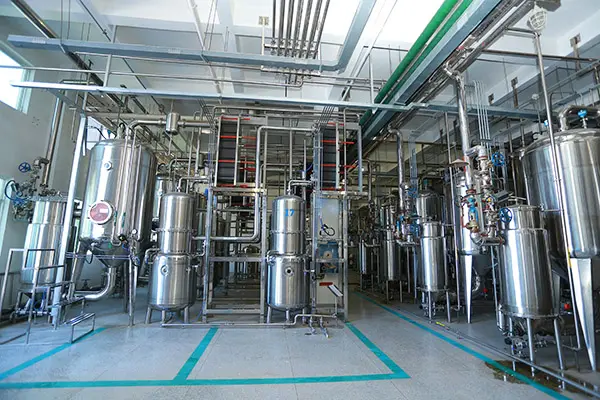
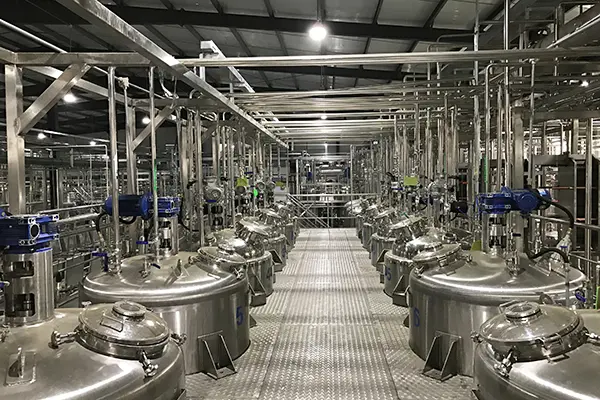
United New Life (UniCare) has established a leading and complete quality control system, and strictly controls the high quality of products in accordance with the quality system rules.
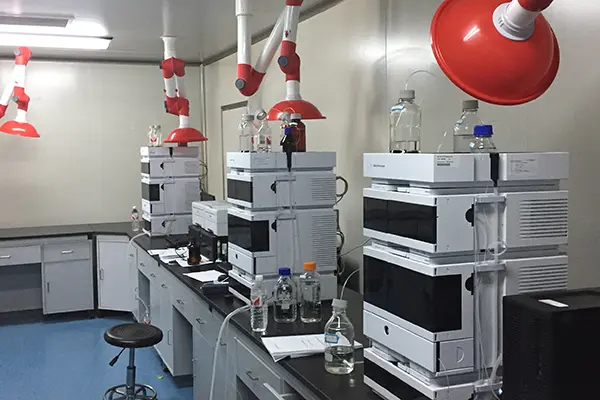
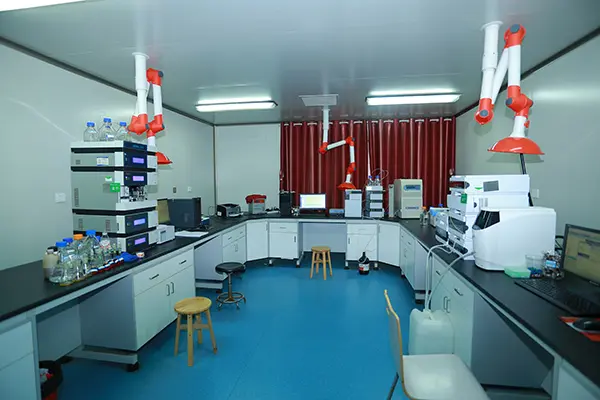
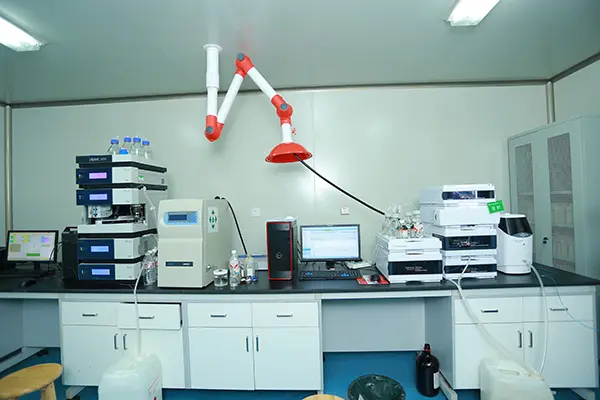
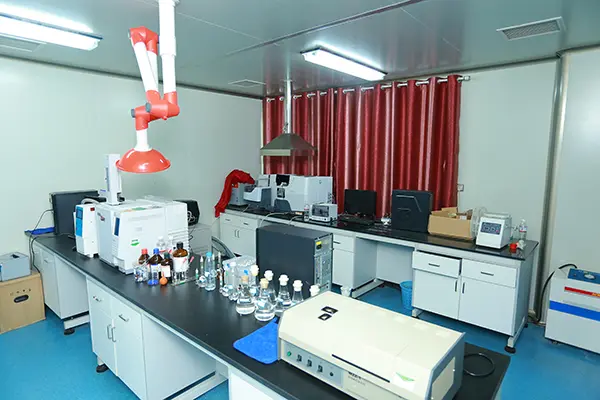
With advanced testing instruments, strict control of product quality, to provide every customer with high quality products. Detectable items are: Signature component detection (HPLC or UV), solvent residues GC, pesticide residues (organochlorine detection) GC-MS-MS, heavy metals (lead, arsenic, mercury, cadmium, copper) ICP-MS microscopic identification, moisture, dry weight loss, ash, microbial limits, thin layer identification, weighing, conductivity, PH, sulfur dioxide residue, routine detection, etc.
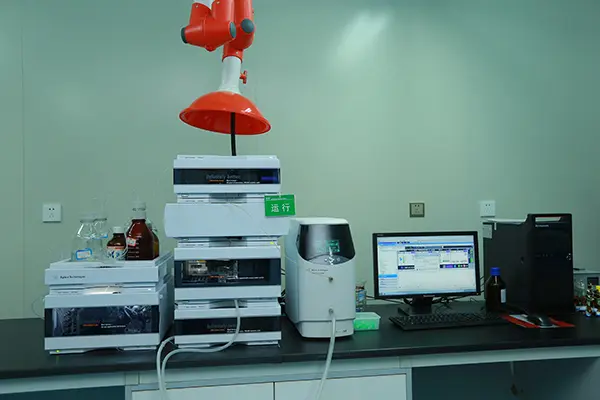
Important testing instruments are: Two UHPLC Agilent 1290 ultra-high performance liquid chromatographs, four HPLC Agilent 1260 high performance liquid chromatography sets, there are two HPLC Shimadzu LC-20AT high performance liquid chromatograph, two HPLC Diane CU3000, two Shimadzu evaporative light scattering detector 2000ES, one Shimadzu GC2010 gas chromatograph, and one Shimadzu AA-7000 atomic absorption system.
| Quality Control Categories | Testing Items & Parameters Covered |
|---|---|
| Active Ingredient Analysis | Assay, chemical fingerprinting, optical identity, active molecular fractions. |
| Hazardous Substance Analysis | Heavy metals (Pb, As, Hg, Cd, Cu), target pesticide residues (organochlorines, organophosphates), solvent residues. |
| Microbe Analysis | Total plate count, Escherichia coli, yeast & mold, Salmonella, specific pathogenetic microbial tests. |
| Raw Material Control | Pesticide residue at agricultural level, allergy origin testing, Non-GMO verification, identification of geographical origin. |
| Laws & Regulations Confirmation | Investigation and research of health/safety laws and regulations of China, FDA (US), EFSA (EU), and target destination nations. |
| Stability Test | Accelerated storage stability, real-time stability verification, packaging material compatibility to guarantee shelf life. |
| Others | pH value, moisture, ash, optical rotation, bulk/tapped density, particle size mesh distribution. |
The Central Lab is certified and qualified by CNAS, running advanced analytical equipment:
| Analytical Technology | Equipment Quantities in Central Lab |
|---|---|
| UHPLC, Agilent 1290 | 2 Sets |
| HPLC, Agilent 1260 / 1100 Series | 4 Sets |
| HPLC, Shimadzu LC-20AT | 2 Sets |
| ELSD, Shimadzu 2000ES | 2 Sets |
| Shimadzu GC-2010 (Gas Chromatography) | 1 Set |
| Shimadzu AA-700 (Atomic Absorption Spectrophotometry) | 1 Set |
UniCare invests 10% of our annual net profit in research and development. In addition to optimizing and developing the existing natural plant extraction process, we have also established a professional R&D department for the natural fermentation products. By increasing investment in natural fermentation products, we try to break through the traditional processes and disrupt industry development.
UniCare has deep cooperation with Beijing University of Chemical Technology in the field of fermentation, jointly developing and transforming the new raw materials of pharmaceutical, cosmetic, and natural health products into mass-produced products.
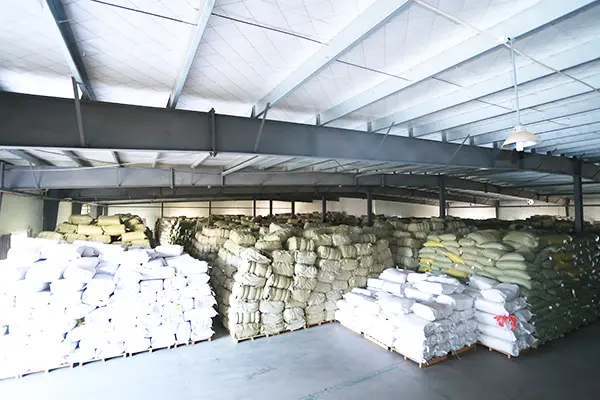
In order to control raw materials more efficiently and with higher quality, a raw material procurement system has been established, which extends procurement to every piece of planting land and can trace the raw materials of each batch of products. The storage of raw materials is operated according to the advanced quality management system process, and the content of active ingredients, moisture, ash, heavy metals, pesticide residues and other items of raw materials are strictly controlled.
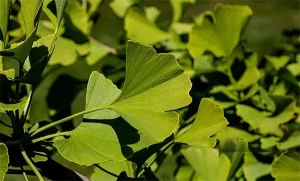
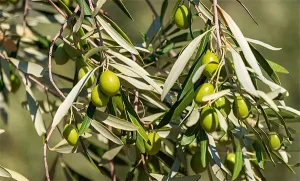
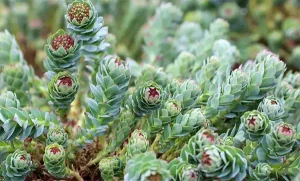
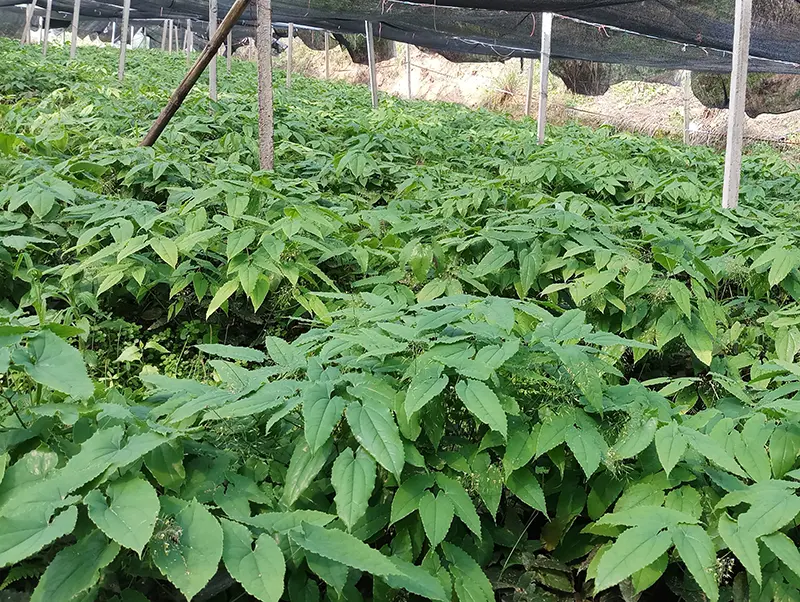
At the same time, in order to further ensure the high quality of important products, UniCare cooperated with planting farmers to establish ginkgo leaf planting bases, epimedium planting bases, phellodendron planting bases, olive leaf planting bases, etc. Some of these bases are planted strictly in accordance with the GACP (Good Agricultural and Collection Practices) management model. In addition, we cooperate with seedling research and development companies to develop high-content seedling cultivation, and cultivate better seedlings through hybridization or gene optimization, so as to continuously reduce unit costs to benefit users.
China represents the epicenter of industrial-scale botanical extraction, producing over 70% of the world's commercial Berberine. The concentration of chemical manufacturing, paired with optimized agricultural zones in Shaanxi, Sichuan, and Guizhou, provides unmatched advantages for B2B buyers looking for stability, capacity, and cost efficiency.
By relying on localized raw material supply networks (such as regional Phellodendron and Coptis chinensis fields) and combining them with automated continuous loop countercurrent extractors, Chinese factories minimize energy expenditure while maximizing yield. This allows us to supply competitive pricing structures compared to Western manufacturers.
Berberine HCl primarily crystallizes into different polymorphic structures, which dictate its dissolution rate and final bioavailability in the digestive tract. Our production lines use controlled recrystallization processes, utilizing pharmaceutical-grade solvents to produce uniform crystal habits optimized for high-speed tableting and encapsulation.
Through our GACP planting fields and strictly documented batch coding, we verify every export lot's origin. Our teams coordinate closely with global customs systems, providing required documentation like Phytosanitary certificates, CITES declarations (when applicable), Allergen declarations, and Non-GMO certifications.
Furthermore, the development of synthetic biology platforms is beginning to influence the Berberine market. As a pioneer in botanical fermentation, UniCare's engineering partnerships are researching recombinant metabolic pathways in yeast to produce bio-derived Berberine. This upcoming technology promises to stabilize pricing against climate-induced supply volatility of natural roots, ensuring long-term price protection for major supplement brands.
How do various industries format and commercialize Berberine? Depending on target consumers and local compliance regulations (such as FDA DSHEA in the US, Novel Food regulations in Europe, and TGA in Australia), the final product formulations vary:
Usually formulated at 500mg per dosage, targeting AMPK activation. Typically combined with Piperine (black pepper extract) to overcome the naturally low intestinal absorption of Berberine, or formulated alongside red yeast rice extract and phytosterols for comprehensive lipid regulation.
Targeting advanced premium brands looking to mitigate the bitter taste and low bioavailability of standard Berberine. Liposomal liquid formulations shield the compound from gastric destruction, allowing higher cellular uptake at lower doses, resulting in reduced gastrointestinal side effects.
Applied in standardized veterinary feeds and specialized agricultural supplements to optimize lipid levels and liver health in premium aquaculture and livestock populations, replacing antibiotics with natural antimicrobials.
Securing a long-term supply agreement for Berberine requires looking past pricing per kilogram. Quality assurance officers and procurement directors should verify several crucial milestones:
| Sourcing Challenge | Critical Quality Indicators | UniCare Compliance Solution |
|---|---|---|
| Heavy Metal Bioaccumulation | Lead <0.5 ppm, Arsenic <1.0 ppm, Mercury <0.1 ppm in final crystalline powder. | Testing by Agilent ICP-MS on every single production batch prior to shipping. |
| Solvent Residues | Residual ethanol, methanol, or acetone within strict ICH Q3C limits. | Gas Chromatography (GC-2010) monitoring during the final vacuum drying cycles. |
| Alkaloid Profile Adulteration | Verify natural source rather than synthetic spiking with non-declare chemicals. | HPLC fingerprinting and carbon isotope testing to verify pure botanical origin. |
| Supply Interruption | Fluctuations in wild crop harvests causing production delays. | GACP plantation agreements and 30,000 tons annual raw capacity buffer. |