Direct from FDA-inspected, GMP-certified Chinese Extraction Facilities with Full Batch Traceability
Market dynamics, biochemical mechanisms, and the growing demand for standard clean-label active ingredients.

Black Tea Polyphenols (BTPs) represent a crucial group of bioactive compounds produced during the enzymatic oxidation (fermentation) of green tea leaves (Camellia sinensis). Unlike green tea extracts that are rich in catechins, specifically EGCG, black tea polyphenols are characterized by a unique profile of Theaflavins (TFs), Thearubigins (TRs), and Theabrownins (TBs). These compounds are responsible for the rich amber color and deep organoleptic profile of black tea, as well as its substantial therapeutic benefits.
On a global scale, the industrial and commercial demand for high-purity Black Tea Polyphenols has witnessed significant growth. Clinical evidence highlighting BTPs' efficacy in activating AMPK (AMP-activated protein kinase) pathways has positioned it as a premium ingredient in the metabolic health and weight management sectors. Additionally, theaflavins have been shown to competitively inhibit cholesterol absorption in the intestine, block pancreatic lipase activity, and support healthy endothelial function, making them a cornerstone for advanced cardiovascular formulations in North America and Western Europe.
As consumer preference shifts toward clean-label, plant-derived functional ingredients, BTP factories are constantly evolving their technologies to supply water-soluble, stable, and highly concentrated extracts that meet strict global regulatory frameworks.
Black tea polyphenols, particularly theaflavins, activate cellular AMPK pathways, supporting healthy lipid metabolism, insulin sensitivity, and glucose regulation.
By preventing LDL oxidation and promoting nitric oxide synthesis in endothelial cells, black tea extract aids in maintaining optimal blood pressure and arterial flexibility.
TFs act as highly efficient free radical scavengers, shielding cells from oxidative stress and regulating inflammatory biomarkers like NF-κB.
Combining agricultural dominance, automated scale, and cost optimization to deliver unmatched global supply security.
China accounts for over 60% of the world's black tea production, providing an abundant and reliable supply of high-grade raw materials (such as Yunnan Dianhong and Keemun black tea leaves). This localized supply chain minimizes transportation costs and safeguards fresh leaves from degradation before processing.
Modern Chinese extraction factories utilize state-of-the-art industrial processing systems. Leveraging automated, continuous countercurrent extraction lines, manufacturers extract polyphenols under closed, low-temperature vacuum systems. This preserves the delicate chemical structure of monomeric theaflavins, which are easily degraded by prolonged exposure to high heat.
Furthermore, China's advanced chemical engineering infrastructure permits the use of sophisticated separation techniques—such as macroporous resin adsorption chromatography and membrane concentration—to isolate specific fractions of polyphenols. This allows factories to offer custom specs, ranging from 20% to 80% total theaflavins, with minimal organic solvent residues, giving global buyers high-efficacy, highly competitive botanical solutions.

UniCare is a professional supplier of natural active ingredients. Our products are widely used in various fields such as dietary supplement, food, cosmetics and pharmaceuticals. We focus on product development and quality stability, and insist on growing together with our customers around the world.
UniCare has deep cooperation with several excellent Chinese manufacturers who have complete quality management system certifications, including but not limited to GMP, EUGMP, CEP, ISO9001, ISO22000, and HACCP. Each factory has independent testing capabilities and is equipped with advanced and efficient testing equipment to ensure the high quality and long-term stability of each batch of products.
 Contact Us
Driving growth through scientific value creation and community responsibility.




An intelligent and automated manufacturing platform built to satisfy global standards.

UniCare attaches great importance to the hardware conditions of production equipment and has the largest and most advanced extraction factory in China. The entire production line in UniCare is controlled by a modern, intelligent, automatic control system. Until now, UniCare has built up two GMP workshops, containing six multi-functional extraction lines, among which there is the only production line for Ginkgo Biloba Extract of acetone process in the whole China. Here are several other production lines including fermentation production lines and Chinese medicine pieces. A total of 30,000 tons of various Chinese medicine plant raw materials can be processed each year.

The factory has fully passed the rigorous China GMP certification standards.

The EU-GMP and CEP of Ginkgo Biloba Extract has been certified.

All extraction production lines adopt modern, intelligent and automated control systems.

Owns the most advanced extraction equipment in China.

Annual processing of 30,000 tons of Chinese medicine and plant raw materials.

Three annular dynamic countercurrent extraction lines (10t & 15t); two multi-functional lines (32 extraction tanks, 6m³ each); one round dynamic countercurrent line (10t).

Owns the only acetone process extraction line for Ginkgo Biloba Extract in China that meets the EU GMP standards.
Owns six fermentation tanks (20 tons capacity each) for the production of enzyme-modified products.
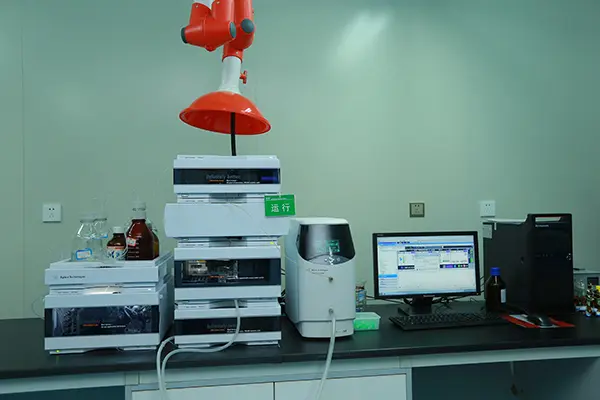
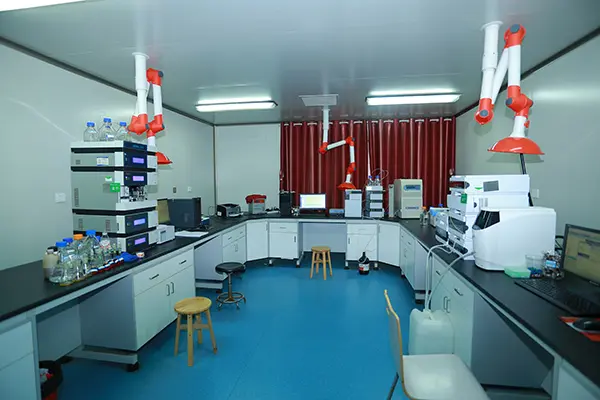
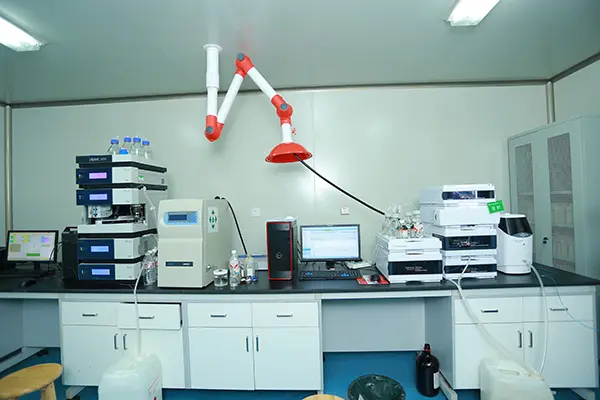
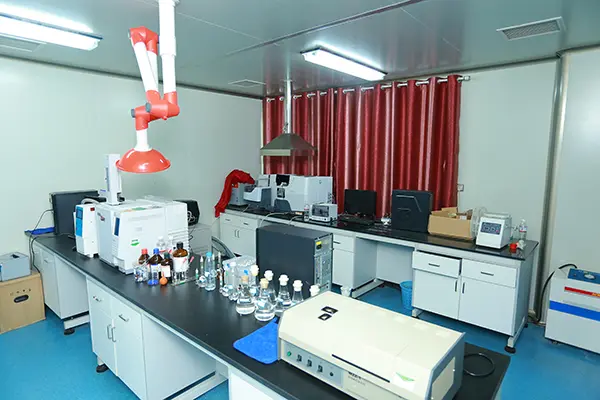
A visual look inside our standardized GMP-compliant manufacturing workshops and laboratories.
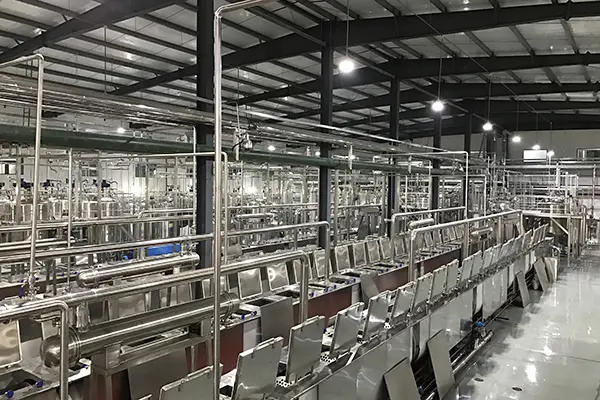
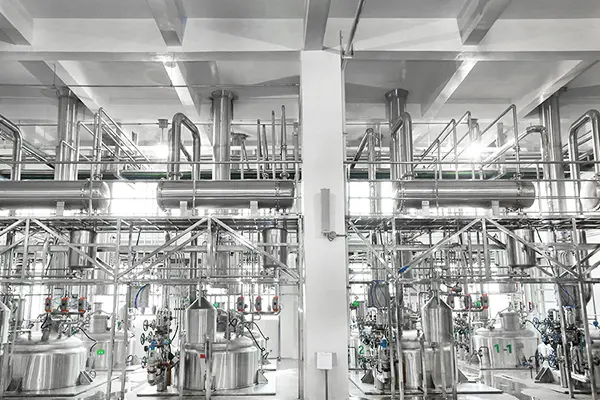
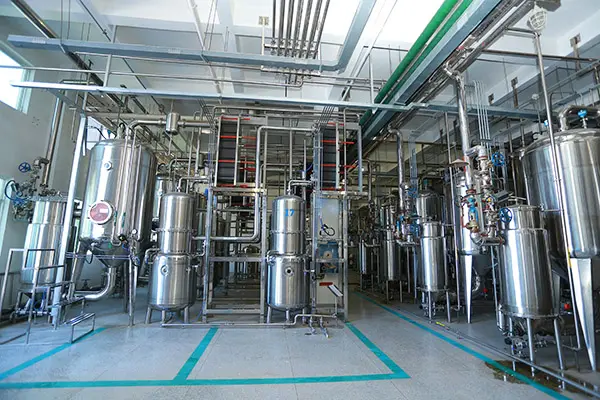
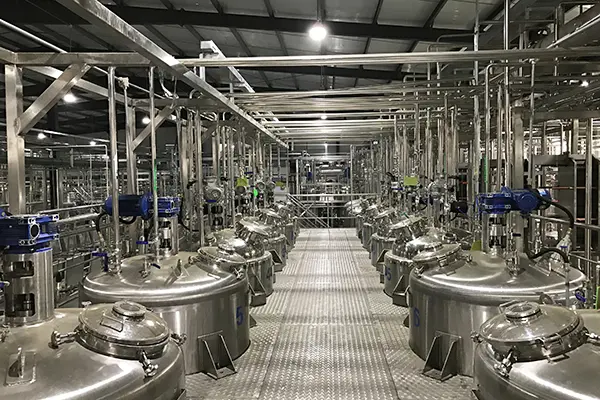
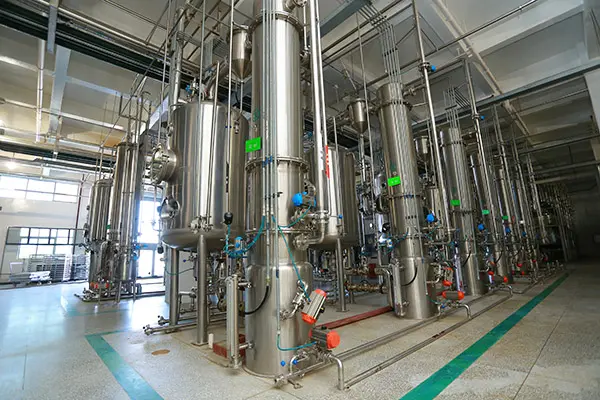
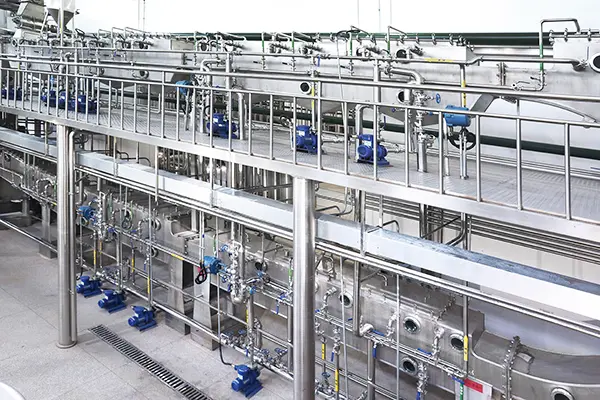
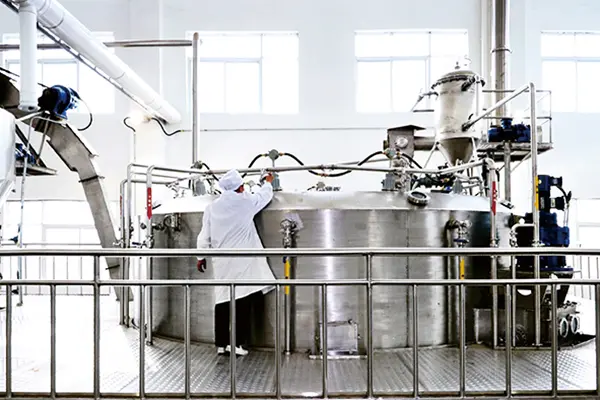
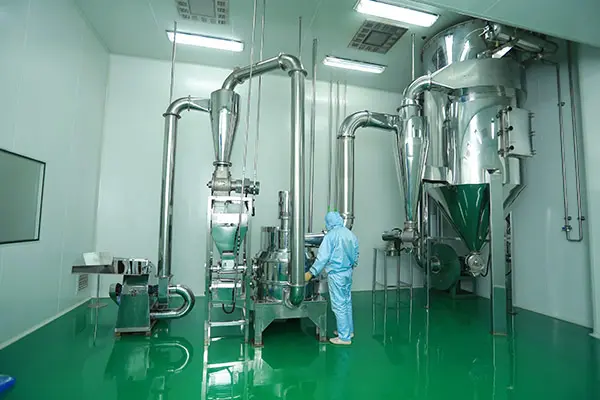
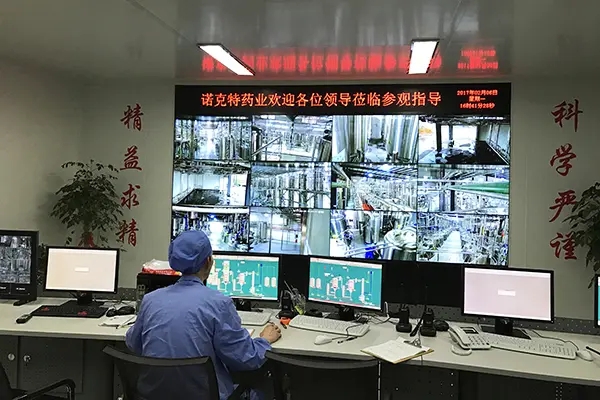
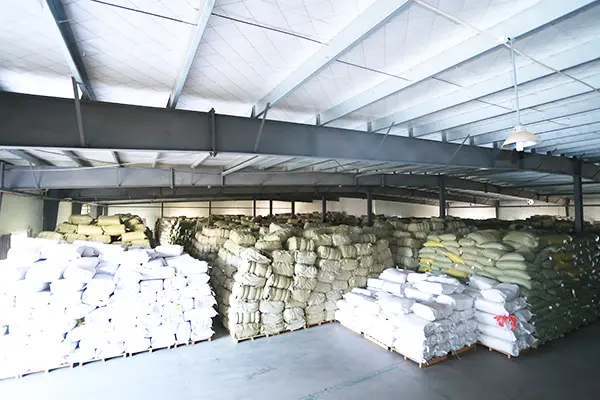
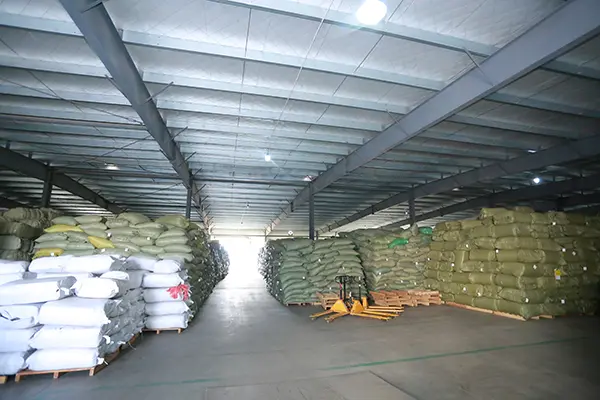
Complete control from farm to finished extracts using state-of-the-art analytical equipment.
United New Life has established a leading and complete quality control system, and strictly controls the high quality of products in accordance with the quality system.
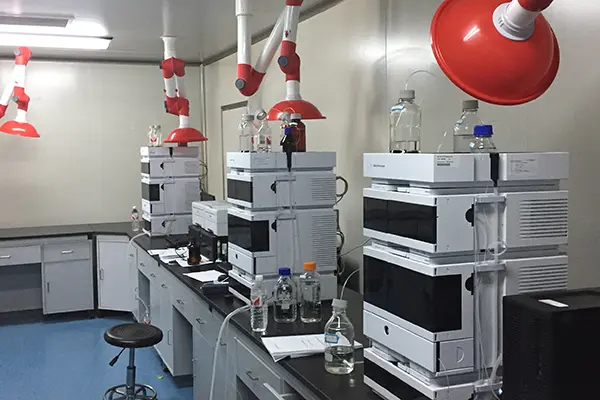
With advanced testing instruments, strict control of product quality, to provide every customer with high quality products. Detectable items are: Signature component detection (HPLC or UV), solvent residues GC, pesticide residues (organochlorine detection) GC-MS-MS, heavy metals (lead, arsenic, mercury, cadmium, copper) ICP-MS microscopic identification, moisture, dry weight loss, ash, microbial limits, thin layer identification, weighing, conductivity, PH, sulfur dioxide residue, routine detection, etc.
Important testing instruments are: Two UHPLC Agilent 1290 ultra-high performance liquid chromatographs, four HPLC Agilent 1260 high performance liquid chromatography sets, there are two HPLC Shimadzu LC-20AT high performance liquid chromatograph, two HPLC Diane CU3000, two Shimadzu evaporative light scattering detector 2000ES, one Shimadzu GC2010 gas chromatograph, and one Shimadzu AA-7000 atomic absorption system.
The Central Lab is qualified by CNAS.
| Quality Control Area | Testing Items & Parameters |
|---|---|
| Active Ingredient Analysis | Assay, identification, marker compounds (HPLC/UV) |
| Hazardous Substance Analysis | Heavy metals (lead, arsenic, mercury, cadmium, copper via ICP-MS), pesticide residue (GC-MS-MS), solvent residue (GC) |
| Microbe Analysis | Bacterium, Escherichia coli, Yeast & mould, specific microbial pathogen test |
| Raw Material Control | Pesticide residue, allergy origin, GMO status, validation of plant species and geographic origin |
| Laws & Regulations Confirmation | Investigation and compliance research regarding regulations of China, the US (FDA/USP), the EU (EFSA/EP), and other target markets |
| Stability Test | Shelf-life assurance according to ICH stability studies (real-time and accelerated conditions) |
| Others | pH value, moisture, ash, optical rotation, particle size, bulk density, sulfur dioxide residue, etc. |
| Analytical Instrument | Quantity | Primary Application |
|---|---|---|
| UHPLC, Agilent 1290 | 2 Units | Ultra-high-performance liquid chromatography for high-resolution active component assays |
| HPLC, Agilent 1260 | 4 Units | Standard assay, identification, and fingerprint analysis of plant extracts |
| HPLC, Shimadzu LC-20AT | 2 Units | Routine quality monitoring and validation of compound content |
| ELSD, Shimadzu 2000ES | 2 Units | Evaporative light scattering detection for compounds lacking chromophores |
| Shimadzu GC-2010 | 1 Unit | Gas chromatography for residual organic solvents and volatile components |
| Shimadzu AA-7000 (Atomic Absorption) | 1 Unit | High-precision quantification of heavy metal contaminants |
Investing in continuous technology optimization and robust agricultural traceability.
UniCare invests 10% of our annual net profit in research and development. In addition to optimizing and developing the existing natural plant extraction process, we have also established a professional R&D department for natural fermentation products. By increasing investment in natural fermentation products, we try to break through traditional processes and disrupt industry development. UniCare has deep cooperation with Beijing University of Chemical Technology in the field of fermentation, jointly developing and transforming new raw materials for pharmaceutical, cosmetic, and natural health products into mass-produced products.
In order to control raw materials more efficiently and with higher quality, a raw material procurement system has been established, which extends procurement to every piece of planting land and can trace the raw materials of each batch of products. The storage of raw materials is operated according to the advanced quality management system process, and the content of active ingredients, moisture, ash, heavy metals, pesticide residues and other items of raw materials are strictly controlled.
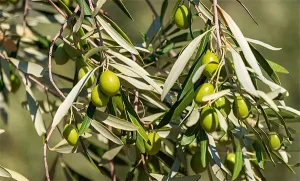
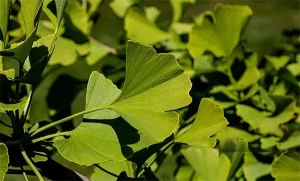
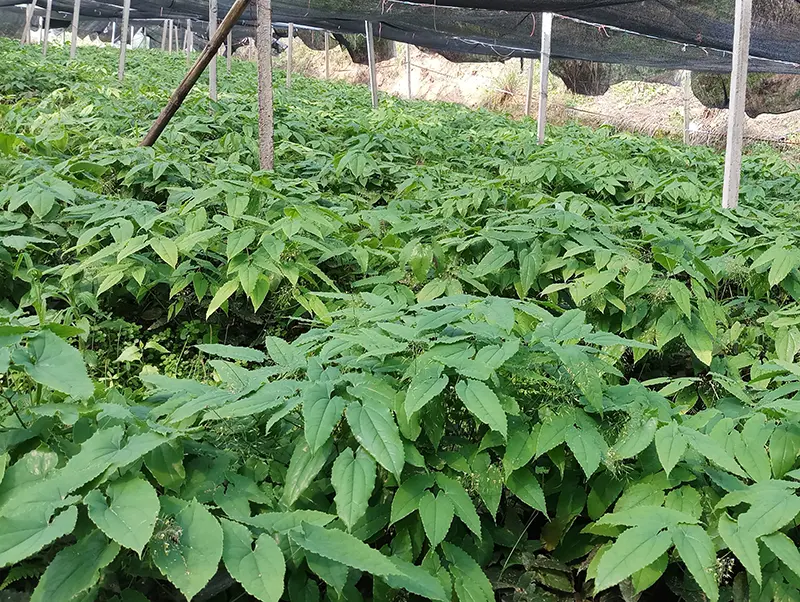
At the same time, in order to further ensure the high quality of important products, UniCare cooperated with planting farmers to establish ginkgo leaf planting bases, epimedium planting bases, phellodendron planting bases, olive leaf planting bases, etc. Some of these bases are planted strictly in accordance with the GACP management model. In addition, we cooperate with seedling research and development companies to develop high-content seedling cultivation, and cultivate better seedlings through hybridization or gene optimization, so as to continuously reduce unit costs to benefit users.
How global industries formulate with black tea polyphenols, and the necessary technical metrics for procurement.
Black tea extract powder, standardized to specific percentages of theaflavins, provides a highly versatile ingredient for multiple commercial sectors:
When purchasing industrial batches, B2B procurement managers should verify the following parameters:
The convergence of scientific research, green extraction methods, and highly targeted nutraceutical delivery systems.
Research is shifting from total polyphenols to specific monomer isolates like Theaflavin-3-gallate (TF3G). Future factories will offer commercial quantities of pure monomers targeting cellular receptors with pharmaceutical-level precision.
Driven by strict environmental and safety regulations, extraction processes are transitioning to pure water extraction or supercritical CO2 extraction methods to avoid chemical solvents altogether.
Formulators increasingly choose multi-botanical synergy (e.g. black tea polyphenols + rutin + quercetin) to hit multiple biological pathways for metabolic health and age-defying applications.
Essential scientific and commercial answers for global tea polyphenol sourcing.
High-quality, standardized herbal extracts for premium health and nutrition brands.