Standardized herbal extracts manufactured under strict global quality protocols.
An in-depth whitepaper analysis of metabolic health synergists, industrial scaling, and ecological supply chain security.
Goldenseal (Hydrastis canadensis) and Berberine represent one of the most therapeutically prominent botanical pairings in the global dietary supplement industry. While Berberine is an isoquinoline alkaloid isolated from species such as Berberis aristata, Coptis chinensis, and Phellodendron amurense, Goldenseal is a rare North American perennial containing both Berberine and Hydrastine. Synthesizing or combining these two matrices yields a powerful synergistic effect that boosts bioavailability, strengthens metabolic pathways, and supports healthy gut microbiota.
As the global market transitions from generic herbal powders to highly standardized active pharmaceutical ingredients (APIs), the role of specialized factories has become paramount. Modern Goldenseal Berberine factories utilize high-throughput extraction lines and solid-liquid countercurrent separation platforms to guarantee purity, reduce ecological strain, and deliver competitive unit economics.
The global demand for metabolic regulators has surged dramatically, largely driven by consumer search patterns around natural alternatives to synthetic weight-management drugs. Berberine's mechanism of action as an AMPK (Adenosine Monophosphate-Activated Protein Kinase) activator has positioned it at the forefront of preventive healthcare.
Consequently, regulatory bodies such as the US FDA, European Food Safety Authority (EFSA), and China's NMPA have tightened analytical oversight. Modern factories must employ robust fingerprinting technologies, such as HPLC-DAD and LC-MS/MS, to definitively detect and prevent raw material adulteration—such as substituting genuine Goldenseal with cheaper botanical alternatives. Sustainable harvesting under CITES (Convention on International Trade in Endangered Species) regulations is now mandatory for Goldenseal, making vertically integrated factory procurement models crucial for continuous supply chains.
Building the next generation of bioavailability-optimized alkaloid formulations.
One of the primary challenges with raw Berberine HCl is its low intestinal absorption rate (often less than 5%). Leading factories are pioneering micro-encapsulation, liposomal delivery systems, and self-emulsifying drug delivery systems (SEDDS) to increase bioavailability by up to 400%. Combining Berberine with endogenous transport enhancers—such as sodium caprate—represents a major milestone on our formulation roadmap.
The traditional extraction of Berberine HCl frequently relied on aggressive solvents. To align with modern clean-label demands, UniCare’s partnered factories prioritize aqueous-based extraction systems, supercritical carbon dioxide (CO2) extraction, and bio-based ethanol cycles. These techniques minimize environmental impact while yielding extracts completely free from toxic solvent residues.
Recognizing the distinct roles of Hydrastine, Berberine, and Canadine within Goldenseal rhizomes, we are developing therapeutic combinations that standardize multiple active compounds in single dose vectors. This provides functional healthcare brands with ready-to-fill ingredients targeted at specific conditions, such as gastrointestinal support or insulin sensitivity regulation.
A premier global developer and supplier of natural active ingredients.


Driving scientific innovation while upholding environmental and social responsibility.

Unlocking the complex molecular chemistry of natural herbs to pioneer novel applications in modern therapeutic fields.

Constantly optimizing extraction processes to reduce energy input and maximize active constituent yield and purity.

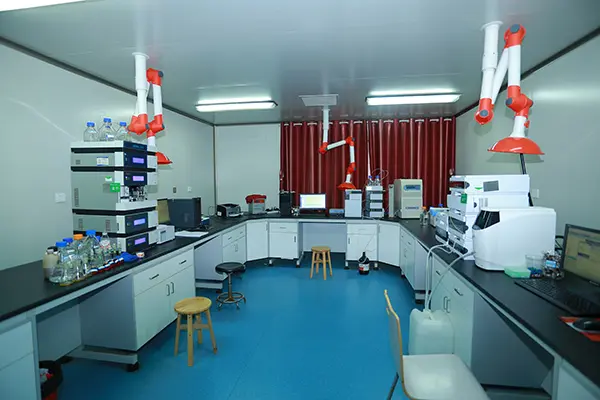
Employing automated PLC extraction units, high-grade chromatography, and advanced analytical instrumentation.

Supporting local growers, prioritizing fair-trade supply systems, and championing endangered botanical protection programs.
Why leading global health organizations choose UniCare as their manufacturing partner.

Fully verified facility maintaining strict pharmaceutical-grade cleanliness and protocol compliance.

Authorized to export premium active ingredients directly to tightly regulated European pharmaceutical markets.

Automated control loops ensure precise temperatures, times, and solvent ratios for consistent batch quality.

Includes three annular dynamic countercurrent extraction lines (10 & 15 tons), two multi-functional lines with 32 extraction tanks, and a 10-ton dynamic countercurrent line.
Equipped with six 20-ton fermentation tanks to produce enzyme-modified compounds and bio-converted active ingredients.
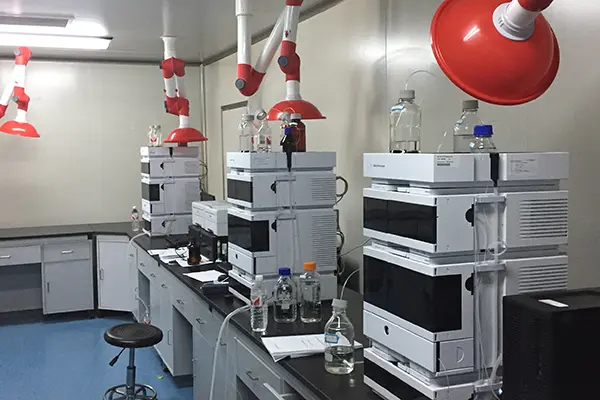
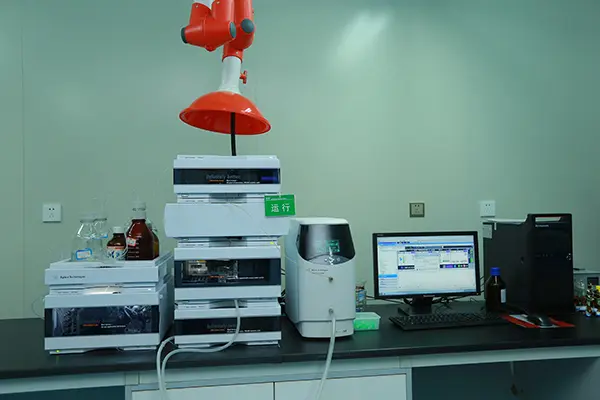
Ensuring chemical consistency and botanical purity through advanced analytical platforms.
| Equipment Family | Model & Manufacturer | Quantity | Primary Application |
|---|---|---|---|
| Ultra-High Performance Liquid Chromatograph (UHPLC) | Agilent 1290 | 2 Units | High-resolution active ingredient analysis & chemical fingerprinting |
| High Performance Liquid Chromatograph (HPLC) | Agilent 1260 | 4 Units | Routine standardization, assay verification, and purity determination |
| High Performance Liquid Chromatograph (HPLC) | Shimadzu LC-20AT | 2 Units | Active constituent verification and batch release testing |
| Evaporative Light Scattering Detector (ELSD) | Shimadzu 2000ES | 2 Units | Detection of non-chromophoric lipids and carbohydrates |
| Gas Chromatograph (GC) | Shimadzu GC-2010 | 1 Unit | Organic solvent residue and volatile compound isolation |
| Atomic Absorption Spectrophotometer (AAS) | Shimadzu AA-7000 | 1 Unit | Trace heavy metal analysis (Pb, As, Hg, Cd) |
| Testing Category | Assessed Parameters |
|---|---|
| Active Ingredient Analysis | Assay testing, molecular identification, isomer ratios |
| Hazardous Substance Screening | Trace heavy metals, organochlorine pesticide residues, solvent residues |
| Microbiological Limits | Total aerobic microbial count, yeast and mold count, pathogens (E. coli, Salmonella) |
| Raw Material Verification | Species identification, non-GMO status, allergen screening, origin validation |
| Stability Studies | Accelerated and long-term shelf-life testing according to ICH guidelines |
| Physical & Chemical Testing | pH value, moisture, ash content, optical rotation, bulk density, particle size |
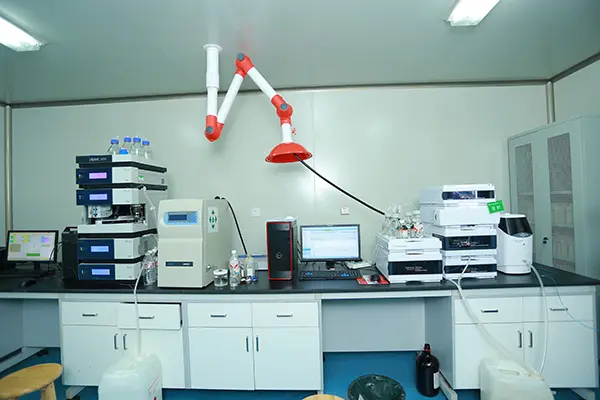
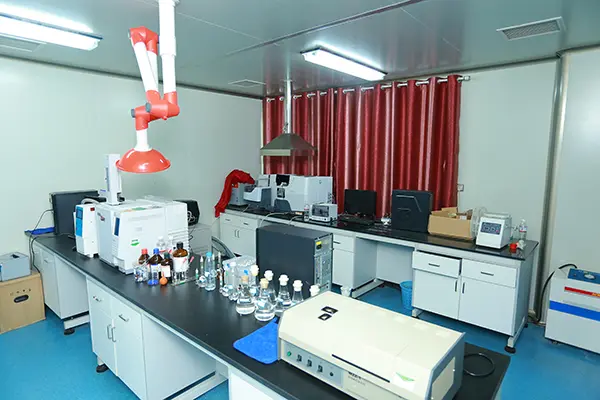
Ensuring raw material security and developing advanced natural health compounds.
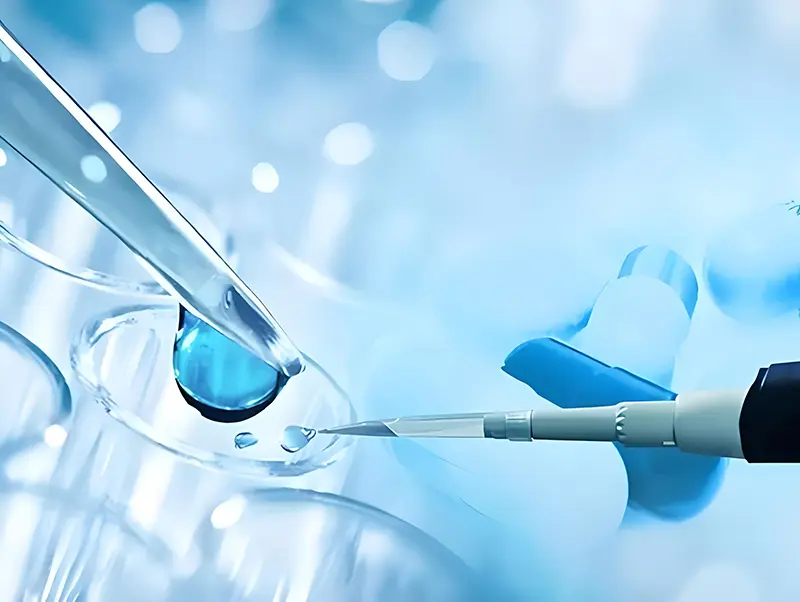
UniCare reinvests 10% of its annual net profit into research and development. Beyond refining botanical extraction techniques, we operate a dedicated R&D division focused on natural fermentation. By optimizing microbial processes, we aim to overcome traditional extraction yield limits.
Through our partnership with the Beijing University of Chemical Technology, we co-develop and scale up high-value bio-active raw materials for dietary supplements, cosmetics, and pharmaceutical products.
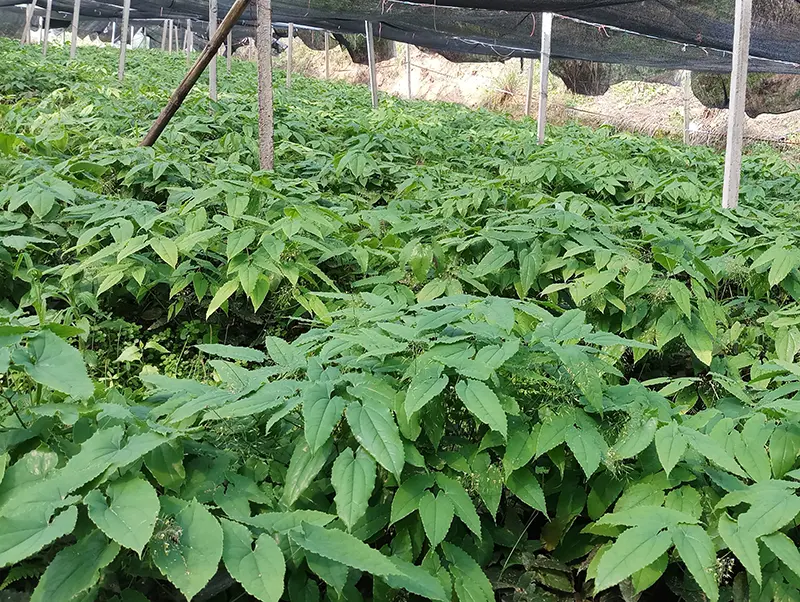
To secure stable, high-quality botanical raw materials, UniCare operates a strict farm-to-factory sourcing system that tracks the origin of every ingredient batch. Storage and handling follow advanced GMP quality standards, maintaining strict limits on active component levels, moisture, heavy metals, and pesticide residues.
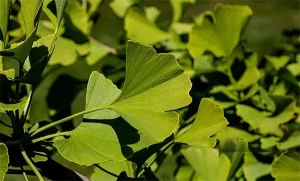
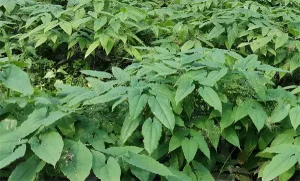
To support our high-volume lines, we work closely with local growers to manage specialized cultivation bases for Ginkgo Biloba, Epimedium, Phellodendron, and Olive leaves. Several of these sites follow GACP (Good Agricultural and Collection Practice) guidelines. We also partner with botanical researchers to breed high-yield plant strains, helping us reduce raw material costs and pass those savings on to our clients.
Answers from our quality assurance team to common industry questions.
Goldenseal (Hydrastis canadensis) is standardized for two main alkaloids: Hydrastine and Berberine, along with minor levels of canadine. Pure Berberine extracts, usually sourced from Berberis aristata or Phellodendron, are typically standardized to 97% or 98% Berberine Hydrochloride (HCl). Combining these botanical profiles provides a broader spectrum of active alkaloids that support immune defense and metabolic balance.
We prevent raw material substitution by using multi-step analytical validation. Each batch of raw botanical material undergoes microscopic verification, thin-layer chromatography (TLC) fingerprinting, and High-Performance Liquid Chromatography (HPLC) to verify chemical composition. This ensures that cheaper materials, like Chinese goldthread (Coptis chinensis), are not used to dilute authentic Goldenseal.
Depending on client specifications, our extraction lines use food-grade aqueous ethanol, pure water, or supercritical carbon dioxide (CO2). We avoid chlorinated hydrocarbons and toxic solvents. Any residual solvents in the final powder are carefully analyzed using gas chromatography (GC) to ensure they are well below USP and EP limits.
Yes, our manufacturing partners hold major international quality certifications, including China GMP, EU-GMP (specifically for Ginkgo Biloba), CEP, ISO 9001, ISO 22000, and HACCP. Our central testing laboratory is also CNAS certified, ensuring that all test results meet international regulatory standards.
We monitor raw materials from the field to the factory. Cultivated crops are grown under GACP-aligned farming models, with strict controls over pesticide use, heavy metals in the soil, and harvest times. Each batch of raw material is fully tested for active compound levels, moisture, ash, heavy metals, and pesticide residues before entering production.
High-quality botanical extracts and active compounds for nutritional formulations.