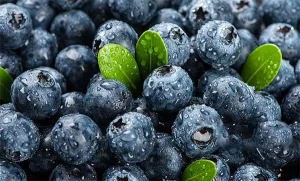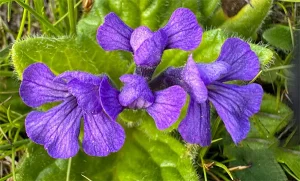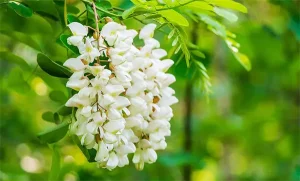
Select high-purity active botanical compounds manufactured under strict global pharmaceutical standards.
The pharmaceutical industry is experiencing a profound shift toward natural, bioactive molecules. Global drug discovery, nutraceutical formulation, and therapeutic pipelines increasingly rely on high-purity phytochemicals as critical Active Pharmaceutical Ingredients (APIs). However, navigating the international supply chain requires a deep understanding of botanical standardization, extraction methodologies, and global regulatory compliance.
As a leading growth director specializing in pharmaceutical supply chains, we recognize that procurement managers and scientific formulation teams need more than just bulk suppliers. They require partners who can deliver documented purity, traceable supply paths, and absolute batch-to-batch consistency. This technical document outlines the critical benchmarks for choosing pharmaceutical-grade ingredients and evaluates the manufacturing advantages of China's advanced extraction ecosystems.


UniCare is a professional supplier of natural active ingredients. Our products are widely used in various fields such as dietary supplement, food, cosmetics and pharmaceuticals. We focus on product development and quality stability, and insist on growing together with our customers around the world.
UniCare has deep cooperation with several excellent Chinese manufacturers who have complete quality management system certifications, including but not limited to GMP, EUGMP, CEP, ISO9001, ISO22000, and HACCP. Each factory has independent testing capabilities and is equipped with advanced and efficient testing equipment to ensure the high quality and long-term stability of each batch of products.
We anchor our daily manufacturing and sourcing operations in scientific innovation and community contribution.

Leveraging deep phytochemical research to uncover novel bioactive applications for therapeutic target discovery.

Relentlessly optimizing extraction yield, purity, and solvent recovery profiles through active engineering updates.

Utilizing high-end instrumentation to guarantee that all manufactured molecules adhere strictly to international standards.

Fostering an equitable working ecosystem while supporting sustainable farming communities near our source zones.
Why Choose Us? Inside China's most advanced automated botanical extraction infrastructure.

UniCare attaches great importance to the hardware conditions of production equipment and has the largest and most advanced extraction factory in China. The entire production line in UniCare is controlled by a modern, intelligent, automatic control system. Until now, UniCare has built up two GMP workshops, containing six multi-functional extraction lines, among which there is the only production line for Ginkgo Biloba Extract of acetone process in the whole China. Here are several other production lines including fermentation production lines and Chinese medicine pieces. A total of 30,000 tons of various Chinese medicine plant raw materials can be processed each year.

All operations are carried out under strict Chinese Good Manufacturing Practice protocols, ensuring absolute process control.

Our Ginkgo Biloba Extract process holds European EU-GMP and CEP credentials, meeting rigorous regulatory standards.

Distributed control systems (DCS) continuously monitor parameters like temperature, flow rate, pressure, and transit times.

Equipped with state-of-the-art solid-liquid extraction technologies, subcritical vacuum concentrators, and clean pulverization areas.

A highly resilient scale capable of processing significant raw botanical biomass without sacrificing quality consistency.

Six specialized lines: three dynamic countercurrent extraction lines (10T & 15T); two multi-functional lines (32 extraction tanks at 6m³ each); and one round dynamic line (10T).

Operating the only European EU-GMP compliant acetone process extraction line for Ginkgo Biloba in the region.
Equipped with six 20-ton fermentation tanks to enable enzyme-modified product transformation and microbial bio-synthesis.
A visually verified inspection of our industrial footprint, automated lines, and cleanrooms.
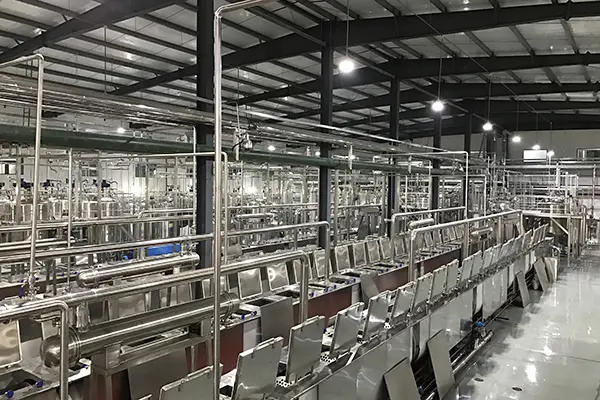
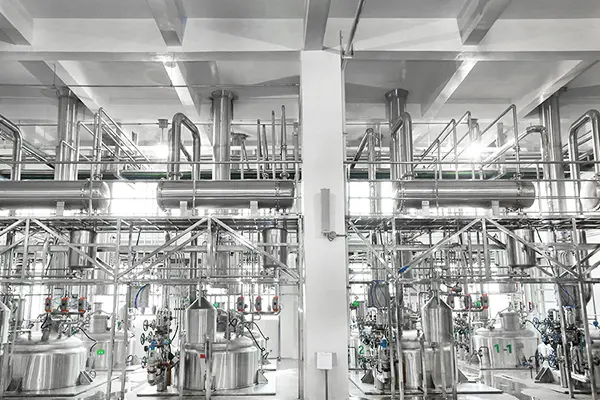
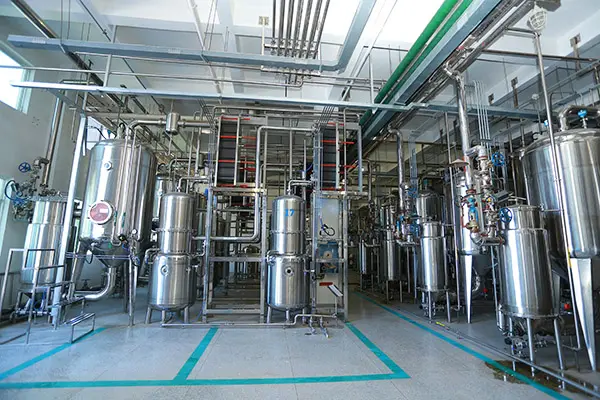
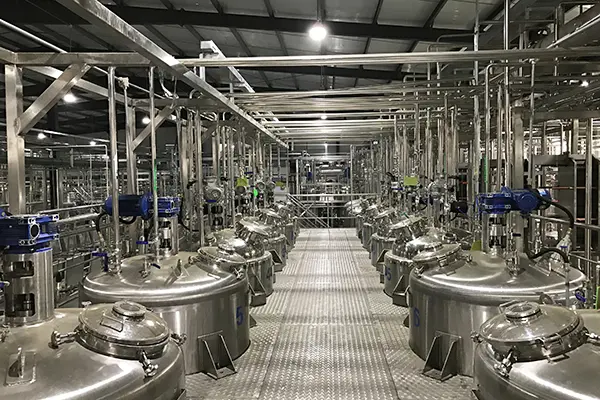
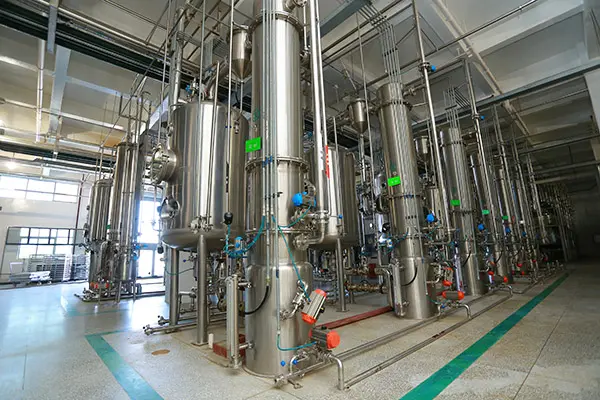
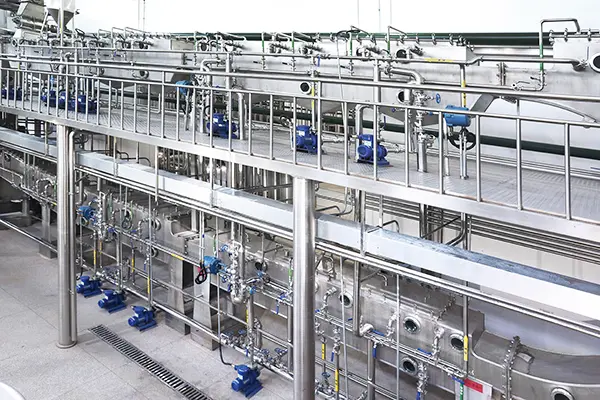
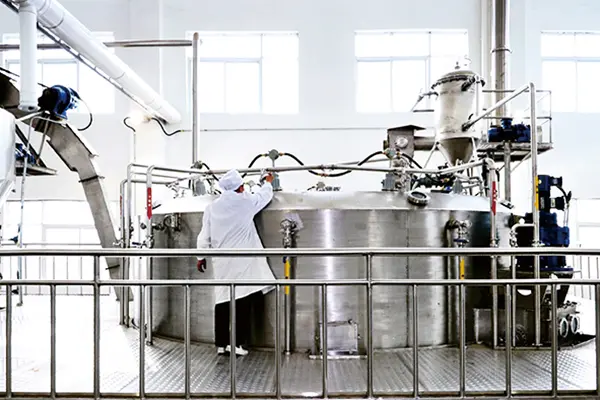
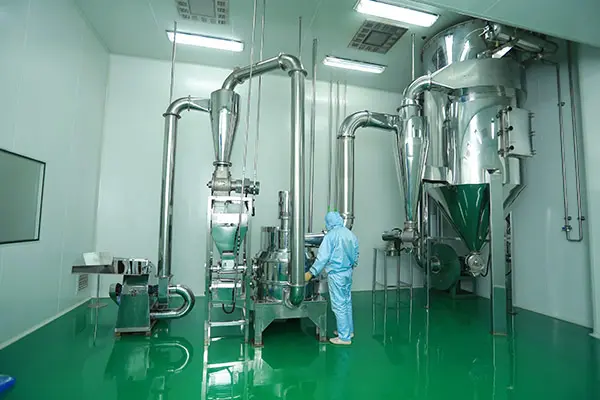
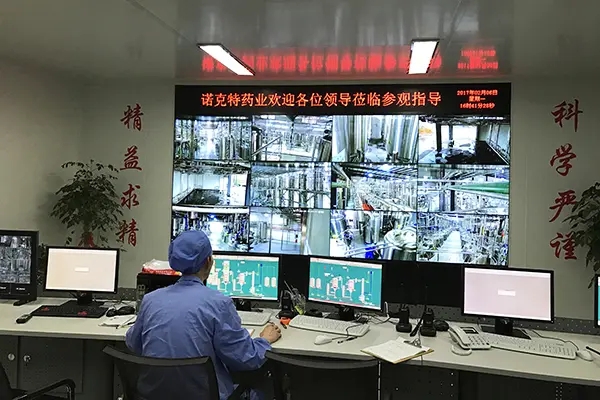
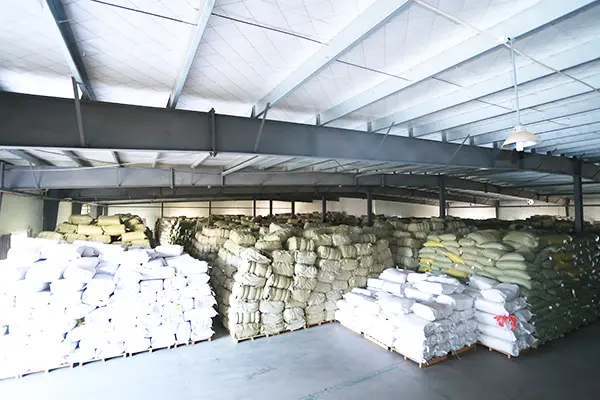
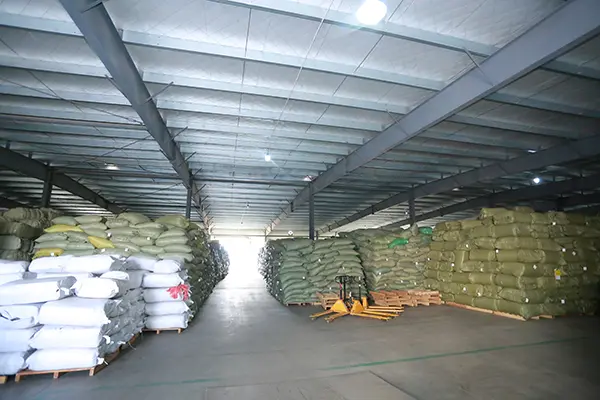
Strict verification of chemical integrity and compliance across all manufacturing batches.
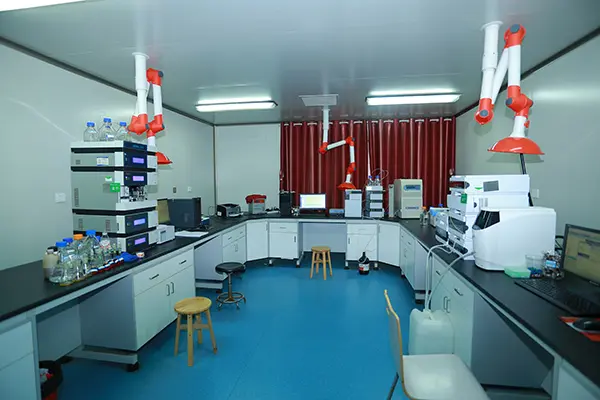
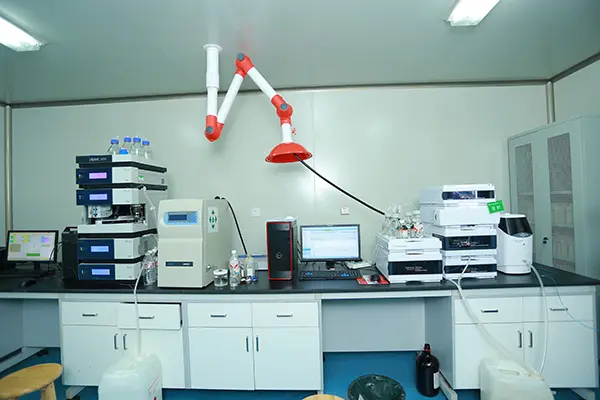
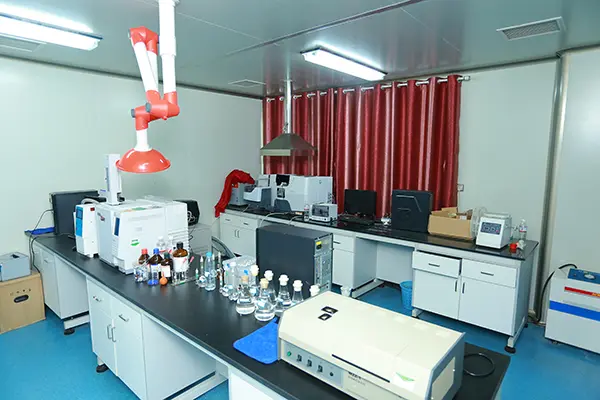
United New Life has established a leading and complete quality control system, and strictly controls the high quality of products in accordance with the quality system. With advanced testing instruments and strict control of product quality, we provide every customer with high quality products.
Detectable items include: Signature component detection (HPLC or UV), solvent residues GC, pesticide residues (organochlorine detection) GC-MS-MS, heavy metals (lead, arsenic, mercury, cadmium, copper) ICP-MS microscopic identification, moisture, dry weight loss, ash, microbial limits, thin layer identification, weighing, conductivity, PH, sulfur dioxide residue, routine detection, etc.
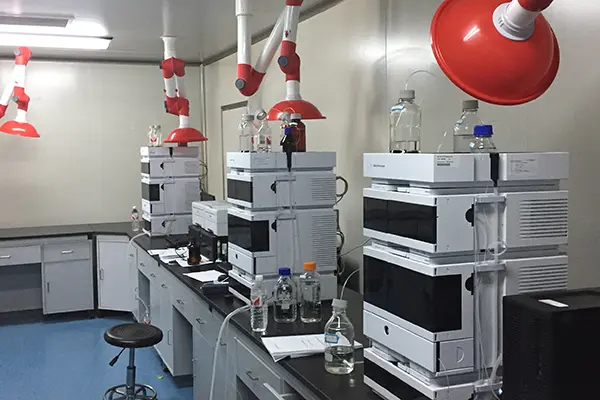
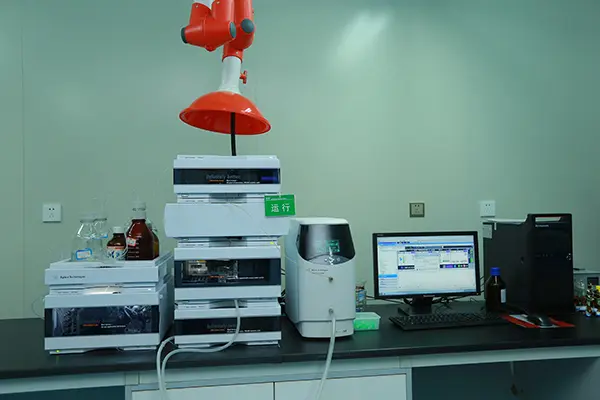
Our Central Lab spans a modern workspace and is fully qualified by CNAS. We utilize high-resolution analytical platforms including:
| Analytical Platform Type | Model / Specifications | Quantity |
|---|---|---|
| Ultra-High Performance Liquid Chromatograph (UHPLC) | Agilent 1290 Series | 2 Units |
| High-Performance Liquid Chromatograph (HPLC) | Agilent 1260 / Shimadzu LC-20AT / Dionex UltiMate 3000 | 8 Units Total |
| Evaporative Light Scattering Detector (ELSD) | Shimadzu 2000ES | 2 Units |
| Gas Chromatograph (GC) | Shimadzu GC-2010 (Trace volatile/solvent residue analysis) | 1 Unit |
| Atomic Absorption Spectrophotometer (AAS) | Shimadzu AA-7000 (Trace heavy metal characterization) | 1 Unit |
All raw ingredients and finished compounds undergo tests structured around global pharmacopoeias (USP, Ph. Eur., ChP):
| Testing Class | Testing Protocols & Scope |
|---|---|
| Active Ingredient Analysis | Assay identification, active constituent profiling via HPLC, UHPLC, and UV spectrophotometry. |
| Hazardous Substance Analysis | Quantification of heavy metals, organochlorine/organophosphorus pesticide residues, and residual organic solvents. |
| Microbiological Analysis | Total Aerobic Microbial Count (TAMC), Total Yeast/Mold Count (TYMC), Escherichia Coli, Salmonella, and specific pathogens. |
| Raw Material Control | Botanical authentication, testing for GMO status, identity, and pesticide residue verification at farm level. |
| Regulatory Compliance Validation | Ongoing evaluation of updates in global pharmaceutical registries and laws (USFDA, EMA, NMPA). |
| Stability Testing | Accelerated and long-term shelf-life study validation under specific climatic conditions (ICH Guidelines). |
| Physicochemical Parameters | pH value, moisture, ash content, optical rotation, bulk density, particle size distribution. |
How we link modern biochemistry with controlled farming systems for reliable, high-yield outputs.
UniCare invests 10% of our annual net profit in research and development. In addition to optimizing and developing the existing natural plant extraction process, we have also established a professional R&D department for the natural fermentation products. By increasing investment in natural fermentation products, we try to break through the traditional processes and disrupt industry development.
UniCare has deep cooperation with Beijing University of Chemical Technology in the field of fermentation, jointly developing and transforming the new raw materials of pharmaceutical, cosmetic, and natural health products into mass-produced products.
In order to control raw materials more efficiently and with higher quality, a raw material procurement system has been established, which extends procurement to every piece of planting land and can trace the raw materials of each batch of products. The storage of raw materials is operated according to the advanced quality management system process, and the content of active ingredients, moisture, ash, heavy metals, pesticide residues and other items of raw materials are strictly controlled.
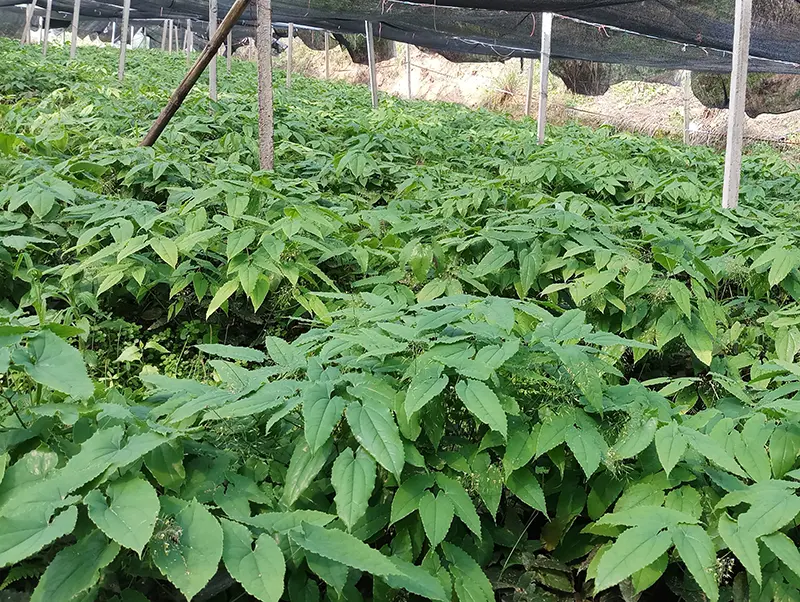
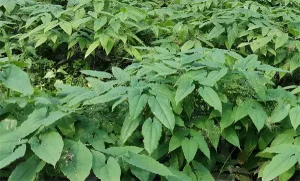
At the same time, in order to further ensure the high quality of important products, UniCare cooperated with planting farmers to establish ginkgo leaf planting bases, epimedium planting bases, phellodendron planting bases, olive leaf planting bases, etc. Some of these bases are planted strictly in accordance with the GACP management model. In addition, we cooperate with seedling research and development companies to develop high-content seedling cultivation, and cultivate better seedlings through hybridization or gene optimization, so as to continuously reduce unit costs to benefit users.
Why global pharmaceutical and life science enterprises source active compounds from China.
By coupling GACP agricultural cultivation with batch-level processing runs, Chinese exporters deliver complete raw-to-final product traceability. Advanced QR and barcode databases ensure rapid recall readiness and compliance auditing.
China hosts the world's most integrated manufacturing hubs for raw chemical processing and refining. This infrastructure minimizes auxiliary agent, energy, and distribution costs, keeping prices stable through shifting market cycles.
Equipped with major maritime hubs and intercontinental freight links, Chinese factories enable agile manufacturing shifts, scaling batch outputs from small clinical run configurations to multi-ton commercial demands.
Global pharmaceutical sourcing is increasingly constrained by stringent regulatory requirements. For foreign procurement teams, partnering with a Chinese supplier that proactively complies with international standards—such as producing drug master files (DMFs) or holding European CEP status—minimizes regulatory hurdles.
At UniCare, we support our international partners through customized documentation solutions, including detailed impurity profiles, residual solvent data (conforming to ICH Q3C limits), and BSE/TSE-free certification. We address critical import requirements by matching specifications to localized pharmacopoeias (USP, EP, or JP) and handling international logistics with customs brokerage integration.
Emerging technologies and market shifts changing the landscape of pharmaceutical ingredient production.
Modern extraction operations are phasing out traditional petroleum-derived solvents in favor of water, ethanol, and supercritical fluids. Supercritical CO2 and subcritical water extraction deliver high target yield recoveries while reducing regulatory footprint and environmental impact.
Enzymatic modification and microbial fermentation allow manufacturers to produce rare plant compounds at scale. By utilizing engineered yeast or bacterial hosts, factories can generate complex molecules like Resveratrol or Fisetin at lower price points and with greater structural stability.
Many botanical extracts (like Berberine and Quercetin) have low oral bioavailability. Modern pharmaceutical exporters are addressing this through particle size modification, micro-encapsulation, and liposomal formulation to improve pharmacokinetic profiles and absorption rates in therapeutic applications.
Key information on regulatory compliance, batch sourcing, and quality verification.
High-purity botanical powders, health ingredients, and phytochemical solutions.