Explore our foundational range of highly purified, certified raw materials manufactured in state-of-the-art facilities.
Analyzing the B2B supply chain dynamics, technical parameters, and integration trends within the longevity and wellness sectors.
The global demand for Nicotinamide Adenine Dinucleotide (NAD+) precursors (including NMN and NR) and Resveratrol has shifted from niche supplement sectors to a multi-billion dollar industrial landscape spanning dietary supplements, functional food, pharmaceuticals, and dermo-cosmetics. These two compounds function synergistically in biological systems. Resveratrol acts as an allosteric activator of Sirtuins (SIRT1)—the "longevity genes"—while NAD+ serves as the essential co-substrate that powers these enzymatic processes. Without sufficient NAD+ levels, Sirtuins cannot perform vital deacetylation reactions, rendering Resveratrol less effective. Consequently, combined formulation strategies dominate modern longevity brands.
For B2B buyers, securing a reliable, consistent, and certified supplier for both actives is critical to streamlining manufacturing chains. Finding an integrated factory that understands both chemical synthesis and green plant extraction ensures consistent purity profiles, reduced heavy metal concerns, and cross-batch validation.
Information Gain Insight: Our manufacturing plant combines advanced biocatalysis (for NAD+ intermediates) with green-solvent countercurrent extraction (for Trans-Resveratrol) to offer custom premixes that reduce storage footprint and raw material assay drift.

A rigorous breakdown of current manufacturing pathways, detailing efficacy, safety, and chemical metrics.
B2B formulators must navigate various manufacturing pathways to select materials that align with clean-label requirements, budget limits, and target jurisdictions. Below is an engineering overview of the primary technical routes for NAD+ and Resveratrol production.
| Active Ingredient | Technical Route | Key Process Advantages | Purity Range | Heavy Metal / Solvent Limits |
|---|---|---|---|---|
| NAD+ Precursors (NMN / NR) | Enzymatic Synthesis (Biocatalysis) | High stereoselectivity, mimicry of human metabolic pathways, no toxic chemical catalysts. | ≥ 99.5% | Pb < 0.5 ppm, Ethanol ≤ 1000 ppm |
| NAD+ Precursors (NMN / NR) | Chemical Synthesis | Low cost, scalable precursor acquisition. High chemical solvent footprint. | ≥ 98.0% | Trace heavy metal concerns, strict VOC tracking |
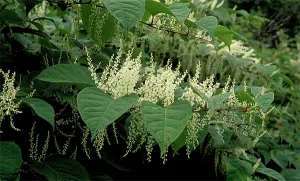
| Trans-Resveratrol | Natural Plant Extraction (Polygonum Cuspidatum) | Traditional herb heritage, secondary plant metabolites present, highly preferred in Europe. | 98% - 99% | Emodin < 0.1%, Solvent: Ethyl acetate/Water |
| Trans-Resveratrol | Saccharomyces Cerevisiae Fermentation | Consistent yield, independent of plant harvesting cycles, highly clean label. | ≥ 99.0% | Zero pesticide residues, ultra-low heavy metals |
Traditional chemical synthesis routes often introduce unwanted organic solvent impurities (such as toluene or dichloromethane). UniCare’s partnered manufacturing plants utilize a proprietary enzyme directed evolution platform for producing NAD+ intermediates. By utilizing customized recombinant enzymes, we produce raw materials that bypass hazardous organic chemicals. This bio-catalytic process yields a pure white crystalline powder with a stable particle size distribution (PSD), ensuring optimal flowability and minimal static charge during high-speed encapsulation.
Why domestic integration, raw material cultivation bases, and automated refining plants guarantee stability in volatile global markets.
In the global phytochemistry sector, supply chain resilience is determined by raw material access, processing capacity, and regulatory compliance. UniCare maintains a strong market position through close cooperation with advanced manufacturing plants in China. We operate vertical supply integration that reaches directly to GACP-compliant agricultural regions.
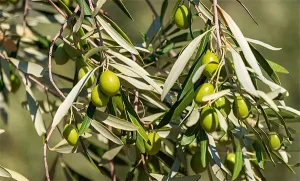
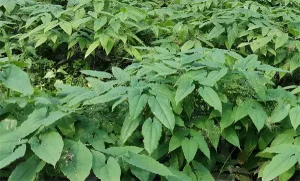
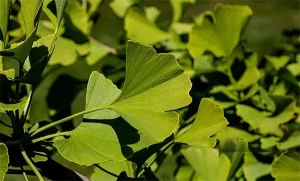
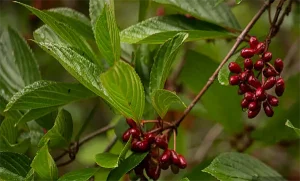
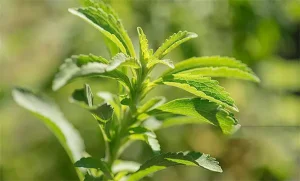
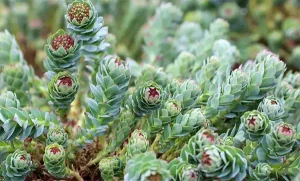
Our raw material procurement system monitors growth from the seed level. To maintain consistency, UniCare has built established, hybrid-cultivated, high-yield plant bases for Ginkgo Biloba, Epimedium, Phellodendron, and Olive Leaf. This direct supply mitigates raw material market price fluctuations and ensures that heavy metals, organochlorine pesticide residues, and PAHs are managed prior to extraction.
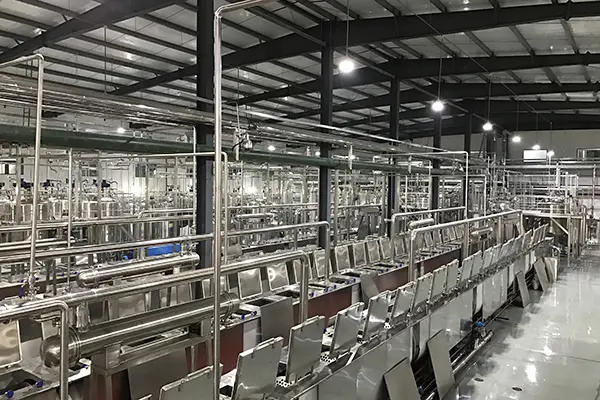
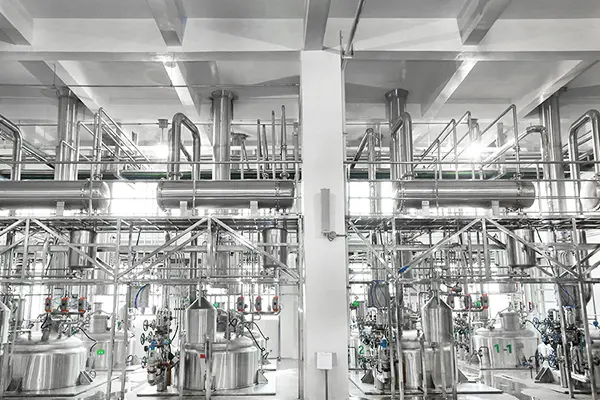
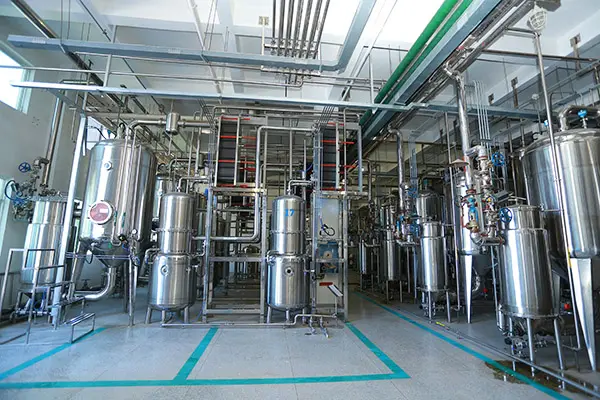
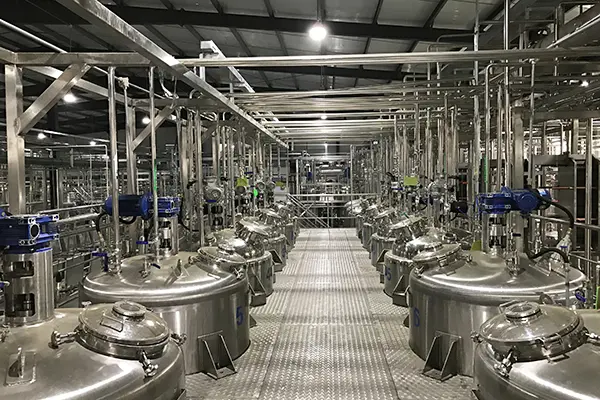
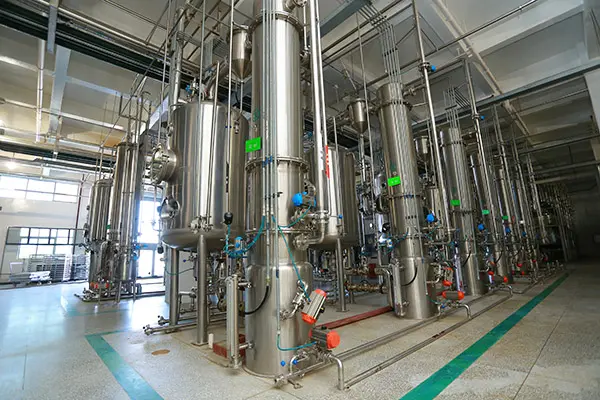
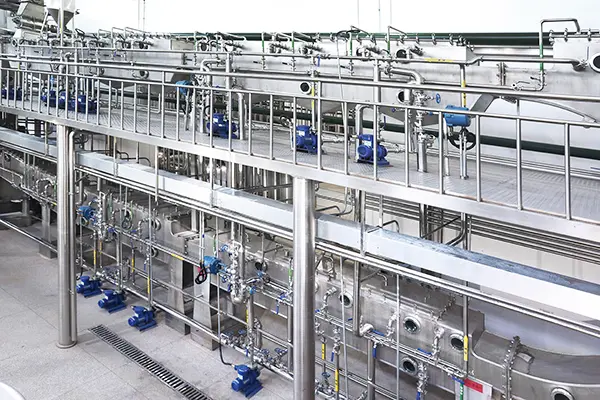
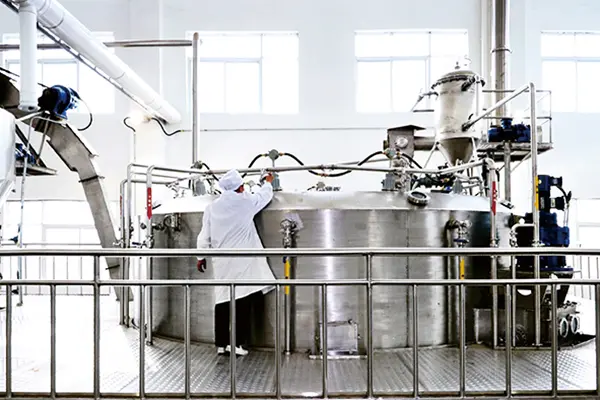
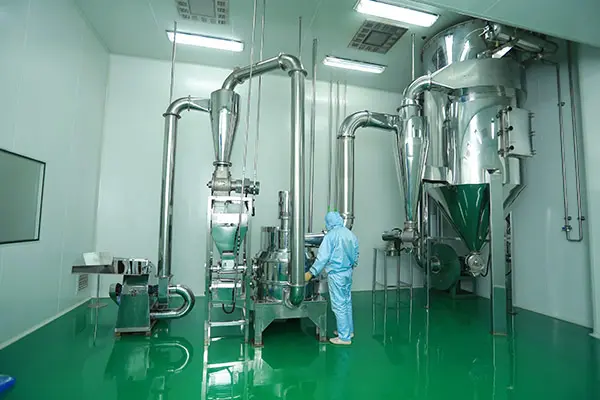
Our processing capacity is built on advanced technology. The entire production line is managed by automated, digital control systems. Our plant features two GMP workshops with six extraction lines, including a dedicated Ginkgo Biloba extract acetone-process production line that meets strict EU GMP standards. Additionally, the plant houses six 20-ton fermentation tanks, designed for enzyme modifications and bio-conversions that help reduce production costs and improve yield stability.
Providing verifiable, transparent testing data to ensure every batch meets global monograph standards.
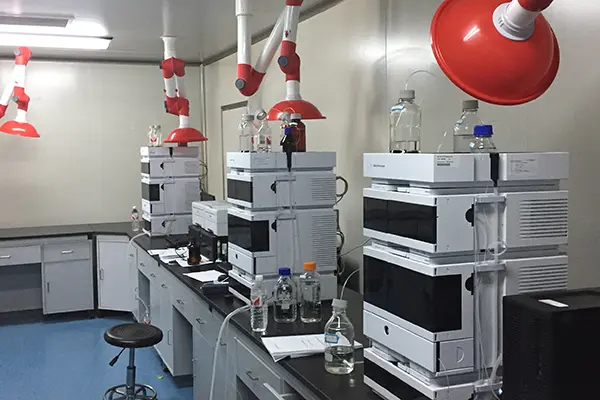
For high-value longevity molecules like NAD+ and Resveratrol, quality assurance directly impacts formulation safety and label claims. UniCare and our manufacturing partners have implemented a comprehensive Quality Control (QC) framework. Our QC measures cover all critical chemical markers, physical parameters, and microbiological limits.
Testing parameters include: Signature Active Assays (via HPLC or UV-Vis), Organic Solvent Residue Tracking (via GC), Organochlorine and Organophosphorus Pesticides (via GC-MS-MS), Heavy Metals (Lead, Arsenic, Cadmium, Mercury, and Copper via ICP-MS), Ash Content, Loss on Drying, and Microbe limits (such as TAMC, TYMC, Salmonella, and E. Coli).
| Testing Category | Specific Testing Items | Instrumentation / Methodology Used |
|---|---|---|
| Active Ingredient Analysis | Assay determination, chemical identification | UHPLC (Agilent 1290), HPLC (Agilent 1260 / Shimadzu LC-20AT) |
| Hazardous Substance Analysis | Heavy metals profiling, residual pesticide detection, residual solvent levels | ICP-MS, Gas Chromatography (Shimadzu GC-2010), GC-MS-MS |
| Microbiology Profile | Total Aerobic Microbial Count (TAMC), Yeast & Mold (TYMC), pathogens screening | Biological incubation, rapid PCR confirmation |
| Physical/Chemical Routine | pH value, particle size, bulk density, moisture, ash, optical rotation | Karl Fischer Titrator, Laser Particle Size Analyzer, Polarimeters |
Our testing facilities are equipped with industry-standard analytical instruments, including:
Helping brands navigate varying regulatory landscapes, consumer trends, and localization requirements.
We supply NMN and Resveratrol in compliance with local guidelines, providing comprehensive NDIs support and USP-grade testing reports for seamless US custom clearances.
Our botanicals undergo rigorous pesticide screening and PAH analysis to align with strict EU directives. We offer fully validated trans-resveratrol matching the Novel Food requirements.
We provide water-soluble and stable micro-encapsulated formulations suitable for ready-to-drink beverages, fast-dissolving tablets, and cosmetic applications popular in Japan, Korea, and Southeast Asia.
Dietary supplement standards vary significantly by region. In North America, buyers prioritize bulk density and particle sizing to ensure suitability for high-speed encapsulation machinery. In Europe, the focus trends toward green-solvent processes, non-GMO sourcing, and clean analytical baselines. In East Asia, demand is rising for beauty-from-within concepts, requiring water-soluble raw materials and customizable botanical blends.
UniCare addresses these diverse requirements by offering physical modifications of our powders, including granulations for direct compression, micronization for cosmetics, and custom premix options containing synergists like Quercetin, Fisetin, and Berberine HCl.
Partnering with academic institutions to optimize extraction and biotechnology processes.
Our commitment to raw material quality begins with targeted research. UniCare reinvests 10% of our annual net profit into research and development. We focus on optimizing standard extraction yields and developing new bio-fermentation methods to improve raw material purity.
We collaborate with the Beijing University of Chemical Technology in the field of fermentation. This partnership supports the translation of laboratory-scale fermentation developments into stable, commercial-scale production processes for health actives, cosmetics, and botanical compounds.
To control raw material quality, we manage a traceable procurement system. In addition, we run dedicated Ginkgo leaf, Epimedium, Phellodendron, and Olive leaf cultivation bases in partnership with local growers. Some of these bases follow GACP management guidelines. We also work with agricultural nurseries to develop high-content cultivars, helping to stabilize cost efficiencies for our B2B customers.

A gallery displaying our production workshops, fermentation lines, and quality control systems.
Answering common technical, regulatory, and logistics questions from B2B buyers and formulators.
View the rest of our botanical active ingredients and standardized extracts for health and food applications.