High-purity botanical raw materials engineered for dietary supplements, pharmaceuticals, and functional foods.
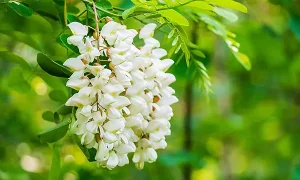
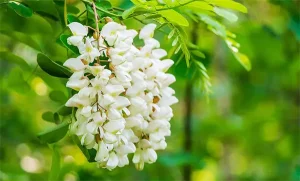
The industrial derivatives of Sophora japonica L. (commonly known as the Chinese Pagoda Tree or Scholar Tree) have evolved into a multi-billion dollar segment within the global bio-actives market. The flowers and buds of Sophora japonica are uniquely rich in bioflavonoids, notably Rutin (Rutoside) and its downstream hydrolysis derivative, Quercetin. As clinical validation increases for their roles in anti-inflammation, cardiovascular stability, capillary strength, and cellular health, global sourcing requirements have intensified.
Global pharmaceutical, cosmetic, and nutraceutical corporations are shifting away from unreliable intermediaries, preferring direct integration with Sophora Japonica Tree Factories that possess complete agricultural traceability, state-of-the-art chemical extraction capabilities, and rigorous compliance infrastructure. The current industry focus centers on high-purity isolation, reducing organic solvents, and eliminating chemical pesticide contamination to meet strict European Pharmacopoeia (EP) and United States Pharmacopeia (USP) standards.


UniCare is a professional supplier of natural active ingredients. Our products are widely used in various fields such as dietary supplement, food, cosmetics and pharmaceuticals. We focus on product development and quality stability, and insist on growing together with our customers around the world.
UniCare has deep cooperation with several excellent Chinese manufacturers who have complete quality management system certifications, including but not limited to GMP, EUGMP, CEP, ISO9001, ISO22000, and HACCP. Each factory has independent testing capabilities and is equipped with advanced and efficient testing equipment to ensure the high quality and long-term stability of each batch of products.
Innovating at the intersection of nature and pharmaceutical science to power clean, bioavailable solutions.

Unlocking hidden molecular pathways in botanical matrices through scientific rigor and clinical proofing.

Iterating on extraction yields, purity consistency, and carbon offset processes in industrial manufacturing.

Harnessing smart automated manufacturing pipelines, multi-column chromatography, and high-efficiency spray drying.

Ensuring sustainable regional agricultural supply chains that provide stable fair-trade incomes to rural farmers.
UniCare attaches great importance to the hardware conditions of production equipment and has the largest and most advanced extraction factory in China. The entire production line in UniCare is controlled by a modern, intelligent, automatic control system. Until now, UniCare has built up two GMP workshops, containing six multi-functional extraction lines, among which there is the only production line for Ginkgo Biloba Extract of acetone process in the whole China. Here are several other production lines including fermentation production lines and Chinese medicine pieces. A total of 30,000 tons of various Chinese medicine plant raw materials can be processed each year.
By using dynamic countercurrent extraction columns, we maximize the release of active fractions (such as Sophora japonica flavonoids) while minimizing consumption of thermal energy and organic solvents, aligning with global green manufacturing standards.


The factory has passed the official China GMP certification ensuring rigid process hygiene and standardization.

The EU-GMP and CEP of Ginkgo Biloba Extract has been certified, proving international equivalence.

All extraction production lines adopt modern, intelligent, and automated control systems to ensure batch consistency.

Own the most advanced large-scale industrial extraction equipment engineered and deployed in China.

Capable of processing high-volume Chinese medicine and plant raw materials like Sophora japonica annually.

Featuring 3 annular dynamic countercurrent extraction lines (10T & 15T), 2 multi-functional lines (32 tanks, 6m³ each), and 1 round dynamic countercurrent extraction line.

Own the only acetone process extraction line for Ginkgo Biloba Extract in China that meets the EU GMP standards.
Own six fermentation tanks (20 tons capacity for each) dedicated to the manufacturing of enzyme-modified products.
Transparent insight into our cGMP-compliant cleanrooms, crystallization suites, and bulk storage zones.
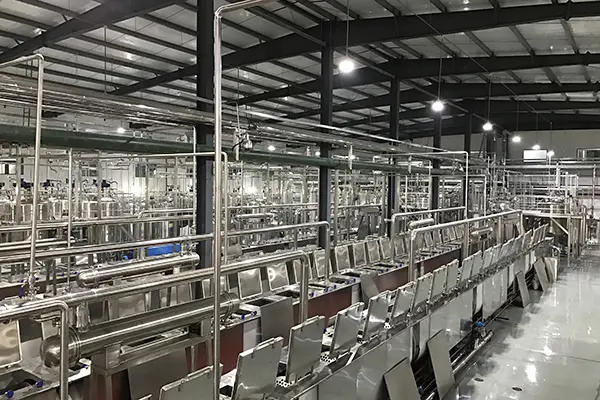
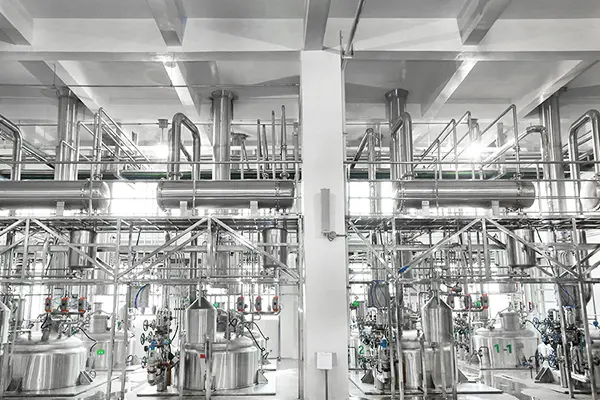
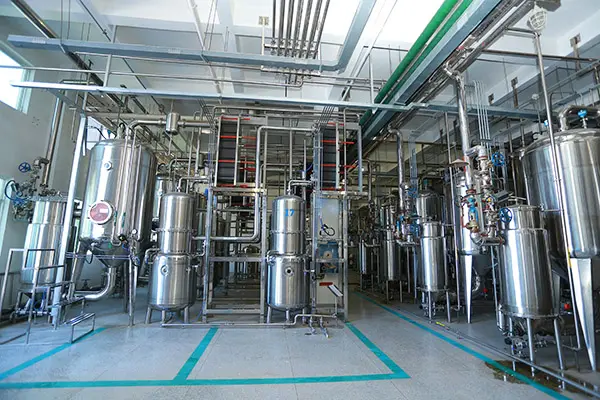
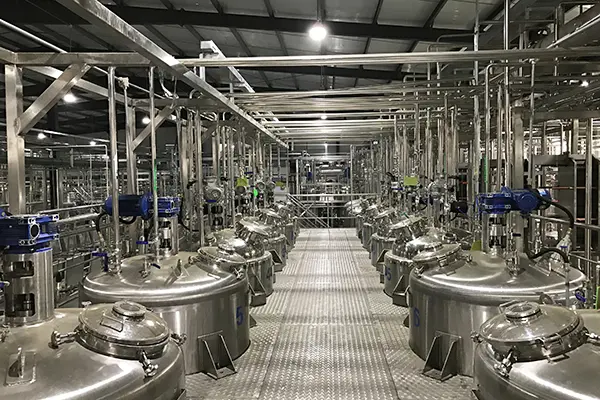
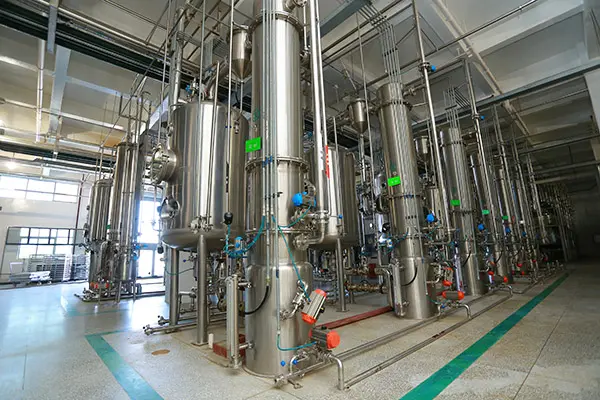
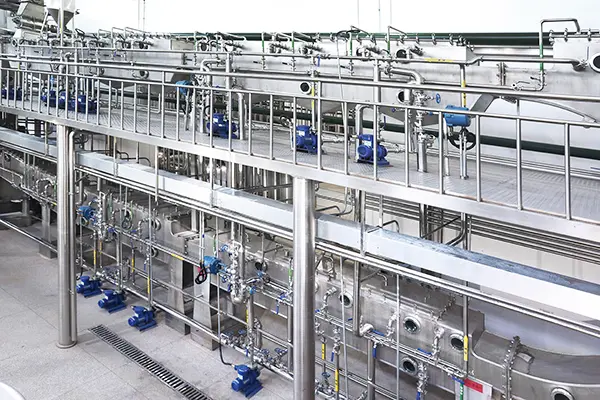
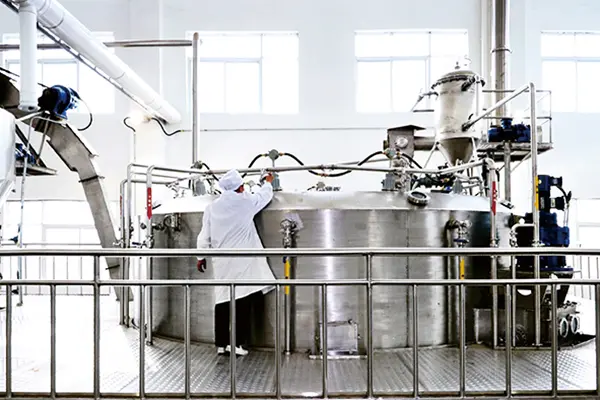
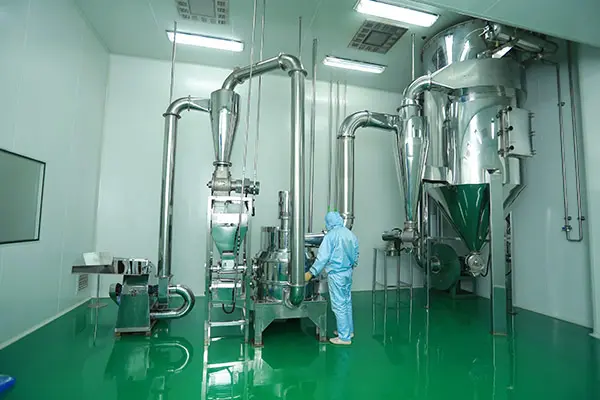
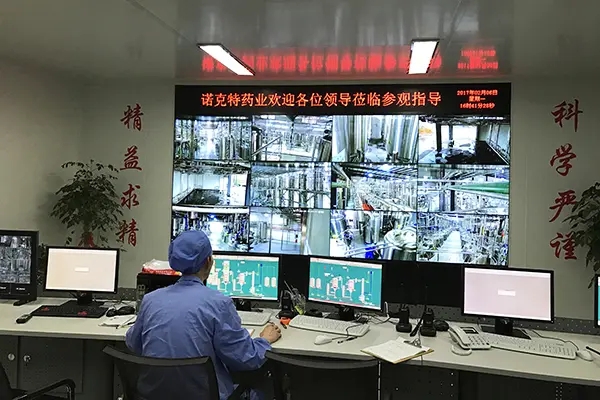
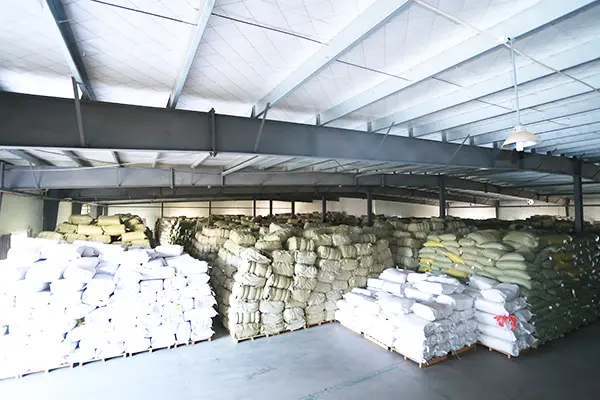
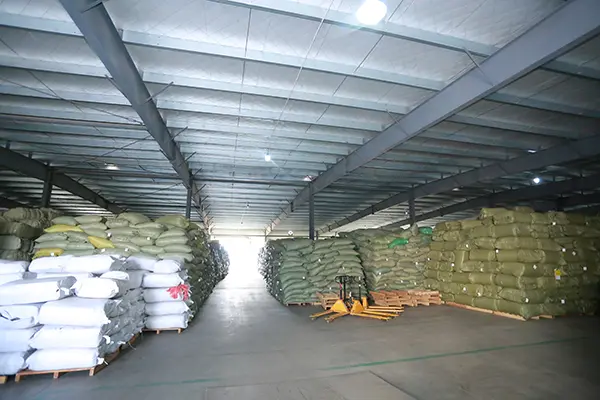
Our partners have established a leading and complete quality control system, strictly controlling the high quality of products in accordance with global food and drug regulations.
| Quality Control Parameter | Analytical Method & Technology Standard |
|---|---|
| Active Ingredient Analysis | Assay, Identification (TLC / HPLC / UV-Vis Spectrophotometry) |
| Hazardous Substance Analysis | Heavy metals (ICP-MS), Pesticide residues (GC-MS-MS), Residual Solvents (GC-FID) |
| Microbial Analysis | Total Aerobic Microbial Count (TAMC), Escherichia coli, Yeast & mould, Specific pathogen testing |
| Raw Material Control | Pesticide residue screen, Allergen origin identification, Non-GMO verification, Geographic Origin Tracing |
| Laws & Regulations Confirmation | Investigation, research, and documentation alignment with EP, USP, GB, and FDA rules |
| Stability Test | Accelerated and long-term shelf-life study in compliance with ICH guidelines |
| Physical & Chemical Testing | pH value, moisture, ash content, optical rotation, particle size distribution, bulk/tapped density |
| Agilent UHPLC 1290 | Agilent HPLC 1260 | Shimadzu HPLC LC-20AT | Shimadzu ELSD 2000ES | Shimadzu GC-2010 | Shimadzu AA-7000 AAS |
|---|---|---|---|---|---|
| Qty: 2 sets (Ultra-High Resolution) | Qty: 4 sets (High-Performance Chromatographs) | Qty: 2 sets (Routine Quantitative Assays) | Qty: 2 sets (Evaporative Light Scattering Detector) | Qty: 1 set (Gas Chromatography for residual solvents) | Qty: 1 set (Atomic Absorption for heavy metals) |
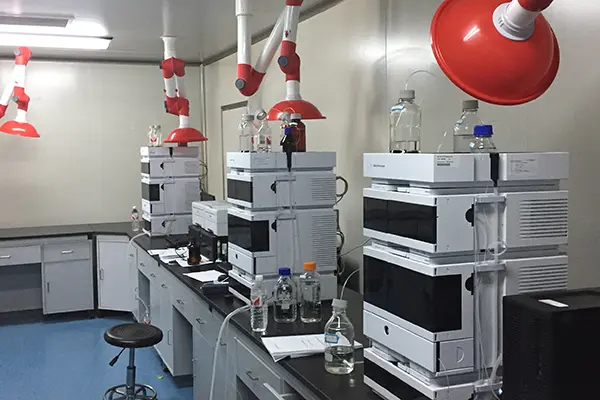
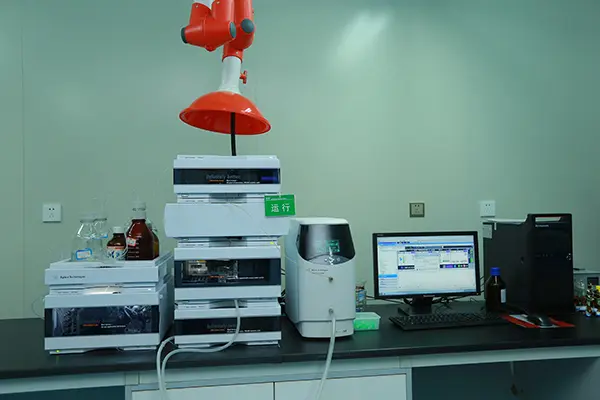
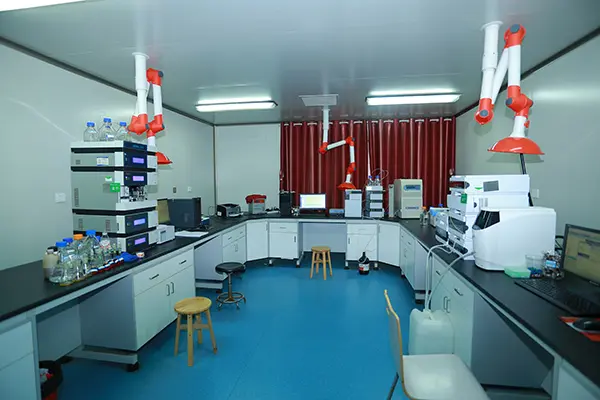
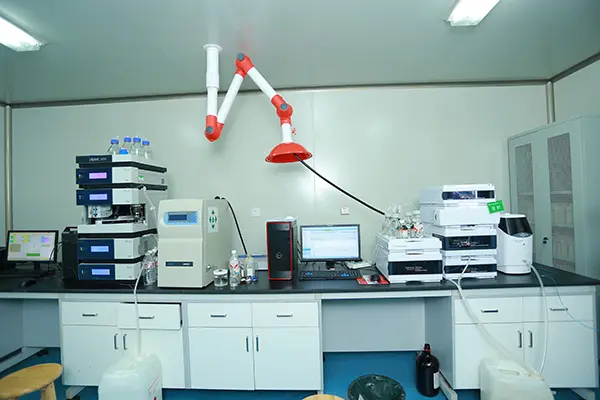
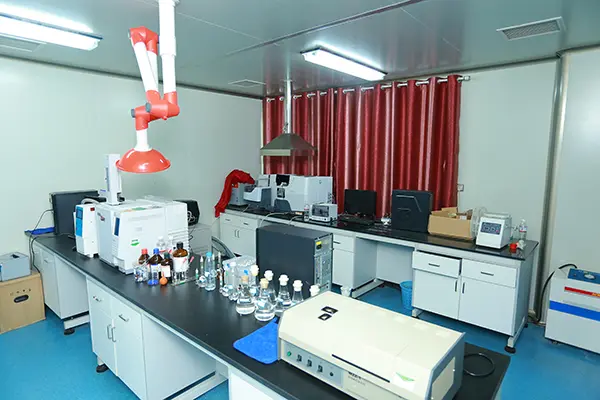
Upstream quality control begins at the seedling level. We bridge agricultural science with extraction technologies.
UniCare invests 10% of our annual net profit in research and development. In addition to optimizing and developing the existing natural plant extraction process, we have also established a professional R&D department for natural fermentation products. By increasing investment in natural fermentation products, we try to break through the traditional processes and disrupt industry development.
To accelerate chemical biology innovation, UniCare maintains a deep academic-industrial partnership with the Beijing University of Chemical Technology in the field of industrial fermentation, jointly developing and converting newly characterized molecules into scalable, mass-produced pharmaceutical, cosmetic, and nutritional ingredients.

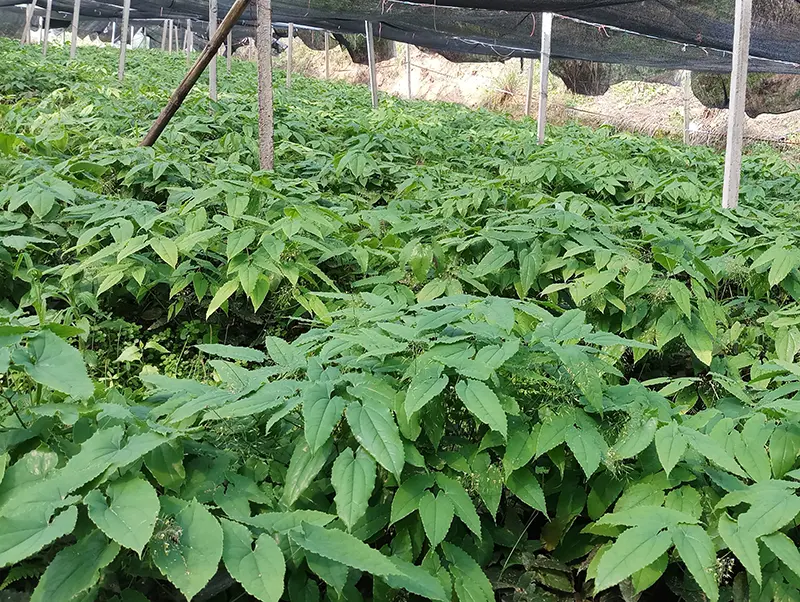
In order to control raw materials more efficiently and with higher quality, a raw material procurement system has been established, which extends procurement to every piece of planting land and can trace the raw materials of each batch of products. The storage of raw materials is operated according to the advanced quality management system process, and the content of active ingredients, moisture, ash, heavy metals, pesticide residues and other items of raw materials are strictly controlled.
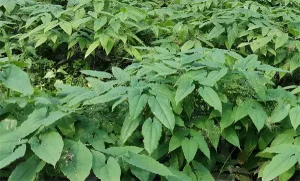
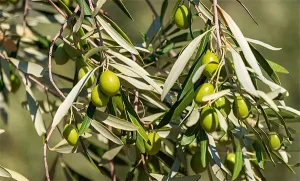
At the same time, in order to further ensure the high quality of important products, UniCare cooperated with planting farmers to establish ginkgo leaf planting bases, epimedium planting bases, phellodendron planting bases, olive leaf planting bases, etc. Some of these bases are planted strictly in accordance with the GACP (Good Agricultural and Collection Practices) management model. In addition, we cooperate with seedling research and development companies to develop high-content seedling cultivation, and cultivate better seedlings through hybridization or gene optimization, so as to continuously reduce unit costs to benefit users.
How UniCare addresses global supply chain resilience, green solvents, and bio-enhanced delivery systems.
Transitioning primary phytochemical separation from traditional organic matrices to pressurized hot water extraction (PHWE) and natural deep eutectic solvents (NADES) to eliminate residual solvent profiles entirely.
Leveraging our 20-ton fermentation facilities to perform structural biotransformation on Rutin, yielding highly water-soluble Isoquercitrin (EMIQ) and Troxerutin for advanced drug formulation.
Implementing soil sensors and satellite-driven NDVI analysis across our Ginkgo and Sophora japonica GACP planting bases to forecast active flavonoid concentrations prior to harvesting.
Detailed technical and commercial answers for global procurement directors and compliance officers.
High-purity botanical raw materials engineered for dietary supplements, pharmaceuticals, and functional foods.