
Understanding the industrial dynamics, molecular chemistry, and production protocols of Active Hexose Correlated Compound (AHCC).
Active Hexose Correlated Compound (AHCC) represents a major advancement in the field of mycological science and nutritional pharmacology. Unlike traditional mushroom extracts, which primarily yield high-molecular-weight beta-glucans, AHCC is derived through a specialized, highly controlled enzymatic cultivation process of Lentinula edodes (shiitake) mycelia. The resulting compound is exceptionally rich in low-molecular-weight acetylated alpha-glucans. These low-molecular-weight molecules (often under 5,000 Daltons) exhibit enhanced bioavailability across the intestinal mucosal barrier, making them highly effective at modulating immune responses by activating Natural Killer (NK) cells, T-lymphocytes, and dendritic cells.
As global demand for science-backed immunomodulators increases, sourcing from certified Chinese manufacturers with large-scale submerged fermentation tanks and clean extraction technology has become the standard for major global brands. This whitepaper analyzes the chemical mechanisms, industrial manufacturing methodologies, regulatory landscapes, and quality parameters that global procurement officers must evaluate when selecting a supplier in China.
AHCC features acetylated alpha-glucans with molecular weights under 5,000 Daltons. This allows for rapid absorption and immediate systemic immune support compared to raw mushroom powders.
The acetylation process occurs naturally during mycelia fermentation in customized nutrient mediums. This structure interacts directly with immune cell receptors in the gut.
AHCC is supported by peer-reviewed human trials and laboratory studies validating its positive impact on NK cells, cytokines, and general cellular defense mechanisms.
UniCare specializes in the commercial supply and quality stabilization of premium biological extracts for dietary supplements, functional foods, cosmetics, and pharmaceutical formulations worldwide.
We maintain deep partnerships with premier manufacturing facilities across China. These partner factories operate under strict quality management certifications, including GMP, EU-GMP, CEP, ISO9001, ISO22000, and HACCP. Each facility features independent analytical testing laboratories and is equipped with advanced instrumentation to guarantee raw material purity and batch-to-batch stability.


Our guiding values drive product quality, technological innovation, and sustainable partnership.

Unlocking the hidden potential of herbal matrices and transforming them into standardized active ingredients.

Constantly optimizing extraction efficiency and fermentation yields to provide higher purity levels.

Utilizing high-end engineering processes to supply products that exceed quality expectations.

Promoting workplace well-being and supporting ecological practices across agricultural supply chains.
A look at China's leading intelligent extraction plant and industrial fermentation facility.
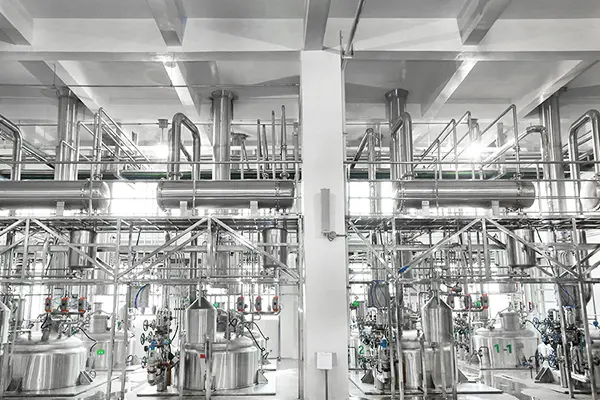
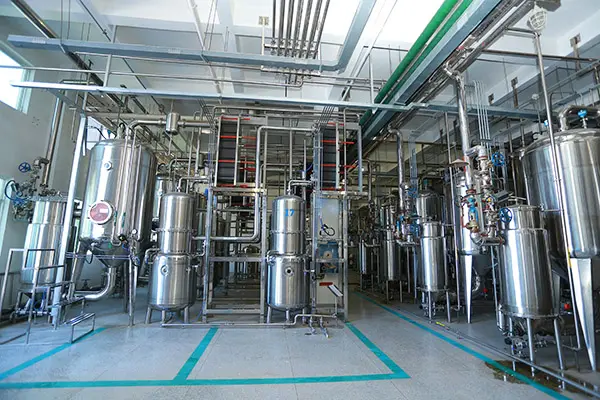
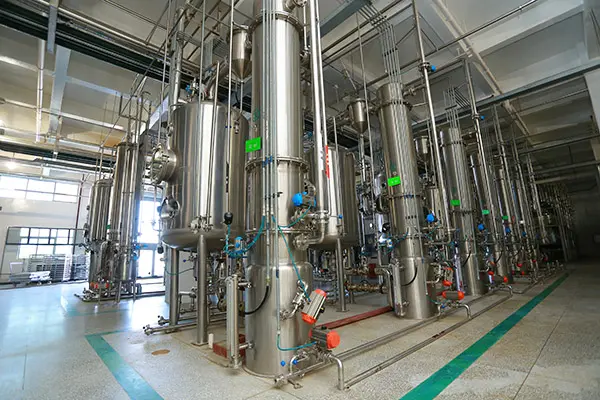
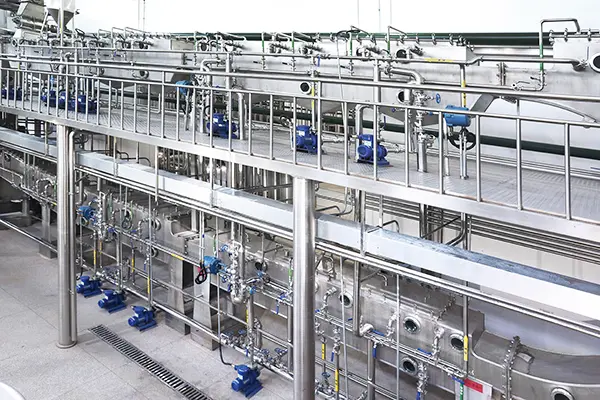
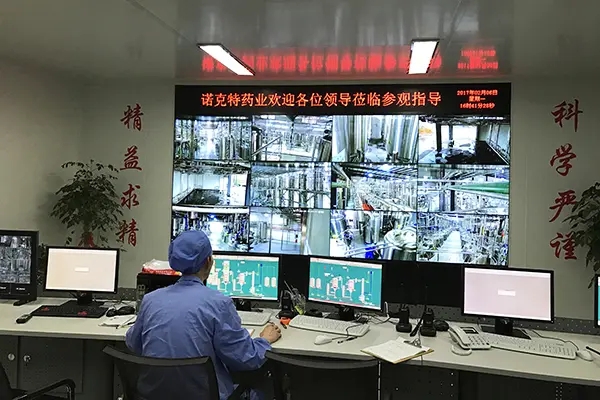
UniCare operates clean production environments and coordinates manufacturing through one of the most advanced extraction and fermentation complexes in China. The entire manufacturing environment is monitored by a digital control system that ensures precise parameters for temperature, pressure, extraction time, and fermentation progression.
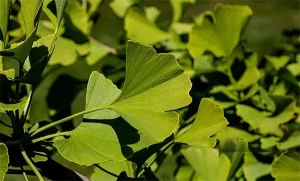
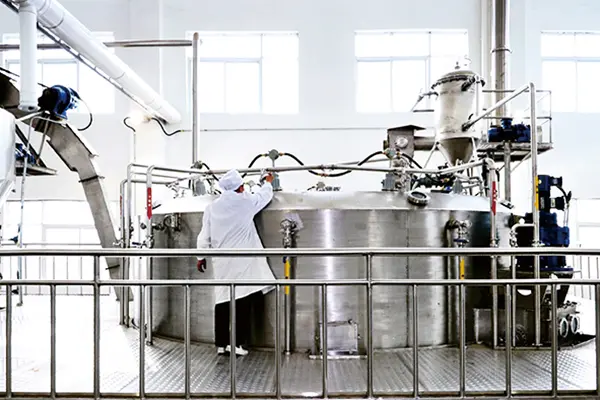
We operate two dedicated GMP-compliant production workshops containing six multi-functional industrial extraction lines. Among these, we host the only production line for Ginkgo Biloba Extract using a specialized acetone process in China. With a processing capacity of 30,000 tons of botanical raw materials annually, we can scale production of AHCC and related active compounds to meet high-volume orders.


Fully certified under national and international GMP regulations, ensuring strict validation of manufacturing environments and equipment sanitation.

Our Ginkgo Biloba acetone-extraction process conforms strictly to EU-GMP and CEP certifications, illustrating our commitment to chemical purity standards.

Automated SCADA systems regulate flow rates, temperature profiles, and raw material feeds, minimizing manual error and batch variation.

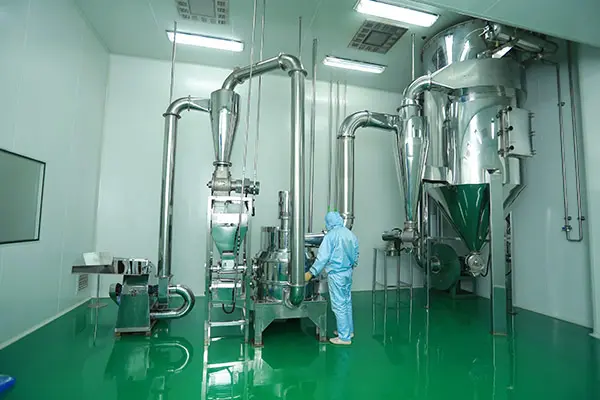
Our facility houses high-precision equipment including countercurrent extraction vessels, vacuum concentration columns, and high-velocity spray dryers.

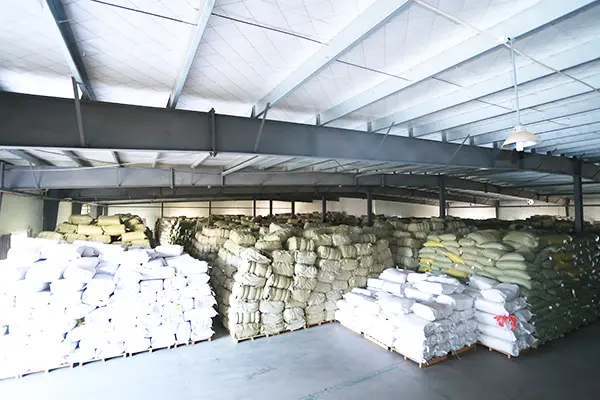
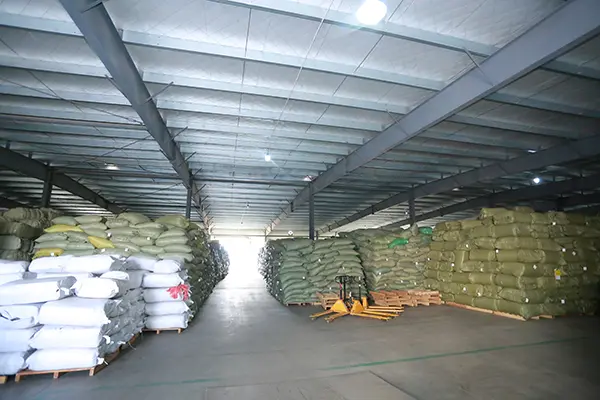
Large raw material handling facilities allow processing of up to 30,000 metric tons of raw botanical material per fiscal year.

Features 3 annular dynamic countercurrent lines (10t & 15t), 2 multi-functional lines (32 extraction tanks, 6m³ capacity each), and 1 round dynamic countercurrent line.

The only operational acetone-based extraction infrastructure in China that matches EU-GMP documentation guidelines for therapeutic herbal isolates.
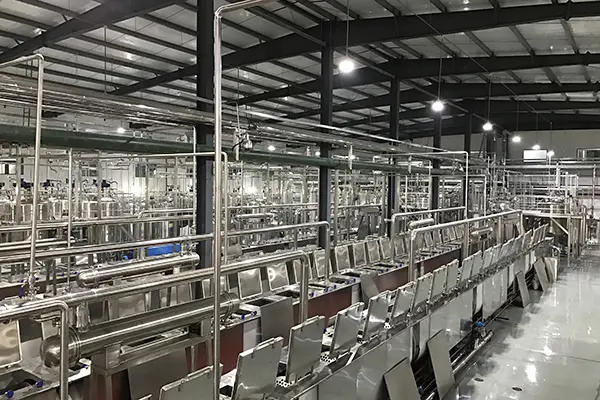
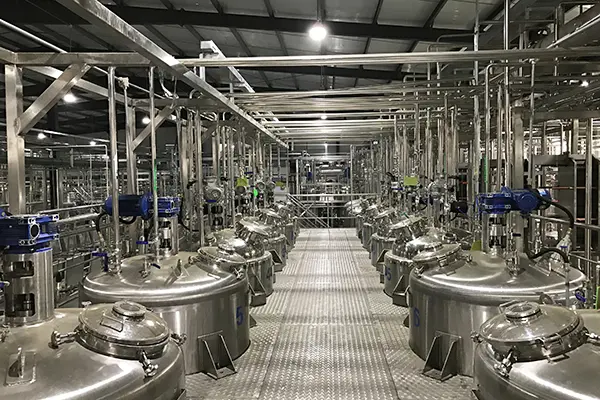
Six large-scale 20-ton fermentation tanks optimized for enzyme-modified bio-transformations, supporting deep processing of mushroom mycelia and enzymes.
A look at our analytical testing protocols and quality control infrastructure.
To maintain transparency across the international supply chain, UniCare partners implement a comprehensive quality control program. We perform complete testing on raw ingredients and finished batches to ensure all components align with their respective specifications. Our analytical protocols verify physical characteristics, extract profiles, and biological safety limits.
| Analytical Domain | Assay Parameters & Methodologies |
|---|---|
| Active Ingredient Analysis | Quantitative assays, finger-print identification, HPLC-UV validation, spectrophotometric assays. |
| Hazardous Substance Screen | Heavy metal testing (ICP-MS for Pb, As, Hg, Cd, Cu), organochlorine pesticide screen (GC-MS-MS), residual solvent verification (GC). |
| Microbiological Evaluation | Total aerobic microbial count (TAMC), yeast and mold count (TYMC), tests for specific pathogens (E. coli, Salmonella, Pseudomonas aeruginosa). |
| Raw Material Control | Botanical authentication, GACP verification, pesticide screenings, non-GMO declaration, allergen documentation. |
| Regulatory Alignment | Verification of compliance with pharmacopoeia standards (USP, EP, ChP) across the target regional markets. |
| Stability Validation | Real-time and accelerated stability studies in controlled environmental chambers to establish valid shelf-life guidelines. |
| Physical Characteristics | pH validation, optical rotation, bulk density, tap density, moisture content, ash residue, particle size distribution. |
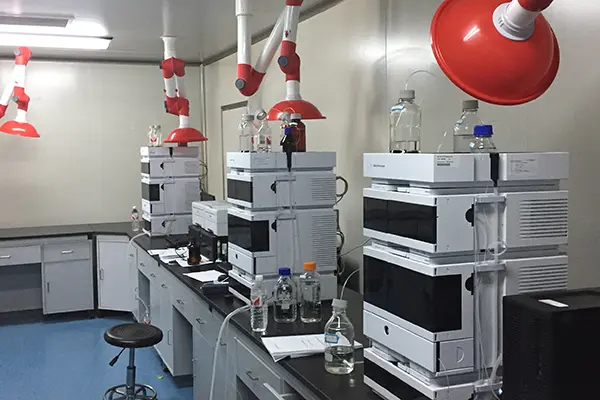
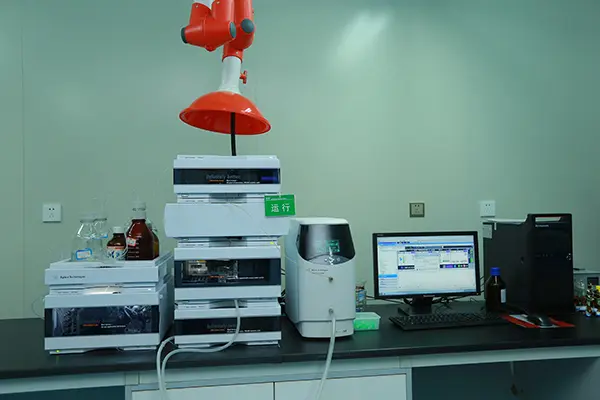
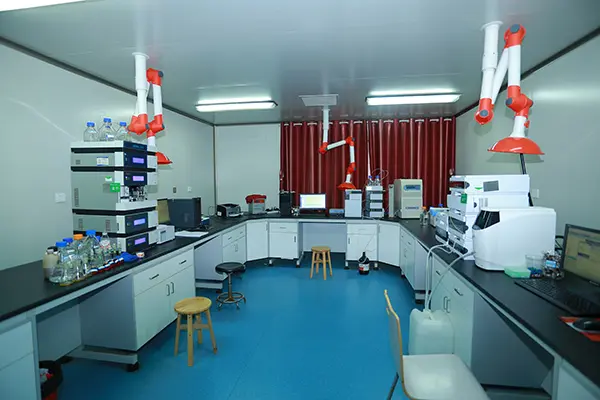
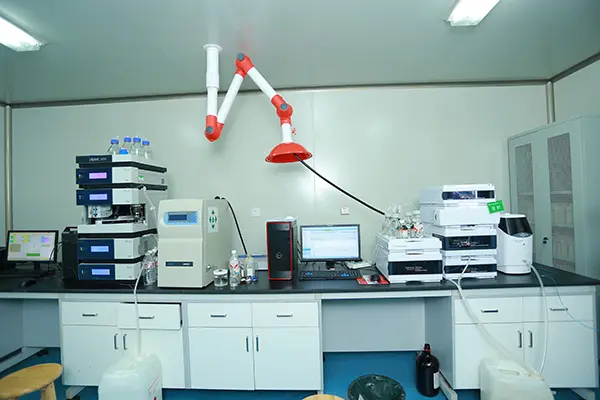
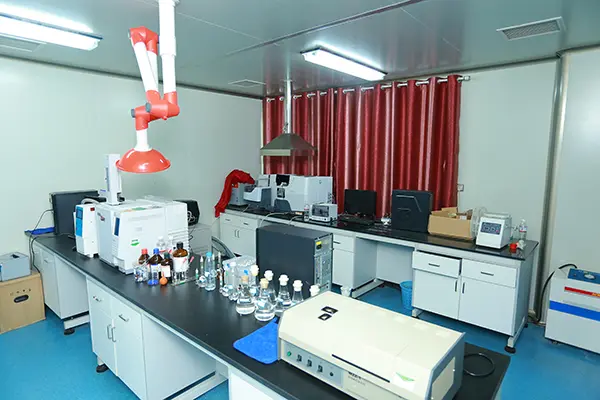
Our partners' central laboratory is qualified by the China National Accreditation Service (CNAS) and maintains a comprehensive range of diagnostic and analytical instrumentation, including:
| Instrument Category | Manufacturer & Model | Quantity | Primary Application |
|---|---|---|---|
| UHPLC (Ultra-High Performance Liquid Chromatograph) | Agilent 1290 Series | 2 Units | High-speed separation and quantification of active substances. |
| HPLC (High Performance Liquid Chromatograph) | Agilent 1260 Series | 4 Units | Standard active ingredient assays and fingerprint profiling. |
| HPLC (High Performance Liquid Chromatograph) | Shimadzu LC-20AT | 2 Units | Standard assay runs and raw material input validation. |
| HPLC with UV Detector | Dionex Ultimate 3000 | 2 Units | Polyphenol and carbohydrate separation. |
| ELSD (Evaporative Light Scattering Detector) | Shimadzu 2000ES | 2 Units | Analysis of non-chromophoric compounds (sugars, lipids). |
| Gas Chromatograph (GC) | Shimadzu GC-2010 | 1 Unit | Screening for volatile organic residues and solvents. |
| AAS (Atomic Absorption Spectrophotometer) | Shimadzu AA-7000 | 1 Unit | Heavy metal determination. |
Connecting university research with structured agricultural management.
The progression from batch fermentation methods to continuous bioreactor systems.
The production of Active Hexose Correlated Compound (AHCC) is moving toward more precise control and higher output volumes. Traditional cultivation relies on static growth on solid substrates, which can result in long incubation cycles and moderate variations between batches. Modern manufacturing focuses on liquid-state submerged fermentation (LSF) within automated bioreactors. By controlling aeration, pH, nutrient balances, and shear stress, manufacturers can maintain optimal mycelial growth and promote the synthesis of target intracellular polysaccharides.
Following the fermentation cycle, a multi-stage enzymatic breakdown process is used to reduce the size of large hemicellulose matrices. Natural enzymes, including amylases and cellulases, break down these complex carbohydrates into smaller, acetylated alpha-1,4-glucan chains. Future development will focus on using genetic strain optimization and continuous fermentation designs to help lower production costs and increase the availability of these active compounds for the global market.
A visual look at our production and processing areas.
Important quality indicators and documentation for international bulk purchasing.
We test for lead, cadmium, mercury, and arsenic using ICP-MS, keeping levels well within the limits required by European and US regulations.
Our extraction processes utilize clean solvents. We monitor residue levels using gas chromatography to ensure they meet international health and safety limits.
We run comprehensive multi-residue pesticide tests via GC-MS-MS on every incoming batch of raw botanicals, confirming compliance with USDA and EU organic guidelines.
Addressing common queries from global B2B procurement officers and formulation scientists.