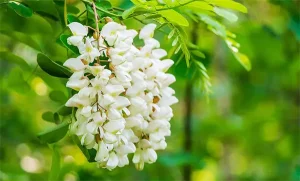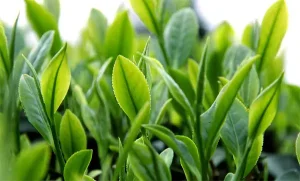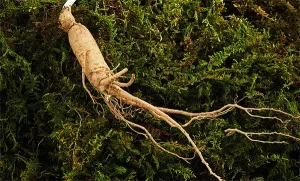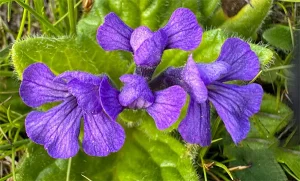
Driven by strict global regulations on veterinary antibiotic usage, consumer demand for chemical-free food preservation, and the rise of multi-drug resistant pathogens, industrial markets are shifting rapidly toward plant-based therapeutic compounds. Allicin (diallyl thiosulfinate) stands at the forefront of this green transition.
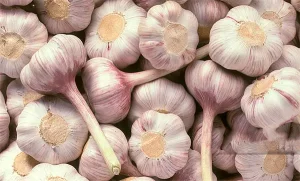
As the primary organosulfur compound extracted from Allium sativum (garlic), Allicin presents unmatched broad-spectrum antibacterial, antifungal, and antiviral qualities. Because it disrupts thiol-containing enzymes in microbial proteins, pathogens cannot easily develop resistance to it. However, extraction and long-term stabilization of active Allicin molecules require advanced technology and careful supply chain management, making the choice of manufacturing partner critical.

We operate the largest and most advanced plant extraction and processing complexes in China, bringing together automated systems with strict quality certifications.
Our infrastructure includes two state-of-the-art GMP workshops, designed to handle large-scale extractions while maintaining complete environmental and process sanitation.
All processing units run on an integrated DCS automated control system, reducing human error, lowering fuel use, and ensuring stable quality across batches.
Equipped to process over 30,000 tons of botanical raw materials annually. This scale provides a reliable supply for large global organizations.
Six multi-functional extraction lines, featuring three annular dynamic countercurrent extraction lines (10 & 15 tons) and two multi-functional units (32 extraction tanks at 6 cubic meters each).
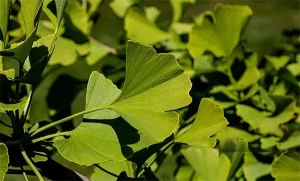
We run the only acetone process extraction line in China for Ginkgo Biloba Extract that meets the strict EU GMP and CEP standards, showing our capability with complex organic solvents.
Our facility operates six large 20-ton fermentation tanks. These support enzymatic reactions and biological pathways to improve the yield and stability of active compounds.

UniCare is a professional supplier of natural active ingredients. Our products are widely used in various fields such as dietary supplement, food, cosmetics and pharmaceuticals. We focus on product development and quality stability, and insist on growing together with our customers around the world.
To ensure high quality, UniCare has deep cooperation with several excellent Chinese manufacturers who have complete quality management system certifications, including but not limited to GMP, EUGMP, CEP, ISO9001, ISO22000, and HACCP. Each factory has independent testing capabilities and is equipped with advanced and efficient testing equipment to ensure the high quality and long-term stability of each batch of products.
Allicin's natural antimicrobial properties make it valuable across multiple commercial applications, helping replace synthetic additives with botanical alternatives.
Solution: Used as a natural growth promoter and biological preservative in animal feed.
It helps manage intestinal bacteria like E. coli and Salmonella in poultry, swine, and aquaculture systems. It also improves feed palatability through its natural garlic aroma, supporting animal health and yield.
Solution: A green preservative option for meat products, fresh produce, and seafood.
Its natural antimicrobial action controls foodborne pathogens and slows lipid oxidation. This helps extend shelf life without relying on synthetic chemical additives.
Solution: A biodegradable pesticide and fungicide for ecological farming.
Applied directly to crops, it controls downy mildew, leaf spot, and insect pests. It breaks down naturally without leaving toxic residues in the soil or runoff water.
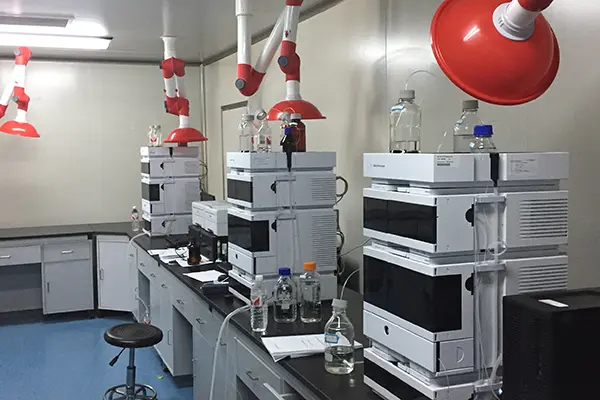
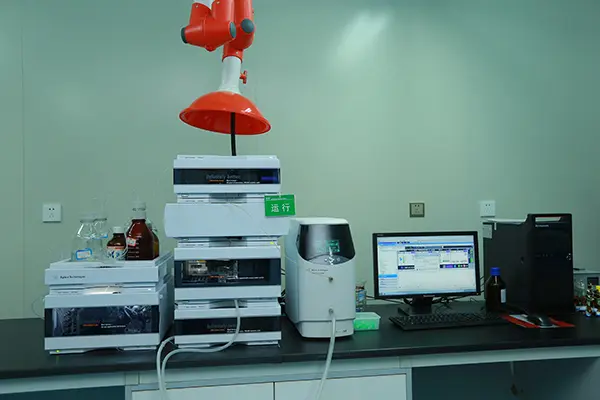
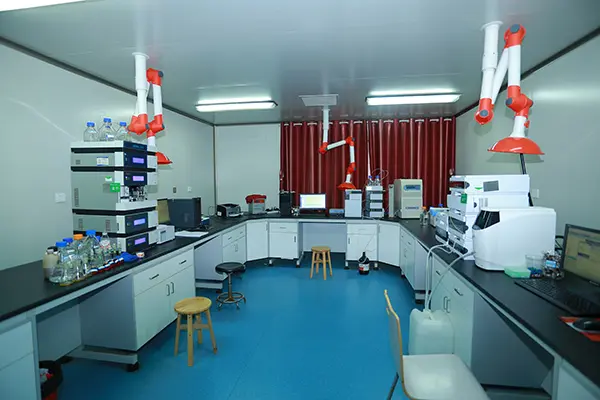
At UniCare, we manage product quality through testing at every step. We use analytical instruments to run complete checks on chemical purity, pesticide residues, and microbial safety.
Our quality system includes testing of: Signature component detection (HPLC or UV), solvent residues GC, pesticide residues (organochlorine detection) GC-MS-MS, heavy metals (lead, arsenic, mercury, cadmium, copper) ICP-MS microscopic identification, moisture, dry weight loss, ash, microbial limits, thin layer identification, weighing, conductivity, PH, sulfur dioxide residue, and other routine tests.
Advanced Testing Instrumentation: Our analytical laboratories feature advanced equipment to verify chemical identity and concentration. This includes:
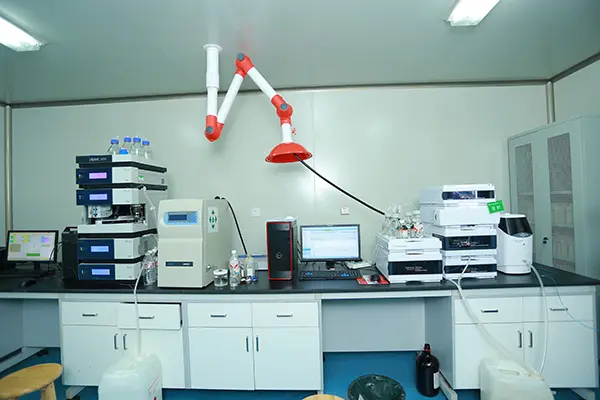
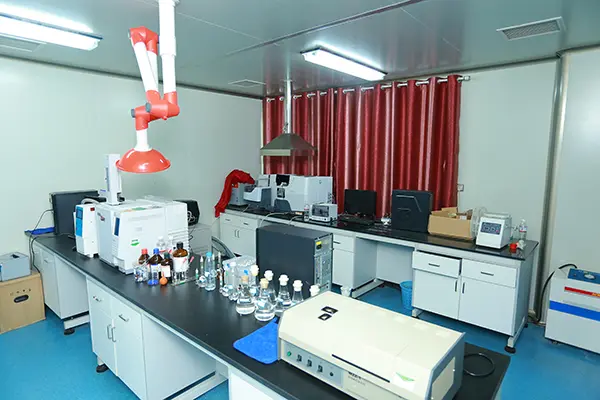
| Testing Domain | Specific Analytical Items | Analytical Equipment / Method |
|---|---|---|
| Active Ingredient Analysis | Assay, concentration metrics, molecular identification. | UHPLC Agilent 1290, HPLC Agilent 1260, Shimadzu LC-20AT. |
| Hazardous Substance Analysis | Heavy metals (Pb, As, Hg, Cd, Cu), pesticide residues, solvent residues. | ICP-MS, Gas Chromatography (Shimadzu GC-2010), GC-MS-MS. |
| Microbe Analysis | Total plate count, E. coli, yeasts & molds, specific pathogen screening. | Incubation culturing, micro-identification, PCR validation. |
| Raw Material Control | Source traceability, GMO status, allergen origin verification. | GACP document audits, thin-layer chromatography (TLC). |
| Physical/Chemical Tests | pH value, moisture content, ash residue, optical rotation, bulk density, mesh particle size. | Loss on drying, automatic polarimetry, physical mesh analysis. |
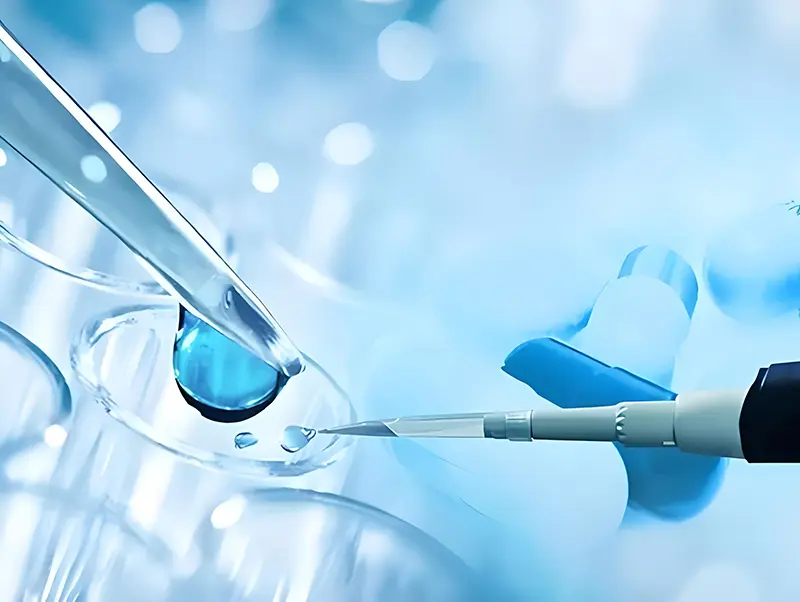
We reinvest 10% of our annual net profit into research and development. In addition to optimizing our natural plant extraction lines, we run a specialized R&D team focused on fermentation technology. This team works on developing biological pathways that improve yield and stability, aiming to offer new alternatives in industrial extraction.
We work in collaboration with the Beijing University of Chemical Technology in the field of fermentation. Together, we develop and scale up raw materials for pharmaceuticals, cosmetics, and natural health products from lab research to commercial production.
To control raw material quality and supply security, we have built a procurement tracking system. This system allows us to trace each batch of final product back to the planting field where the raw materials were grown. All incoming plant materials are inspected for active compound levels, moisture, ash, heavy metals, and pesticide residues.
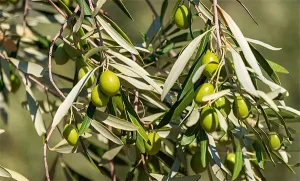
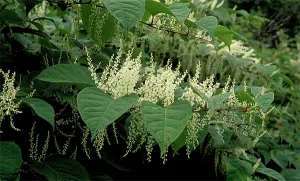
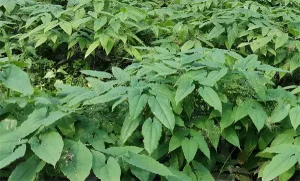
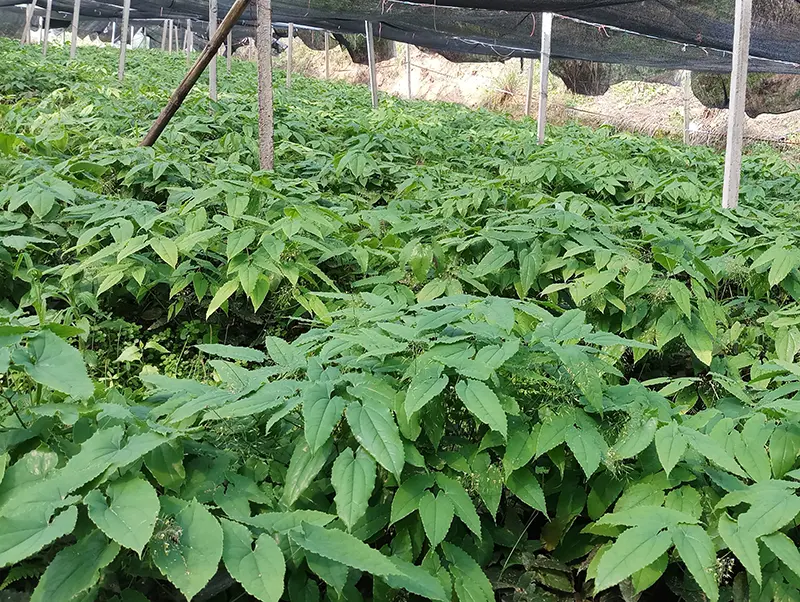
To secure a reliable supply of key ingredients, we collaborate with farmers to manage dedicated planting bases. These include ginkgo leaf, epimedium, phellodendron, and olive leaf planting bases, with select areas managed under GACP (Good Agricultural and Collection Practices) guidelines. We also work with seedling research companies to breed and cultivate plants with higher active content, helping manage unit production costs.
Understanding the chemical conversion, stability factors, and targeted cellular actions that drive Allicin's effectiveness.
Allicin is not present in intact garlic. It forms when the precursor alliin reacts with the enzyme alliinase after cell disruption. Our extraction systems simulate this enzymatic process under controlled pH and temperature to maximize yield.
Allicin passes through microbial cell walls and reacts with free SH-groups (thiols) in intracellular enzymes, such as alcohol dehydrogenase. This action blocks crucial metabolic processes in bacteria.
Natural allicin decomposes easily under heat and oxygen. To protect the active molecules, we use spray drying and micro-encapsulation techniques with protective carriers, making it suitable for compound feed manufacturing.
Guiding our business decisions, partnership support, and ongoing technology investments.

Working to identify and optimize the natural active values of botanical compounds.

Refining and improving our extraction, separation, and purification processes.

Utilizing modern automated hardware to manufacture high-purity botanical products.

Supporting employee welfare and engaging in sustainable environmental practices.
Exporting botanical extracts globally requires adhering to regional regulatory frameworks. UniCare manages international documentation, offering support for customs clearance, product registration, and compliance verification across target markets.
Contact our technical department to request certificates of analysis, stability study data, pesticide residue profiles, or heavy metal reports.
Technical answers regarding stability, usage guidelines, and custom parameters for Allicin and garlic extracts.
We use specialized carriers and micro-encapsulation methods to shield the active organosulfur compounds. This reduces oxidation and thermal degradation during storage and feed pelleting processes.
We use reversed-phase High-Performance Liquid Chromatography (RP-HPLC) with UV detection to measure the active components. Our laboratories are equipped with Agilent 1290 and 1260 HPLC systems for precise quantitation.
Yes. We offer custom product variations tailored to your formulation needs, including adjustments to carrier materials, particle sizes (mesh), and active concentration ranges.
We test each batch for heavy metals (lead, arsenic, mercury, cadmium, copper) using an ICP-MS system. Pesticide residues are analyzed through GC-MS-MS to ensure they meet regional regulatory limits before release.