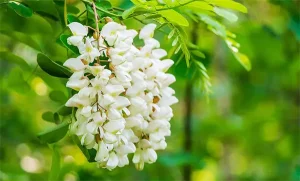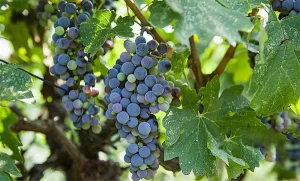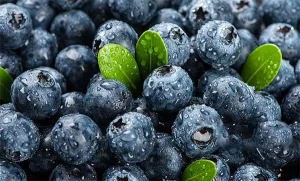
Our premium extracts are manufactured using advanced column chromatography, membrane filtration, and crystallization methods, conforming directly to USP, EP, and ChP standards.
UniCare stands as a professional, research-driven supplier and exporter of natural active ingredients. Our high-purity botanical extracts serve as critical raw materials across the globe, driving innovations in dietary supplements, functional food and beverages, cosmetics, and pharmaceuticals. We prioritize product development, raw material scientific validation, and batch-to-batch chemical profile stability to ensure our global clients achieve seamless scale-up and product formulation.
To deliver uncompromising quality, UniCare maintains strategic, equity-backed partnerships with several premier Chinese manufacturers holding comprehensive quality management system certifications, including GMP, EU-GMP, CEP, ISO9001, ISO22000, and HACCP. Each associated factory boasts independent analytical testing laboratories equipped with state-of-the-art instruments to safeguard raw material integrity from farm to final dosage format.


The global botanical extracts market has shifted from simple concentration extracts to highly standardized, clinical-grade isolates. Buyers no longer search just for "herbal powder"; they require exact, standardized phytochemical profiles (e.g., specific flavone glycosides, terpene lactones, or polyphenols) verified via ultra-high performance liquid chromatography (UHPLC).
Global regulatory bodies like the FDA and EFSA have tightened limits on residual class-1 and class-2 chemical solvents. The market is shifting rapidly towards advanced green technologies, such as subcritical water extraction, supercritical CO2 extraction, and pure enzymatic transformations.
Functional food manufacturers now require proof of bioavailability and synergistic efficacy. The traditional method of proving dry herb weight equivalent is obsolete; standard documentation must now show in-vitro cell assay responses and metabolic stability profiles.
Adulteration is a massive concern in botanical supply chains. Global enterprise buyers demand DNA barcoding validation of the raw botanical species at GACP-compliant farms to eliminate any risk of substitution with look-alike botanical species.
B2B ingredient procurement managers faces critical challenges regarding compliance, contaminant limits, and pricing security. At UniCare, we design solutions that actively address these operational barriers.
Pesticide residues (like organochlorines) and heavy metals (Pb, As, Hg, Cd) often stall shipments at customs. UniCare controls these contaminants at the soil level and tests every batch with ICP-MS and GC-MS-MS systems, guaranteeing compliance with strict US EPA and European Pharmacopoeia (EP 2.8.13) guidelines.
Standardizing active markers (e.g., Fisetin, Quercetin, Berberine HCl) is crucial for clinical applications. Our dynamic countercurrent extraction lines maintain precise temperature, pressure, and solvent ratios, keeping active concentration variances under ±2.0% across all production cycles.
We provide full documentation packages, including Allergen Statements, Non-GMO declarations, Kosher & Halal certificates, CITES compliance documentation (where applicable), and comprehensive Safety Data Sheets (SDS) matching REACH and OSHA guidelines.
By operating proprietary agricultural crop bases (GACP-modeled) and purchasing raw biomass forward contracts, we insulate our long-term contract partners from raw herb pricing swings in the open market.




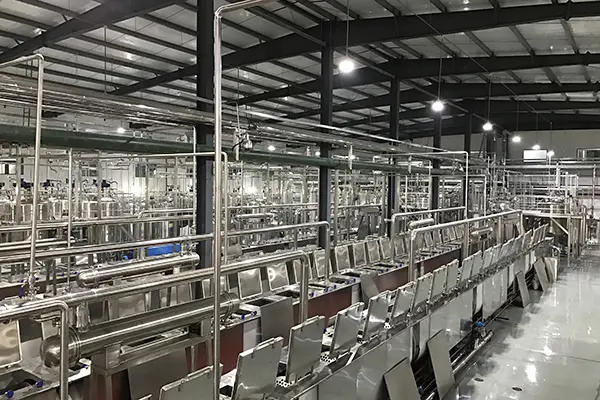
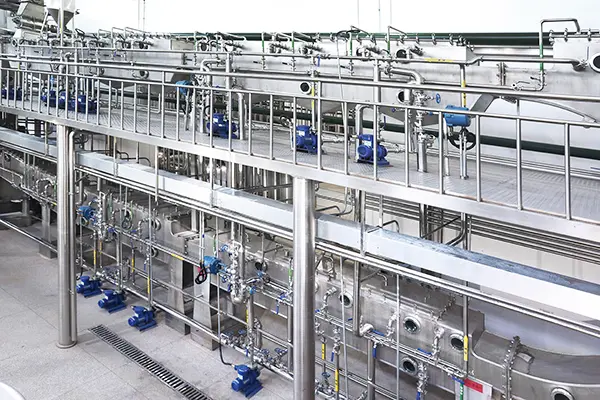
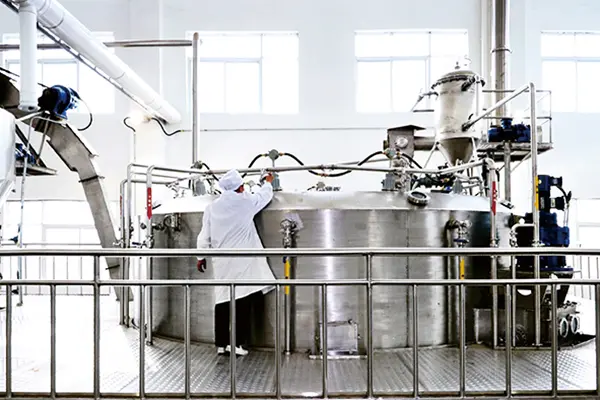
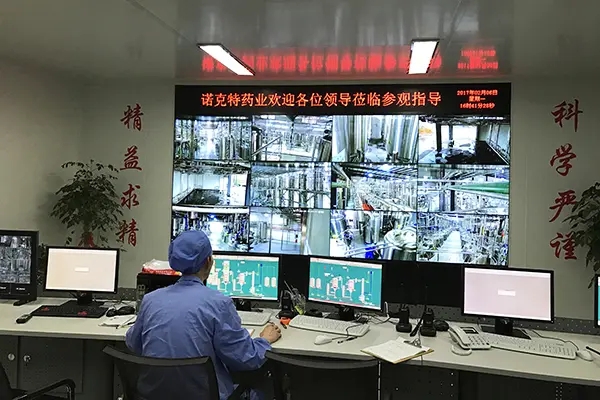
UniCare prioritizes the modern design and capacity scaling of our hardware. We operate the largest and most advanced extraction facility in China, controlling the entire manufacturing pipeline via a centralized, automated DCS (Distributed Control System).
To date, UniCare has built two GMP-compliant workshops containing six multi-functional extraction lines. This infrastructure houses the only production line for Ginkgo Biloba Extract using the acetone process in all of China, operating strictly to EU-GMP parameters.

Advanced continuous extraction lines minimize solvent waste, reduce energy footprints, and maximize structural marker yield rates.


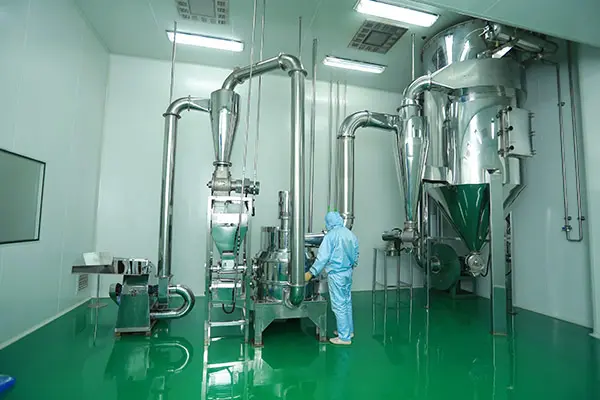
Direct view into our physical production facilities, validation centers, and crystallization units.
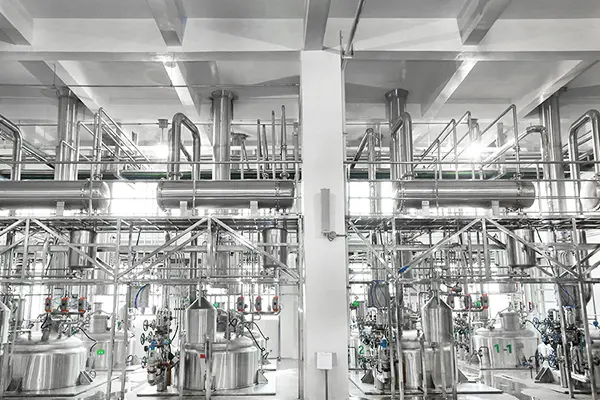
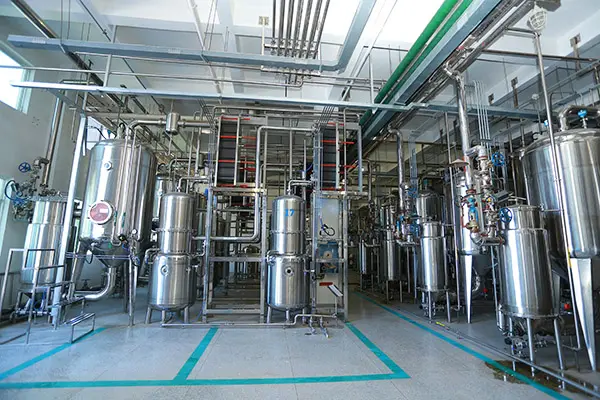
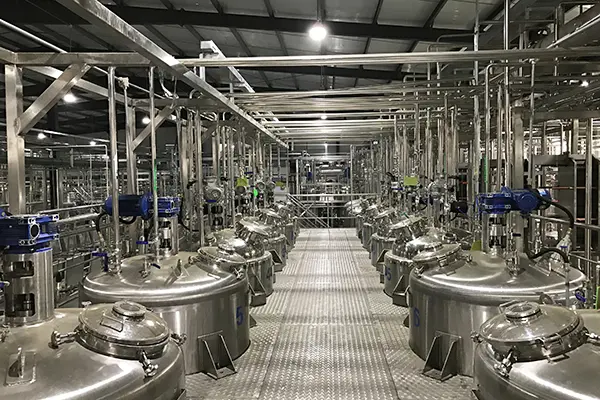
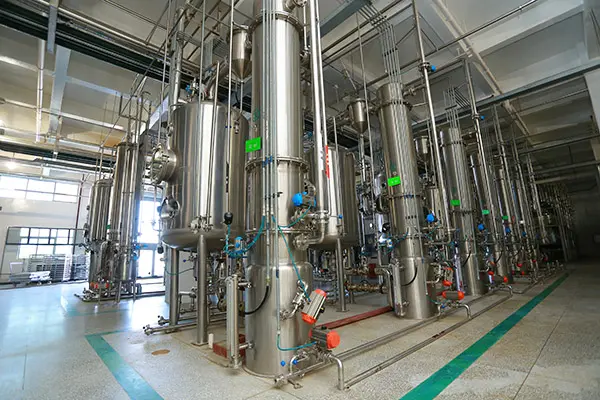
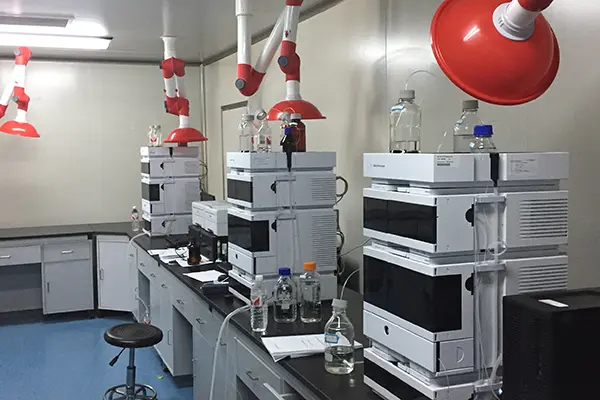
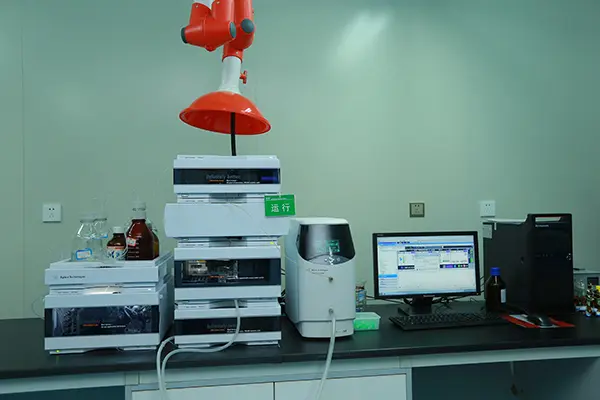
United New Life (UniCare) has established a leading and complete quality control system. We strictly control our products in accordance with global quality systems. Our central testing facility has a qualified floorplan built to CNAS standards and operates advanced instrumentation for high-precision analytical assays.
To deliver robust chemical profiles and test parameters, UniCare relies on the following advanced instrumentation inventory:
| Instrument Class | Manufacturer & Model | Quantity | Primary Application |
|---|---|---|---|
| UHPLC (Ultra High Performance Liquid Chromatography) | Agilent 1290 Series | 2 Units | High-speed separation & identification of complex botanical chemical profiles |
| HPLC (High Performance Liquid Chromatography) | Agilent 1260 Series | 4 Units | Signature active component detection, assay value standardization |
| HPLC (High Performance Liquid Chromatography) | Shimadzu LC-20AT | 2 Units | Routine chemical verification of raw materials and finished lots |
| HPLC (High Performance Liquid Chromatography) | Dionex CU3000 | 2 Units | Advanced trace-element and active compound quantification |
| ELSD (Evaporative Light Scattering Detector) | Shimadzu 2000ES | 2 Units | Detection of compounds lacking chromophores (e.g., lipids, sugars, saponins) |
| GC (Gas Chromatograph) | Shimadzu GC-2010 | 1 Unit | Volatile organic compound identification, solvent residue screening |
| Atomic Absorption Spectrophotometer (AAS) | Shimadzu AA-7000 | 1 Unit | Trace heavy metal analysis (Lead, Cadmium, Arsenic, Mercury) |
| Analysis Category | Specific Test Items & Methodology |
|---|---|
| Active Ingredient Analysis | Assay, chemical profiling, identification (HPLC, UV-Vis, TLC, GC) |
| Hazardous Substance Analysis | Heavy metals (Lead, Arsenic, Mercury, Cadmium, Copper) via ICP-MS, Pesticide Residue screening (organochlorine) via GC-MS-MS, Solvent Residue via HS-GC |
| Microbe Analysis | Total Plate Count (Bacterium), Escherichia coli, Yeast & Mould, specific pathogens (Salmonella, Staphylococcus aureus) |
| Raw Material Control | Botanical taxonomic verification, pesticide screening, allergen profiling, Non-GMO verification, geographic origin tracing |
| Regulatory Standards Support | Validation studies against regulations in China (ChP), USA (USP, FDA), and Europe (EP, EFSA) |
| Stability Studies | Accelerated and long-term climate chamber testing to determine and guarantee shelf-life integrity |
| Physical & Chemical Constants | pH value, moisture (Loss on Drying), total ash, optical rotation, bulk density, tap density, particle size mesh distribution |
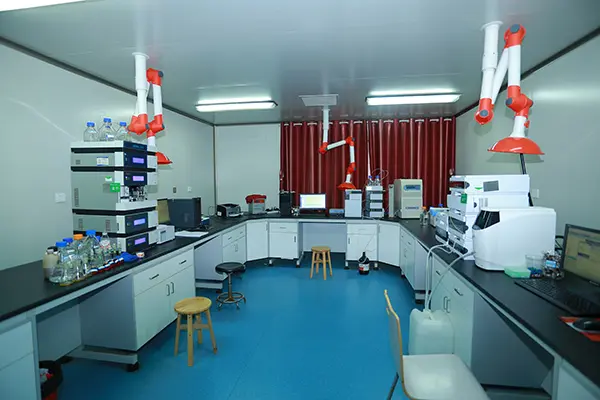
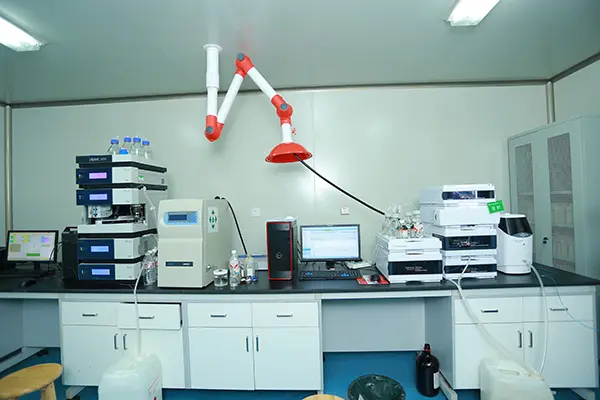
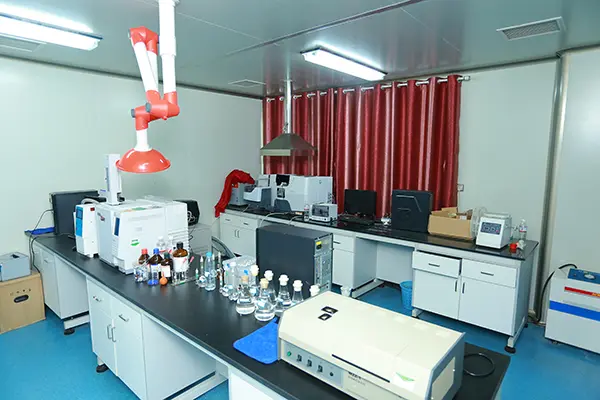
An agricultural crop's soil profile and botanical lineage determine the final efficacy of its molecular extract. UniCare enforces strict quality control at the source, managing raw material inputs from farm to final packaging.

At UniCare, we reinvest 10% of our annual net profit directly into research and development. Beyond continuously refining natural plant extraction parameters, we have established a dedicated R&D division for natural fermentation products. By expanding our capabilities in bio-fermentation, we aim to break traditional barriers and offer higher concentrations of bioactive molecules.
Furthermore, UniCare maintains a deep academic and research cooperation with the Beijing University of Chemical Technology in the field of fermentation. This collaboration accelerates the transfer of new cosmetic, pharmaceutical, and health raw materials from pilot testing to large-scale, automated industrial production.
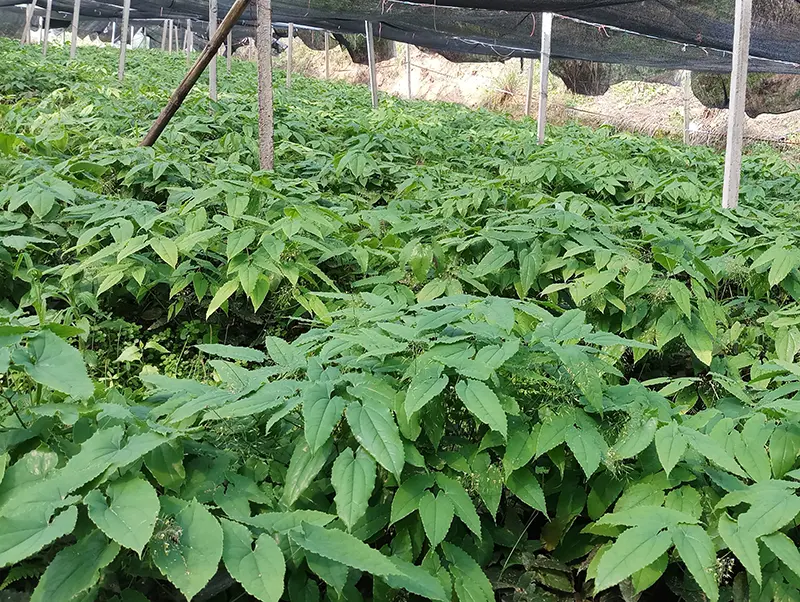
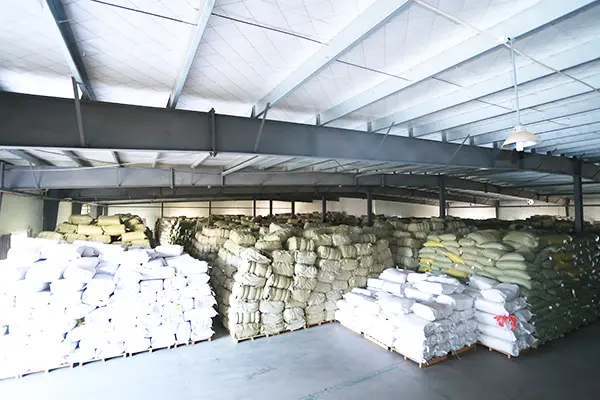
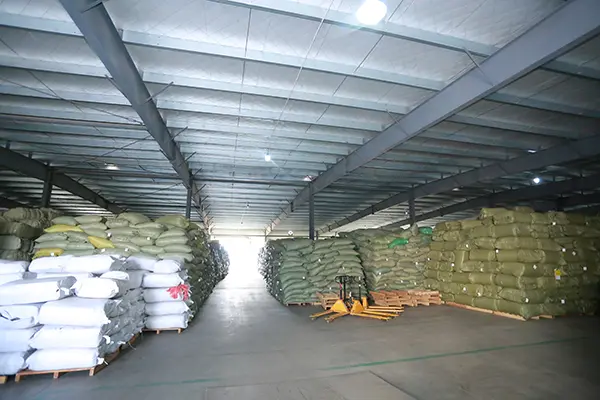
To optimize trace contaminant control and botanical quality, UniCare has built a vertical raw material procurement system. We trace raw materials from specific geographic lots back to their planting land, providing full traceability for every batch. Raw materials are cataloged and stored under strict climate-controlled warehouse protocols, where active markers, moisture, ash, and pesticide residues are analyzed before processing.
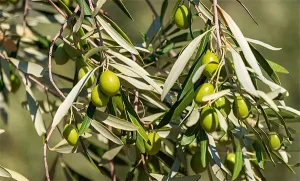
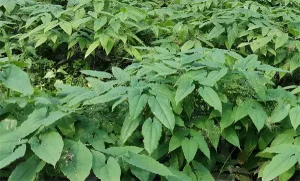
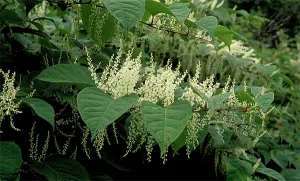
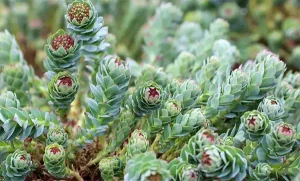
To protect supply stability for key raw materials, UniCare collaborates with local farmers to run cultivation bases for Ginkgo Biloba, Epimedium, Phellodendron, and Olive Leaf. Several of these agricultural bases operate under strict GACP (Good Agricultural and Collection Practices) models. We also work with plant geneticists to develop high-yield crop variations, using selective hybridization to lower cultivation costs for our partners.
As standard extract production commoditizes, UniCare is evolving its manufacturing capabilities toward sustainability, high potency, and advanced biological delivery formats.
Integrating targeted enzymatic pre-treatments within extraction loops to maximize phytochemical yields and reduce carbon footprints.
Developing liposomal and cyclodextrin-complexed delivery systems for hydrophobic molecules (e.g., Resveratrol, Quercetin) to improve oral bioavailability.
Transitioning energy inputs to solar cogeneration and implementing closed-loop solvent reclamation systems to target net-zero carbon operations by 2030.
Answers to key questions from B2B purchasing managers, compliance officers, and formulation chemists.
We maintain consistency through three main protocols: 1) Sourcing biomass from GACP-aligned, single-region cultivation bases to reduce raw material variation; 2) Using automated SCADA and DCS control loops during extraction to keep solvent ratios, temperatures, and run times uniform; 3) Verification testing of every single batch using our Agilent 1290 UHPLC systems to guarantee active marker concentrations remain within ±2% of our specifications.
Our Ginkgo Biloba extract facility is certified under EU-GMP and holds an active CEP (Certificate of Suitability to the Monographs of the European Pharmacopoeia). It is currently the only facility in China using a compliant acetone extraction process that satisfies the strict residual limit guidelines of both the European and United States Pharmacopoeias.
All solvent residue levels are monitored via Headspace Gas Chromatography (HS-GC) to verify compliance with USP <467> and ICH Q3C limits. Heavy metals (Pb, As, Hg, Cd) are analyzed using high-precision Inductively Coupled Plasma Mass Spectrometry (ICP-MS), ensuring we comfortably meet European Commission Regulation (EC) No 1881/2006 limits for dietary supplements.
Yes, we specialize in custom ingredient specifications. Utilizing column chromatography and crystallization techniques, we can adjust active concentrations to match your needs. We also offer custom carrier configurations (such as maltodextrin, silica, or carrier-free versions) to match your manufacturing process, whether it's direct compression tableting, capsule filling, or liquid suspension blending.
Our fermentation department utilizes six 20-ton bioreactor tanks to conduct enzymatic biotransformation. This allows us to convert common, low-yield compounds into high-purity active forms (for example, modifying glycosides into bioavailable aglycones). This biotechnology improves extraction yields and delivers clean-label, high-efficacy compounds without the need for harsh chemical solvents.
For standard stocked ingredients, we ship within 3-5 business days. Custom runs or large-scale campaigns have a typical manufacturing lead time of 15-21 days. We offer flexible shipping arrangements, including FOB, CIF, DDP, and door-to-door delivery, supported by our international freight forwarders to ensure trouble-free customs clearance.
Our comprehensive product selection features certified active marker concentrations, low solvent residues, and full traceability data.