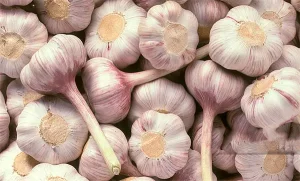
In the globalized industrial landscape of functional foods, nutraceuticals, pharmaceuticals, and animal nutrition, the sourcing of premium bulk powdered garlic (Allium sativum) requires strict alignment with quality metrics. Garlic is not merely a culinary condiment; it is a repository of active organosulfur compounds, primarily alliin and its enzymatic byproduct, allicin. Securing high-potency garlic derivatives at scale requires an intricate knowledge of agricultural tracking, low-temperature dehydration mechanics, and active compound stabilization.
As a leading force in this sector, UniCare stands out as a professional supplier of natural active ingredients. Our products are widely used in various fields such as dietary supplements, food, cosmetics, and pharmaceuticals. We focus on product development and quality stability, and insist on growing together with our customers around the world.
To maintain our rigorous standards, UniCare has deep cooperation with several excellent Chinese manufacturers who have complete quality management system certifications, including but not limited to GMP, EUGMP, CEP, ISO9001, ISO22000, and HACCP. Each factory has independent testing capabilities and is equipped with advanced and efficient testing equipment to ensure the high quality and long-term stability of each batch of products.

Understanding macro demand patterns, application requirements, and the supply dynamics across commercial and industrial sectors.
Manufacturers of dietary health supplements require standardized garlic powder containing verified concentrations of Alliin. This is critical for cardiovascular support formulations, immune-modulation products, and blood pressure regulation supplements. Particle size uniformity and dissolution profiles are major factors here.
The global food industry demands massive batches of garlic powder for seasoning blends, ready-to-eat meals, soups, and dry rubs. Procurement parameters focus strictly on low microbial counts (TPC < 10,000 cfu/g), absence of allergens, heat stability, anti-caking properties, and bulk density.
Garlic's natural antimicrobial and insect-repelling traits have spurred high demand in organic livestock farming and pet food. Bulk buying agents prioritize cost efficiency, pure chemical composition, and steady volumes to prevent formulation variations in automatic feed mixers.
Our foundation is built on standard operational science, continuous product enhancement, and delivering genuine value to global industrial buyers.

Unearthing and optimizing the biological value and active benefits of botanical herbs.

Unwavering commitment to process optimization and technological progress.

Employing state-of-the-art facilities to produce high-purity phytochemical powders.

Fostering employee growth and actively contributing to societal development.
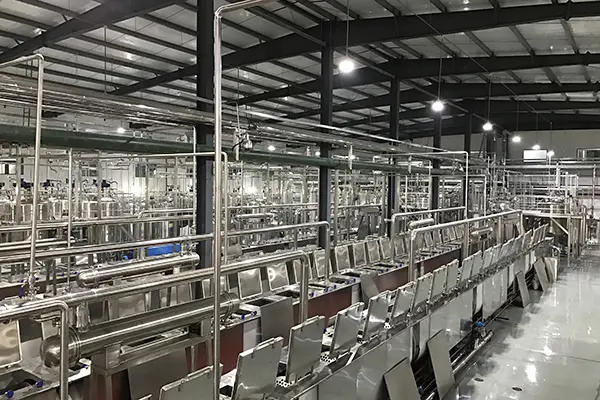
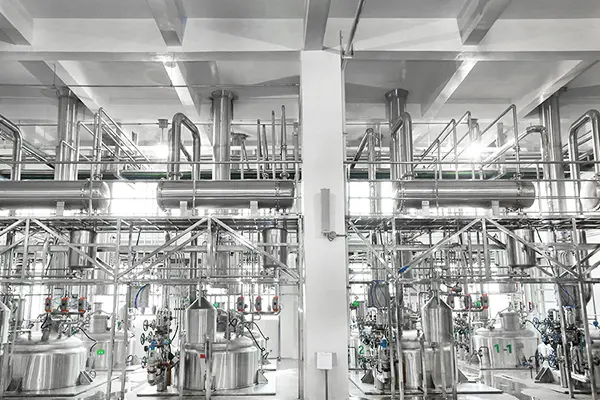
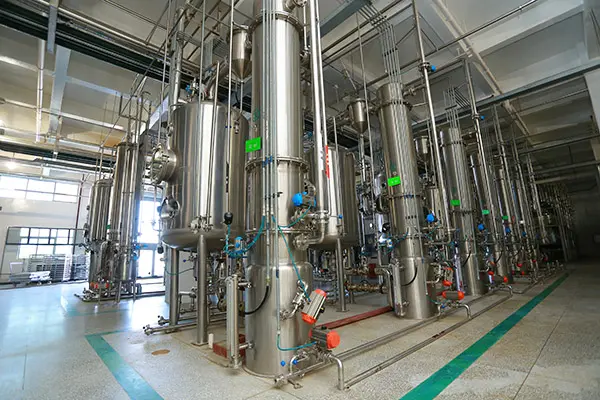
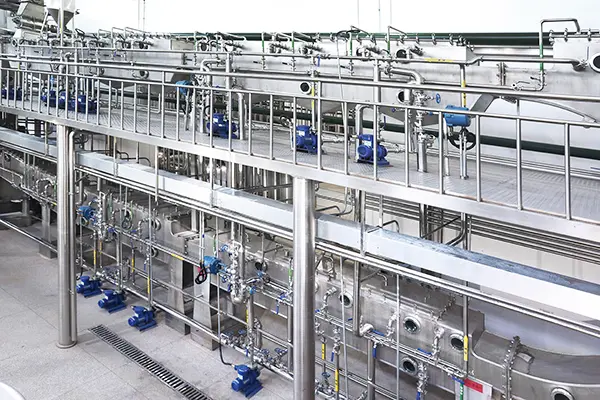
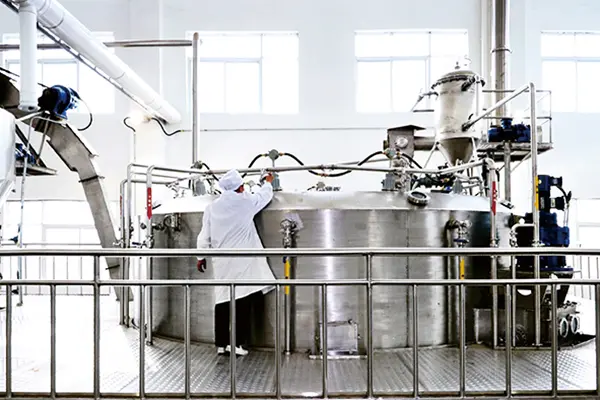
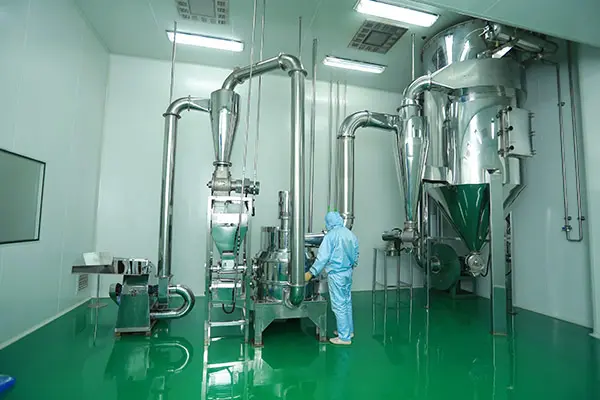
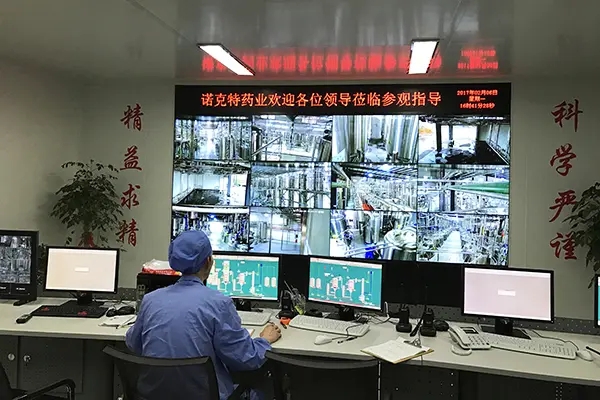
UniCare places immense emphasis on modern manufacturing hardware. We host one of the most advanced extraction facilities in China, operated under smart automated control systems.
The entire production line at UniCare is run by a modern, intelligent, automatic control system. Currently, we operate two GMP-compliant workshops containing six multi-functional extraction lines, including the only production line for Ginkgo Biloba Extract using the acetone process in all of China.
Our processing capacity extends to fermentation lines and Chinese medicine pieces, handling a total of 30,000 tons of botanical raw materials annually. This allows us to fulfill large-scale global contracts for dehydrated garlic powder and botanical extracts without supply disruptions.

Our primary manufacturing facility has fully passed the official China GMP certification audit.

We hold prestigious EU-GMP and CEP certifications for critical extracts like Ginkgo Biloba.

All extraction lines are managed by automated PLC systems to ensure batch-to-batch repeatability.

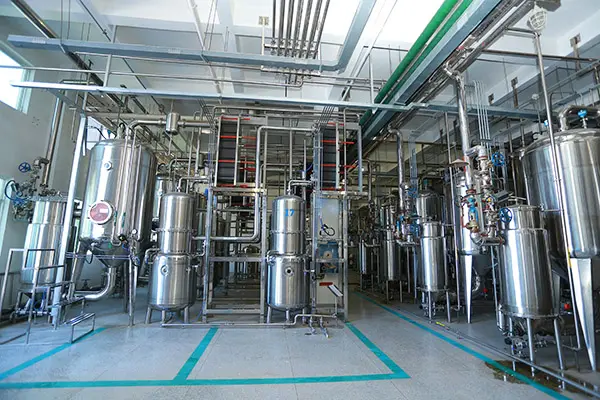
Equipped with high-efficiency solid-liquid extractors, evaporators, and spray dry towers.

Large-scale capability to handle heavy industrial orders for food ingredients and raw botanicals.

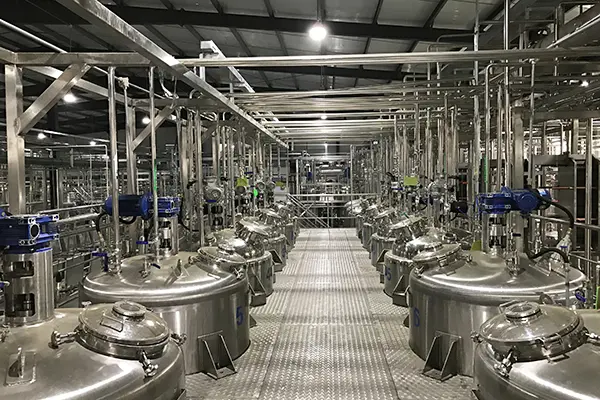
Includes three dynamic countercurrent lines (10t & 15t) and 32 multi-functional extraction tanks.

We house the only acetone process extraction line for Ginkgo Biloba in China meeting EU-GMP rules.
Features six 20-ton fermentation tanks for biotransformation and enzyme-modified products.
A technological look into maintaining organosulfur levels and controlling microbial counts in bulk powder production.
Fresh garlic bulbs naturally contain the amino acid derivative alliin. When the cell walls of the garlic bulb are ruptured, the endogenous enzyme allinase converts alliin into allicin. Allicin is highly volatile and heat-sensitive, posing a significant manufacturing challenge.
By controlling temperature profiles during dehydration, we preserve the active enzyme. Upon ingestion or hydration, allicin is synthesized efficiently, maximizing bioactivity for supplement formulations.
Traditional hot-air drying can degrade heat-sensitive compounds and caramelize sugars. We employ modern, energy-efficient drying systems, including low-temperature belt drying and freeze-drying.
These technologies remove water content (maintaining moisture below 6.0%) while keeping the garlic matrix intact. This prevents the degradation of natural organosulfur compounds and minimizes degradation of the active alliin content.
Because garlic is a root crop, it has a high risk of containing heat-resistant spore-forming bacteria (such as Bacillus cereus). We mitigate this risk using safe, validated sterilization systems like Superheated Steam Sterilization (SHS).
This system reduces bacterial loads to food-grade and supplement-grade requirements without destroying active phytochemicals or altering garlic's natural color and aroma.
We have established a leading, comprehensive quality control system, strictly monitoring products in accordance with global food and drug regulations. With advanced testing instruments and strict protocol enforcement, we ensure that every batch meets the highest standards.
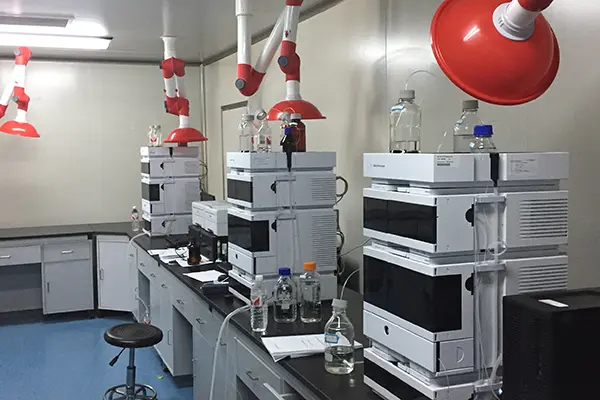
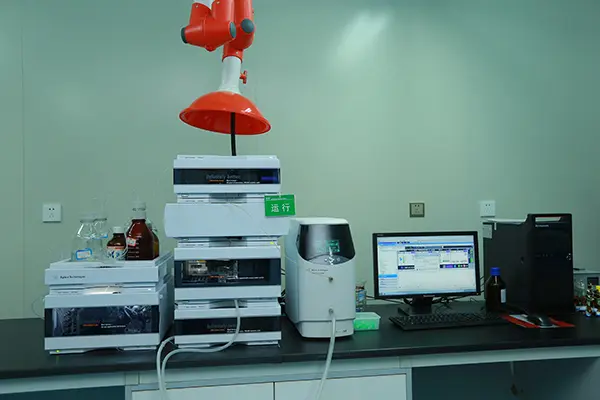
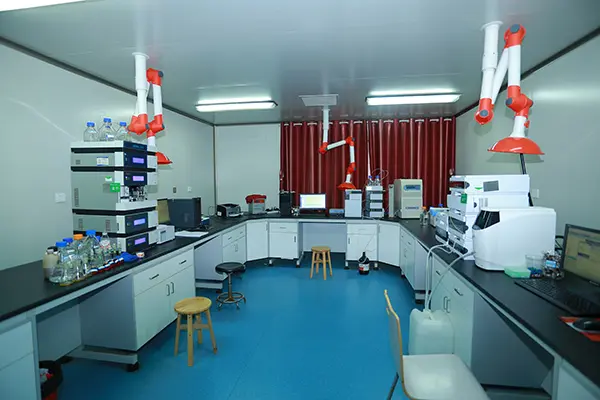
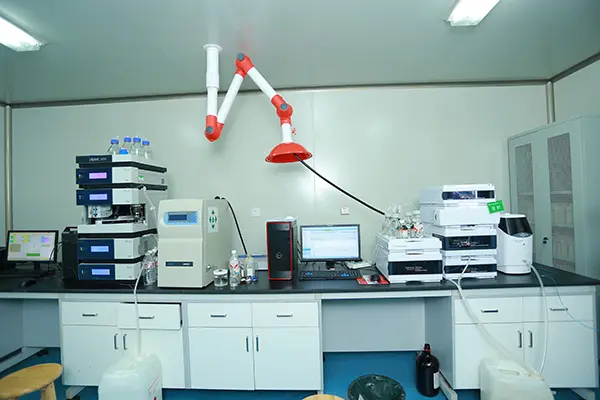
Our analytical capabilities cover: Signature component detection (HPLC or UV), solvent residues (GC), pesticide residues (GC-MS-MS), heavy metals (lead, arsenic, mercury, cadmium, copper) using ICP-MS, microscopic identification, moisture, dry weight loss, ash content, microbial limits, thin layer chromatography (TLC), pH, and sulfur dioxide residue.
To perform these high-level analytical procedures, our facilities are equipped with the following high-precision equipment:
Our central testing laboratory spans over several hundred square meters and is fully qualified under CNAS (China National Accreditation Service), ensuring the validity of our analytical data worldwide.
| Quality Parameter / Assay Item | Technical Details & Test Methods |
|---|---|
| Active Ingredient Analysis | Assay testing and identification via HPLC, UV, and Thin-Layer Chromatography (TLC) |
| Hazardous Substance Analysis | Heavy metals quantification (Pb, As, Hg, Cd, Cu) using ICP-MS; pesticide residues screening by GC-MS-MS; organic solvent residues by GC-Headspace |
| Microbe Analysis | Total Plate Count (TPC), Yeast & Mold, Escherichia coli, Salmonella, and specific pathogen screening conforming to USP/EP pharmacopoeia |
| Raw Material Control | Pesticide residue pre-screening, GMO status evaluation, allergen origin identification, and regional cultivation verification |
| Laws & Regulations Confirmation | Continuous compliance analysis against changing food and supplement safety regulations in China, the EU, the USA, and key international markets |
| Stability Testing | Accelerated and long-term shelf-life validation under controlled temperature and humidity chambers |
| Physical/Chemical Properties | Particle size distribution, bulk and tapped density, moisture content (loss on drying), total ash, pH value, and sulfur dioxide residue |
High-quality botanical ingredients begin in the soil. We maintain strict control over our raw material sourcing, extending from agricultural cultivation to extraction.

UniCare reinvests 10% of our annual net profit back into research and development. Beyond refining and optimizing traditional extraction processes, we run a dedicated department focused on natural fermentation products. By expanding our work in bio-fermentation, we aim to overcome traditional extraction limitations and support industry growth.
We maintain deep partnerships with prestigious academic institutions, including the Beijing University of Chemical Technology, collaborating closely to scale up and commercialize new health ingredients for the pharmaceutical, cosmetic, and food industries.
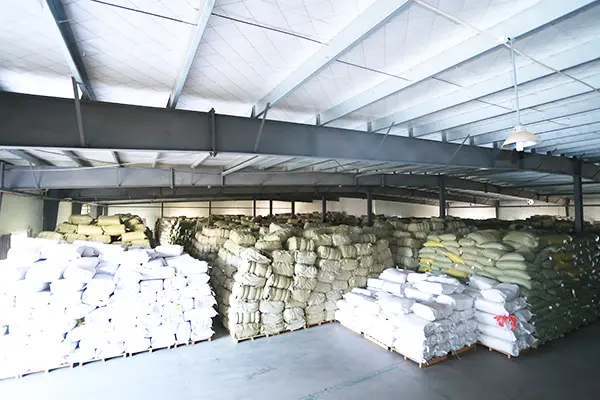
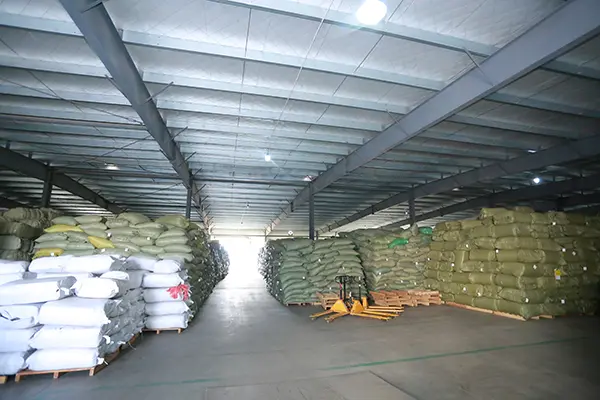
To ensure reliable quality and trace the origin of every batch, our procurement system maps every piece of farming land. Storage and handling follow our strict quality management system, checking raw materials for active ingredients, moisture, ash, heavy metals, and pesticide residues.
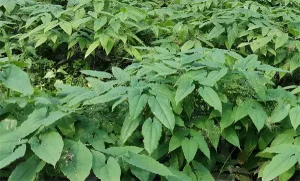
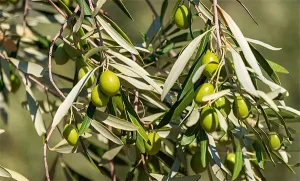
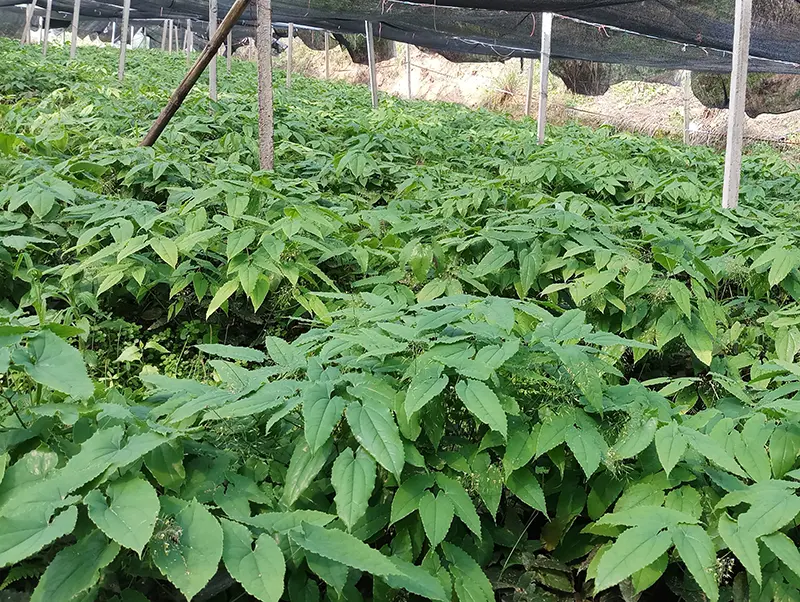
For key botanicals, UniCare partners directly with growers to run dedicated planting bases for Ginkgo leaves, Epimedium, Phellodendron, and Olive leaves. Some of these bases operate under strict GACP (Good Agricultural and Collection Practices) models. We also work with seedling developers to breed high-potency varieties, helping to lower unit costs and provide better value to our clients.
Addressing technical, regulatory, and logistics questions from procurement officers and quality managers.
A visual overview of our modern industrial processing sites, storage facilities, and production equipment.