Explore our core therapeutic extracts manufactured according to rigorous global regulatory benchmarks (GMP, ISO, HACCP).
In the modern, highly regulated functional food, dietary supplement, and pharmaceutical industries, sourcing high-purity Quercetin is no longer just a transaction of commodity procurement. It is a critical formulation challenge that dictates a brand's market speed, efficacy claims, and consumer safety. Quercetin, a potent plant-derived flavonoid found in abundance in Sophora japonica, serves as the cornerstone for respiratory health, immune modulation, and cellular aging formulations.
As global dietary habits shift and science isolates the cellular benefits of bioflavonoids, leading companies in North America, Europe, and the Asia-Pacific region are prioritizing long-term partnerships with verified Chinese manufacturers. China currently controls the primary supply chains of botanical raw materials and has pioneered chemical purification protocols that ensure stable, scale-ready Quercetin production.

Commercial demands fluctuate based on regulatory pressure, application delivery matrices, and clean-label standards. Understanding the specifications is key.
| Specification Parameter | Quercetin Dihydrate Standard | Quercetin Anhydrous Standard | Sourcing Target / Application Type |
|---|---|---|---|
| HPLC Assay Purity | 95.0% - 98.0% (Dry Basis) | ≥98.0% (Dry Basis) | High-potency capsule formulation, pharmaceutical API intermediates |
| Water Content (Loss on Drying) | 9.5% - 12.5% | ≤1.0% | Dry powder compression, moisture-sensitive softgels, stability upgrades |
| Pesticide Residues | Compliant with USP <561> | Compliant with USP <561> / EP regulations | Premium clean-label clean products, European regulatory targets |
| Heavy Metals (Pb, As, Hg, Cd) | Pb ≤1.0 ppm, As ≤1.0 ppm, Hg ≤0.1 ppm | Pb ≤0.5 ppm, As ≤0.5 ppm, Hg ≤0.1 ppm | Infant-nutrition, medical foods, stringent APAC/US regulations |
| Bulk Density | 0.35g/ml - 0.55g/ml | 0.45g/ml - 0.65g/ml | High-speed direct compression tableting and powder blending efficiency |
Global distributors and brand owners now demand customized physical specifications. For instance, micronized Quercetin powders (particle size <10 microns) are highly sought after for sports nutrition beverages to maximize water dispersibility and visual stability without settling. On the other hand, granular versions are engineered for tablet press machinery to avoid bridging and dusty environments during mass manufacturing.
Traditionally, Quercetin is manufactured via acid hydrolysis of Rutin (extracted from Sophora japonica flower buds). However, next-generation factories are shifting their technical roadmaps toward enzymatic hydrolysis and fermentation. This methodology utilizes specialized rhamnosidases and glucosidases to cleanly cleave sugar moieties without producing high volumes of acidic wastewater or risking thermal degradation of the target flavonoid ring structure.
In collaboration with institutions like the Beijing University of Chemical Technology, UniCare and its manufacturing partners have optimized biocatalytic conversion rates. These enzymatic methods ensure that residual contaminants are kept to trace levels, reducing the usage of harmful synthetic solvents (such as methanol) and replacing them with eco-friendly ethanol/water mixtures.

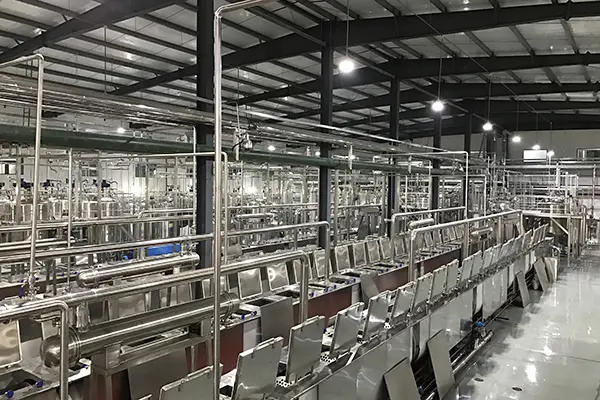
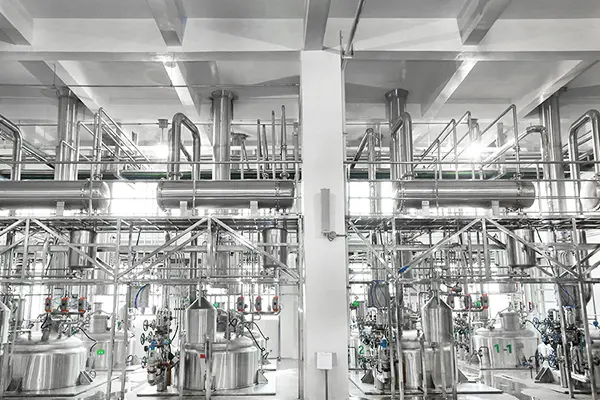
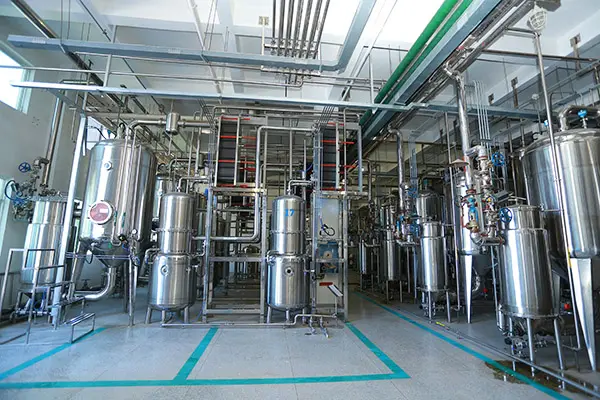
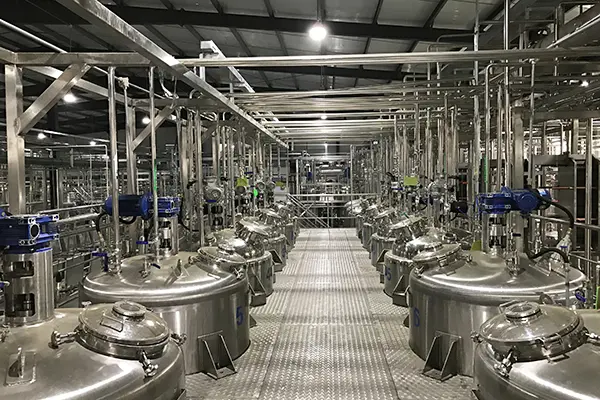
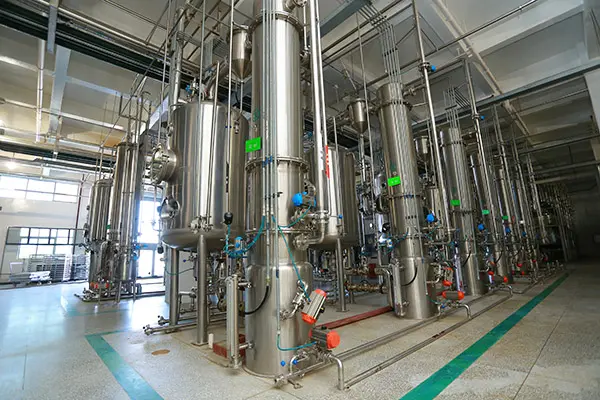
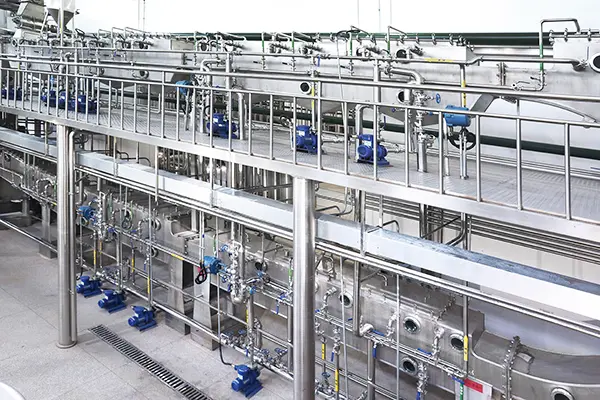
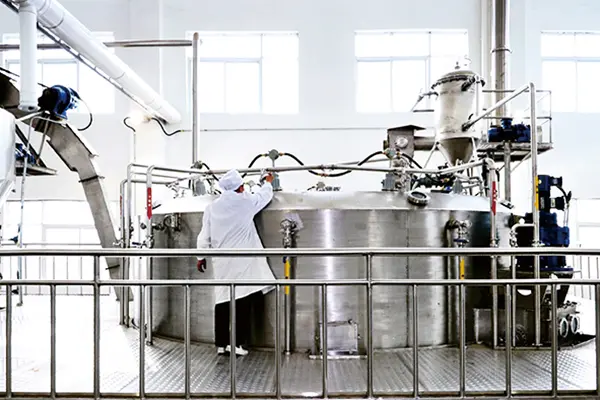
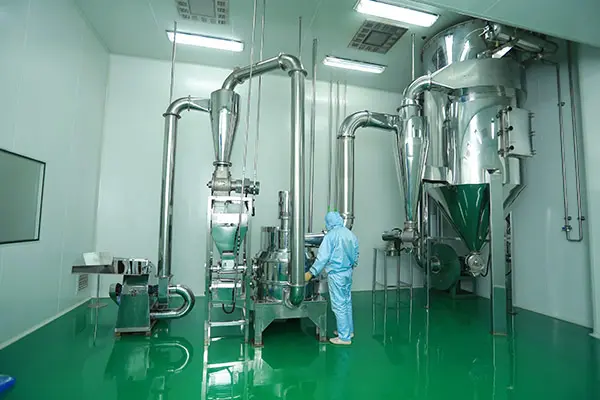
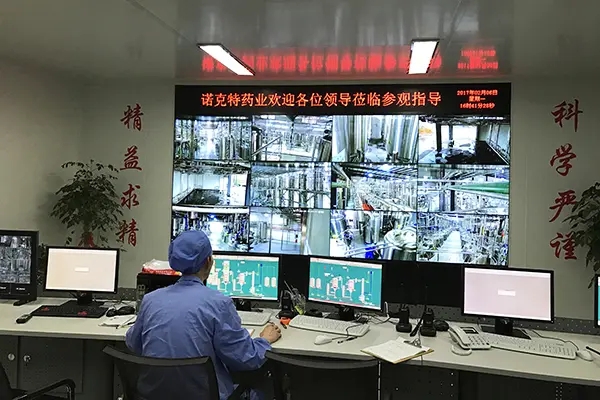
Leveraging China's largest and most advanced plant extraction facility with automated operations.


Real inside photos of our dynamic production floor, cleanrooms, and warehouse storage locations.
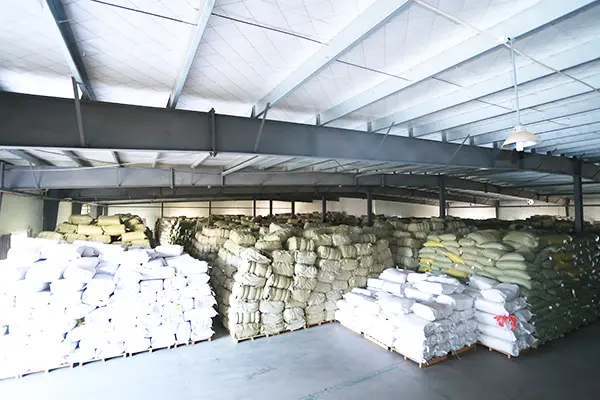
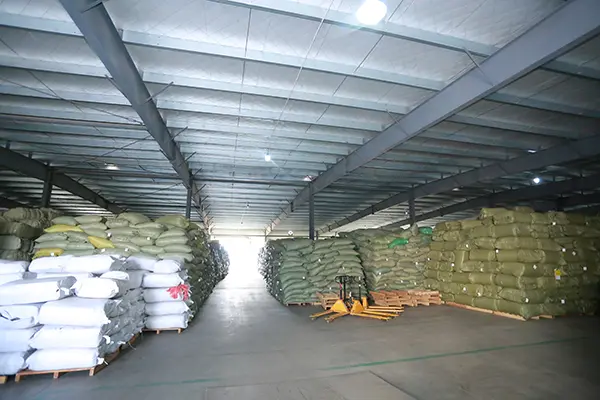
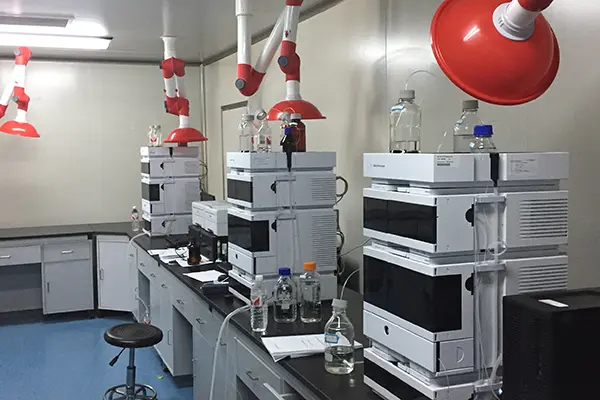
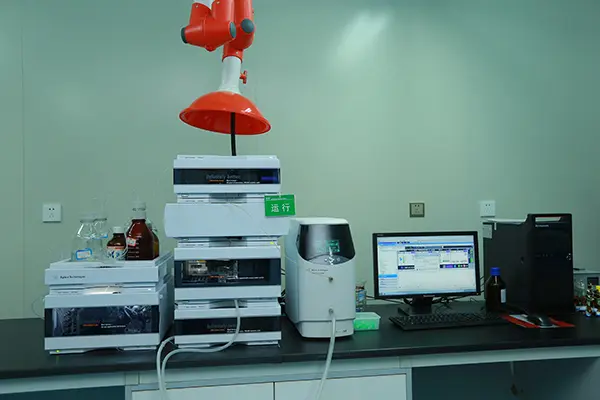
Underpinned by CNAS-qualified laboratory operations, ensuring analytical accuracy for every single shipment.
UniCare has established a comprehensive quality control system, monitoring all manufacturing segments. We employ high-performance analytical instruments to detect critical attributes including signature active ingredients, residual solvents via GC, pesticide residues (GC-MS-MS), heavy metals via ICP-MS, microbial limits, and thin-layer chromatography (TLC) identification.
| Analytical Domain | Control Testing Parameters |
|---|---|
| Active Ingredient Analysis | Assay, Peak-area Identification, TLC profiling, UV-Vis verification |
| Hazardous Substance Analysis | ICP-MS Heavy metal screens, GC-MS pesticide panels, residual extraction solvents |
| Microbe Analysis | Total Plate Count, E. Coli, Yeast & Mold, Salmonella, Staphylococcus aureus |
| Raw Material Control | Botanical authentication, GACP verification, Allergen profiles, GMO clearance |
| Regulatory Standards | Evaluation based on EP, USP, CP, and local national standards |
| Stability Verification | Real-time and accelerated chamber validation for shelf-life confirmation |
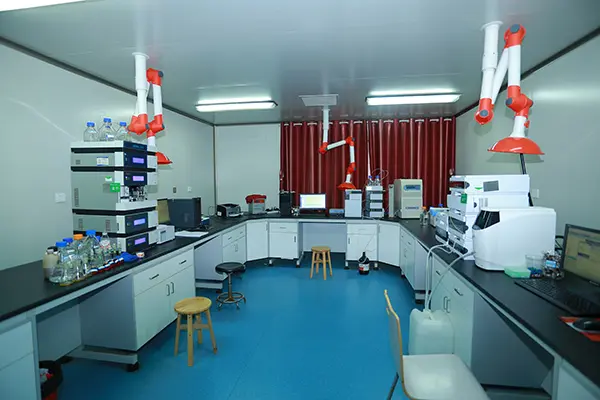
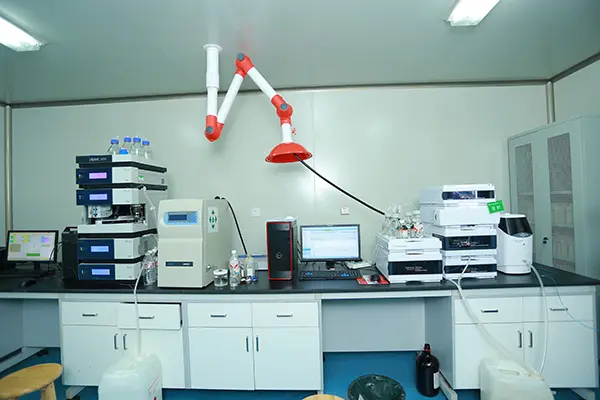
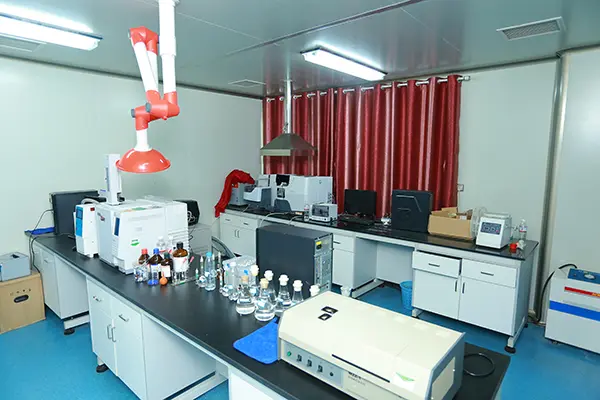
Securing purity at the agricultural root: Traceable supply chains from planting fields to final crystallization.
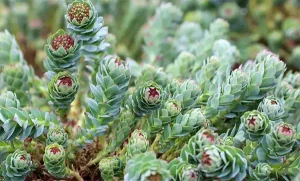
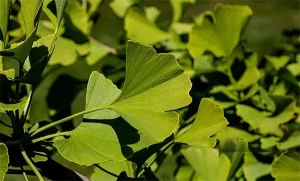
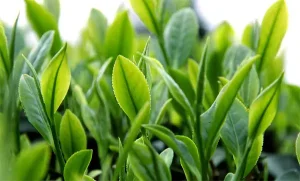
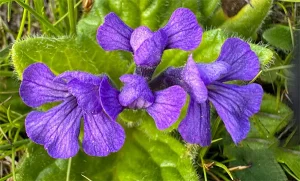
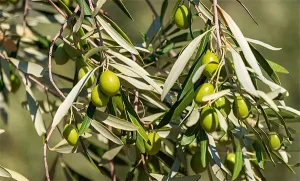
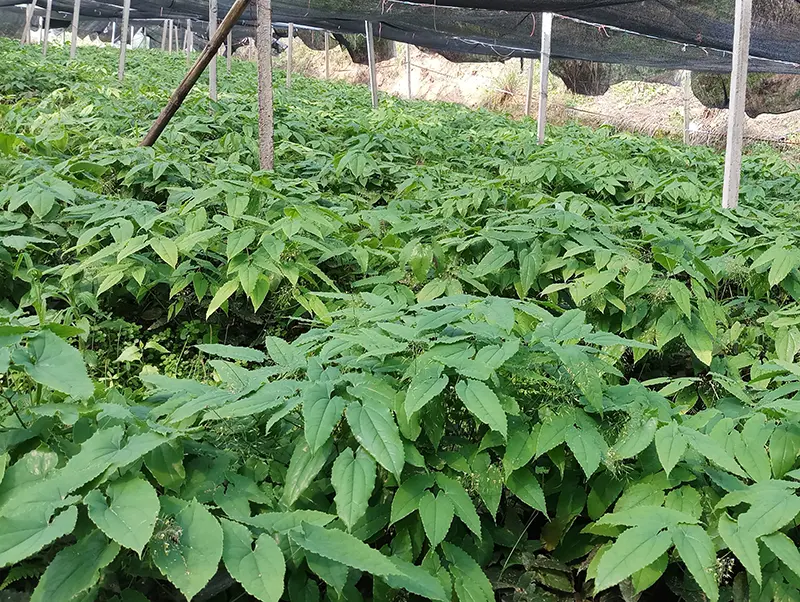
To build reliable supply chains, UniCare collaborates directly with local farming cooperatives to operate dedicated botanical raw material cultivation bases. These include customized planting sites for Ginkgo leaves, Epimedium, Phellodendron, and Olive leaves. Many of these regions operate strictly under GACP (Good Agricultural and Collection Practices) guidelines.
We partner with advanced seedling research organizations to develop strains with high active constituent concentrations. Through selective breeding, hybridization, and genetic profiling, we aim to produce raw materials that optimize extraction efficiency and reduce overall costs.

UniCare regularly reinvests 10% of its annual net profits directly into our research and development programs. This funding supports process improvement for active ingredient isolation and supports our dedicated biotransformation team in researching microbial synthesis and enzyme-mediated conversions.
Through these research initiatives, we aim to modernize extraction protocols, reduce chemical waste, and supply sustainable, high-purity natural ingredients to the global health market.




Critical compliance, technical, and logistical questions answered by our regulatory affairs and supply chain experts.
Our Quercetin is primarily derived via enzymatic/acid hydrolysis of Rutin extracted from high-quality Sophora japonica flower buds. We source these buds from our coordinated raw material collection centers. Each batch is tagged with geographic identifiers, pesticide logs, and harvest schedules, ensuring step-by-step traceability from the agricultural source to the final crystallization batch in our GMP facility.
We perform multi-residue pesticide screens using gas chromatography-tandem mass spectrometry (GC-MS-MS) and liquid chromatography-tandem mass spectrometry (LC-MS-MS) to ensure compliance with USP <561> and European Regulation EC No 396/2005. Furthermore, our closed-loop extraction technology minimizes exposure to combustion byproducts, keeping Polycyclic Aromatic Hydrocarbons (PAHs) safely below regulatory limits.
Quercetin Dihydrate contains two bound water molecules (moisture range 9.5% - 12.5%), making it the cost-effective standard for conventional capsule and tablet formulations. Quercetin Anhydrous undergoes a specialized drying process to reduce moisture levels to under 1.0%. This form is ideal for water-sensitive formulations, softgel matrices, or combinations with hygroscopic ingredients like L-carnitine or magnesium.
Yes, our processing lines feature customizable milling and air-jet micronization systems. We can mill standard 80-mesh powder down to 200-mesh, or produce micro-fine powders under 10 microns to improve dispersion in liquid beverages, functional drink mixes, or cosmetic creams.
We provide complete documentation packages to support import validation, including Certificate of Analysis (COA) for every batch, Material Safety Data Sheets (MSDS), allergen statements, non-GMO statements, BSE/TSE-free certifications, and phytosanitary certificates. Our partner facilities are registered with the US FDA and maintain valid GMP, ISO22000, HACCP, Kosher, and Halal certifications.
Explore our secondary line of active extracts, standardized for direct export and functional formulation.
Connect with UniCare's technical sales team to request certified COAs, arrange audits, or request pilot samples of Quercetin Dihydrate and Anhydrous.