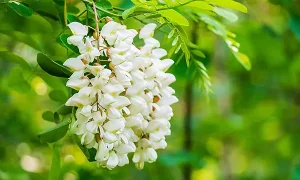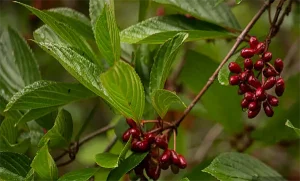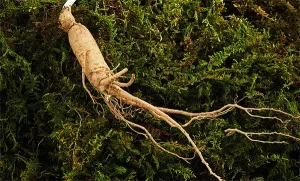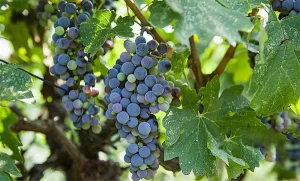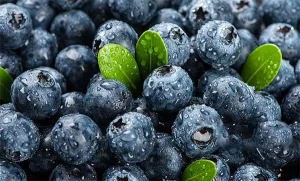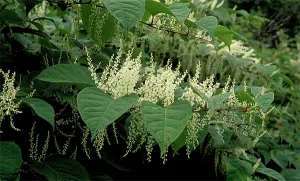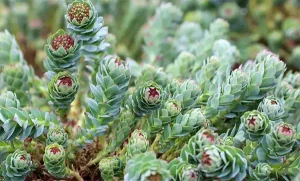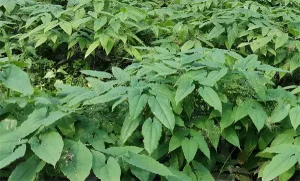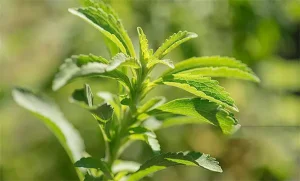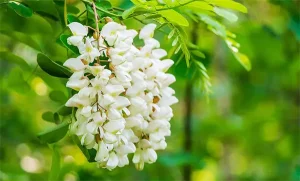
Industry-standard natural compounds processed at our certified partner extraction lines
How Modern China Plant-Extraction Standardizations Redefine Dry Herb & Spice Formulations
The global food formulation, nutraceutical, and culinary manufacturing industries have seen an unprecedented shift towards functional, trace-analyzed, and contaminant-free dry powder bases. As a foundational matrix, Garlic Masala Powder represents more than a culinary spice; it is a critical complex of volatile organosulfur compounds, including allicin, alliin, and diallyl disulfide. The modern China garlic masala powder factory landscape has evolved from traditional agricultural milling processes to high-tech botanical processing hubs, integrating advanced phytochemistry methodologies to ensure bio-activity, taste uniformity, and absolute sterility.
Understanding the challenges of sourcing high-purity Garlic Masala Powder requires a thorough exploration of modern milling, dehydration, and chemical analysis. Standard agricultural output often suffers from fluctuations in active oil content, high microbiological loads, and the presence of heavy metals or pesticide residues. Today's leading manufacturing facilities leverage high-capacity industrial equipment to stabilize active components, prevent oxidation, and standardize particle size distribution. This integration ensures that bulk procurement meets the stringent regulatory frameworks of Europe, North America, and the Asia-Pacific region.
UniCare is a professional supplier of natural active ingredients. Our products are widely used in various fields such as dietary supplement, food, cosmetics and pharmaceuticals. We focus on product development and quality stability, and insist on growing together with our customers around the world.
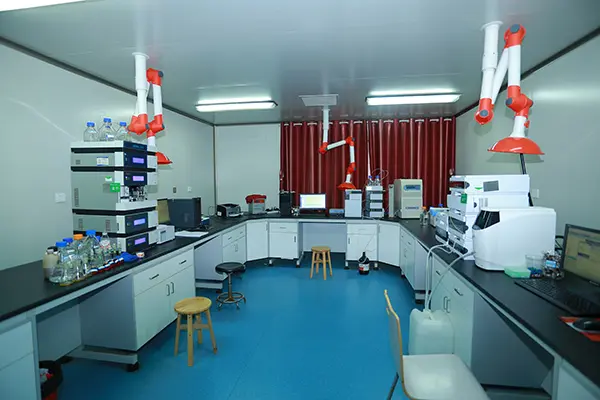
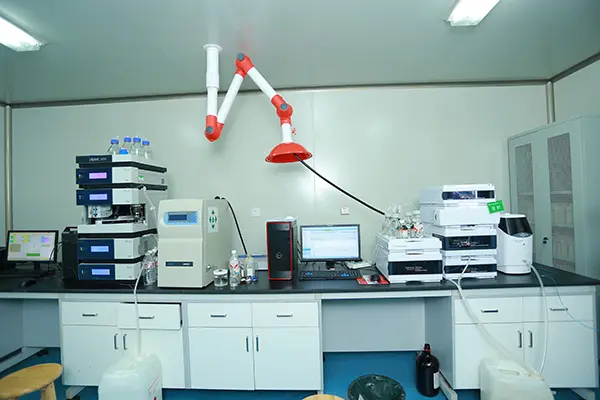
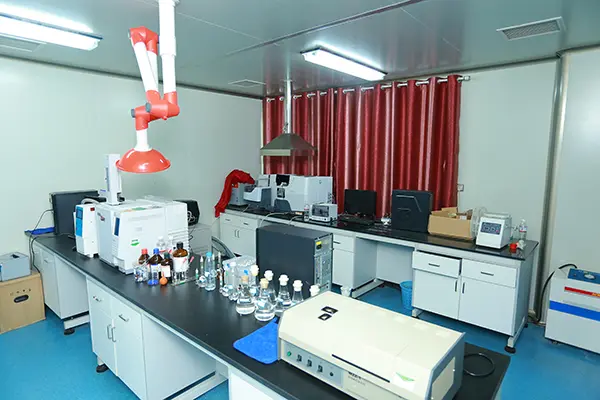
UniCare has deep cooperation with several excellent Chinese manufacturers who have complete quality management system certifications, including but not limited to GMP, EUGMP, CEP, ISO9001, ISO22000, and HACCP. Each factory has independent testing capabilities and is equipped with advanced and efficient testing equipment to ensure the high quality and long-term stability of each batch of products.


 Discover and create the new value of herb: Unlocking full botanical potential.
 Continuous innovation and improvement: Enhancing purity and chemical resilience.
 Advanced technology: Leveraging sophisticated mechanics for premium quality.
 Social Responsibility: Make the employees happy and give back to the community.
Industrial capacity driven by state-of-the-art automation and strict extraction protocols
UniCare attaches great importance to the hardware conditions of production equipment and has the largest and most advanced extraction factory in China. The entire production line in UniCare is controlled by a modern, intelligent, automatic control system. Until now, UniCare has built up two GMP workshops, containing six multi-functional extraction lines, among which there is the only production line for Ginkgo Biloba Extract of acetone process in the whole China. Here are several other production lines including fermentation production lines and Chinese medicine pieces. A total of 30,000 tons of various Chinese medicine plant raw materials can be processed each year.

All facilities are certified and operated strictly under national and international GMP guidelines.

EUGMP and CEP certified for premium botanical lines, assuring regulatory compliance in European markets.

Advanced DCS system maps temperature, pressure, flow rate, and concentration parameters continuously.

Equipped with industry-leading extraction machinery designed for maximum yield and active compound preservation.

Large-scale processing guarantees stable supply chains and buffers against raw material seasonal shortages.

Three annular dynamic countercurrent lines (10t & 15t); two multi-functional lines (32 tanks, 6m³ each); one round dynamic countercurrent line (10t).

Hosts the only acetone process line for Ginkgo Biloba Extract in China that meets European GMP standards.
Six large-scale fermentation tanks (20-ton capacity each) dedicated to bio-transformation and enzymatic modifications.
Harnessing automated dry-processing and dynamic blending to control volatile organosulfur compounds
The manufacturing architecture of a modern China garlic masala powder factory relies on strict thermal control, particle fluidization, and closed-loop grinding systems. When processing garlic (Allium sativum) alongside custom masala spice matrices, temperature control is paramount. High temperatures during milling cause the degradation of alliinase—the enzyme responsible for converting alliin into the bioactive allicin. By adopting cryogenic grinding and modern low-temperature desiccation systems, our partnering factories preserve the aromatic and functional integrity of the powder.
Efficiency in supply chain resilience is further bolstered by integration with intelligent inventory systems, minimizing moisture uptake through humidity-controlled staging zones. Garlic and masala powders are highly hygroscopic; exposure to relative humidity levels above 45% leads to caking, microbial growth, and loss of flavor volatility. Through positive-pressure HEPA-filtered cleanrooms and automated packaging lines, the powder is packed in multi-layer barrier bags immediately after sifting. This ensures a consistent shelf-life, preventing volatile loss and physical crystallization.
Advanced temperature-controlled grinding protects thermolabile active compounds and flavor profiles from degradation during industrial milling.
Multi-layer barrier bags packed under sterile nitrogen flushing prevent oxidation, moisture absorption, and clumping during shipping.
Tailored sifting parameters allow particle size customization from fine 100-mesh powders to coarse granules for culinary and spice blends.
Natural silica or customized clean-label additives are seamlessly integrated to keep powders free-flowing in tropical and humid zones.
Ensuring chemical purity, active ingredient quantification, and zero-contaminant compliance
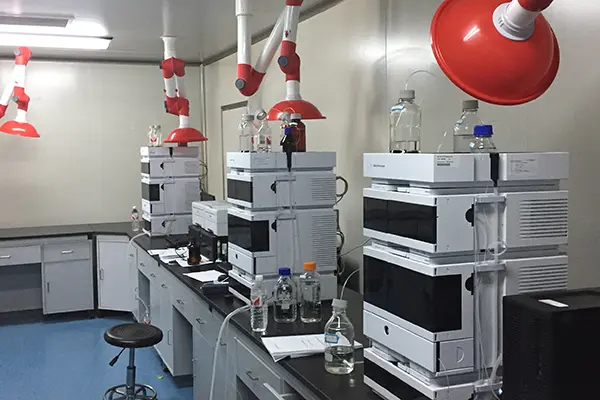
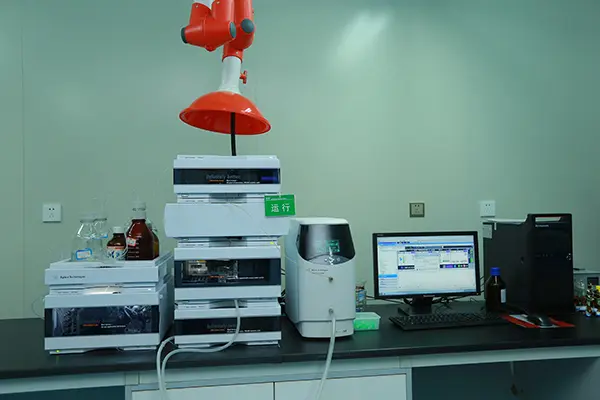
United New Life (UniCare) has established a leading and complete quality control system, and strictly controls the high quality of products in accordance with the quality system. With advanced testing instruments, strict control of product quality, to provide every customer with high quality products.
Our analytical methods guarantee trace detection. Detectable items include: Signature component detection (HPLC or UV), solvent residues GC, pesticide residues (organochlorine detection) GC-MS-MS, heavy metals (lead, arsenic, mercury, cadmium, copper) ICP-MS microscopic identification, moisture, dry weight loss, ash, microbial limits, thin layer identification, weighing, conductivity, PH, sulfur dioxide residue, routine detection, etc.
Important testing instruments housed in our CNAS qualified laboratory include: Two UHPLC Agilent 1290 ultra-high performance liquid chromatographs, four HPLC Agilent 1260 high performance liquid chromatography sets, two HPLC Shimadzu LC-20AT high performance liquid chromatographs, two HPLC Dionex CU3000, two Shimadzu evaporative light scattering detectors (ELSD) 2000ES, one Shimadzu GC2010 gas chromatograph, and one Shimadzu AA-7000 atomic absorption system.
| Quality Control Focus Area | Testing Parameters & Methodology |
|---|---|
| Active Ingredient Analysis | Assay verification, fingerprint chromatography, raw active compound identification. |
| Hazardous Substance Analysis | Heavy metals (ICP-MS), pesticide residue (GC-MS-MS), residual organic solvents (GC). |
| Microbiological Assays | Total plate count, Escherichia coli, yeast & mold, salmonella, and specific microbial tests. |
| Raw Material Control | Allergen validation, non-GMO identity verification, and geographical origin tracing. |
| Regulatory Compliance | Investigation of food safety laws across China, EU, FDA, and destination countries. |
| Stability & Expiry Testing | Real-time and accelerated stability chambers to guarantee shelf life under varying climates. |
| Physical/Chemical Standardizations | pH value, moisture, ash, optical rotation, bulk density, particle mesh size distribution. |
| Analytical Instrumentation Overview | Quantity & Application |
|---|---|
| UHPLC, Agilent 1290 | 2 Systems: Ultra-high performance liquid chromatography for rapid marker separation. |
| HPLC, Agilent 1260 | 4 Systems: High performance liquid chromatography for standard ingredient assays. |
| HPLC, Shimadzu LC-20AT | 2 Systems: Dedicated quantitative analysis of natural actives. |
| ELSD, Shimadzu 2000ES | 2 Systems: Evaporative light scattering detection for non-UV absorbing molecules. |
| Shimadzu GC-2010 | 1 System: Gas chromatography for solvent residues and volatile oil profiling. |
| Shimadzu AA-7000 | 1 System: Atomic absorption spectrophotometer for heavy metal detection. |
From seed cultivation to university-backed fermentation and raw material traceability

UniCare invests 10% of our annual net profit in research and development. In addition to optimizing and developing the existing natural plant extraction process, we have also established a professional R&D department for natural fermentation products. By increasing investment in natural fermentation products, we try to break through traditional processes and disrupt industry development. UniCare has deep cooperation with Beijing University of Chemical Technology in the field of fermentation, jointly developing and transforming new raw materials for pharmaceutical, cosmetic, and natural health products into mass-produced products.
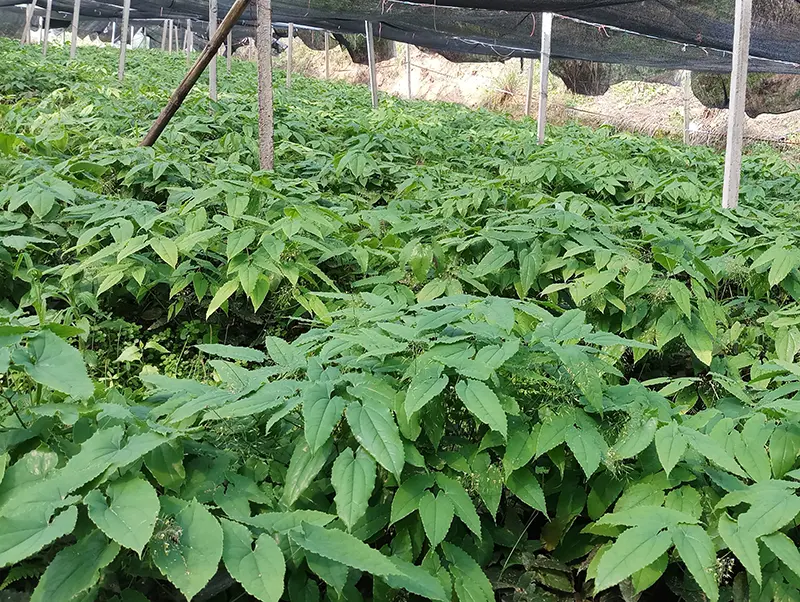
In order to control raw materials more efficiently and with higher quality, a raw material procurement system has been established, which extends procurement to every piece of planting land and can trace the raw materials of each batch of products. The storage of raw materials is operated according to the advanced quality management system process, and the content of active ingredients, moisture, ash, heavy metals, pesticide residues and other items of raw materials are strictly controlled.
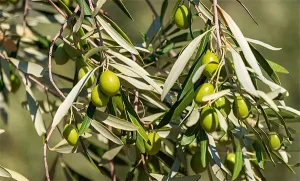
To further ensure the high quality of important products, UniCare cooperated with planting farmers to establish ginkgo leaf planting bases, epimedium planting bases, phellodendron planting bases, olive leaf planting bases, etc. Some of these bases are planted strictly in accordance with the GACP management model. In addition, we cooperate with seedling research and development companies to develop high-content seedling cultivation, and cultivate better seedlings through hybridization or gene optimization, so as to continuously reduce unit costs to benefit users.
By mapping these exact practices to our garlic supply chains, we ensure that the raw materials used in our Garlic Masala Powder factories conform to non-GMO standards and maintain a low heavy-metal profile, even prior to the washing, dehydration, and grinding phases.
Solving the key supply chain bottlenecks for multi-national food and pharma brands
For global procurement managers, purchasing Garlic Masala Powder from a China garlic masala powder factory requires resolving complex logistics, technical, and regulatory requirements. Key considerations include moisture levels (typically required to be under 6% to prevent clump formation), micro-organism thresholds (such as aerobic plate counts under 100,000 CFU/g, and zero Salmonella or E.coli), and particle mesh options. Our facilities provide customized particle sizing ranging from coarse ground spices for restaurant applications to superfine 120-mesh powders utilized in processed sauce formulations.
Additionally, bulk packaging plays an important role in cross-border maritime shipping. High-density polyethylene (HDPE) drums lined with double-layered food-grade moisture barrier bags prevent exposure to saltwater vapor and temperature variations during transit through equatorial routes. By providing full batch documentation—including COAs (Certificate of Analysis), phytosanitary certificates, allergen statements, and non-irradiation options—we eliminate delays at customs and ensure a smooth supply chain.
With stringent European Union bans on Ethylene Oxide sterilization, our partner factories utilize steam sterilization and irradiation-free processes. All export batches are strictly tested for Glycidyl esters and EtO residues using advanced gas chromatography systems.
Beyond pure garlic powder, global food service and retail brands require unique masala spice blends. We provide custom flavoring profiles integrating cumin, coriander, turmeric, cardamom, and black pepper, keeping uniform density across dry batches.
Garlic yields and market prices fluctuate significantly. By utilizing our extensive raw storage warehouses and negotiating seasonal planting contracts, we help global buyers lock in consistent pricing contracts throughout the fiscal year.
Pioneering green processing technologies and enzyme-assisted extraction for tomorrow's food science
As the food processing industry faces stricter clean-label demands, the technology roadmap for our processing factories focuses on zero-solvent green extraction, supercritical CO2 concentration of volatile oils, and enzyme-assisted milling. In traditional processing, garlic's cellular structure is broken down aggressively, leading to quick degradation of valuable organosulfur compounds. Over the next five years, we are phasing in cryogenic fluid bed dryers that use dry nitrogen at sub-zero temperatures. This method retains up to 98% of naturally occurring alliinase and volatile oils compared to conventional hot-air drying.
Simultaneously, our collaboration with the Beijing University of Chemical Technology on fermentation allows us to explore enzymatic biotreatment of spice residues. By utilizing biotechnology to break down raw cellulose, we increase extraction efficiency and produce highly concentrated garlic extracts for the nutraceutical industry. In the future, smart packaging containing real-time colorimetric freshness indicators will be integrated into wholesale packaging, warning buyers if moisture levels rise during shipping.
We supply standardized, high-flowability Garlic Masala Powder tailored for automated dry-mix dispensers and mass food production lines, preventing mechanical downtime caused by clumping.
For capsule and tablet manufacturing, we supply highly standardized garlic and botanical powders with verified concentrations of alliin and active polysulfides, verified by HPLC.
Our dedicated regulatory department ensures that every shipment complies with import mandates in target regions, including FDA FDA-GRAS status, EU novel food guidelines, and kosher/halal requirements.
Technical answers to common B2B procurement queries and manufacturing concerns
Standardized botanical extracts and active ingredients processed in our GMP workshops