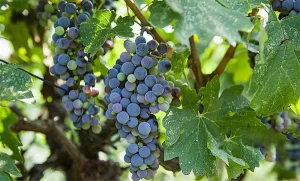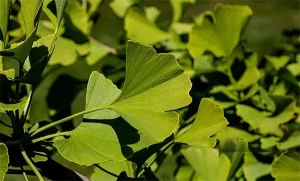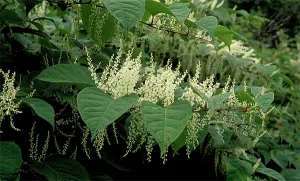
Explore our core catalog of standardized phytopharmaceutical ingredients, processed to match international quality standards.


UniCare is an industry-leading, professional supplier and global exporter of high-concentration natural active ingredients. We bridge the gap between traditional botanical compounds and contemporary, science-backed healthcare industries. Our advanced phytomedical products serve a wide spectrum of applications, primarily in the dietary supplement, food, functional cosmetic, and pharmaceutical industries.
By prioritizing raw material purity, strict regulatory compliance, and rigorous quality stability, we sustain deep corporate partnerships in over 40 countries. UniCare operates under a structured model of deep collaboration with premier Chinese manufacturing facilities that maintain comprehensive quality management system certifications—including GMP, EU-GMP, CEP, ISO9001, ISO22000, and HACCP.
Every step, from localized raw material cultivation to high-end chromatography testing, is monitored by our unified quality standard, guaranteeing the identity, safety, and bio-efficacy of each product batch.
Driving sustainable innovation in botanical science to serve global health ecosystems.

Unlocking the therapeutic potential of natural herbs through advanced scientific isolate technologies.

Relentless optimization of extraction rates and chromatographic purity profiles to maximize bio-availability.

Employing state-of-the-art machinery and eco-friendly processing methods matching EU-GMP protocols.

Fostering ethical grower relationships, reducing carbon footprints, and giving back to regional communities.
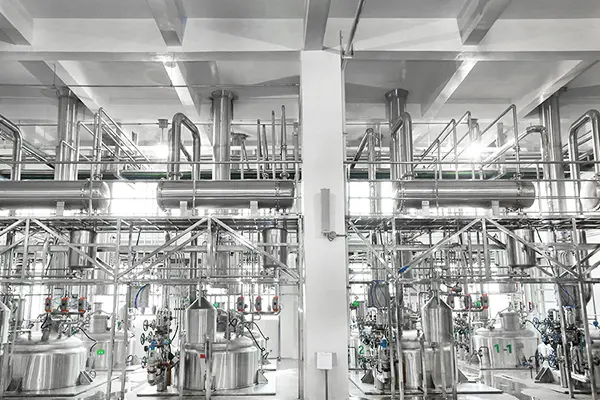
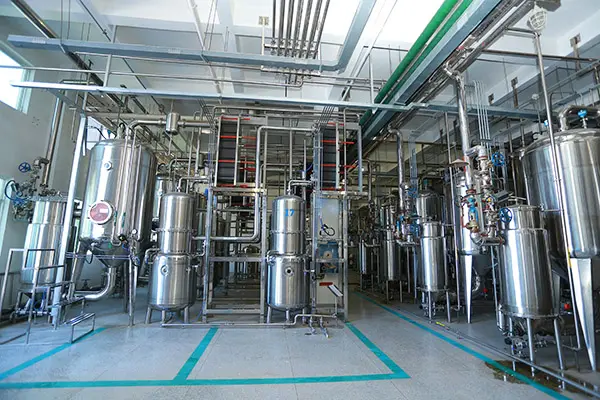
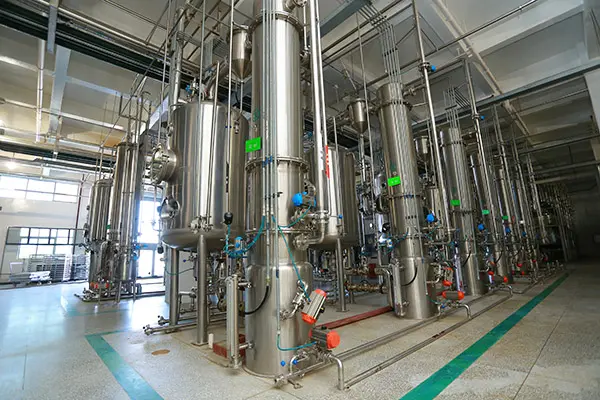
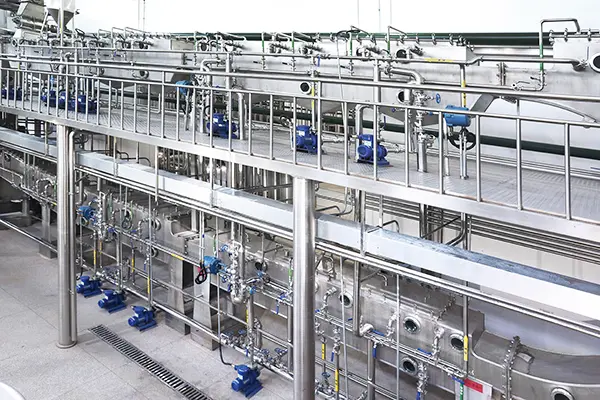
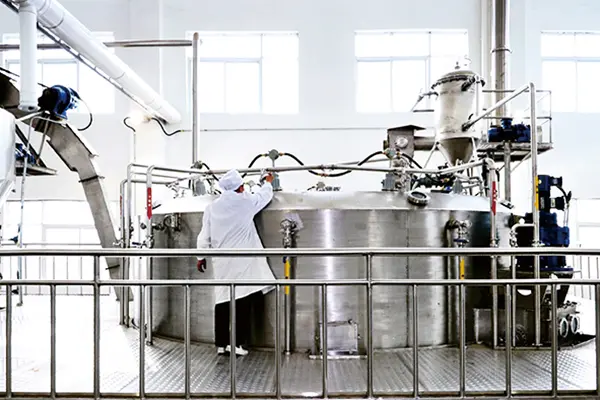
UniCare operates at the forefront of pharmaceutical-grade botanical extraction in China. By investing heavily in manufacturing hardware, we have developed one of the nation's largest, most modern dynamic extraction networks.
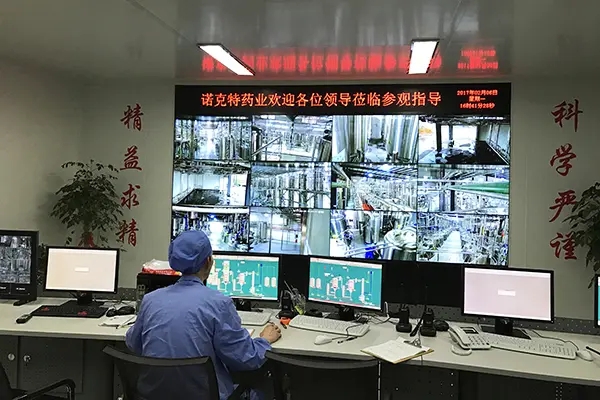
The entire facility runs on an intelligent, fully automated PLC system that closely regulates parameters like temperature, solvent ratio, and extraction duration. This ensures consistent batch-to-batch quality while removing human error from critical production pathways.


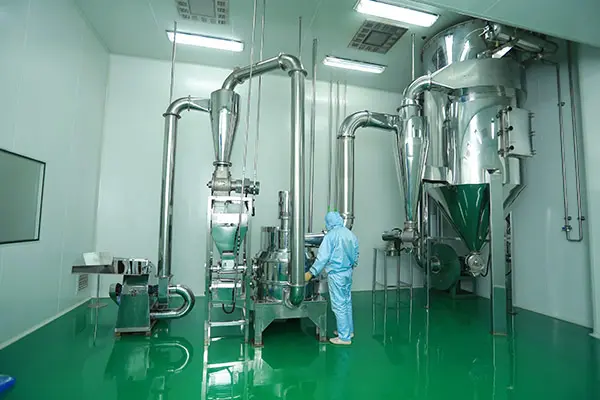
Full compliance with national pharmaceutical standards, ensuring sanitary processing and strict contamination barriers.

Our flagship Ginkgo Biloba Extract holds prestigious European Union GMP and Certificate of Suitability (CEP) status.

Real-time parameter tracing across all production runs minimizes deviation and preserves delicate biological compounds.

Equipped with high-efficiency membrane concentration modules and industrial-scale vacuum low-temperature dryers.

Massive scalability ensures stable bulk supply cycles and prompt delivery windows, even during seasonal shifts.

Includes three 10/15-ton annular dynamic countercurrent lines and 32 multi-functional extraction tanks.

Host to the only acetone extraction line for Ginkgo Biloba in China conforming perfectly to EU GMP regulations.
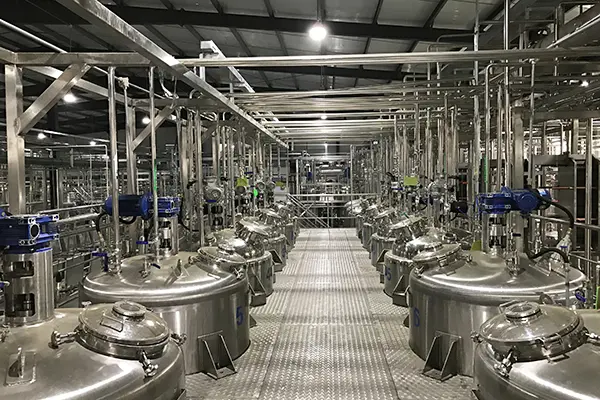
Six 20-ton fermentation tanks optimized for enzyme-modified bio-transformations and specialty metabolites.
How pharmaceutical, nutraceutical, and clinical health brands navigate standard regulatory frameworks, solvent residuals, and compound profiles.
Ginkgo Biloba is one of the most thoroughly researched botanicals globally, utilized extensively in clinical formulations aimed at enhancing cognitive function, peripheral circulation, and metabolic resilience. For global procurement officers, sourcing Ginkgo Biloba Extract (GbE) involves balancing cost efficiency with strict safety compliance. Mainstream pharmacopoeias, including the United States Pharmacopeia (USP) and European Pharmacopoeia (EP), dictate strict limits on secondary metabolites and toxic organic compounds.
The primary concern when sourcing bulk Ginkgo Biloba products is the presence of ginkgolic acids. These alkylphenols, native to the Ginkgo tree, are known cytotoxins and immunotoxic compounds capable of causing severe allergic reactions, contact dermatitis, and genetic mucosal irritation. The USP and EP standards state that the concentration of ginkgolic acids in finished extract powders must remain below 5 parts per million (ppm), and in many premium medical applications, the requirement is pushed down to less than 1 ppm.
Low-grade extraction methods utilizing simple aqueous ethanol solutions often struggle to isolate the active ginkgo flavonol glycosides and terpene lactones without bringing along high quantities of ginkgolic acids. Additionally, intentional adulteration—where cheap, exogenous rutin, quercetin, or kaempferol are added to artificially inflate the flavonol glycoside readings under basic HPLC testing—remains a major issue in the bulk botanical market.
To eliminate these compliance risks for our global B2B clients, UniCare utilizes China's premier EU-GMP compliant acetone extraction line. The acetone-water solvent system exhibits superior selectivity for target active compounds:
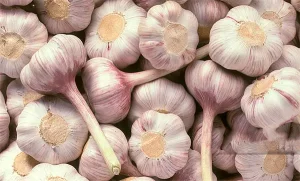
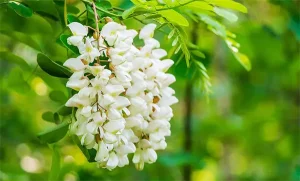
A visual look into our high-purity crystalline powders, liquid intermediates, and raw botanical sourcing materials.
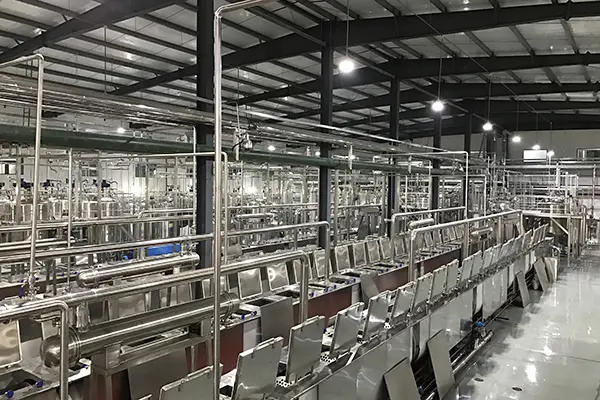
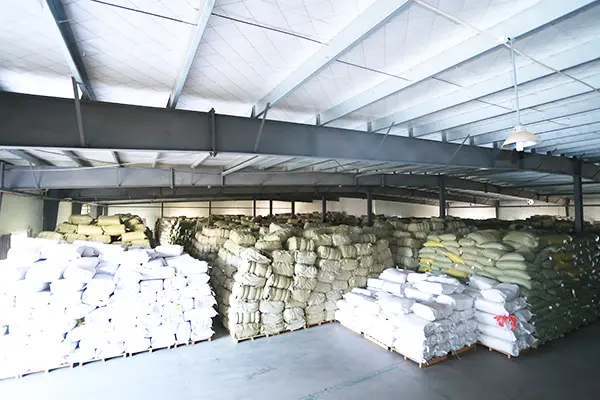
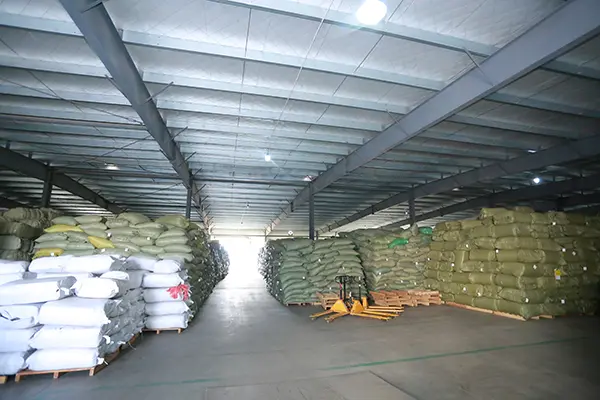
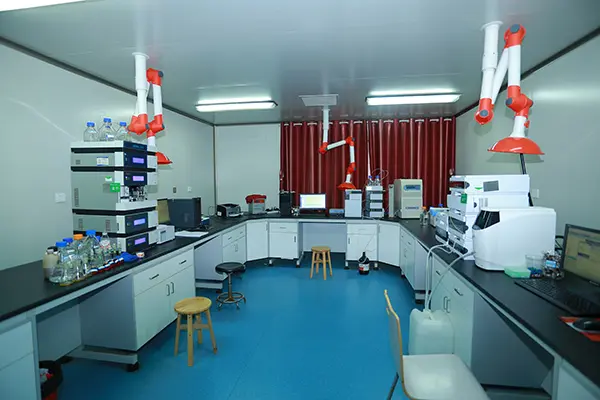
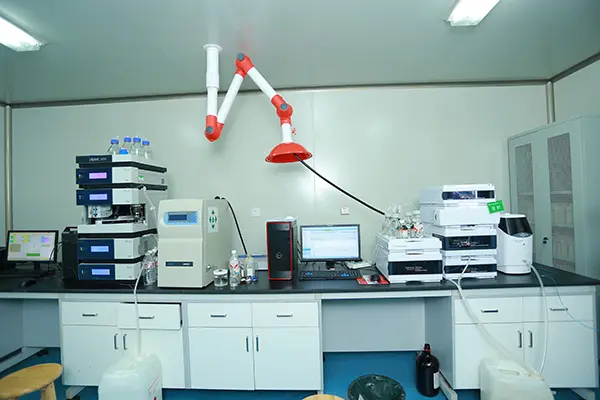
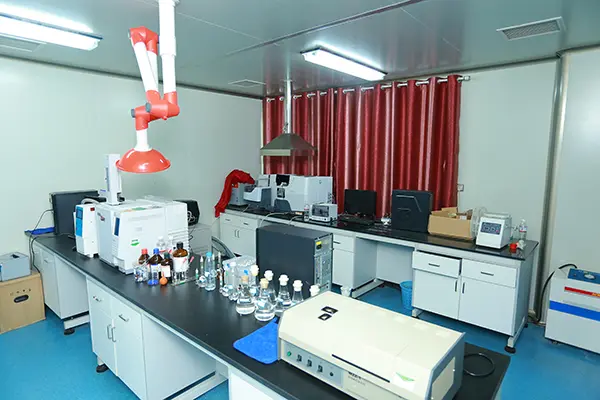
UniCare maintains a CNAS-qualified central laboratory to verify the identity and safety profiles of all plant extracts.
| Testing Category | Analytical Parameters & Limit Standards |
|---|---|
| Active Ingredient Analysis | HPLC/UV verification of signature flavonol glycosides, terpene lactones, and related polyphenols. |
| Hazardous Substances | ICP-MS heavy metal profiling (lead, mercury, cadmium, arsenic, copper); GC-MS/MS pesticide screens. |
| Microbiological Limits | Total aerobic microbial count (TAMC), total yeasts/molds (TYMC), E. coli, Salmonella, and Pseudomonas assays. |
| Raw Material Traceability | GACP-compliant geographic verification, non-GMO authentication, allergen scanning, and botanical taxonomy identification. |
| Regulatory Verification | Cross-border verification aligning with US FDA, European Food Safety Authority (EFSA), and local health guidelines. |
| Stability Testing | Accelerated temperature & humidity chamber testing to define exact shelf-life and degradation kinetics. |
| Physical Parameters | Moisture content, residue on ignition (ash), particle size distribution, bulk/tapped density, and solvent residue (GC). |
Our centralized testing infrastructure is equipped with state-of-the-art analytical equipment to perform precise measurements. Our instrument inventory includes:
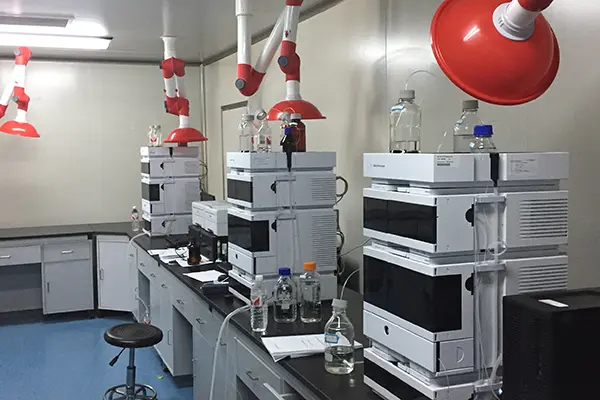
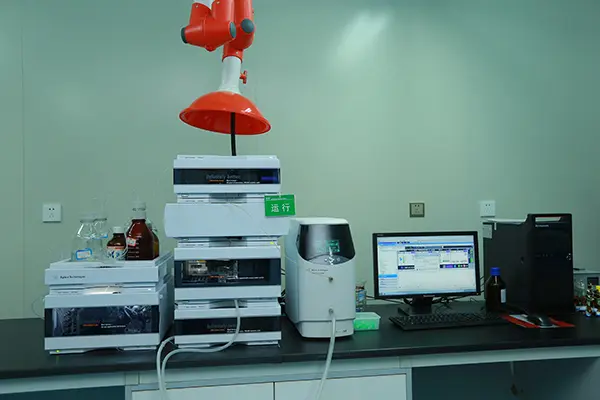
Controlling quality at the seed level to reduce unit costs and safeguard active compound profiles.
At UniCare, we reinvest 10% of our annual net profit into research and development. Beyond traditional phytochemistry, we focus on bioreactor fermentation technology and enzymatic modification. By utilizing six 20-ton fermentation units, we are engineering next-generation, high-bioavailability active ingredients.
Our long-term academic partnership with the Beijing University of Chemical Technology allows us to scale up novel metabolic compounds and transition them from initial pilot trials directly to commercial-scale manufacturing.
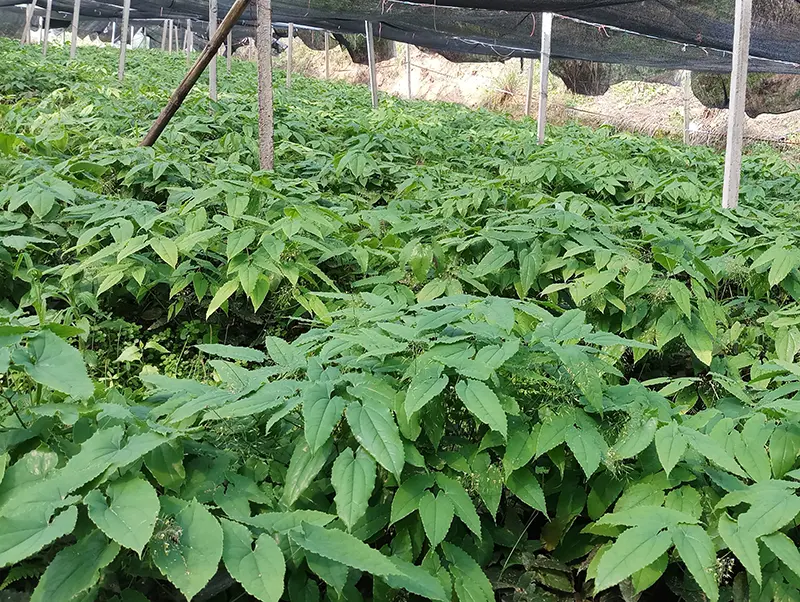
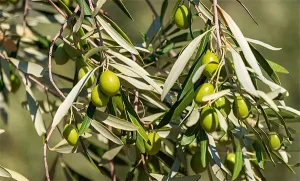
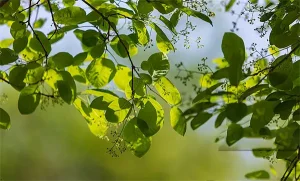
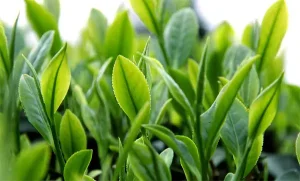
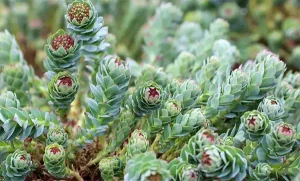
Stable quality starts in the soil. UniCare operates dedicated agricultural planting bases for Ginkgo Biloba, Epimedium, Phellodendron, and Olive Leaves. These bases run under strict Good Agricultural and Collection Practices (GACP) parameters, eliminating risks from synthetic chemical fertilizers, heavy metal contamination, and poor harvest timing.
We work alongside agricultural universities and plant breeding specialists to develop high-content seedlings. Through selection and hybridization, we optimize active molecule percentages in the leaves, allowing us to lower cost-per-kilo and pass those savings to our clients.
Embracing green chemistry, nanotechnology, and targeted cellular delivery systems.
As the dietary supplement and pharmaceutical markets mature, requirements for active ingredients are evolving beyond standard powders. Brands are looking for solutions that address low absorption rates, slow dissolution times, and sensory stability in functional foods. UniCare's technical roadmap addresses these needs through three main development streams:
Traditional flavonoids, such as rutin and quercetin, exhibit low water solubility, limiting their use in functional beverages. By utilizing our industrial fermentation tanks, we employ specific glycosyltransferases to alter the sugar moieties on flavonoid structures. This enzymatic modification dramatically increases solubility while maintaining the core antioxidant activity, opening up new opportunities for food and beverage formulations.
Ginkgolides and bilobalide are highly effective but face absorption barriers at the intestinal mucosa. Our R&D department is testing lipid-based nano-emulsions and liposomal carriers that protect the active terpene lactones from stomach acid degradation. This targeted delivery helps improve absorption, allowing for lower clinical doses while maintaining equal efficacy.
Sourcing markets are increasingly looking to limit the use of halogenated organic solvents. In response, UniCare is transitioning toward green chemistry. We are optimizing supercritical fluid extraction (SFE-CO2) and high-density aqueous ethanol systems to match the purity levels of traditional solvent processes, ensuring our products stay ahead of global organic food certifications.
Providing smooth customs clearance, transparent supply chains, and local compliance documentation.
Our products meet FDA dietary supplement standards, backed by full DSHEA compliance documents, FSMA verification, and third-party laboratory safety testing.
We supply CEP and EU-GMP grade Ginkgo Biloba extract that meets strict limits for PAH residues, ethylene oxide, and EU pesticide requirements.
We offer custom particle size milling (from standard mesh to micronized powders), customized tap densities, and carrier-free options to suit your manufacturing line.
UniCare understands that document compliance is just as critical as product purity. For every shipment, we provide a complete technical documentation package, including the Certificate of Analysis (COA), Allergen Statements, GMO Free Declarations, Kosher & Halal Certificates, BSE/TSE Statements, and heavy metal testing charts. Our logistics teams work with reliable global carriers to coordinate door-to-door delivery, handling customs documentation to keep your production schedules running smoothly.
Answers to common technical, logistics, and quality questions from procurement and formulation managers.
For our premium EU-GMP and CEP grade Ginkgo Biloba Extract, we use a selective acetone-water extraction system. This process is optimized to extract target active compounds (24% glycosides / 6% lactones) while keeping toxic ginkgolic acids below 5 ppm, and in custom runs, under 1 ppm.
We run routine high-performance liquid chromatography (HPLC) fingerprint analysis on every raw material batch. By analyzing peak ratios of key aglycones (quercetin, kaempferol, isorhamnetin) and screening for synthetic free quercetin or rutin, we ensure our extracts are entirely botanical in origin, without artificial spiking.
Our partner factories are fully certified under EU-GMP, CEP, China GMP, ISO 9001, ISO 22000, HACCP, Halal, and Kosher standards. Our central laboratory also operates with CNAS validation for chemical and microbiological testing.
Our standard MOQ for commercial orders is 25 kg, which is packaged in industry-standard cardboard drums lined with double-layer polyethylene bags. For development projects or trials, we can offer smaller evaluation samples upon request.
Every batch of raw botanical material goes through strict testing in our central laboratory. We use inductively coupled plasma mass spectrometry (ICP-MS) to detect heavy metals, and gas chromatography-tandem mass spectrometry (GC-MS/MS) to test for organochlorine and organophosphorus pesticide residues.
Discover our wider range of specialized extracts, produced to support clean labeling and strict ingredient purity.