An in-depth whitepaper on the global market trajectory, biochemical properties, and clinical performance of combined Ginkgo Biloba and Panax Ginseng extracts.


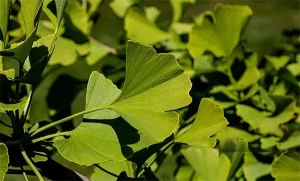
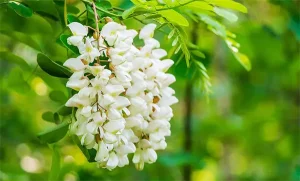
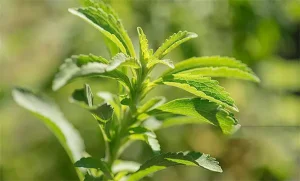
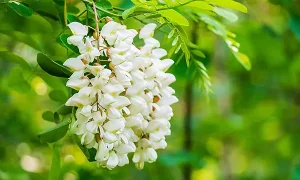
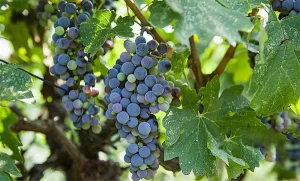
The combination of Ginkgo Biloba extract and Ginseng extract represents one of the most clinically-backed pairings in modern functional nutrition. Ginkgo Biloba, characterized by its signature 24% ginkgo flavone glycosides and 6% terpene lactones (including ginkgolides A, B, C, and bilobalide), works in tandem with Ginseng's ginsenosides (standardized to 10%-80% by HPLC) to target distinct yet overlapping physiological systems.
While Ginkgo enhances microvascular blood flow and cerebral perfusion through platelet-activating factor (PAF) inhibition, Ginseng acts as a metabolic adaptogen, optimizing mitochondrial ATP output and modulating the hypothalamic-pituitary-adrenal (HPA) axis. This dual mechanism delivers measurable improvements in sustained mental endurance, working memory retention, and cellular defense against oxidative stress.
Request Whitepaper DataGuided by scientific innovation and strict compliance parameters to serve the international nutraceutical industry.




Understanding regulatory divergence, active compound synergies, and sourcing risks across Europe, North America, and the Asia-Pacific region.
The global demand for adaptogenic botanical ingredients has witnessed an unprecedented compound annual growth rate (CAGR). As consumers shift from acute energy solutions (such as synthetic caffeine) toward sustained cognitive optimization, formulators are hard-pressed to supply clean-label, bioavailable nootropic blends. Standardized Ginkgo and Ginseng extracts sit at the center of this movement.
However, the international supply chain remains fraught with compliance challenges. For instance, the presence of ginkgolic acids (alkylphenols that exhibit allergenic and mutagenic properties) must be strictly limited to under 5 ppm according to United States Pharmacopeia (USP) and European Pharmacopoeia (EP) specifications. In parallel, Ginseng sourcing must contend with pesticide residues, specifically quintozene and BHC, which require advanced purification steps.
Consequently, leading enterprises are abandoning brokers in favor of vertically integrated manufacturers. B2B buyers require complete transparency regarding extraction methods, specifically the differentiation between standard ethanol-water mixtures and advanced acetone-water process fractionation. The latter yields the exact balance of Ginkgo Biloba terpene lactones necessary for therapeutic pharmacological applications.
How our advanced industrial park and extraction lines support high-throughput, standardized global supply agreements.

UniCare operates a state-of-the-art production system under automated digital PLC command. Our facility runs continuous, closed-loop extraction loops designed to prevent contamination, conserve energy, and yield absolute batch-to-batch homogeneity.

Our production facilities maintain complete compliance with national GMP standards, providing a secure foundation for international quality audits.

Our Ginkgo Biloba Extract maintains EU-GMP compliance alongside Certificate of Suitability (CEP) clearance for direct inclusion in regulated markets.

We operate the only acetone-process Ginkgo Biloba extraction line in China that meets rigorous EU-GMP standards, minimizing organic solvent residuals.

Equipped with 3 annular countercurrent extraction lines (10T & 15T capacities), and 2 multi-functional lines featuring thirty-two 6m³ tanks.
Ensuring trace contaminant detection, active compound confirmation, and long-term product stability.
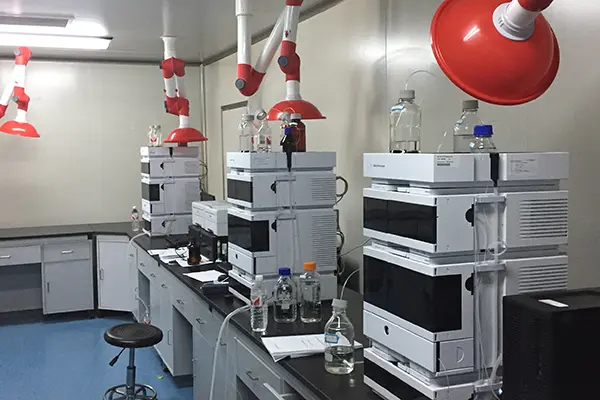
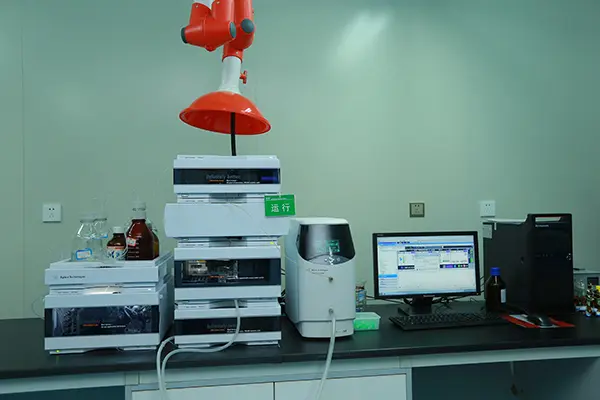
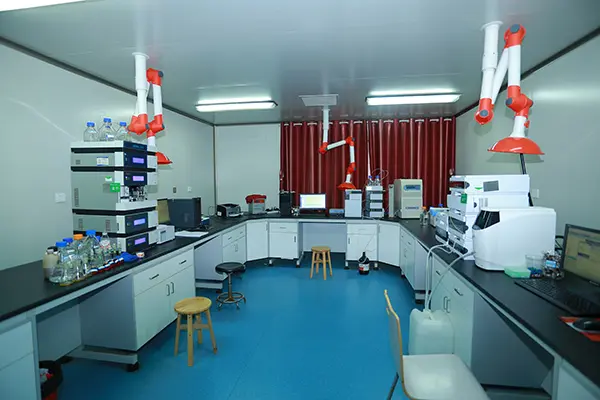
At UniCare, the quality control system is built directly into our operational architecture. Through our central CNAS-qualified laboratory, we perform full-spectrum testing on every batch of Ginkgo and Ginseng extract. The tests include signature component assay validation (HPLC/UV), volatile organic residue profiling (GC), heavy metal quantification (ICP-MS), and multi-residue pesticide screening (GC-MS/MS).
| Testing Parameter | Target Analytical Standard | Instrumentation Utilized |
|---|---|---|
| Active Ingredient Assay | Ginkgoflavone glycosides >24%, Terpene Lactones >6%, Ginsenosides 10%-80% | Agilent 1290 UHPLC, Agilent 1260 HPLC |
| Pesticide Residues | Compliance with EU & USP standards (organochlorines, organophosphates) | Shimadzu GC-MS-MS, Agilent GC-MS |
| Heavy Metals | Lead < 0.5 ppm, Arsenic < 0.5 ppm, Cadmium < 0.1 ppm, Mercury < 0.1 ppm | ICP-MS, Shimadzu AA-7000 Atomic Absorption |
| Solvent Residues | Residual Ethanol < 5000 ppm, Residual Acetone < 5000 ppm | Shimadzu GC-2010 with Headspace Sampler |
| Microbiological Testing | Total Plate Count < 1000 cfu/g, Yeast & Mold < 100 cfu/g, Pathogens Absent | PCR Assay, Automated Incubators |
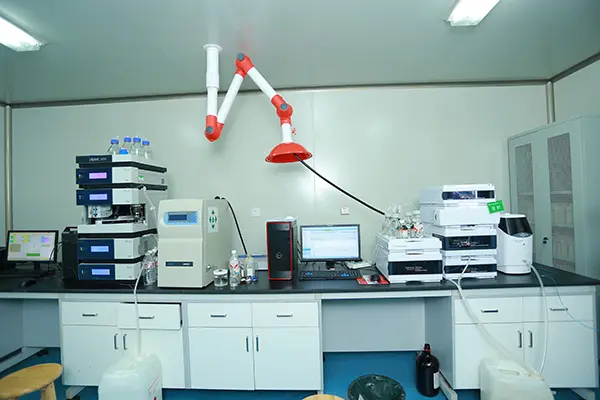
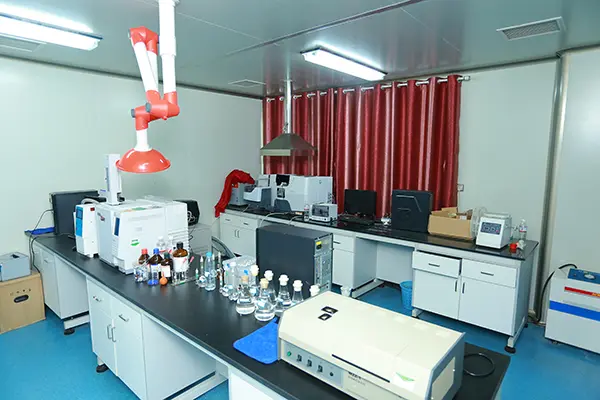
Integrating agricultural science with industrial biotechnology for reliable active botanical ingredient production.

We invest 10% of our annual net profit back into targeted research and development. To advance past traditional extraction boundaries, we have developed a dedicated division exploring enzyme-modified biotransformations and natural fermentation processes.
Through our collaborative agreement with the Beijing University of Chemical Technology, we actively study the bioconversion of natural glycosides to improve their bioefficacy, working to bring these advancements to cosmetic and nutraceutical markets at an industrial scale.
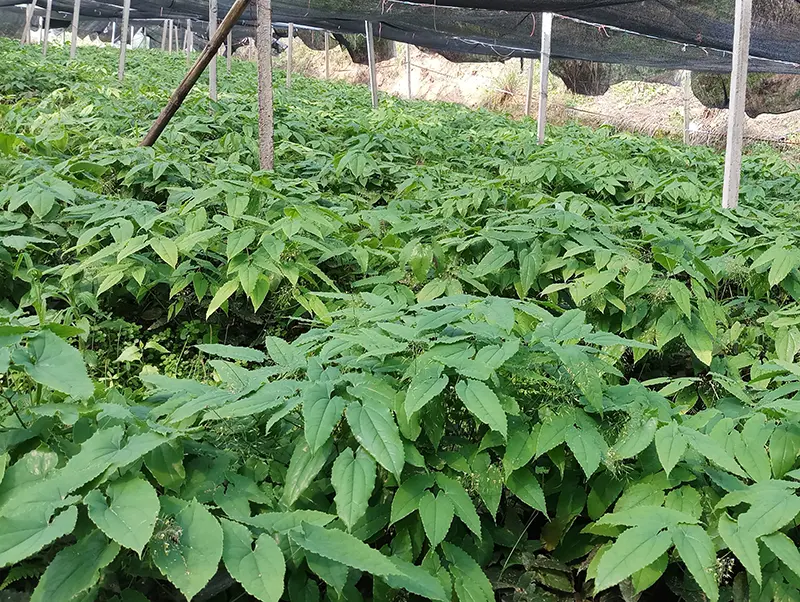
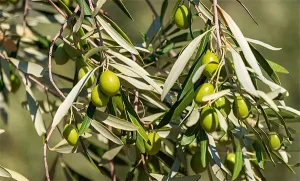
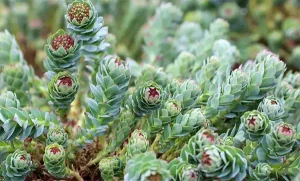
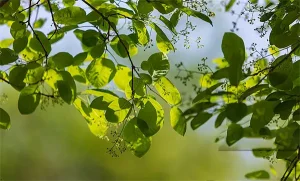
To secure the quality of our starting material, UniCare operates cooperative agricultural cultivation bases for Ginkgo Biloba, Epimedium, Olea Europaea, and Phellodendron. These fields are maintained under strict Good Agricultural and Collection Practices (GACP) protocols.
We collaborate with agricultural institutes to develop high-potency cultivars through selective breeding. By optimizing raw material chemistry, we improve extraction efficiency and pass these cost savings directly to our global partners.
Essential regulatory, biochemical, and logistics inquiries from procurement teams and R&D formulation experts.
We use High-Performance Liquid Chromatography (HPLC) fingerprinting to compare the specific ratios of Ginsenosides Rg1, Re, and Rb1. This allows us to exclude adulterants from other Panax species or synthetic marker additions, ensuring a pure extract profile.
The acetone-water system selectively concentrates ginkgo flavones and terpene lactones while minimizing the co-extraction of undesirable ginkgolic acids. This targeted process helps keep ginkgolic acid levels under the strict 5 ppm limit required by USP and EP regulations.
Every shipment is tested via ICP-MS for heavy metals (Pb, As, Cd, Hg) and GC-MS-MS for organochlorines, organophosphates, and pyrethroids. We ensure complete compliance with EU 396/2005 and USP <561> pesticide limits.
Yes. Our physical processing lines can adjust bulk density (ranging from 0.40g/ml to 0.65g/ml) and mesh size (from 80 mesh to 200 mesh) to suit your tableting, encapsulation, or clean-label functional drink requirements.
We run real-time and accelerated stability studies (at 40°C ±2°C and 75% RH ±5% RH) to track active compound retention over 36 months, ensuring your products maintain potency throughout their shelf life.
Our partner facilities hold EU-GMP, CEP, ISO9001, ISO22000, HACCP, Kosher, and Halal certifications. We can also assist with the preparation of DMF files for registration in regulatory markets.