High-purity botanical raw materials standardized in GMP-certified facilities to meet global pharmacological benchmarks.
The global industrial demand for Morus alba (Mulberry) derivatives has undergone a significant paradigm shift. Historically recognized for sericulture, the modern phytomedicine industry has uncovered the profound clinical efficacy of mulberry leaf, root bark, and fruit active matrices.
At the center of this demand is 1-Deoxynojirimycin (1-DNJ), a polyhydroxylated piperidine alkaloid that acts as a potent competitive inhibitor of alpha-glucosidase. This biochemical mechanism is crucial in modern health management, specifically for mitigating postprandial glucose excursions and stabilizing insulin response curves.
Additionally, the cosmetics sector relies heavily on Mulberry root bark extracts rich in Morusin and Mulberroside A. These compounds inhibit tyrosinase at a molecular level, providing a highly effective natural skin-brightening solution without the cytotoxic profile of synthetic hydroquinones.

UniCare operates at the intersection of agricultural sustainability and advanced chemical engineering. As a specialized B2B provider, we deliver natural active ingredients to dietary supplement, food, beverage, cosmetic, and pharmaceutical industries worldwide.
Our core strength lies in our deep manufacturing partnership network across China. These production centers hold comprehensive certifications, including GMP, EU-GMP, CEP, ISO9001, ISO22000, and HACCP. Each facility operates with raw material traceability and independent testing laboratories to ensure batch-to-batch consistency.
By integrating advanced testing instruments with automated processing, UniCare minimizes batch variance and maintains strict safety levels for heavy metals, residual solvents, and polycyclic aromatic hydrocarbons (PAHs).
Initiate Technical RFP / Contact Us
Bridging traditional plant science and modern health applications with clinical rigor.

Unlocking therapeutic potential in traditional botanicals through target identification and high-throughput screening.

Constantly refining chemical engineering controls to improve active ingredient yields and reduce manufacturing waste.

Deploying large-scale extraction columns and automated DCS control systems to deliver reliable bulk botanical products.

Supporting regional farming cooperatives to implement pesticide-free agricultural methods and promote soil health.
Our manufacturing partners operate some of the largest botanical extraction facilities in China, featuring state-of-the-art hardware and modern production lines controlled by intelligent, automated systems.
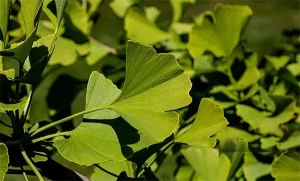
The facility features two dedicated GMP workshops and six multi-functional extraction lines. This infrastructure includes China's only acetone-based extraction line for Ginkgo Biloba that is EU-GMP certified. Additionally, we run scale fermentation systems and process over 30,000 metric tons of crude botanical biomass annually.
Our extraction lines utilize three annular dynamic countercurrent setups (10 and 15-ton capacities), two multi-functional lines featuring 32 individual 6-cubic-meter extraction tanks, and a 10-ton dynamic countercurrent line.

The manufacturing plant maintains full China GMP compliance, ensuring structured standard operating procedures (SOPs).

Our partner’s facility holds EU-GMP and CEP certifications for select botanical extracts, meeting European drug standards.

DCS-controlled automated extraction processes manage key variables including temperature, pressure, flow rate, and solvent ratios.

Using high-efficiency falling-film evaporators, supercritical CO2 extractors, and industrial spray drying towers.

High-throughput biomass processing secures a reliable product supply even during seasonal feedstock fluctuations.

Multiple dedicated production lines allow us to run campaigns for different materials without cross-contamination risks.

The only industrial-scale acetone process line in China designed to meet international pharmacopoeia standards.
Equipped with six 20-ton fermentation tanks for bioconversions and enzyme-modified botanical compounds.
Technical specifications for our standardized industrial Mulberry extracts, covering key bioactives and target applications.
| Active Ingredient | Standard Assay Spec | Detection Method | Primary B2B Target Market | Key Bioactive Mechanisms |
|---|---|---|---|---|
| 1-Deoxynojirimycin (1-DNJ) | 0.5%, 1.0%, 2.0%, 5.0%, 10.0% | HPLC-ELSD / HPLC-MS | Blood Glucose & Metabolic Health Formulas | Inhibits alpha-glucosidase, reducing carbohydrate breakdown to help manage postprandial glucose levels. |
| Mulberry Leaf Flavonoids | 5.0%, 10.0%, 20.0% | UV-Vis / HPLC | Cardiovascular & Cellular Aging Supplements | Neutralizes free radicals and supports vascular health by protecting lipids from oxidation. |
| Mulberroside A / Morusin | 0.5%, 1.0%, 2.0% | HPLC-DAD | Cosmetic Formulations (Brightening & Spot Correction) | Inhibits tyrosinase activity to help reduce melanin synthesis. |
| Mulberry Anthocyanins | 5.0%, 10.0%, 25.0% (Fruit Extract) | UV-Vis / HPLC | Functional Foods & Eye Health Formulations | Supports retinal health and helps protect capillaries from oxidative stress. |
Extracting 1-DNJ from Morus alba leaves requires careful process control, as it is highly hydrophilic and has a low natural concentration in the plant tissue. Traditional solvent extraction methods often yield high amounts of unwanted sugars and structural proteins, complicating purification.
Our partner factories address this by utilizing custom macroporous adsorption resin columns combined with membrane separation technologies. This setup removes free sugars while concentrating the 1-DNJ fraction. The resulting eluent is spray-dried in a low-temperature vacuum system to prevent thermal degradation of the active alkaloids, ensuring a highly soluble powder suitable for capsules, tablets, and premixes.
Our quality management systems track every stage of production, from raw agricultural input to final cargo dispatch. Testing ensures compliance with USP, EP, and ChP guidelines.
Our testing services cover identity verification, active ingredient assays, solvent residue analysis, pesticide screening, heavy metal limits, and microbiological safety.
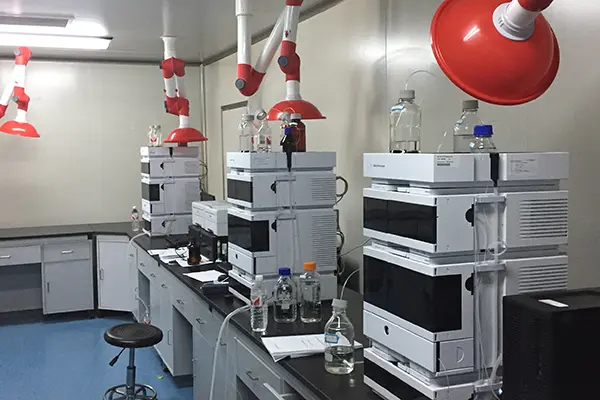
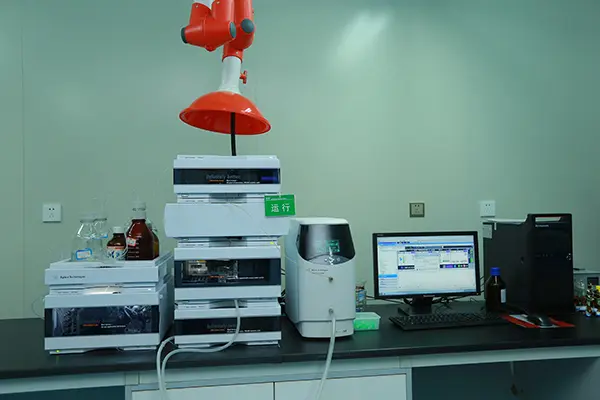
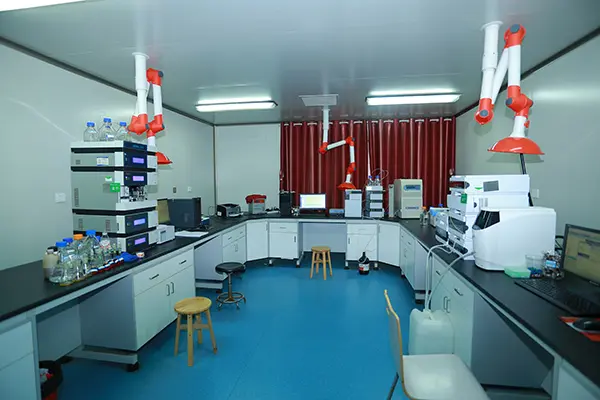
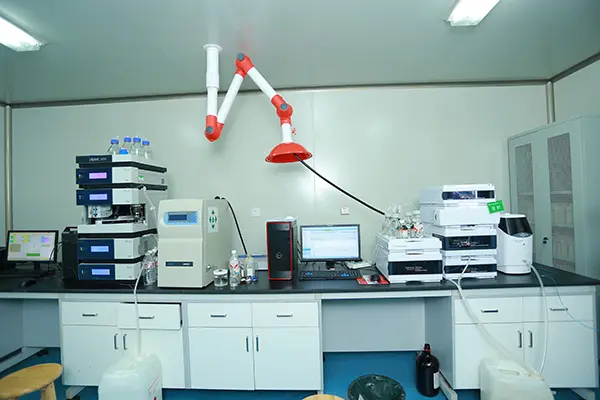
The central laboratory facility is fully equipped with advanced analytical instrumentation to ensure precise testing and product consistency:
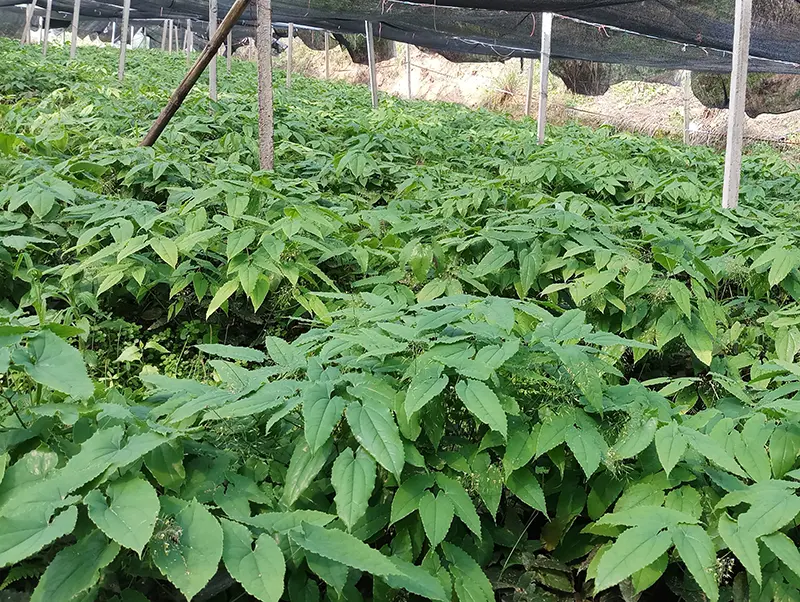
Quality control begins in the soil. To ensure chemical profile stability in our crude feedstock, UniCare collaborates with agricultural co-operatives and agronomic institutes to manage dedicated crop bases.
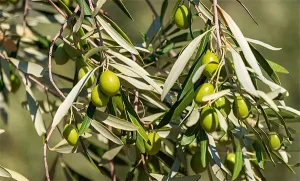
Our planting partners manage controlled bases for Ginkgo leaf, Epimedium, Phellodendron, Olive leaf, and Mulberry leaf. Several of these agricultural operations follow GACP (Good Agricultural and Collection Practices) models, which restrict chemical pesticides and monitor heavy metal levels in the soil and water.
Through partnerships with botanical research companies, we support breeding programs to cultivate high-yield crop variants. By selecting parents with superior concentrations of 1-DNJ or Morusin, we can improve active marker yields and optimize raw material costs.

Answers to common technical, quality, and logistics questions from professional procurement teams.
High-purity botanical raw materials standardized in GMP-certified facilities to meet global pharmacological benchmarks.