Explore our certified organic preservative compounds and premium botanical extracts designed for high-stability preservation profiles.
UniCare is a highly specialized global supplier and exporter of natural active ingredients and bio-preservative systems. Our engineered botanical products serve a broad spectrum of industries, including dietary supplements, functional foods, clean-label cosmetics, and pharmaceuticals. We prioritize persistent research, reliable quality control protocols, and strategic capacity scaling, driving growth through scientific partnership.
To sustain these high benchmarks, UniCare maintains robust manufacturing partnerships with elite Chinese factories holding comprehensive quality management certificates. Our production network operates strictly under compliance systems, securing certifications such as GMP, EU-GMP, CEP, ISO9001, ISO22000, and HACCP. Each partner factory features on-site, fully autonomous testing environments equipped with advanced diagnostics to ensure physical, chemical, and microbiological uniformity in every batch.


Understanding the strict quality parameters, regulatory pressures, and formulation demands that drive the international bio-preservation sector.
Consumer preferences are shifting away from traditional synthetic antimicrobials such as parabens, formaldehyde releasers, and phenoxyethanol. This shift is driving demand for plant-derived active compounds that act as natural antimicrobials. Multinational procurement managers face the complex task of securing organic preservatives that match the performance of synthetics without compromising clean-label designations.
In cosmetic applications, organic preservative blends must offer broad-spectrum antimicrobial activity. They must target Gram-positive and Gram-negative bacteria, yeasts, and molds while remaining stable across wide pH (3.5 – 7.0) and temperature ranges. In the food sector, these active compounds must also protect against oxidation and enzymatic decay without altering the product's taste, odor, or color. Procurement officers require transparent traceability, consistent supply chains, and low minimum inhibitory concentrations (MIC) to ensure cost-efficient formulations.
Strict compliance with ECHA (REACH), EU Cosmetic Regulation 1223/2009 Annex V, and US FDA requirements is reshaping formulation criteria worldwide.
Replacing traditional biocides with botanical extracts requires balanced matrices of organic acids and active polyphenols to prevent microbial adaptation.
Next-generation formulas favor selective bio-preservatives that protect the product's integrity without disrupting the skin's natural microbiome.
Our guiding values drive continuous research and development, ensuring high-quality products that benefit our global partners and communities.

Unlocking the full chemical and clinical potential of therapeutic botanical agents through extraction optimization.

Sustaining systematic investments in process chemistry, green solvents, and modern fermentation technology.

Employing fully automated extraction pipelines to ensure high batch-to-batch consistency and purity.

Fostering sustainable agriculture at our planting bases and supporting local farming communities.

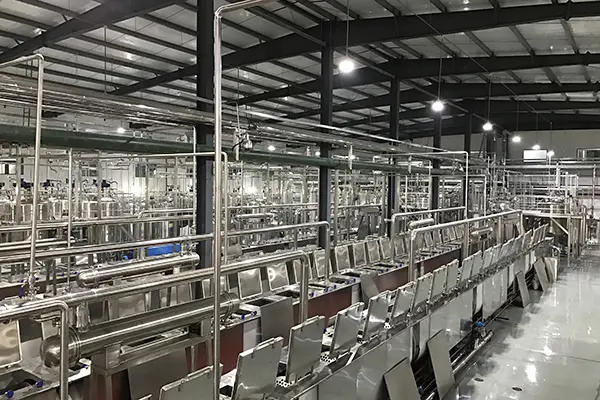
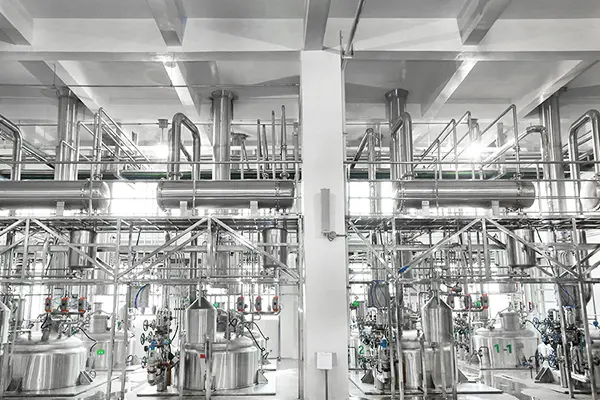
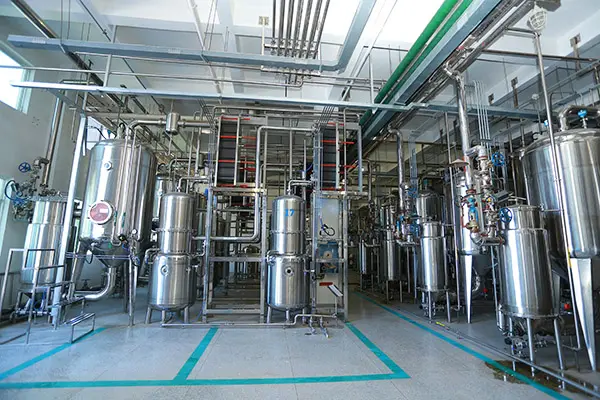
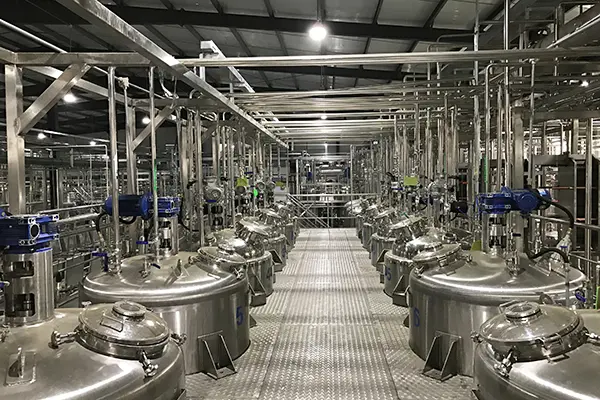
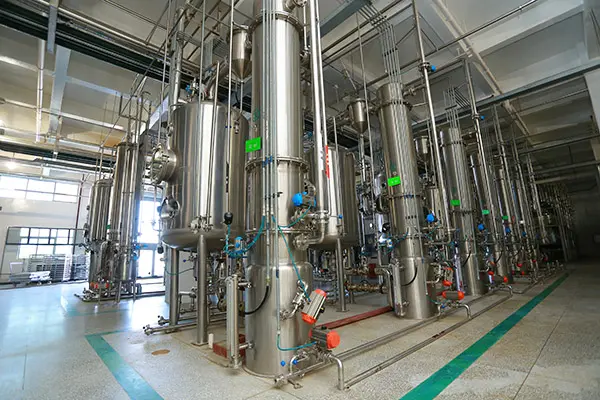
UniCare invests heavily in advanced production equipment, operating some of the largest extraction facilities in China. Our extraction lines are monitored and managed by a modern, intelligent, automated control system, reducing human error and improving chemical efficiency.
Currently, our facilities include two GMP-compliant workshops housing six multi-functional extraction lines. This setup includes China's only acetone-process Ginkgo Biloba Extract production line that fully complies with European GMP standards. In addition, our fermentation systems and Chinese herbal medicine prep lines process up to 30,000 tons of plant raw materials annually.
 China GMP Certified Facility ensures adherence to strict pharmaceutical-grade cleanliness and protocol frameworks.
 EU-GMP and CEP Certifications for Ginkgo Biloba Extract guarantee entry compliance in EU markets.
 Automated Processing utilizes computer-controlled temperature, solvent ratio, and extraction cycles.
 30,000 Tons Annual Input provides the capacity required for long-term global contracts.
 Advanced Extraction Technology features three annular dynamic countercurrent lines (10T & 15T) and two multi-functional extraction lines.
 EU-GMP Standard Acetone Line offers highly selective isolation of target active fractions.
 Industrial Bioconversion Capacity operates six 20-ton fermentation tanks for biotransformations and enzyme-modified products.
Addressing formulation challenges like discoloration, lipid oxidation, and raw material volatility using botanical preservation systems.
Many botanical compounds degrade at elevated temperatures or outside specific pH ranges. UniCare develops micro-encapsulated preservation systems that shield active polyphenols. This structure ensures stability during hot emulsification processes and within formulation matrices ranging from pH 3.0 to 9.0.
High-concentration plant extracts can introduce unwanted colors or earthy odors to cosmetic emulsions. Our advanced purification process uses multi-stage chromatography to remove chlorophyll, tannins, and volatile terpenes. This delivers a clear, low-color, and virtually odorless active ingredient profile.
Relying on a single organic preservative can lead to microbial resistance. UniCare designs customized combinations of plant secondary metabolites—such as flavonoids, stilbenoids, and organic acids. These components work together to disrupt bacterial cell walls and inhibit replication.
UniCare and its partners operate a strict quality assurance program, checking every batch against physical, chemical, and microbiological standards.
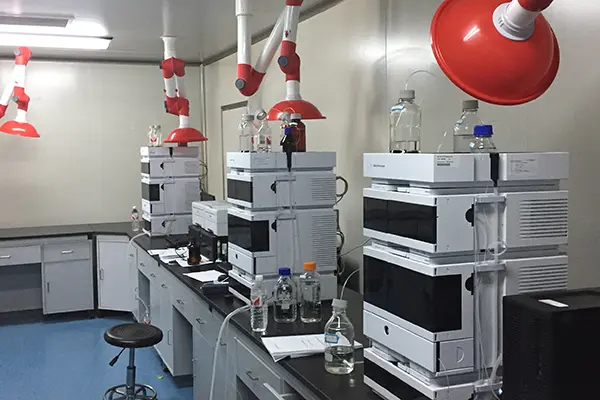
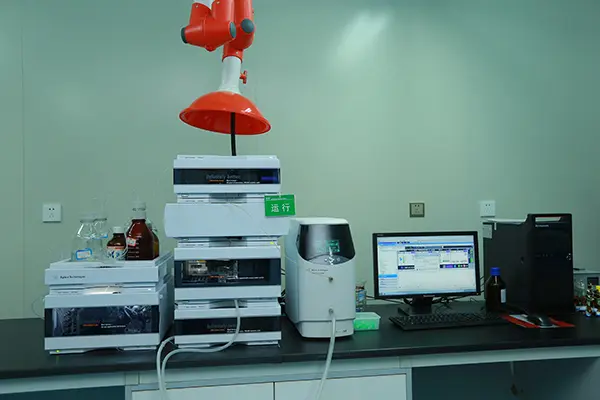
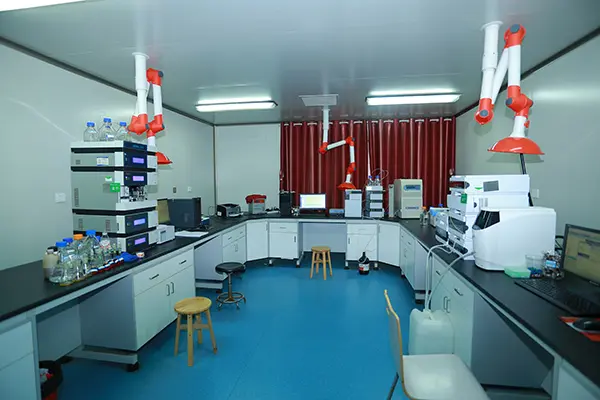
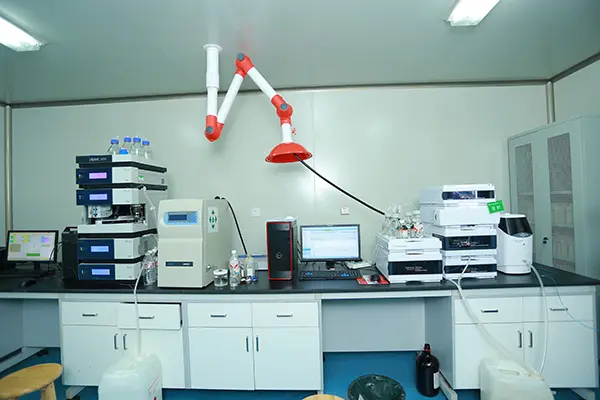
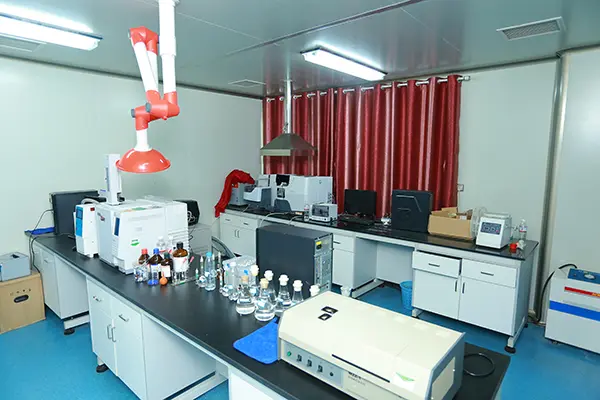
Our quality control system monitors production from raw materials to final packaging. Using advanced analytical instruments, we verify chemical profiles, active ingredient concentrations, and trace-level contaminants. We test for active compound content (HPLC or UV), solvent residues (GC), pesticide residues (GC-MS-MS), heavy metals (ICP-MS), moisture, ash, and microbial counts to ensure compliance with pharmacopoeia standards.
| Analytical Category | Specific Testing Parameters & Targets |
|---|---|
| Active Ingredient Analysis | Assay testing, microscopic structural identification, and fingerprinted chromatograms (HPLC/UV/UHPLC). |
| Hazardous Contaminants | Heavy metals (lead, arsenic, mercury, cadmium, copper), pesticide residues, and residual extraction solvents. |
| Microbiological Assays | Total aerobic microbial count (TAMC), total yeasts/molds count (TYMC), and testing for specific pathogens like E. coli. |
| Raw Material Traceability | Verification of botanical origin, GMO screening, allergen monitoring, and geographic source documentation. |
| Regulatory Verification | Compliance reviews aligned with regulations in China, the European Union (EMA), and the United States (FDA). |
| Stability Assays | Real-time and accelerated stability studies in controlled chambers to determine shelf life. |
| Physical and General Testing | Bulk density, particle size distribution, pH, optical rotation, moisture content, and ash analysis. |
Our central laboratory facilities include high-precision chromatography and spectroscopy equipment:
| Instrumentation Platform | Manufacturer & Model | Quantity | Primary Application |
|---|---|---|---|
| Ultra-High Performance Liquid Chromatography (UHPLC) | Agilent 1290 Series | 2 Units | High-resolution active compound assays and raw material profiling |
| High-Performance Liquid Chromatography (HPLC) | Agilent 1260 Series | 4 Units | Routine assay verification and raw material checks |
| High-Performance Liquid Chromatography (HPLC) | Shimadzu LC-20AT | 2 Units | Stability testing and active constituent monitoring |
| High-Performance Liquid Chromatography (HPLC) | Dionex U3000 | 2 Units | Complex botanical separations |
| Evaporative Light Scattering Detector (ELSD) | Shimadzu 2000ES | 2 Units | Detection of non-chromophoric lipids and carbohydrates |
| Gas Chromatography (GC) | Shimadzu GC-2010 | 1 Unit | Quantification of volatile residues and solvent impurities |
| Atomic Absorption Spectrometry (AAS) | Shimadzu AA-7000 | 1 Unit | Quantification of heavy metals and trace element analysis |
UniCare reinvests 10% of our annual net profit into research and development. Alongside upgrading our traditional botanical solvent extraction methods, we have established an R&D group focused on natural fermentation. By researching fermentation and bioconversion pathways, we aim to develop high-purity preservation molecules that bypass traditional agricultural limitations.
Our research is supported by a partnership with the Beijing University of Chemical Technology. Together, we work on identifying, optimizing, and scaling novel fermentation products to support cosmetics, dietary supplement, and pharmaceutical applications.
Maintaining high quality requires control over our agricultural inputs. UniCare's procurement system tracks every batch of raw materials back to the cultivation area. Inbound botanical shipments are inspected at our warehouses for active content, moisture, ash, heavy metals, and pesticide residues.
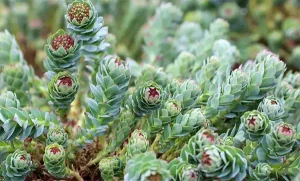
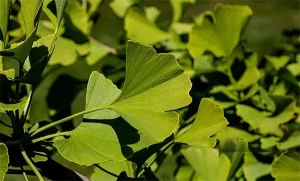
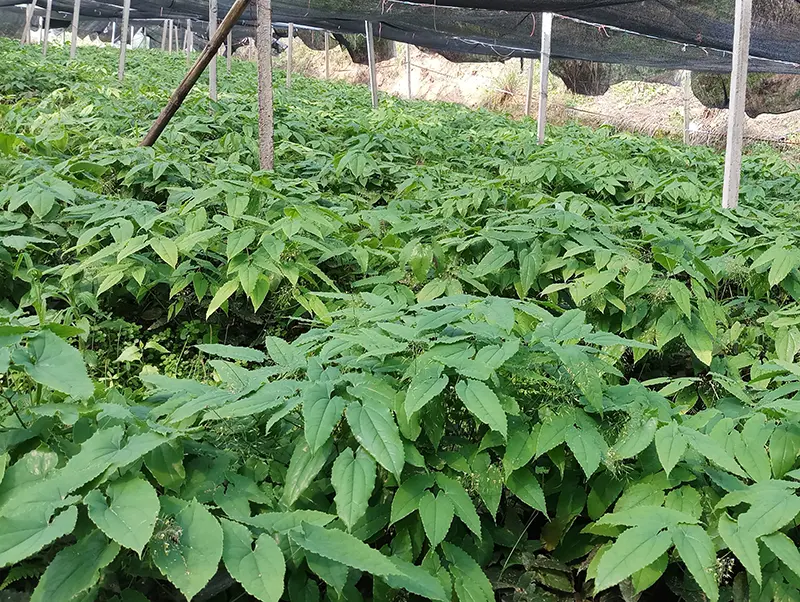
To secure a reliable supply, UniCare has partner agricultural programs for growing ginkgo leaves, epimedium, phellodendron, and olive leaves. Several of these sites follow the Good Agricultural and Collection Practices (GACP) management model. In cooperation with plant breeding specialists, we also research high-yield botanical strains to improve active constituent levels and optimize costs for our partners.

Discover how UniCare leverages green chemistry and biotech research to support clean preservation systems over the next decade.
We are phasing out traditional petroleum-derived solvents in favor of green alternatives like subcritical water extraction, supercritical carbon dioxide, and natural deep eutectic solvents (NADES). These methods improve yield and eliminate toxic solvent residue concerns.
By engineering microbial hosts, we can produce identical bio-active compounds in fermentation tanks. This method reduces land use, avoids weather dependency, and yields high-purity preservation agents with minimal batch-to-batch variation.
Using machine learning, we study how combinations of natural plant extracts affect microbial membranes. This research helps us design targeted natural preservative blends that reduce the total concentration of active ingredients required in formulations.
As regulatory requirements tighten in Europe, North America, and parts of Asia, the market for natural, bio-based preservatives is growing. China remains a key hub for this supply chain, combining extensive agricultural cultivation areas with modern industrial chemical infrastructure.
UniCare's capacity—processing up to 30,000 tons of raw materials annually—enables us to support large-scale industrial customers. Our facilities run continuously, helping protect partners from price volatility and raw material shortages. By matching Chinese manufacturing efficiency with Western quality standards, UniCare provides reliable, high-purity natural ingredients to cosmetic and pharmaceutical brands globally.
Ensuring compliance across diverse international regulatory frameworks through comprehensive testing and documentation.
Exporting chemical and botanical raw materials requires thorough regulatory compliance. We provide complete documentation for all shipments, including certificate of analysis (COA) data sheet, safety data sheet (SDS), technical data sheets (TDS), allergen reports, GMO statements, and organic verification documents. This ensures smooth clearance through customs and regulatory reviews in Europe, the United States, and Asia.
Our regulatory team monitors updates to the EU Cosmetic Regulations, US FDA guidelines, and local environmental standards. We help customers adapt their formulations to match regulatory changes, ensuring their products remain compliant in all target markets.
US & CN Standards
European Quality
Food Safety Standards
Critical Controls
Certified Analysis
Technical guidance regarding shelf-life stability, regulatory compliance, and formulation of botanical active preservation ingredients.
Our bio-preservative complexes target microbial cell membranes, inhibiting growth and replication. When properly balanced in a formulation, these plant-derived active compounds show equivalent efficiency to traditional parabens and phenoxyethanol in challenge tests (ISO 11930). We recommend synergistic combinations of plant extracts with natural chelating agents to ensure broad-spectrum protection.
Every production batch undergoes comprehensive analysis in our CNAS-standard central laboratory. We use UHPLC and HPLC systems (Agilent 1290/1260) to measure active ingredient concentrations. Additionally, GC-MS-MS and ICP-MS testing verify that heavy metal levels, solvent residues, and pesticide counts fall well below European and US pharmacopoeia limits.
Yes. UniCare maintains partnership agricultural bases for ginkgo leaves, epimedium, phellodendron, and olive leaves. These sites operate under Good Agricultural and Collection Practices (GACP) guidelines. This structure allows us to track raw materials from the cultivation stage, ensuring reliable active ingredient levels and preventing contamination from the field onward.
We use custom chromatography and membrane filtration techniques to remove color compounds like chlorophyll and tannins, along with volatile terpenes that cause strong odors. This yields refined botanical active ingredients that remain stable in formulations without affecting the final product's appearance, fragrance, or shelf life.
We provide complete technical documentation packages, including detailed certificates of analysis (COA), safety data sheets (SDS) complying with GHS standards, technical data sheets (TDS), allergen reports, GMO-free statements, BSE/TSE statements, and GACP traceability certificates to ensure smooth import procedures globally.
Explore our selection of natural extracts and high-purity botanical active ingredients.