Explore our high-performance standardized natural botanical extracts
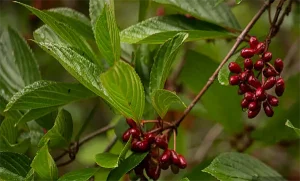
Berberis aristata DC (commonly known as Indian Barberry, Tree Turmeric, or Chitra) has established itself as one of the most critical botanical raw materials in the modern pharmaceutical and nutraceutical supply chains. The primary driver behind the massive global procurement demand for Berberis aristata is its exceptionally high concentration of Berberine—a quaternary ammonium salt from the protoberberine group of benzylisoquinoline alkaloids.
Global buyer groups, including formulation developers, pharmaceutical procurement officers, and functional food manufacturers, consistently look for suppliers that can deliver standardized active components. Berberine HCl derived from Berberis aristata is widely preferred over synthetic variants due to clean-label regulatory policies and high consumer acceptance of plant-derived active ingredients. Market research highlights a steady CAGR of 8.2% for Berberine-based products, driven by clinical trials validating its efficacy in blood glucose regulation, lipid-lowering therapies, and gut microbiota stabilization.
In the global market, Berberis aristata DC extracts are frequently adulterated with cheaper species, such as Berberis vulgaris or synthetic chemicals. High-tier industrial manufacturers mitigate this risk by utilizing advanced fingerprinting techniques, including High-Performance Thin-Layer Chromatography (HPTLC) and Carbon-14 isotopic analysis, ensuring 100% botanical authenticity and natural origin.
While Berberine is the major bio-marker (typically standardized to 97% or 98% in commercial extracts), the therapeutic synergy of Berberis aristata DC is also supported by secondary alkaloids:
Annual Raw Material Processing
Standardized Berberine HCl
Annual Profit in R&D
Certified Facility Standards
Processing Berberis aristata DC at an industrial scale requires robust technology that minimizes alkaloid degradation while ensuring high purity yield. The classical method involves aqueous-alcoholic extraction, which is further optimized using countercurrent extraction systems.
Our partner facilities implement a dynamic multi-stage extraction process:
1. Raw Material Inspection & Milling: The roots and stem bark are milled to a specific mesh size to maximize the surface-to-solvent contact area. Moisture and ash content are strictly verified beforehand.
2. Countercurrent Elution: Using optimized ethanol-to-water ratios, the plant matrices undergo dynamic extraction under controlled temperature zones (typically 50°C - 60°C) to prevent thermal degradation of sensitive benzylisoquinoline alkaloids.
3. Crystallization & Purification: The crude extract is concentrated and treated with food-grade hydrochloric acid to precipitate Berberine Hydrochloride (HCl) crystals, reaching a purity profile of ≥ 97%.

Historically, a critical hurdle for Berberine has been its low oral bioavailability (typically under 5% in human physiology). The industry's next technological shift focuses on enhancing absorption parameters. We are currently researching and engineering synergistic formulations that couple Berberis aristata extracts with bio-enhancers (such as Piperine) or embedding them within liposomal delivery systems and self-microemulsifying drug delivery systems (SMEDDS). These innovations represent a massive market edge for global pharmaceutical clients seeking next-generation metabolic support formulations.

UniCare is a professional supplier of natural active ingredients. Our products are widely used in various fields such as dietary supplement, food, cosmetics and pharmaceuticals. We focus on product development and quality stability, and insist on growing together with our customers around the world.
UniCare has deep cooperation with several excellent Chinese manufacturers who have complete quality management system certifications, including but not limited to GMP, EUGMP, CEP, ISO9001, ISO22000, and HACCP. Each factory has independent testing capabilities and is equipped with advanced and efficient testing equipment to ensure the high quality and long-term stability of each batch of products.
Driving global health forward through scientific integrity and innovation




Standardized manufacturing driven by smart technology systems
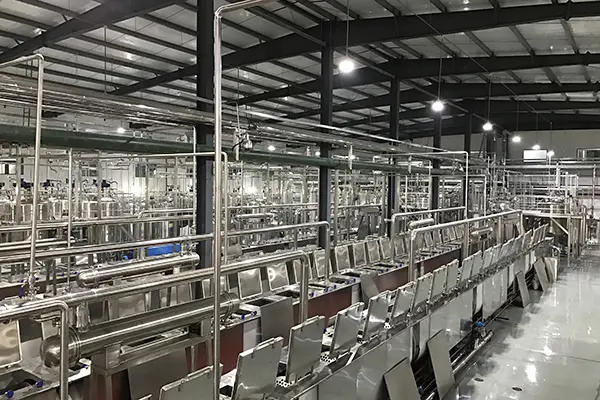
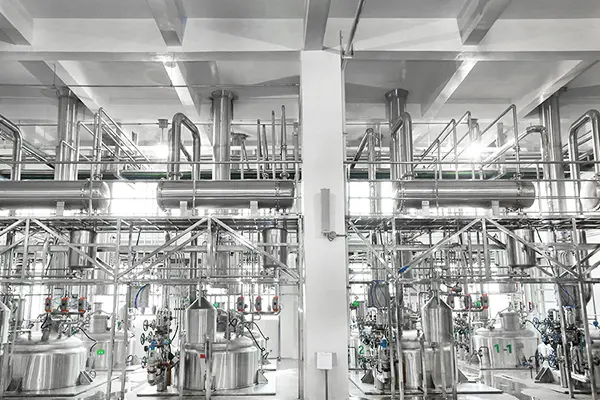
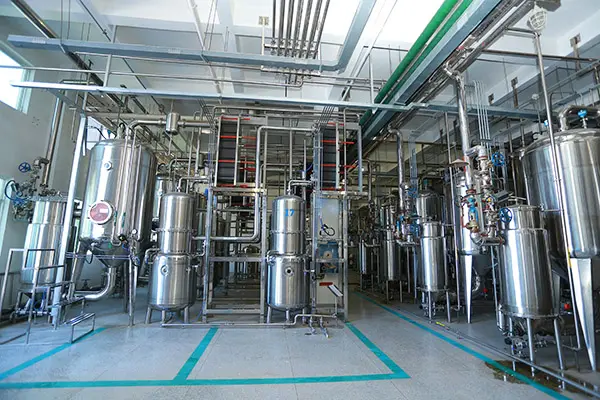
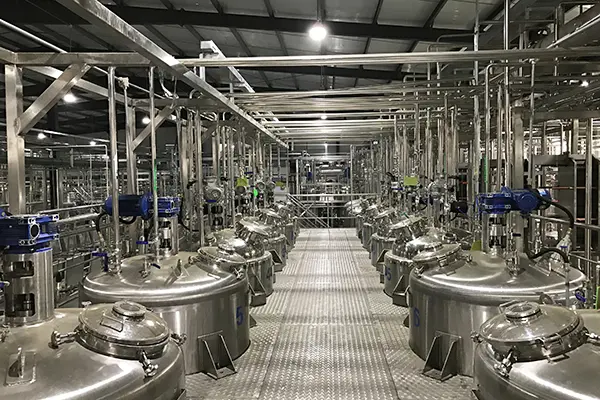
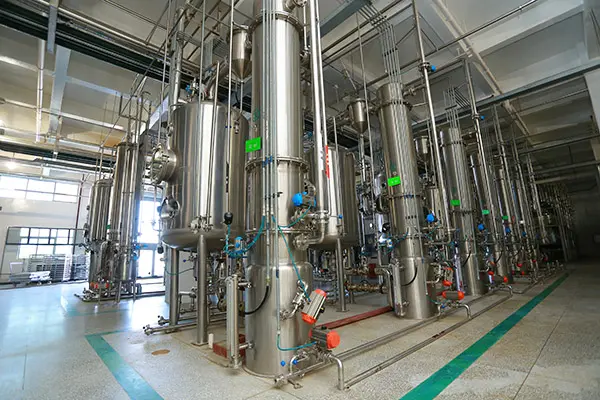
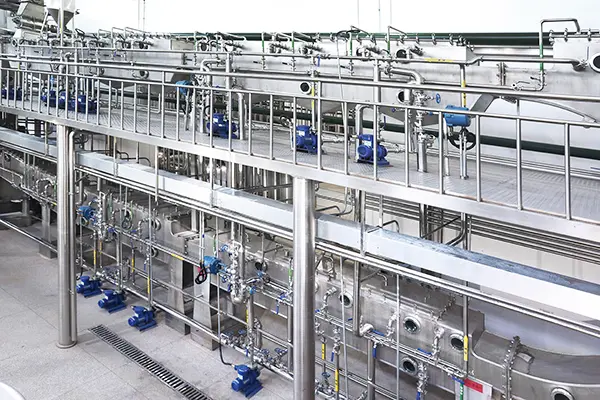
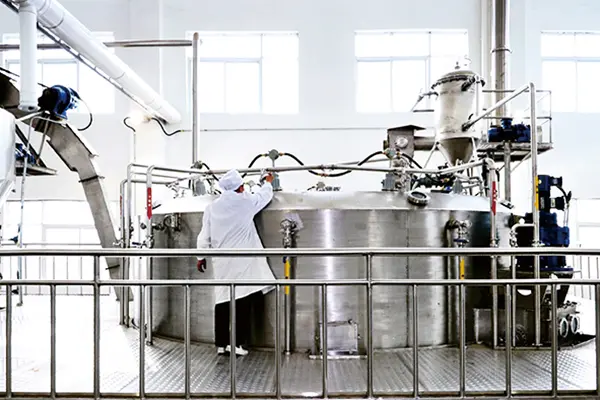
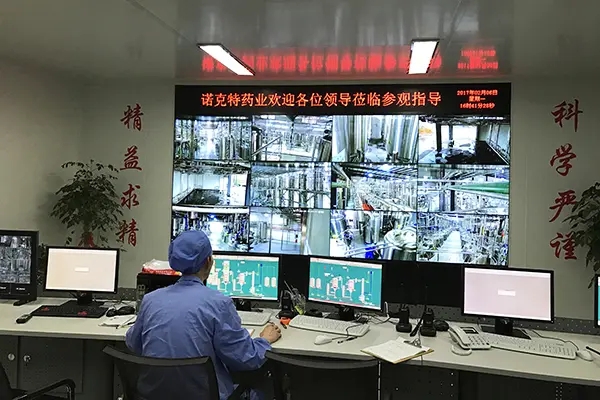
UniCare attaches great importance to the hardware conditions of production equipment and has the largest and most advanced extraction factory in China. The entire production line in UniCare is controlled by a modern, intelligent, automatic control system.
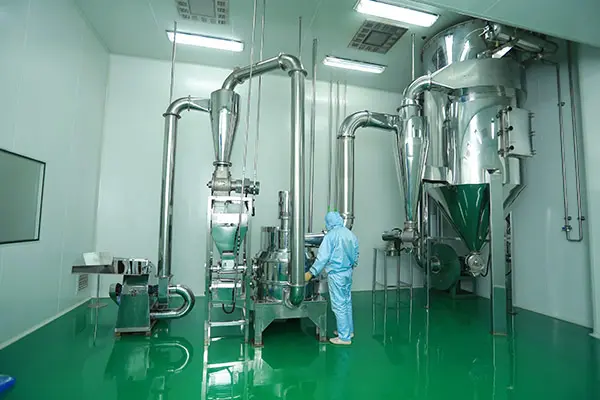
Until now, UniCare has built up two GMP workshops, containing six multi-functional extraction lines, among which there is the only production line for Ginkgo Biloba Extract of acetone process in the whole China. Here are several other production lines including fermentation production lines and Chinese medicine pieces. A total of 30,000 tons of various Chinese medicine plant raw materials can be processed each year.

The manufacturing factory has successfully passed the rigorous China GMP certification process.

The EU-GMP and CEP certifications of Ginkgo Biloba Extract have been certified to meet European pharmacopoeial parameters.

All extraction production lines adopt modern, intelligent, and automated control systems for precision yields.

Equipped with the most advanced industrial extraction systems currently available in China.

High-volume processing capacity of 30,000 tons of raw Chinese medicinal herbs and plant materials annually.

Three annular dynamic countercurrent extraction lines (10t & 15t); two multi-functional extraction lines (32 extraction tanks with six cubic each); one round dynamic countercurrent extraction line (10t).

Own the only acetone process extraction line for Ginkgo Biloba Extract in China that meets the EU GMP standards.
Six large fermentation tanks (20 tons capacity each) specifically engineered for the biotransformation of enzyme-modified products.
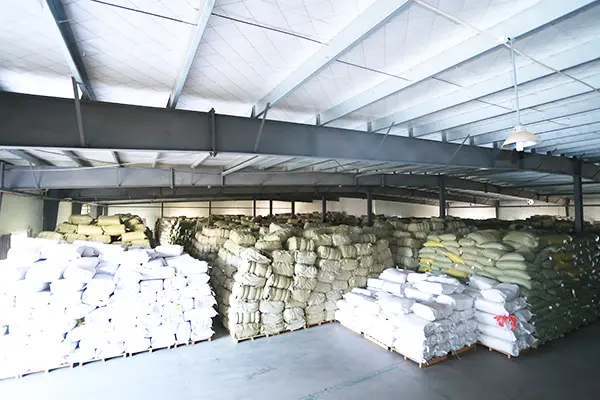
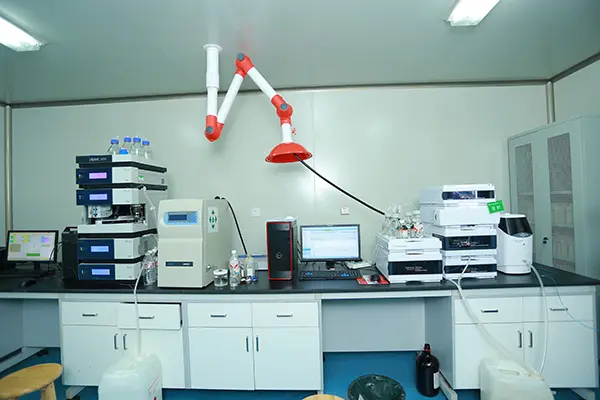
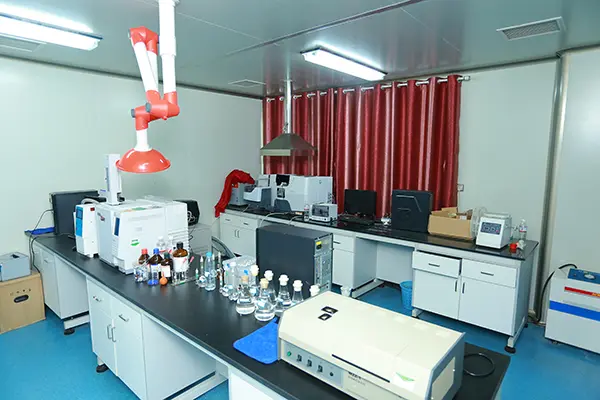
A visual insight into our GMP-compliant plant extraction and testing environment
Precision analytical testing to guarantee botanical compound integrity and safety
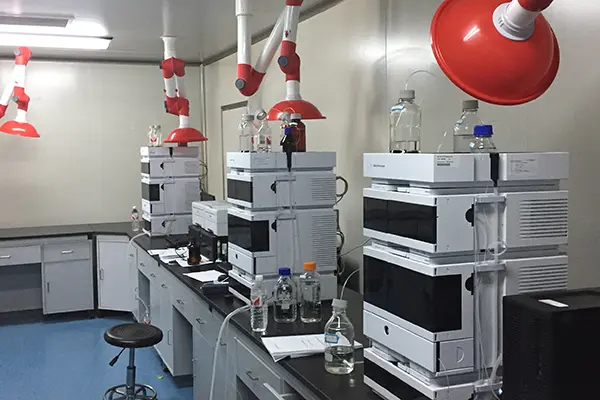
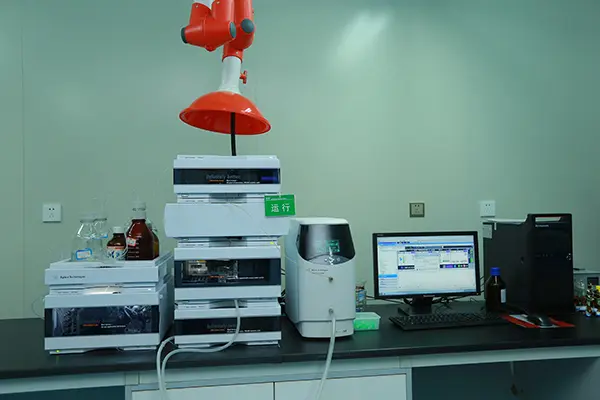
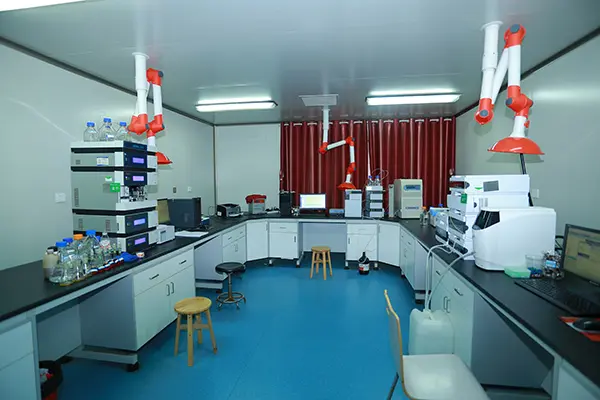
United New Life and UniCare have established a leading and complete quality control system, strictly controlling the high quality of products in accordance with modern quality system frameworks. With advanced testing instruments and strict control of product quality parameters, we ensure that every customer receives stable, safe, and highly effective phytomedicines.
Our analytical range covers: Signature component detection (HPLC or UV), solvent residues (GC), pesticide residues (organochlorine and organophosphorus compounds by GC-MS-MS), heavy metal analysis (lead, arsenic, mercury, cadmium, copper by ICP-MS), microscopic identification, moisture, dry weight loss, ash, microbial limits, thin layer chromatography (TLC) identification, conductivity, pH value, and sulfur dioxide residue analysis.
| Quality Control Category | Analytical Parameters & Scope |
|---|---|
| Active Ingredient Analysis | Quantitative assay validation, HPTLC botanical identification. |
| Hazardous Substance Analysis | Heavy metals (ICP-MS), pesticide residue (GC-MS-MS), solvent residue (GC). |
| Microbial Analysis | Total aerobic count, yeast & mold, Escherichia coli, Salmonella, specific pathogens. |
| Raw Material Control | Origin verification, botanical authenticity, GMO check, allergy origin screening. |
| Laws & Regulations Confirmation | Continuous validation against updated FDA, EFSA, Pharmacopoeia (USP/EP/ChP) rules. |
| Stability Test | Real-time and accelerated stability studies to guarantee industrial shelf life. |
| Physical Analysis | Bulk density, tapped density, mesh/particle size, moisture, total ash, pH value. |
Our Central Lab is qualified by CNAS and equipped with highly advanced chromatography systems. This setup provides our customers with batch-specific Certificates of Analysis (CoA) backed by international calibration standards.
Securing the botanical pipeline from seedling to formulation delivery
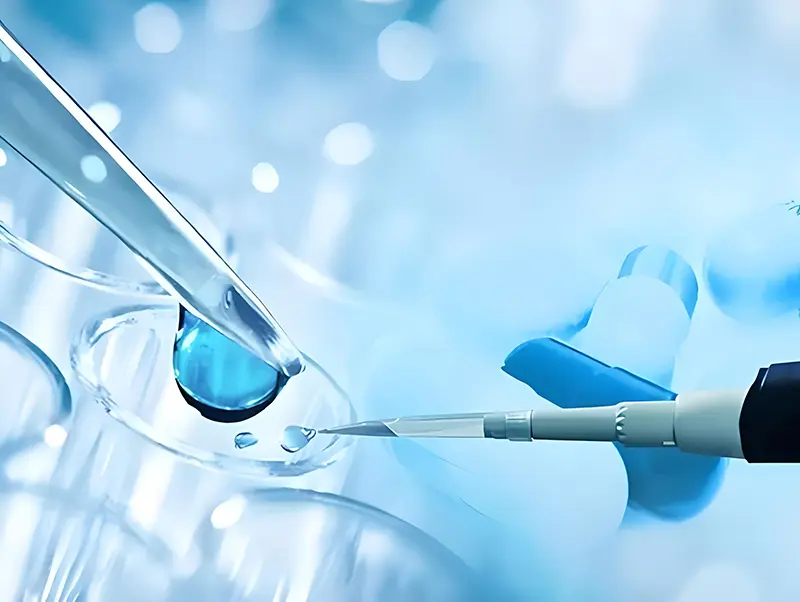
UniCare invests 10% of our annual net profit in research and development. In addition to optimizing and developing the existing natural plant extraction process, we have also established a professional R&D department for natural fermentation products. By increasing investment in natural fermentation products, we try to break through traditional processes and drive industry development.
UniCare has deep cooperation with Beijing University of Chemical Technology in the field of fermentation, jointly developing and transforming new raw materials of pharmaceutical, cosmetic, and natural health products into mass-produced products.
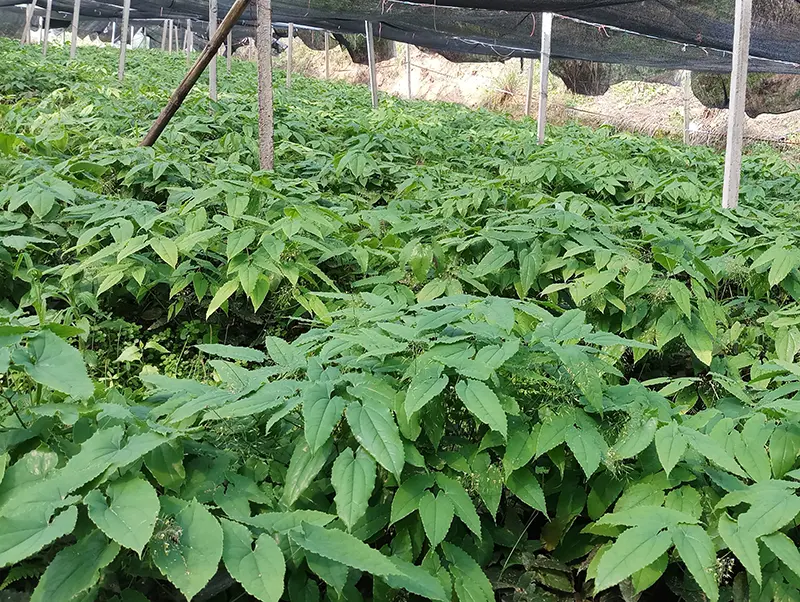
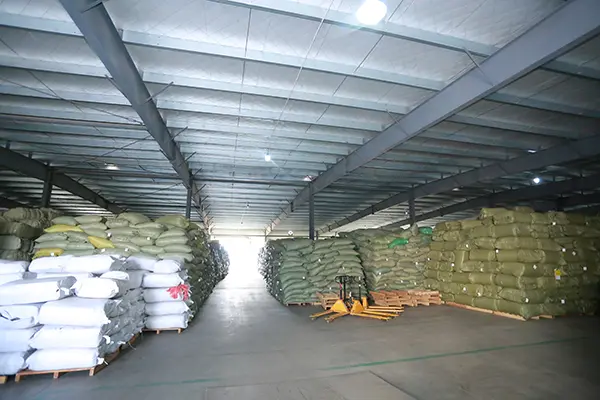
In order to control raw materials more efficiently and with higher quality, a raw material procurement system has been established, which extends procurement to every piece of planting land and can trace the raw materials of each batch of products. The storage of raw materials is operated according to the advanced quality management system process, and the content of active ingredients, moisture, ash, heavy metals, pesticide residues and other items of raw materials are strictly controlled.
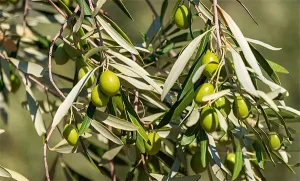
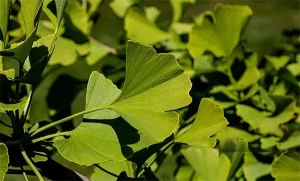
At the same time, in order to further ensure the high quality of important products, UniCare cooperated with planting farmers to establish ginkgo leaf planting bases, epimedium planting bases, phellodendron planting bases, and olive leaf planting bases. Some of these bases are planted strictly in accordance with the GACP management model. In addition, we cooperate with seedling research and development companies to develop high-content seedling cultivation, and cultivate better seedlings through hybridization or gene optimization, so as to continuously reduce unit costs to benefit users.
Key technical and procurement insights for commercial buyers of Berberis Aristata DC
Premium ingredients processed at our state-of-the-art Chinese extraction facilities