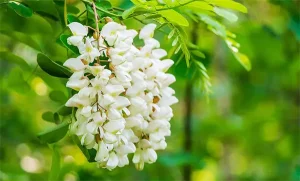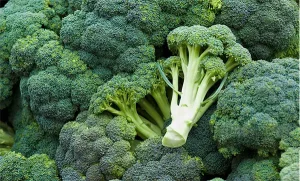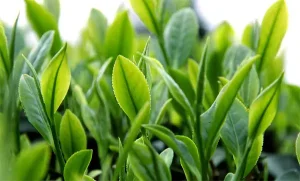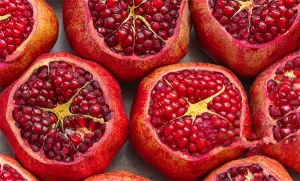
Explore our primary botanical and bio-fermented ingredients engineered under rigorous GMP control systems for optimal bio-availability and therapeutic consistency.
Pioneering Natural Active Ingredients & Bio-Fermented Technical Formulations for Global Markets
UniCare is a professional, technology-driven supplier of natural active ingredients, bio-nutrients, and plant extracts. Our product offerings are integrated deep within the global supply chains of the dietary supplement, functional food, cosmetic, and pharmaceutical industries. By focusing heavily on rigorous research and development alongside quality stability, we strive to engineer long-term value for B2B procurement partners worldwide.
We maintain active, deep-tier structural collaborations with several of China's most advanced manufacturing plants. Each of these facilities operates under complete quality management system certifications, including GMP, EU-GMP, CEP, ISO9001, ISO22000, and HACCP. Our unified production architecture relies on independent analytical laboratories utilizing highly sophisticated testing instrumentation, guaranteeing the long-term stability and potency of every shipment.

An In-Depth Technical Guide to Bio-Fermented Autolyzed Yeast Extracts, Natural Flavor Profiles, and Global B2B Supply Dynamics
English Yeast Spread, historically derived from the concentrated by-products of the brewing industry, has transitioned from a traditional consumer condiment to an indispensable technical ingredient within the global food processing, flavor manufacturing, and nutritional sectors. Industrially referred to as autolyzed yeast extract paste, this material is highly valued for its dense concentration of free amino acids (especially natural glutamic acid), 5'-ribonucleotides (guanosine monophosphate [GMP] and inosine monophosphate [IMP]), B-complex vitamins, and essential minerals.
In modern industrial food science, yeast spread acts as a powerhouse for "Umami" enhancement. The global clean-label movement has accelerated the demand for yeast extracts as alternative flavor enhancers to replace synthetic Monosodium Glutamate (MSG) and hydrolyzed vegetable proteins (HVP). By providing deep, savory base notes, food scientists utilize English yeast spread and its dehydrated equivalents to build roundness, mouthfeel, and complexity in processed foods, plant-based meat analogues, vegan dairy substitutes, ready-to-eat meals, and clinical nutritional formulas.
The manufacturing process of high-grade English yeast spread rests upon the controlled, bio-chemical process of autolysis using food-grade yeast strains, primarily Saccharomyces cerevisiae. Unlike chemical hydrolysis, which uses aggressive acids to break down proteins, autolysis leverages the yeast cell's own endogenous enzymes (proteases, nucleases, and glucanases) to digest the cell contents.
The technical process involves several precision phases:
Our global wholesale distribution channels serve diverse localized application profiles, each requiring tailored product formulations:
A. Culinary and Retail Spreads (UK, Australia, & Commonwealth Markets): The classic consumer formulation of English yeast spread requires a highly viscous, spreadable paste with a signature salty-savory bite. Here, we balance the autolysis rate to maintain high levels of natural riboflavin (Vitamin B2), niacin (B3), thiamine (B1), and cobalamin (B12), delivering both the traditional flavor profile and the required daily nutritional reference values.
B. Plant-Based Meat Analogues (North America & European Union): Technical buyers utilize our autolyzed yeast ingredients to mask off-flavors associated with soy, pea, and wheat proteins. The high naturally occurring glutamic acid and nucleotide content in yeast extract works synergistically to recreate the authentic mouthfeel, fat-like richness, and savory satisfaction of beef or chicken broth.
C. Industrial Soup, Sauce, and Snack Formulations (Global Markets): Dried yeast extracts and paste spreads are integrated into seasoning mixes, dehydrated soups, instant noodles, and savory snack coatings. Because yeast extracts remain highly stable under thermal processing (retort, baking, and extrusion), they maintain their sensory properties throughout demanding production cycles.
D. Cosmetic and Clinical Nutrition (Asia-Pacific Region): Yeast autolysates are widely integrated into fermentation media and cosmetic skin-care formulations. The abundance of free amino acids and nucleic acids acts as an exceptional cellular nutrient source, supporting skin barrier recovery and microbiological growth media requirements.
To maintain a market-leading position, UniCare and its manufacturing partners invest heavily in future biotechnology horizons. Our technology roadmap focuses on three core pillars:
The guiding values driving our scientific approach and market integration

Discover and create the new value of herbs and bio-ferments.

Continuous innovation and improvement across all technical pathways.

Utilizing advanced technology to produce the highest quality products.

Promote employee happiness and actively give back to the community.
Leveraging raw material density, advanced automation, and massive production capacities to guarantee supply security

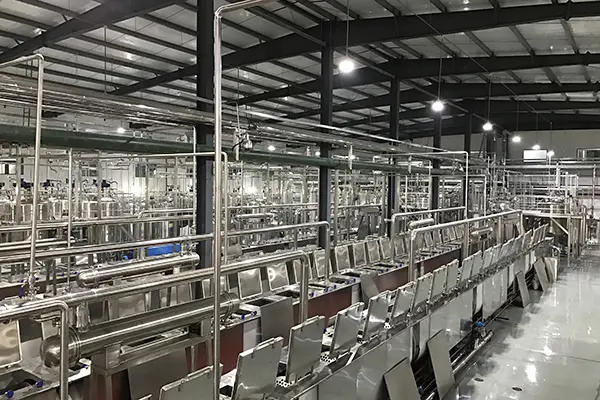
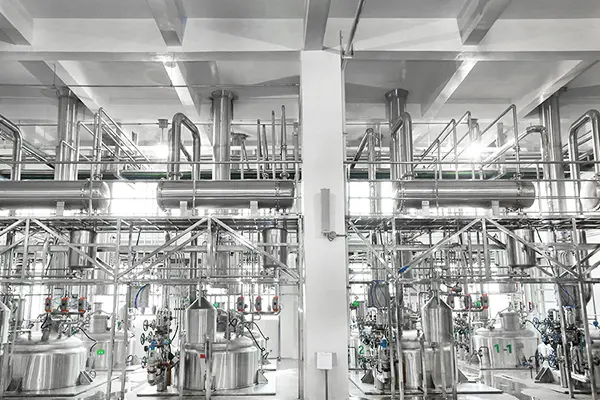
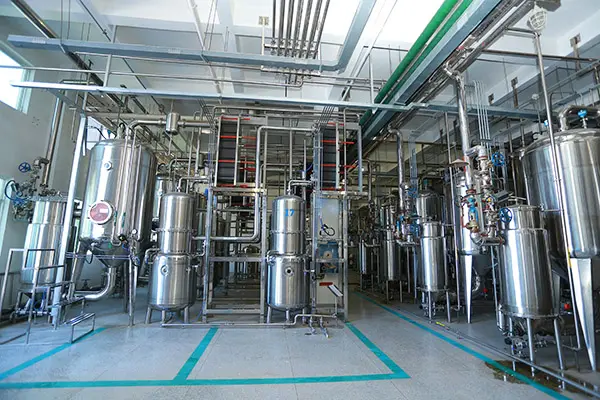
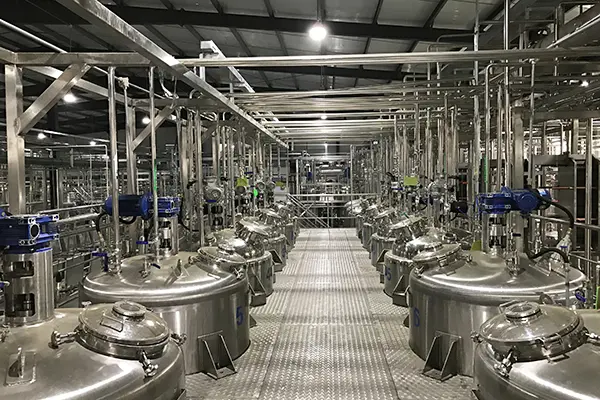
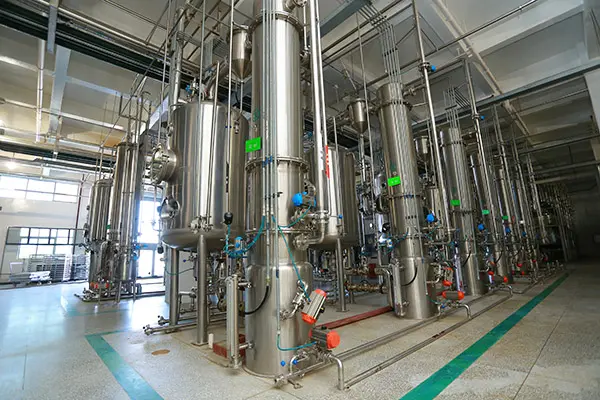
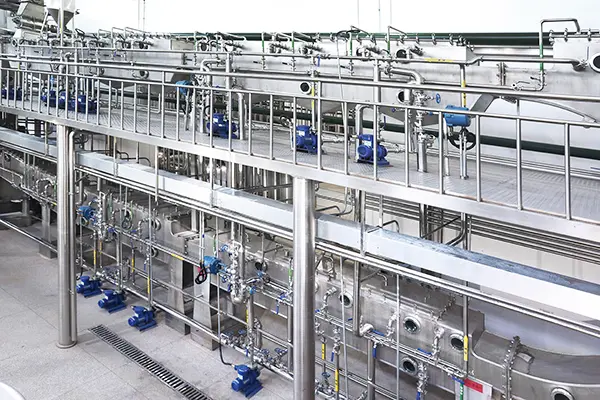
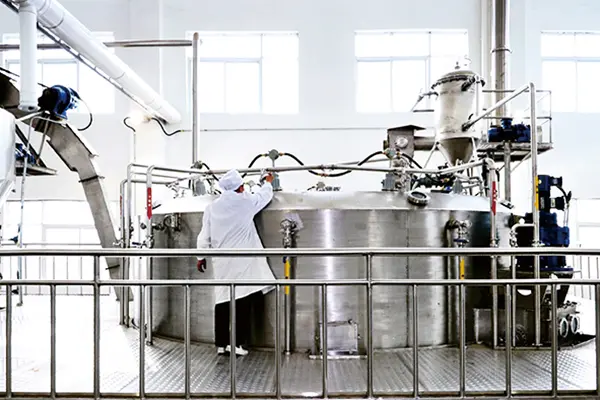
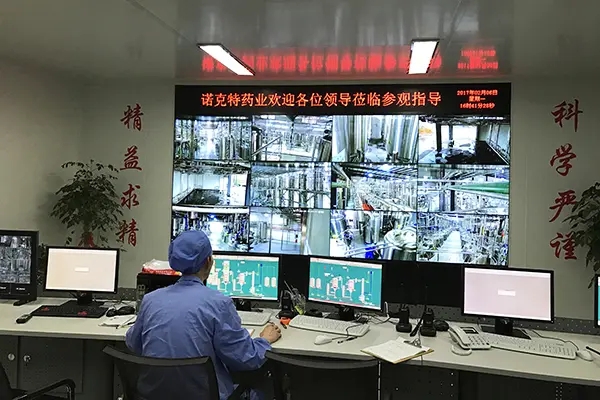
UniCare attaches immense structural importance to physical manufacturing infrastructure, utilizing some of the largest and most advanced extraction and fermentation factories in China. Our central manufacturing complex runs on automated, modern, and intelligent control networks that govern every critical point from inoculating cultures to final spray-drying or paste packaging.
This massive scale includes two state-of-the-art GMP workshops housing six multi-functional extraction lines. Among these is China's only acetone-process extraction line for Ginkgo Biloba Extract that complies with EU-GMP and CEP regulations. Additionally, we run specialized fermentation lines containing six massive 20-ton fermentation tanks. These systems allow us to process a combined total of 30,000 tons of botanical and bio-fermented raw materials annually, absorbing market fluctuations and providing highly competitive cost structures to B2B clients.

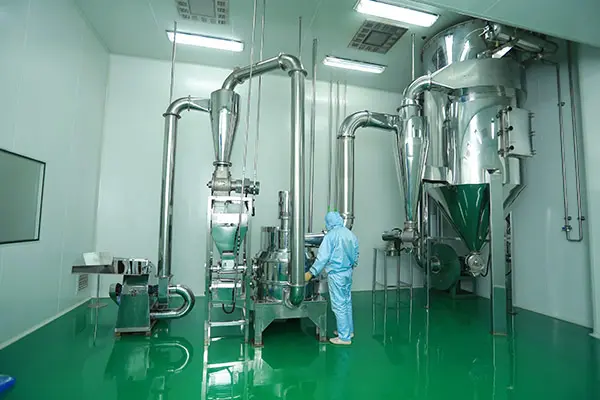
Our partner factories have officially passed rigorous China GMP certifications, ensuring all production lines meet standard pharmaceutical-grade cleanliness levels.

The Ginkgo Biloba Extract line holds EU-GMP and CEP certifications, illustrating our compliance capability with the most demanding regulatory frameworks globally.

Our extraction and fermentation lines are fully automated via modern DCS control platforms, ensuring batch-to-batch chemical and biological consistency.

Equipped with China's most advanced industrial extraction systems, designed to maximize yield and minimize trace environmental footprints.

Our capacity to process 30,000 tons of botanical and organic raw materials annually provides significant economies of scale, benefiting the bottom lines of our global partners.

Operating three annular dynamic countercurrent lines (10t & 15t) and two multi-functional lines featuring 32 extraction tanks with a capacity of 6 cubic meters each.

We host the only acetone-based extraction line for Ginkgo Biloba Extract in China that fully complies with strict EU GMP standards.
Six large-scale fermentation tanks (20-ton capacity each) are utilized for custom enzymatic modifications and bio-engineered ingredients.
A visual insight into our advanced cleanrooms, extraction vessels, and automated control hubs
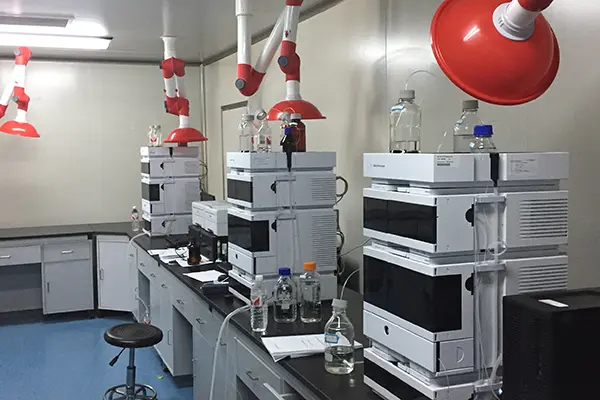
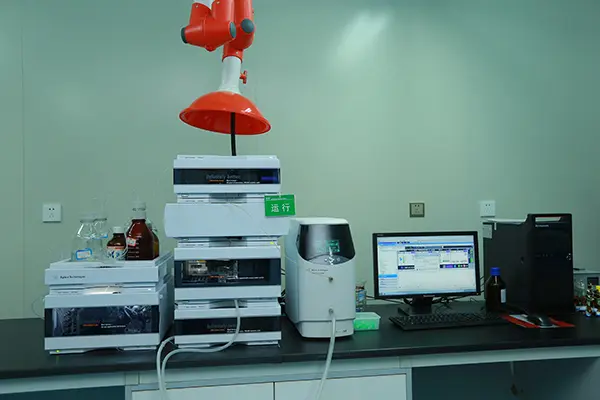
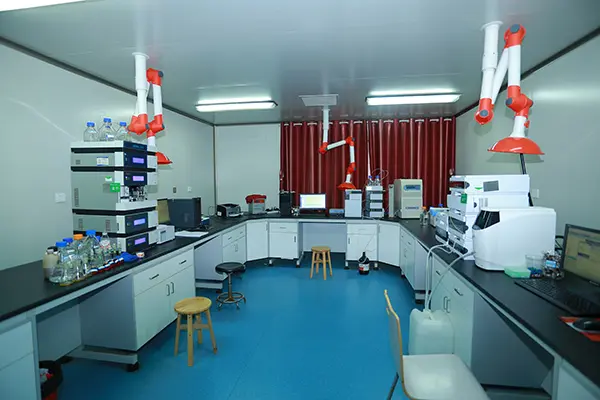
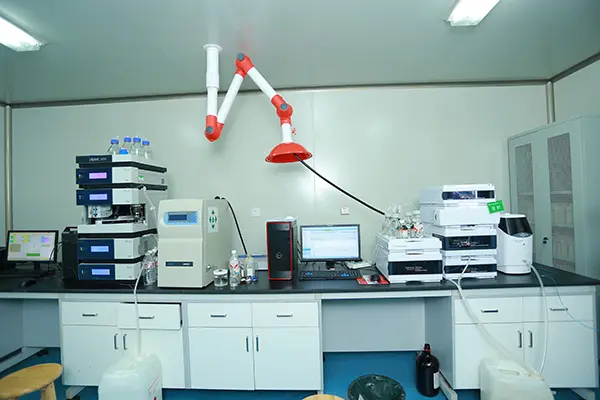
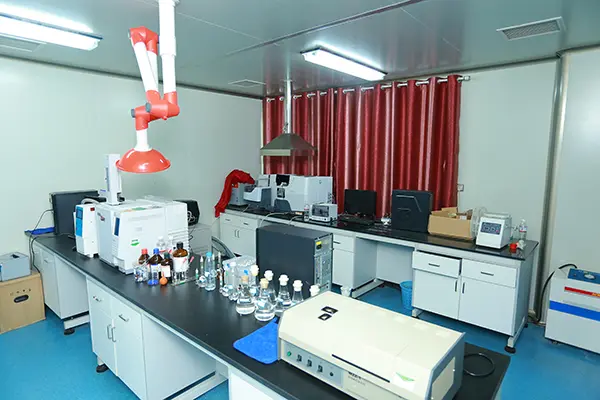
Advanced analytical laboratories running HPLC, GC-MS-MS, and ICP-MS testing systems for absolute security
At UniCare, quality control is not a check-box step; it is the foundation of our entire operation. We have established a comprehensive quality management system that ensures traceability from seed cultivation and initial raw materials straight through to the packed batches of yeast extracts and botanical active ingredients. Our central analytical laboratory is certified under CNAS standards, reflecting our capability to issue precise, globally accepted certificate of analysis profiles.
Our laboratory infrastructure is equipped to detect and control: active botanical ingredient levels via HPLC/UV, volatile organic compounds and solvent residues via Gas Chromatography (GC), pesticide residues (organochlorine and multi-residue panels) using advanced GC-MS-MS systems, heavy metal profiles (lead, arsenic, mercury, cadmium, copper) through ICP-MS, alongside micro-identification, microbial limit testing, pH values, ash content, and sulfur dioxide levels.
| Quality Control Segment | Specific Analytical Items & Parameters Tested |
|---|---|
| Active Ingredient Analysis | Assay testing, peak-pattern identification, HPLC fingerprint validation. |
| Hazardous Substance Analysis | Heavy metals profiling, multi-residue pesticide screen, residual solvents analysis. |
| Microbial Safety Analysis | Total aerobic bacterial count, Escherichia coli, yeast & mold, specific pathogen screening. |
| Raw Material Control | Origin verification, GACP agricultural trace audit, non-GMO status validation, allergen screening. |
| Regulatory Regulatory Compliance | Cross-border regulatory alignment, matching parameters to specific Chinese, US FDA, and European Pharmacopoeia standards. |
| Stability Validation | Real-time and accelerated shelf-life studies ensuring stability under various climate zones. |
| Physical & Chemical Testing | Bulk density, tapped density, moisture content, total ash, particle size distribution, pH value, optical rotation. |
| Analytical Equipment Model | Operational Function & Testing Capability |
|---|---|
| UHPLC, Agilent 1290 (×2) | Ultra-high-pressure liquid chromatography for rapid, high-resolution active component quantification. |
| HPLC, Agilent 1260 (×4) | Standard high-performance liquid chromatography for assay, impurity, and active-ingredient profiling. |
| HPLC, Shimadzu LC-20AT (×2) | Dual-system HPLC utilized for routine raw-material screening and batch release testing. |
| ELSD, Shimadzu 2000ES (×2) | Evaporative light scattering detectors specialized in quantifying non-UV active lipids and sugars. |
| Shimadzu GC-2010 (×1) | Gas chromatography system specialized in trace residual solvent detection. |
| Shimadzu AA-7000 (×1) | Atomic absorption spectrophotometer for high-sensitivity trace heavy metal detection. |
Securing raw material potency through genetic lineage control and scientific farming methodologies
UniCare reinvests 10% of our annual net profit directly back into our research and development programs. Beyond refining our botanical extraction systems, we have built a dedicated R&D laboratory specialized in natural bio-fermentation. This scientific focus allows us to break through yield limitations of traditional extraction processes, presenting alternative paths to natural product synthesis.
In the field of fermentation, we hold deep collaborative structures with the prestigious Beijing University of Chemical Technology. Together, we work on transforming next-generation raw materials for the pharmaceutical, cosmetic, and clinical health industries into stable, mass-produced ingredients.

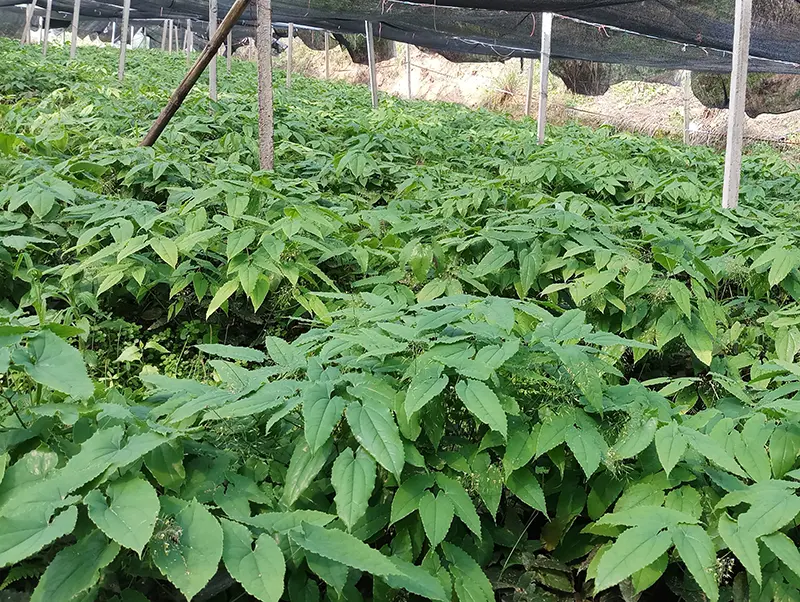
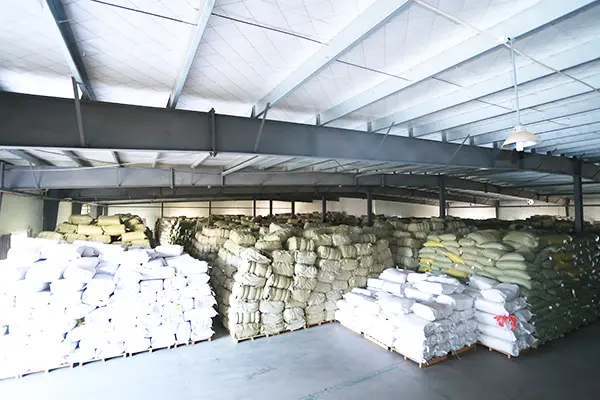
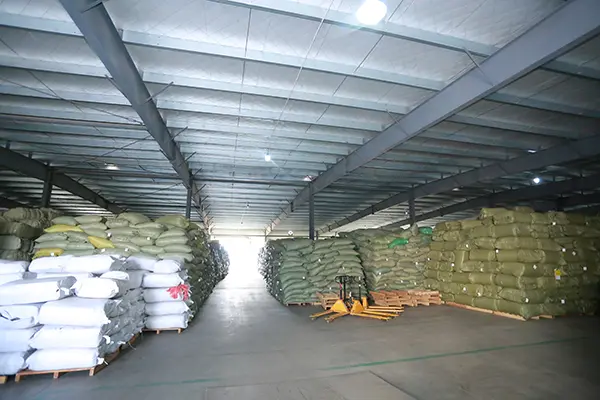
To control raw material quality at the absolute origin, we have established direct supply and agricultural partnership agreements extending to the physical cultivation land, enabling batch-level traceability. Our raw material storage centers utilize strict quality protocols to control moisture, total ash, biological load, and pesticide inputs before shipping materials to the production facility.
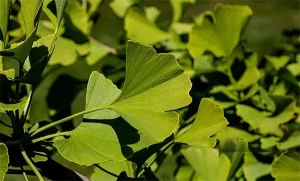
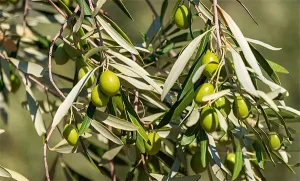
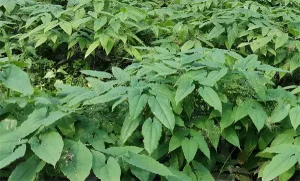
Furthermore, UniCare works directly with local farming communities to operate dedicated cultivation bases for Ginkgo Biloba leaves, Epimedium, Phellodendron, and Olive leaves. These agricultural operations are managed in compliance with GACP (Good Agricultural and Collection Practice) guidelines. Simultaneously, we partner with specialized seedling R&D laboratories to design high-yield botanical cultivars, optimizing active constituent density at the agricultural level and reducing unit costs for our partners.
Answers to critical questions asked by procurement officers, flavor scientists, and regulatory managers
Our wholesale English Yeast Spread (paste) typically has a shelf life of 24 months when stored in original, unopened containers in cool, dry conditions (ideally below 20°C). The high dry-matter concentration (exceeding 70%) and naturally low water activity act as a preservative against microbiological spoilage.
Yeast extracts are naturally rich in 5'-nucleotides (GMP/IMP) and free glutamic acid. When formulated into food systems, these organic molecules act synergistically with salt (sodium chloride), enhancing taste receptors on the tongue. This allows developers to reduce total sodium addition by 20% to 30% while retaining equivalent sensory satisfaction.
Yes. All yeast strains utilized in our production process (specifically Saccharomyces cerevisiae) are screened using conventional selective breeding methods. We do not employ recombinant DNA technologies or genetically modified organisms, ensuring full compatibility with global Non-GMO specifications.
Our manufacturing and processing facilities operate under ISO9001, ISO22000, HACCP, GMP, and EU-GMP certifications. We can also provide Kosher and Halal certified batches depending on B2B customer requirements.
Our unique EU-GMP compliant acetone extraction line uses a highly controlled ratio of acetone and water. This specific solvent system maximizes the yield of beneficial ginkgo flavone glycosides and terpene lactones while strictly minimizing ginkgolic acids to less than 5 ppm, meeting international pharmacopoeia safety parameters.
Standard minimum order quantities for our botanical extract powders and bio-fermented ingredients start at 25kg (packaged in food-grade fiber drums). For bulk liquid or paste-form yeast spreads, customized packaging sizes (from 25kg buckets to 1000kg IBC totes) are available, with MOQs varying by product specification.
Connect with UniCare's global technical sales team to request samples, technical specification sheets, or standard pricing parameters.
Contact Us TodayConsistent quality control across our botanical active ingredients and functional compounds