Explore our premium selection of natural active ingredients sourced with strict raw material traceability and processed under verified GMP conditions.
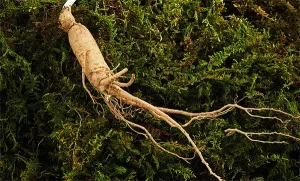
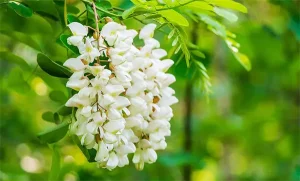
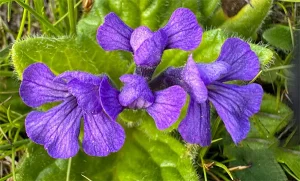
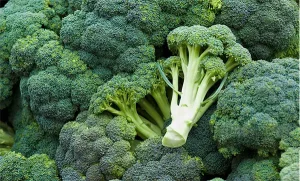
Comprehensive overview of the supply chain kinetics, extraction parameters, and emerging application scenarios of Rutin (Quercetin-3-O-rutinoside).
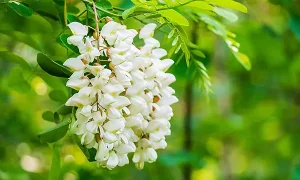
Rutin, a prominent plant-derived bioflavonoid (specifically a flavonol glycoside comprised of quercetin and the disaccharide rutinose), serves as a cornerstone ingredient across the global pharmaceutical, nutraceutical, cosmetics, and functional food sectors. Extracted primarily from the dried flower buds of Sophora japonica L. (pagoda tree) and buckwheat plants, Rutin is renowned for its exceptional antioxidant properties, microvascular protection, and ability to mitigate oxidative stress.
In the contemporary global trade paradigm, the demand for bulk Rutin has grown exponentially. As clinical research continues to establish the synergistic effects of Rutin in combination with other active elements (such as Vitamin C and Quercetin), international formulators are prioritizing partnerships with manufacturing facilities that guarantee strict quality standardizations matching USP, EP, and JP pharmacopoeias.
China accounts for over 80% of the world's commercial Sophora japonica raw material production. The processing and refining technologies developed by top-tier suppliers determine the global pricing index. Factors such as environmental compliance, extraction solvent residues, and regional agricultural pesticide limits directly dictate supply chains.
Standard Rutin exhibits limited water solubility, limiting its application in beverage and liquid formulations. Advanced industrial suppliers now focus on micronization and glycosylation techniques to address these biological bottlenecks.
Both FDA and EFSA have tightened regulatory criteria concerning heavy metals, PAH (Polycyclic Aromatic Hydrocarbons), and pesticide residues in botanical extracts. Strict compliance is essential for entry into high-value European and North American markets.
Clean-label extraction using ethanol-water co-solvent processes has replaced chlorinated solvent methods, ensuring ecological sustainability and high purity output.
A professional supplier of natural active ingredients committed to the global stability of natural phyto-compounds.


Driving scientific breakthroughs and establishing trust in natural raw materials.

Unearthing and developing the latent physiological value of natural herbs.

Persistent process optimization to enhance purity and resource efficiency.

Employing high-precision isolation technology to deliver premium materials.

Nurturing happy employee ecosystems and giving back to the community.
Operating the most advanced intelligent botanical extraction platform in China.
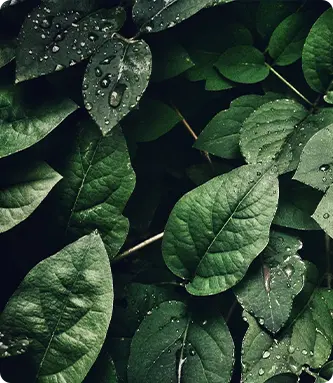
UniCare prioritizes manufacturing hardware and control systems. We partner with advanced, high-scale extraction sites in China. The entire production sequence is modulated by smart, automated control infrastructures.
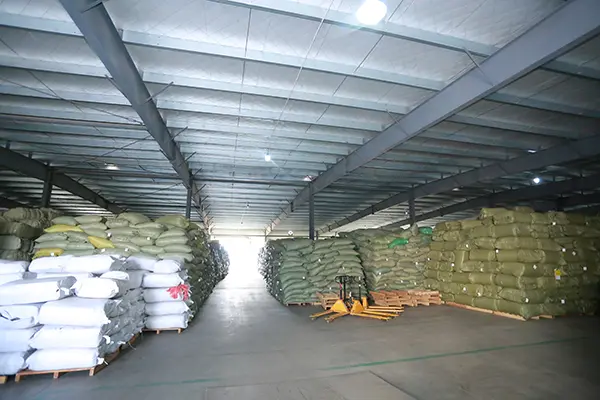
Currently, our partners support two GMP-certified workshops containing six multi-functional industrial extraction lines. This includes the only Acetone Process Ginkgo Biloba Extract production facility in China that complies with EU-GMP and CEP requirements. With a combined processing capacity exceeding 30,000 tons of botanical raw material annually, we offer secure supply chains for large-scale operations.
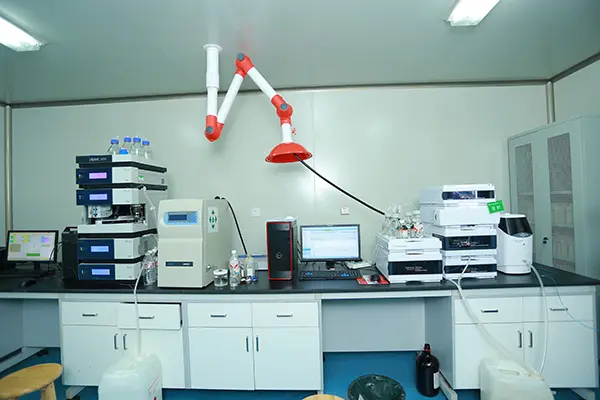
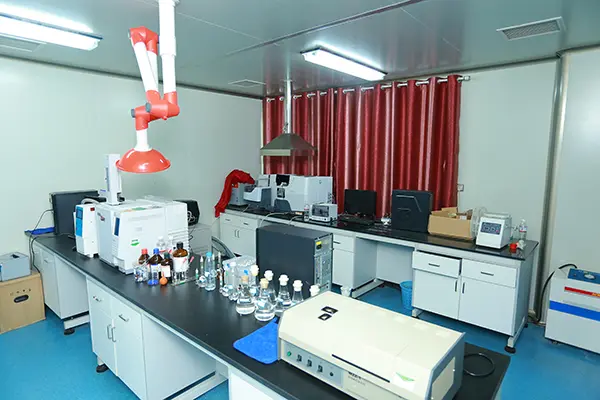
Visual evidence of our manufacturing scale, instrumentation facilities, and planting bases.
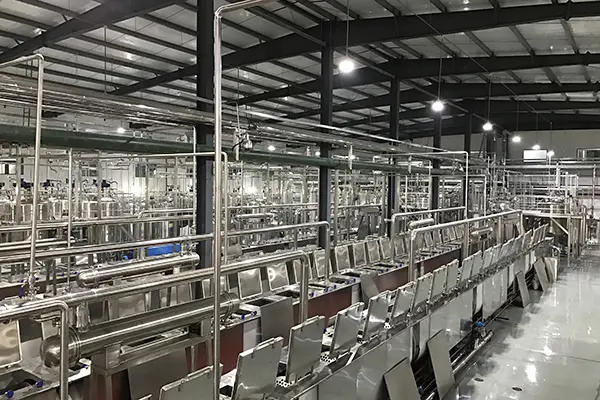
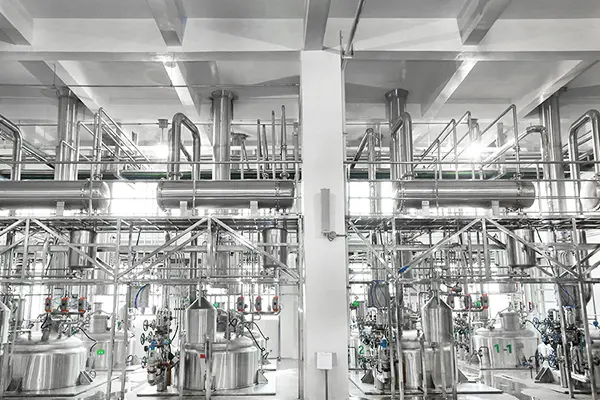
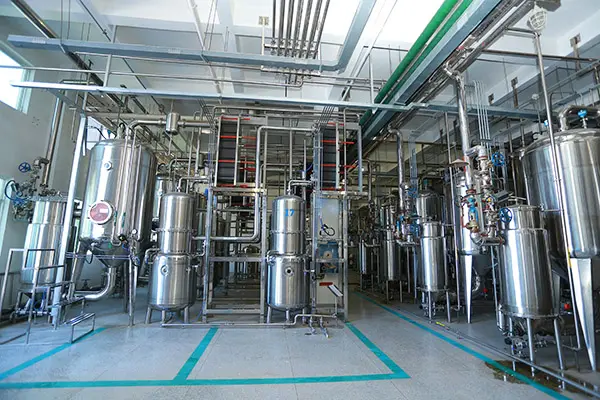
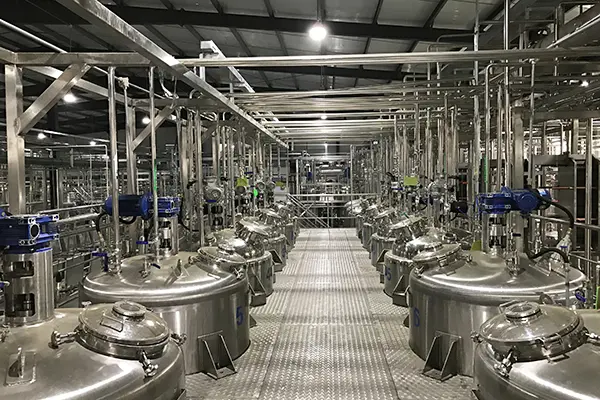
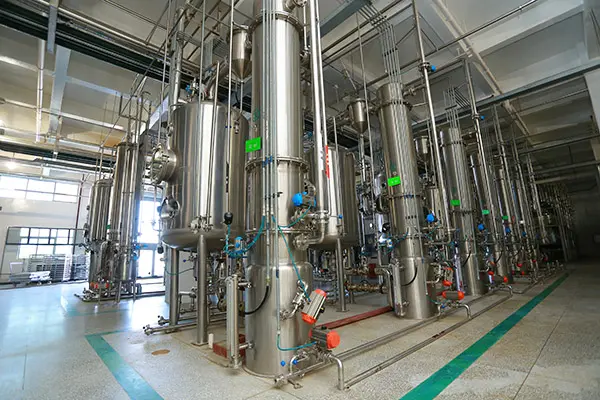
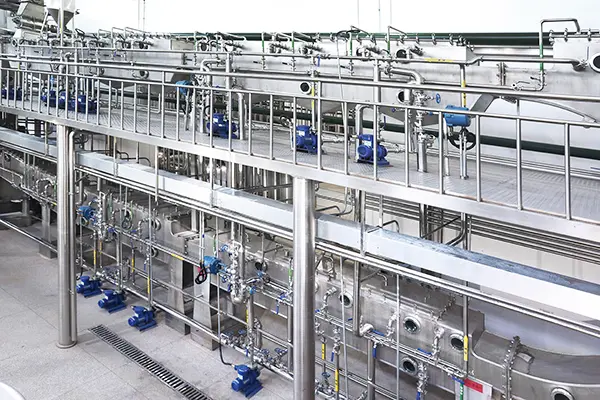
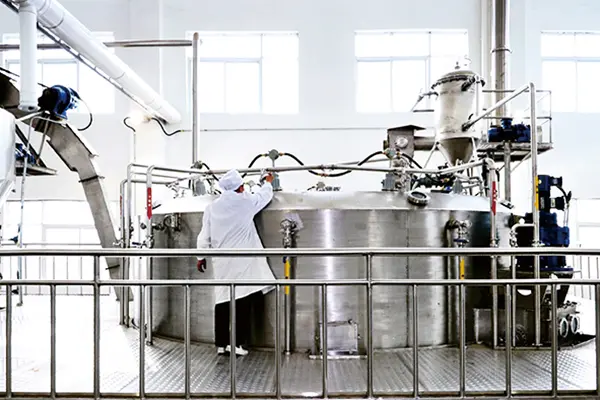
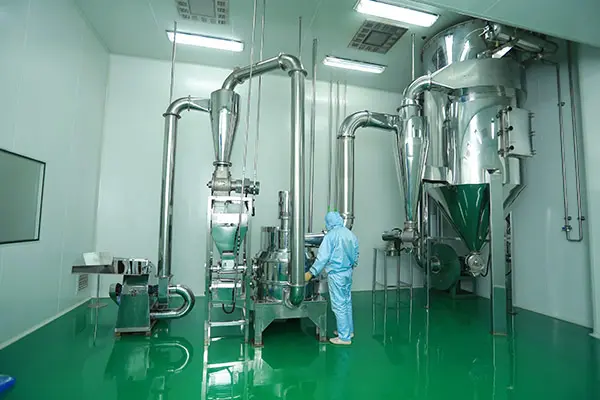
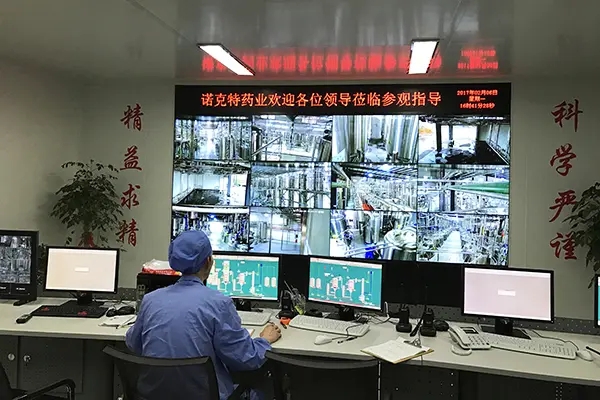
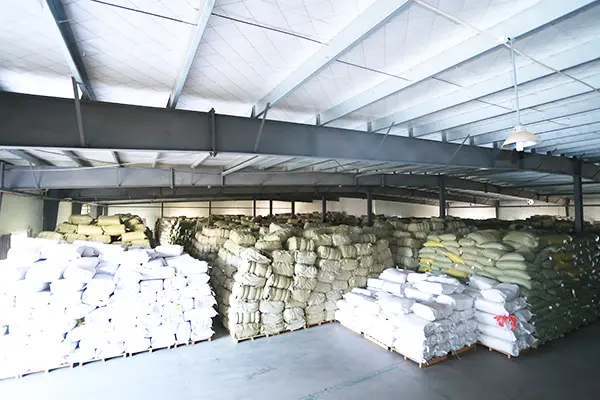
Our commitment to E-E-A-T: Strict analytical testing for chemical and physical properties.
| Instrument Category | Manufacturer & Model Details | Primary Testing Application |
|---|---|---|
| UHPLC (Ultra High Performance Liquid Chromatography) | Agilent 1290 (2 Units) | Ultra-fast fingerprint identification, high resolution purity check of active compounds. |
| HPLC (High Performance Liquid Chromatography) | Agilent 1260 (4 Units) & Shimadzu LC-20AT (2 Units) & Dionex CU3000 (2 Units) | Routine assays, quantitative screening of flavonoid glycosides, impurities profiling. |
| GC (Gas Chromatography) | Shimadzu GC-2010 (1 Unit) | Residual solvent testing, low-boiling organic compound verification. |
| AAS (Atomic Absorption Spectroscopy) | Shimadzu AA-700 (1 Unit) | Accurate heavy metals screening (lead, cadmium, arsenic, mercury limits). |
| ELSD (Evaporative Light Scattering Detector) | Shimadzu 2000ES (2 Units) | Testing non-chromophoric lipids, saponins, and sugars. |
| Analytical Domain | Standard Parameters Checked |
|---|---|
| Active Ingredient Analysis | Assay profiling, structural identification, UV/HPLC chromatogram comparison. |
| Hazardous Substance Analysis | Heavy metals (ICP-MS), pesticide residue panels, extraction solvent limits (GC). |
| Microbe Analysis | Total Aerobic Microbial Count (TAMC), Yeast & Mould, Salmonella, Escherichia coli. |
| Raw Material Control | Botanical identity, origin trace, GMO status verification, allergen evaluation. |
| Regulatory Alignment | Verification of regional compliance (FDA, EU Regulations, China GB). |
| Stability Validation | Accelerated and long-term stability testing under varying temperature/humidity. |
| Physical Characteristics | pH value, moisture, ash, optical rotation, bulk/tapped density, particle size distribution. |
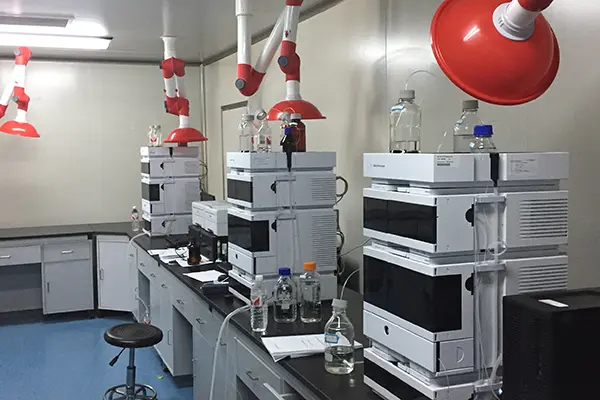
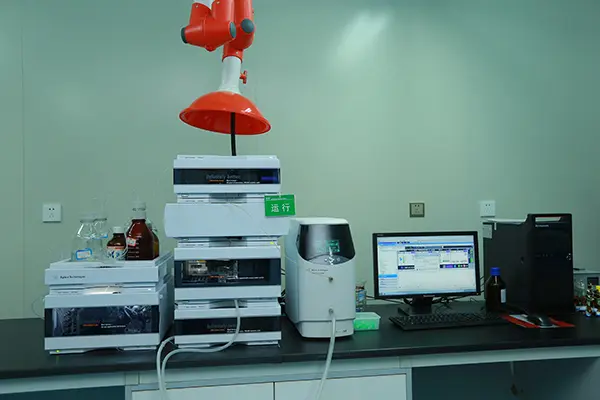
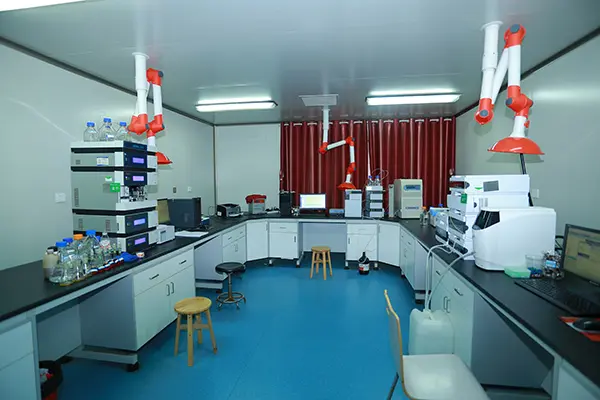
Bridging academic research with sustainable raw material sourcing.
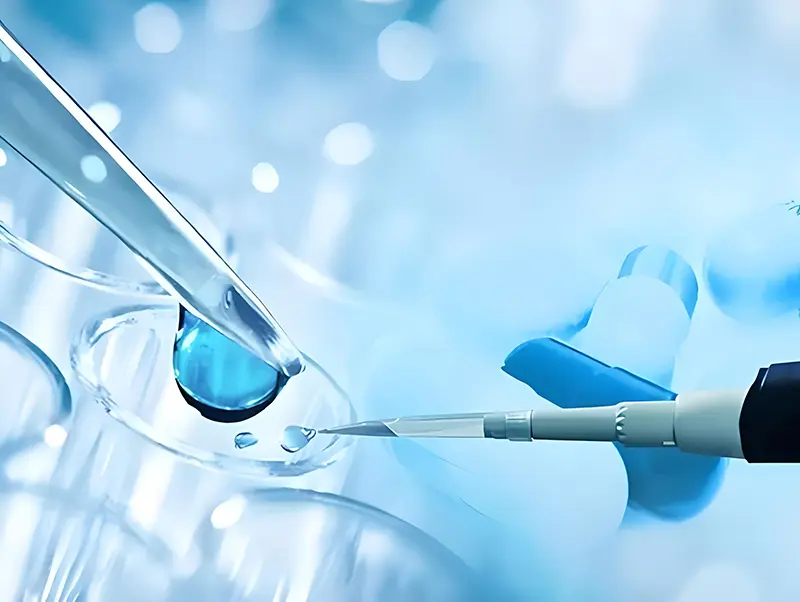
UniCare directs 10% of our annual net profit into research and process optimization. Beyond refining existing extraction methods, we have established an independent R&D cell specialized in natural fermentation. This biocatalytic direction optimizes traditional phytochemistry.
We collaborate with the Beijing University of Chemical Technology in the field of fermentation, developing and scaling cosmetic, pharmaceutical, and dietary active ingredients.
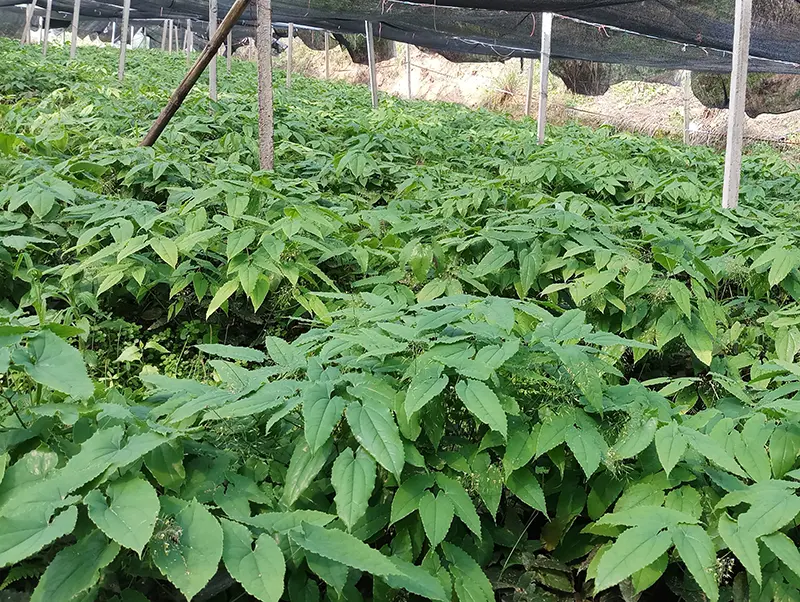
Quality control starts at the cultivation stage. Our sourcing tracking reaches the individual farm level, providing full traceability for every batch. The storage and processing of raw crops follow standard quality management protocols, checking parameters like moisture, ash, and heavy metals.
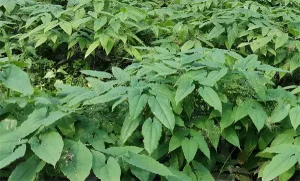
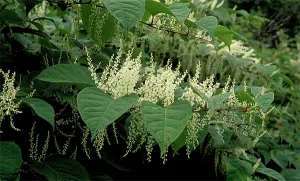
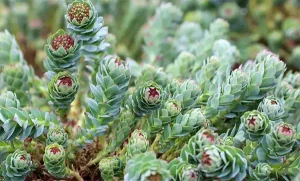
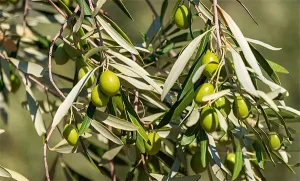
To secure raw materials, UniCare operates cooperative planting bases for Ginkgo leaf, Epimedium, Phellodendron, and Olive leaf. Several of these bases are managed under the GACP (Good Agricultural and Collection Practice) model. Through hybridization and selection, we support seedling research to optimize active compound levels and manage processing costs.
Exploring the industrial extraction parameters and global applications of high-purity Rutin.
High-grade Rutin extraction requires strict thermal and chemical control to prevent the degradation of the flavonol glycoside. The raw Sophora japonica buds undergo a hot water extraction process, leveraging Rutin's temperature-dependent solubility.
The solution is filtered, followed by recrystallization. The crude crystals undergo alcohol washing and dynamic recrystallization steps to achieve purities above 95% (HPLC). Vacuum tray drying or fluid bed drying is used to keep residual solvents well within international pharmacopoeial limits.
Dietary Supplements: Rutin is formulated with Vitamin C to support capillary resilience and cardiovascular wellness. It serves as a key ingredient in microvascular health formulations.
Cosmetics & Skincare: Utilized in topical formulations to address under-eye dark circles and redness, leveraging its antioxidant and soothing properties.
Animal Nutrition: Employed as a functional feed additive to support health, growth efficiency, and immune performance in poultry and aquaculture.
Answers to common technical, quality, and supply inquiries about wholesale Rutin.
Discover additional bioflavonoids, glycosides, and standardized natural extracts from our manufacturing network.