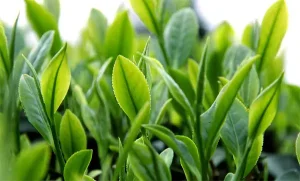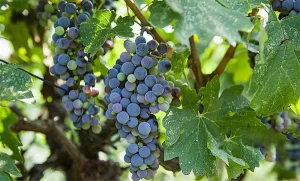
High-purity commercial-grade extracts and biosynthesized raw materials for clean-label food, beverage, and pharma applications.
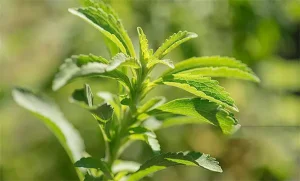
The global sugar reduction paradigm has triggered an exponential demand for zero-calorie sweeteners with taste profiles identical to sucrose. While traditional Stevia rebaudiana agriculture extracts steviol glycosides from plant tissues, the most premium tasting molecules—specifically Rebaudioside M (Reb M) and Rebaudioside D (Reb D)—constitute less than 1% of the dry leaf weight. Traditional agricultural extraction of these trace compounds is economically unfeasible, highly resource-intensive, and prone to seasonal supply chain instability.
This is where Steviol Biosynthesis emerges as a disruptive technological solution. By employing engineered microbial hosts (such as Saccharomyces cerevisiae or Yarrowia lipolytica) inside industrial fermentation vessels, we can biosynthesize high-purity Reb M and Reb D directly from simple sugars. This biological production bypasses agricultural farming, reducing carbon footprint, land usage, and water consumption by up to 90% while providing an uninterrupted, year-round supply of non-GMO, clean-label sweetening solutions.

Understanding the enzymatic pathways and host organism metabolic engineering behind premium steviol glycosides.
Genetically engineering industrial *Saccharomyces cerevisiae* strains by expressing key enzymes of the steviol glycoside pathway.
Leveraging UDP-glucosyltransferases (UGTs) to step-wise convert steviol to Reb A, then sequentially transglycosylate it into Reb D and Reb M.
Utilizing optimized micro-aerobic conditions and carbon source feeding strategies within state-of-the-art bioreactors to maximize yield.
Refining the fermentation broth using chromatography and crystallization to isolate steviol glycosides with purity levels exceeding 98%.
| Parameter | Plant-Extract Stevia (Traditional) | Steviol Biosynthesis (SynBio) | Target Benefit |
|---|---|---|---|
| Reb M / Reb D Concentration | Trace (<1% of dry leaf weight) | Primary Output (Concentrated) | Eliminates bitter aftertaste profiles |
| Land and Water Utilization | High (Requires thousands of hectares) | Minimal (Bioreactor footprint) | Reduces environmental footprint by 90% |
| Batch-to-Batch Stability | Variable (Weather, soil, crop dynamics) | Absolute (Digitally controlled parameters) | Industrial standardization reliability |
| Pesticide & Solvent Residue | Risk of agricultural contamination | Zero residues (Isolated pure bioreactor environment) | Ensures high-level safety compliance |
Why UniCare is trusted globally for high-volume, reliable ingredient supply chains.

UniCare prioritizes advanced manufacturing infrastructure, operating the largest and most technologically sophisticated extraction and biosynthesis facilities in China. The entire processing system is automated, monitored in real-time, and controlled by a modern, intelligent, centralized system to ensure unmatched yield stability.

Unlocking novel physiological paths and applications of traditional herbs via modern synthetic biology modifications.

Investing systematically in genetic engineering and enzymatic pathways to optimize yields and cost-performance profiles.

Employing automatic controls, precision sensors, and high-performance refining columns for optimal outputs.
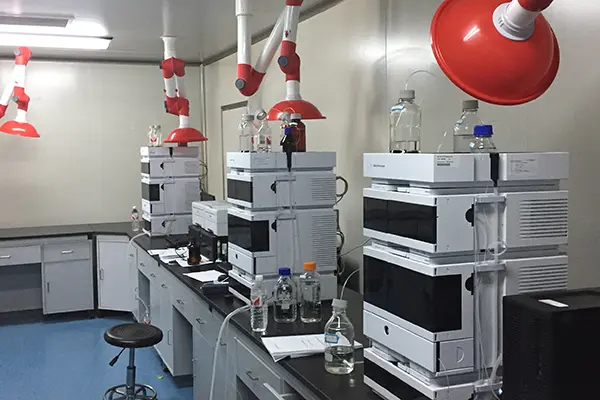
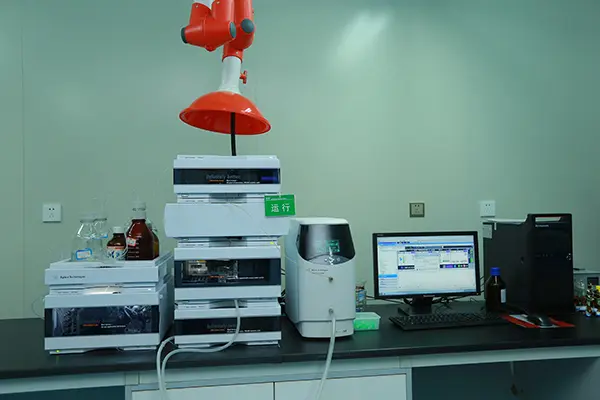
Our partner manufacturing sites house advanced analytical testing labs certified by CNAS to verify batch uniformity and safety.
Every single batch of our biosynthesized steviol glycosides and herbal extracts undergoes exhaustive analytical characterization. Our internal CNAS-certified central laboratory runs comprehensive panels testing chemical compositions and potential impurities:
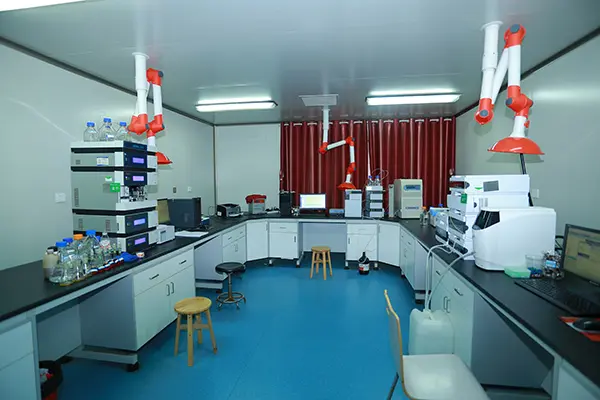
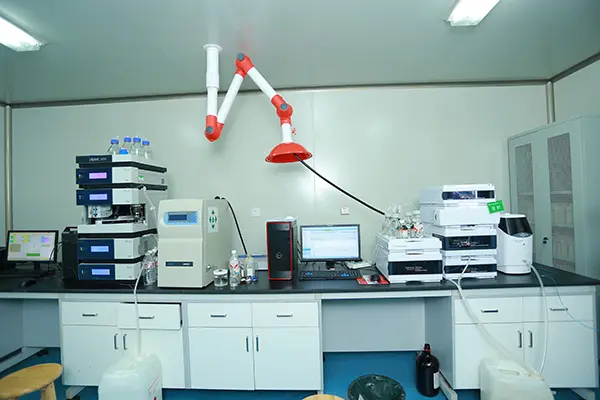
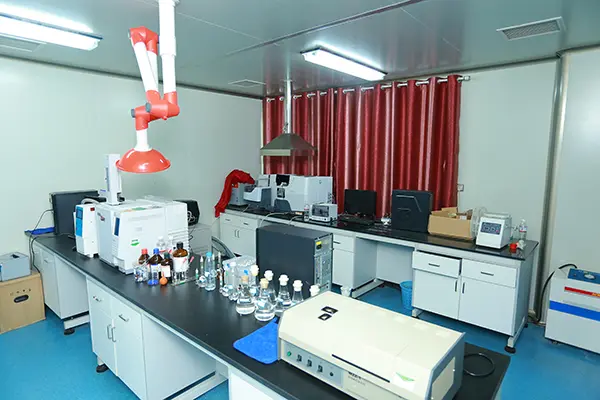
Combining synthetic biology innovation with sustainable agricultural practices to stabilize market costs.

UniCare consistently reinvests 10% of annual net profit into research and development. To expand the boundaries of precise biological biosynthesis, we collaborate closely with the Beijing University of Chemical Technology in the field of fermentation. This collaboration accelerates the translation of lab-scale engineering innovations into massive industrial production.
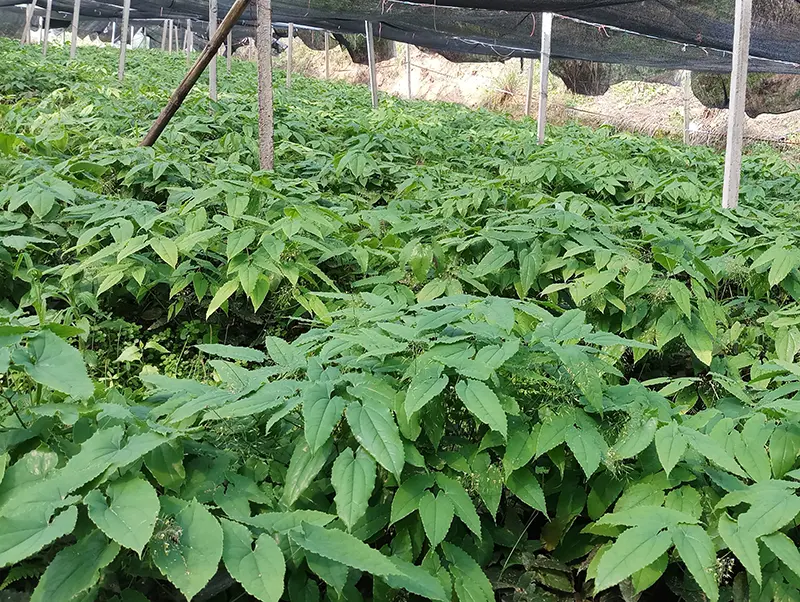
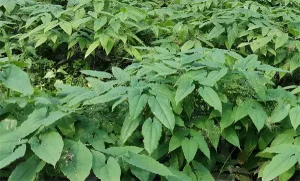
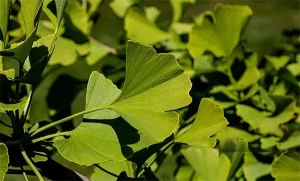
In parallel with fermentation R&D, we actively maintain secure global agricultural chains. UniCare partners with local growers to run specialized agricultural bases for Ginkgo Leaf, Epimedium, Phellodendron, and Olive Leaf. These bases adhere to the strict GACP (Good Agricultural and Collection Practices) models. Additionally, we collaborate with scientific agronomic firms to cultivate high-yield seedlings through gene optimization and hybridization, systematically bringing down production costs to benefit our end-users.
How biosynthesized stevia and clean-label natural sweeteners adapt to complex food processing requirements.
Perfect acid stability, high solubility, and zero precipitate formation in carbonated soft drinks, RTD teas, and sports waters. Eliminates lingering metallic tastes.
Acts synergetically with dairy proteins and plant lipids to round out body mouthfeel, reducing added sugar requirements in yogurts, oat milks, and protein shakes.
Exhibits exceptional thermal stability up to 200°C. Maintains sweetness integrity under high-heat baking processes without caramelization issues.
In-depth answers to critical biochemical, formulation, and commercial regulatory questions.
Premium botanical extracts, active ingredients, and sweetening agents manufactured to global pharma and dietary supplement standards.