High-purity raw active ingredients manufactured in compliance with international regulatory codes.
In recent years, the market for Berberis Extract (principally standardized to Berberine Hydrochloride / HCl) has experienced unprecedented, structural growth globally. Historically utilized in traditional medicine systems across Asia, the scientific community has recently substantiated its efficacy through rigorous clinical studies. Sourced primarily from plants like Berberis aristata and Berberis vulgaris, this compound acts as a powerful botanical activator of the AMP-activated protein kinase (AMPK) pathway. AMPK is often referred to as the metabolic "master switch," regulating blood glucose levels, mitochondrial health, lipid profiles, and cellular longevity.
The shift in consumer behavior toward preventive healthcare has accelerated B2B procurement across multiple verticals. In North America and Europe, Berberis Extract has emerged as a frontline dietary ingredient, frequently formulated alongside chromium, alpha-lipoic acid, or silymarin to support metabolic stability. As brands seek to differentiate themselves, the demand for verified, high-purity Berberis Extract has created a highly competitive sourcing climate. This makes verifying the competence of factories and extract suppliers a vital task for procurement officers.
Procuring botanical active ingredients at a commercial scale requires deep due diligence. Brands are no longer simply looking for "Berberis Extract powder." Instead, they require specific analytical profiles, certified non-GMO status, low solvent residues, and consistent batch-to-batch repeatability. The challenges of selecting a supplier lie in understanding the botanical species and geographical origin. Adulteration is a significant risk in the industry, where cheaper, synthetic substitutes are occasionally blended into natural powders.
To protect supply chain integrity, B2B buyers must prioritize manufacturers that offer complete testing transparency. A reliable supplier should provide validation parameters for HPLC (High-Performance Liquid Chromatography) signature assays, thin-layer chromatography (TLC) identification tests, GC-MS-MS screening for pesticide multi-residues, and ICP-MS analysis for heavy metals. Choosing the right partner means selecting a factory with advanced laboratory capabilities and a clear process flow.
As the world's primary hub for botanical extraction, China has undergone a massive modernization wave, transitioning from manual processing to Factory 4.0 principles. Modern Chinese factories feature smart, automated extraction lines that constantly monitor critical parameters. These parameters include extraction temperatures, solvent flow rates, vacuum pressures, and concentration times. This level of process control ensures optimal yields and prevents the degradation of delicate alkaloids like berberine.
In an era of shifting trade routes and unpredictable global events, supply chain resilience is crucial. Chinese manufacturers mitigate these risks through vertically integrated sourcing models. By collaborating directly with farming cooperatives and establishing dedicated cultivation bases, factories manage their raw botanical feeds directly. This practice ensures consistent quality, prevents price fluctuations, and secures supply lines against external disruptions.
A globally trusted supplier of natural active ingredients specializing in dietary supplement, food, cosmetic, and pharmaceutical industries.
UniCare is a professional supplier of natural active ingredients. Our products are widely used in various fields such as dietary supplement, food, cosmetics and pharmaceuticals. We focus on product development and quality stability, and insist on growing together with our customers around the world.
UniCare has deep cooperation with several excellent Chinese manufacturers who have complete quality management system certifications, including but not limited to GMP, EUGMP, CEP, ISO9001, ISO22000, and HACCP. Each factory has independent testing capabilities and is equipped with advanced and efficient testing equipment to ensure the high quality and long-term stability of each batch of products.


Guided by innovation, safety, and sustainable corporate development.

Applying modern chemical profiling to extract therapeutic value from traditional botanicals.

Refining manufacturing pipelines to reduce trace solvents and improve crystallization.

Utilizing state-of-the-art machinery and real-time monitoring to build quality into every batch.

Fostering an inclusive work culture and committing to fair trade, sustainable planting.
Why Choose Us? Inside UniCare's State-of-the-Art Processing Capacity.

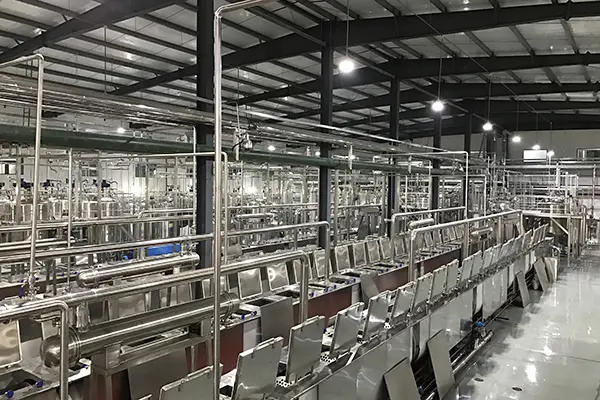
UniCare attaches great importance to the hardware conditions of production equipment and has the largest and most advanced extraction factory in China. The entire production line in UniCare is controlled by a modern, intelligent, automatic control system. Until now, UniCare has built up two GMP workshops, containing six multi-functional extraction lines, among which there is the only production line for Ginkgo Biloba Extract of acetone process in the whole China. Here are several other production lines including fermentation production lines and Chinese medicine pieces. A total of 30,000 tons of various Chinese medicine plant raw materials can be processed each year.


Transparent display of our production zones, clean rooms, and industrial scale equipment.
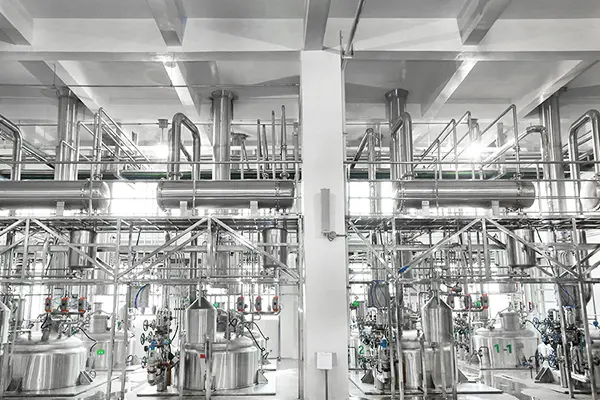
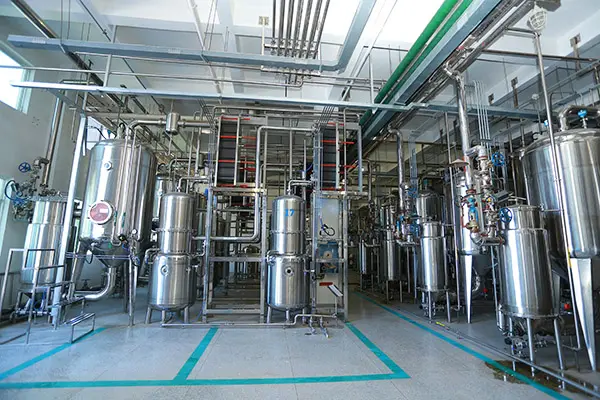
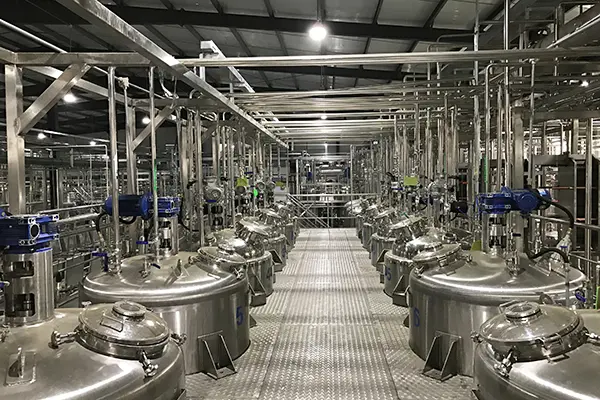
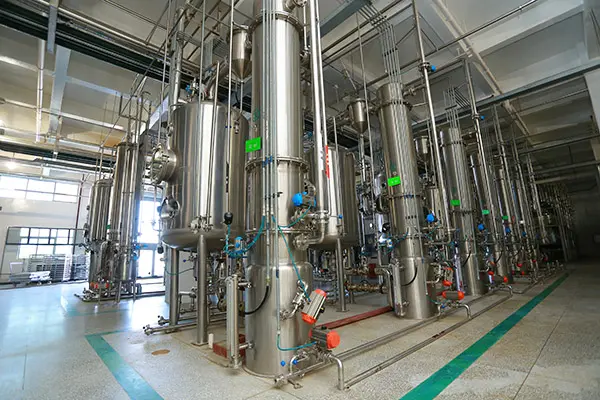
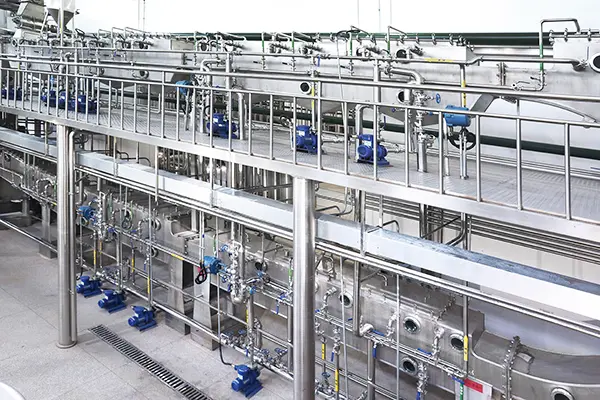
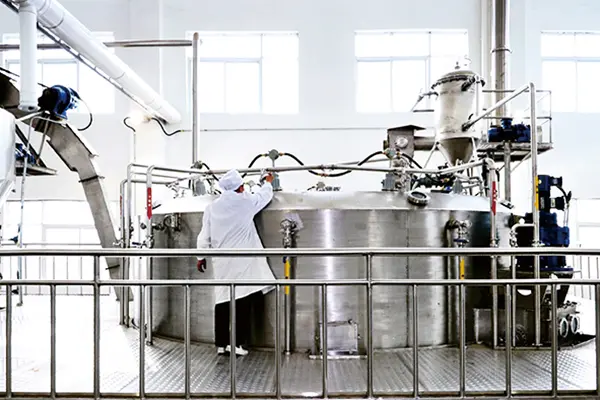
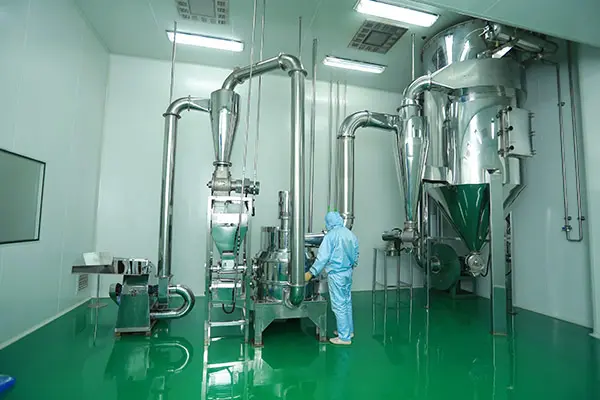
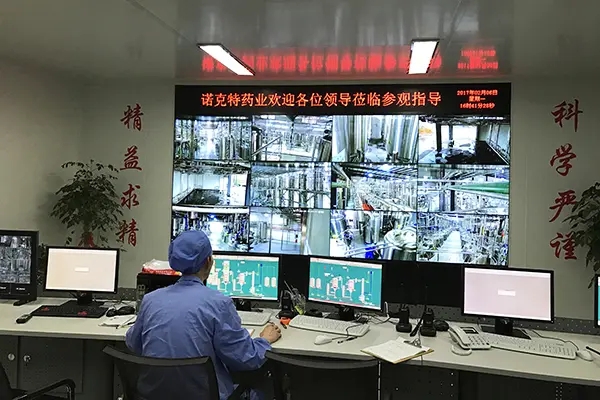
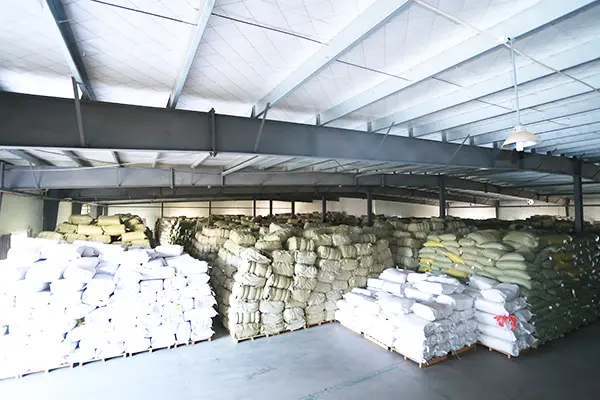
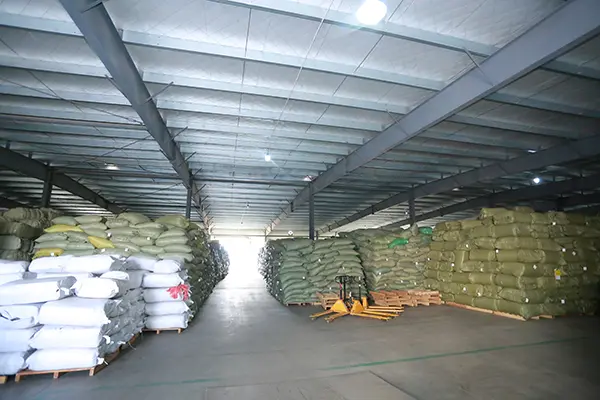
Guaranteeing chemical purity, stability, and clean label compliance through strict testing protocols.
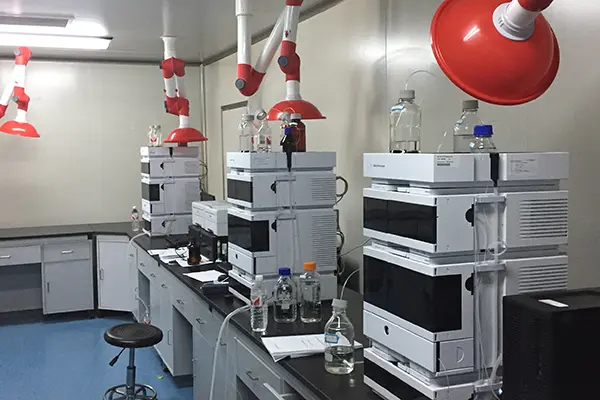
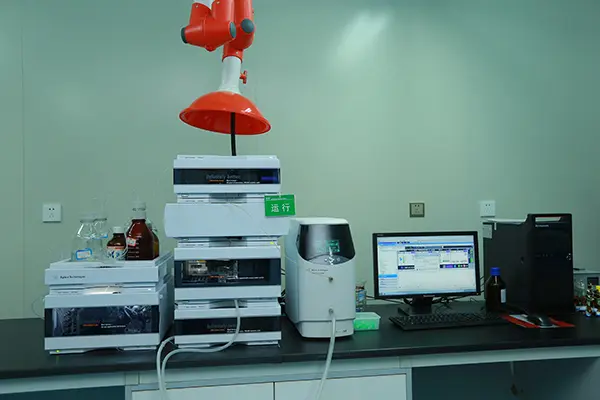
UniCare has established a leading and complete quality control system, and strictly controls the high quality of products in accordance with the quality system. With advanced testing instruments, strict control of product quality, we provide every customer with high quality products.
Detectable items cover a comprehensive range of quality metrics: Signature component detection (HPLC or UV), solvent residues (GC), pesticide residues (GC-MS-MS organochlorine screening), heavy metals (lead, arsenic, mercury, cadmium, copper) by ICP-MS, microscopic identification, moisture, dry weight loss, ash, microbial limits, thin layer chromatography (TLC) identification, bulk density, pH values, and sulfur dioxide residues.
| Quality Control Item | Testing Methods & Analytical Parameters |
|---|---|
| Active Ingredient Analysis | Assay testing and identification via HPLC, UHPLC, or UV-Vis spectrophotometry. |
| Hazardous Substance Analysis | Heavy metals (ICP-MS), pesticide residue profiles, and trace solvent residues (Gas Chromatography). |
| Microbe Analysis | Total plate count, Escherichia coli, Yeast & mould, and specific pathogens testing. |
| Raw Material Control | Pesticide residue screens, allergen source testing, non-GMO verification, and botanical origin documentation. |
| Laws & Regulations Confirmation | Continuous regulatory compliance updates matching Chinese, EU, and US FDA food and supplement regulations. |
| Stability Test | Accelerated and long-term shelf-life validation protocols according to ICH guidelines. |
| Others | pH value, moisture content, ash, optical rotation, particle size distribution, bulk/tapped density. |
Our Central Lab spans a massive square footage and is qualified under CNAS standards. We utilize elite analytical machines to guarantee trace-level precision:
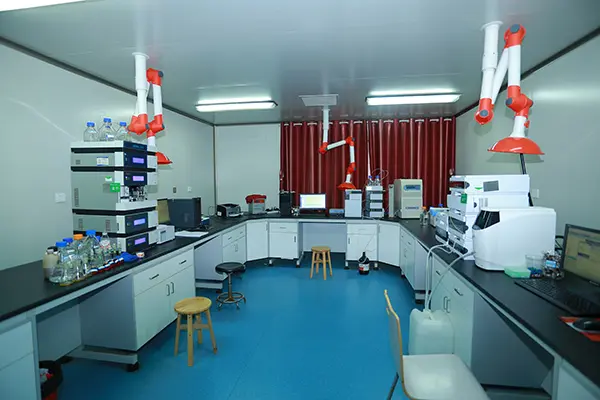
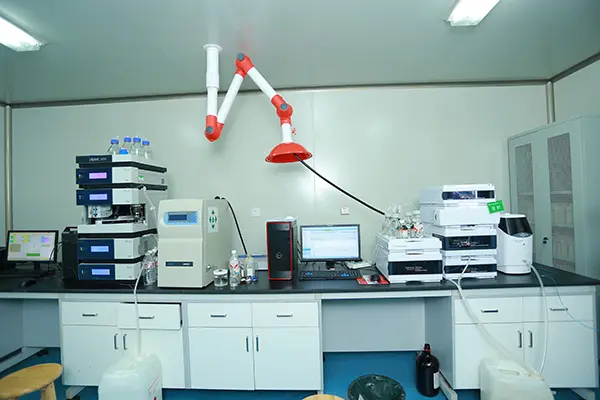
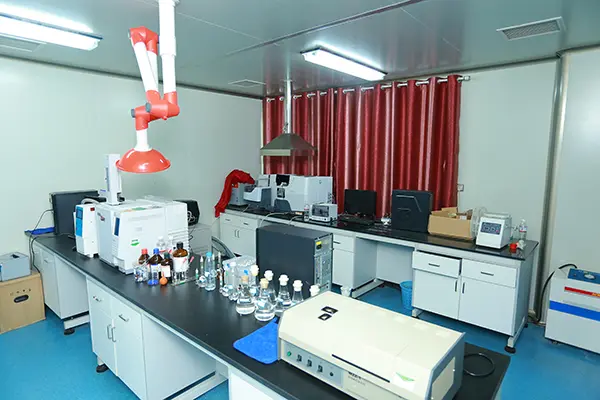
Combining biotechnology with sustainable agricultural management to ensure supply chain integrity.

UniCare invests 10% of our annual net profit in research and development. In addition to optimizing and developing the existing natural plant extraction process, we have also established a professional R&D department for natural fermentation products. By increasing investment in natural fermentation products, we aim to modernize traditional processes and drive industry growth.
We maintain deep cooperation with the Beijing University of Chemical Technology in the field of industrial fermentation, jointly developing and scaling up the production of new raw materials for pharmaceutical, cosmetic, and health applications.
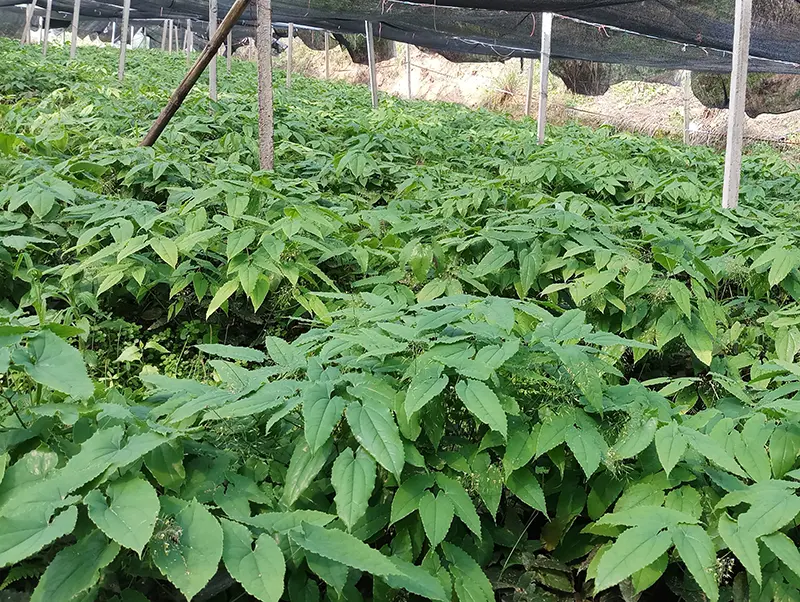
In order to control raw materials more efficiently and with higher quality, a raw material procurement system has been established. This system extends procurement directly to cultivation sites, allowing us to trace the raw materials of each batch. Raw material storage follows advanced quality management system processes to strictly control active ingredients, moisture, ash, heavy metals, and pesticide residues.
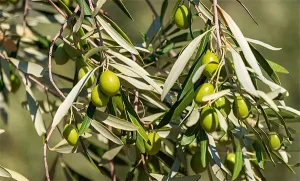
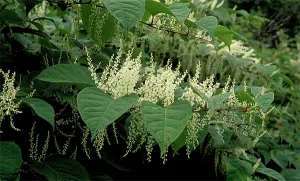
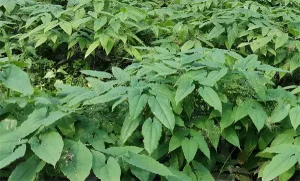
To ensure the quality of key products, UniCare cooperates with local farmers to establish dedicated planting bases for ginkgo leaf, epimedium, phellodendron, and olive leaf. Select bases are managed strictly in accordance with GACP (Good Agricultural and Collection Practices) models. Additionally, we collaborate with seedling research firms to develop high-content cultivars via hybridization and selection, helping reduce costs for our end users.
Berberis Extract is widely used across various sectors due to its adaptability in modern product formulations. For product developers, selecting the correct physical and chemical form of the extract is key to achieving optimal performance in final products:
Commonly compressed into solid oral dosage forms like tablets or filled into hard capsules. The powder is dry, free-flowing, and optimized for standard high-speed capsule filling lines without tracking issues.
To address the limited bio-absorption of standard berberine, developers combine Berberis Extract with lipid carriers, such as sunflower lecithin, to create liposomal powders that offer improved bioavailability.
Utilized in skin-balancing creams and serums. The extract's natural properties help soothe irritated skin, clear acne, and regulate sebum production.
Technical answers regarding raw material sourcing, specifications, and regulatory compliances.
Explore our full line of premium botanical extracts for global export.