Explore our core selection of certified botanical extracts and functional active agents engineered for advanced supplement manufacturing.
Berberine, a quaternary ammonium alkaloid isolated from plants such as Berberis aristata and Phellodendron amurense, has been highly sought after for its proven properties in regulating AMPK pathways, managing blood glucose levels, and promoting cardiovascular health. However, traditional raw Berberine Hydrochloride (HCl) is limited by incredibly low oral bioavailability (frequently estimated under 1% due to P-glycoprotein efflux in the gut lining).
The modern nutraceutical market is transitioning rapidly toward Bio Berberine Complexes. These advanced matrices combine standard Berberine HCl with bioavailability enhancers such as Piperine, Caprate (a transient permeability enhancer), or encapsulate them in liposomal phytosome matrices. By overriding intestinal transporter resistance, these complexes increase relative absorption by up to 5-10 times, making lower therapeutic doses significantly more effective.
As a leading supplier, UniCare addresses this dynamic shifting demand by offering optimized formulations that facilitate clean-label manufacturing while guaranteeing maximum biological active yield.

How UniCare utilizes advanced domestic engineering to secure supply continuity and cost stability for overseas buyers.

Global procurement managers face severe pricing volatility and quality inconsistency. UniCare stabilizes this by maintaining deep manufacturing integrations across China's largest and most advanced botanical extraction factories. Our entire manufacturing chain is governed by intelligent, modern automated systems that track temperature, pressure, and flow rates in real-time, eliminating human variability.
Enterprise-level manufacturing infrastructure designed to exceed global regulatory parameters.
Our operations comply fully with global GMP protocols. Facility validations ensure zero cross-contamination and standardized lot-to-lot consistency.
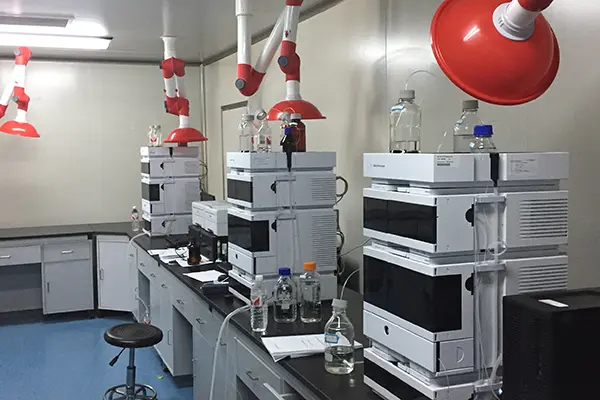
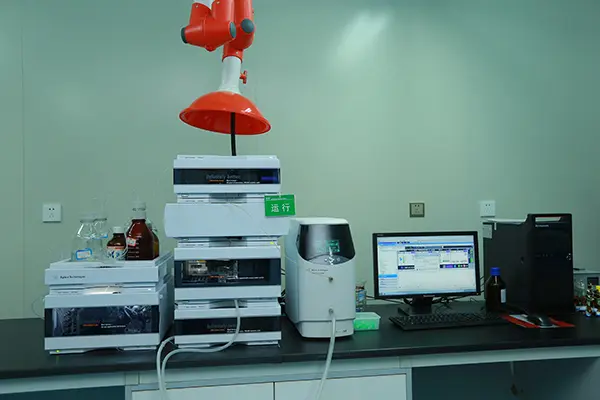
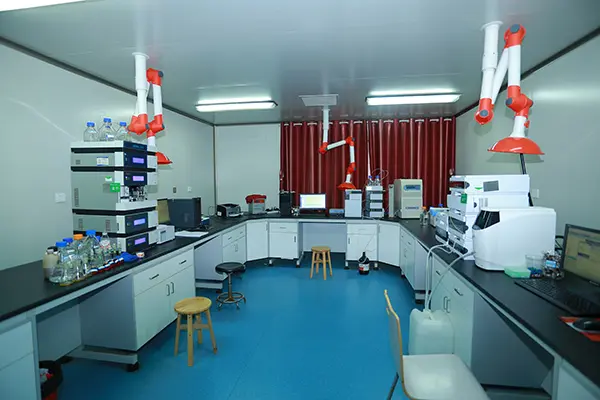
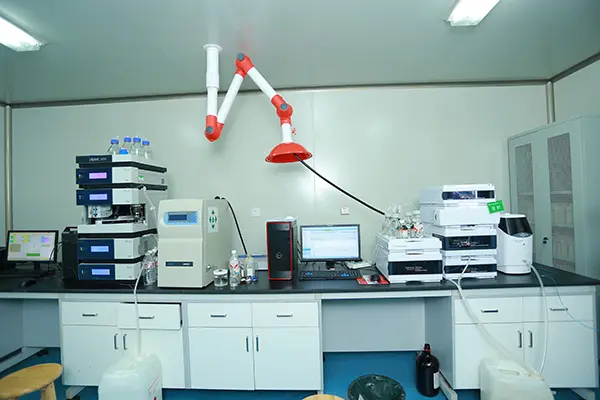
Our central laboratories employ two Agilent 1290 UHPLC systems, four Agilent 1260 HPLC devices, and specialized Shimadzu GC/Atomic Absorption systems for trace contaminant tracking.
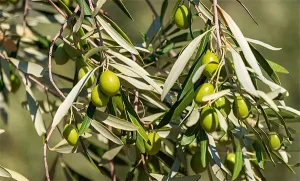
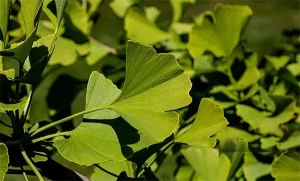
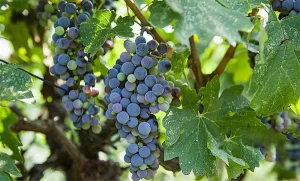
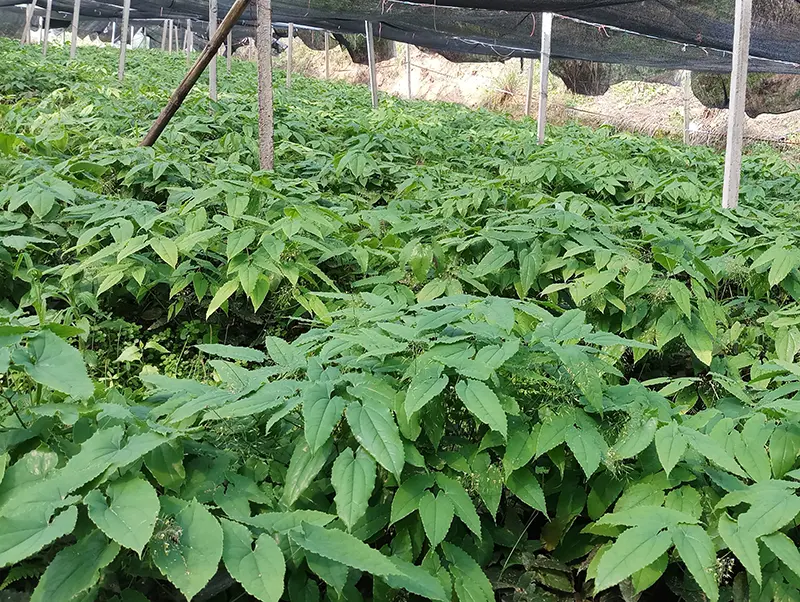
By partnering with regional agricultural cooperatives, we control crop variables for vital plants. Our Ginkgo leaf, Epimedium, Phellodendron, and Olive leaf plantations operate under GACP guidelines.
A breakdown of the metrics and instruments deployed within our CNAS-qualified laboratory.
Our central laboratory acts as the primary firewall preventing raw material degradation or heavy metal infiltration. Key assays performed routinely include signature component validation via HPLC/UV, residual organic solvents check using Gas Chromatography (GC), organochlorine pesticide residue tracking via GC-MS-MS, and heavy metal profiling (Arsenic, Lead, Cadmium, Mercury, Copper) utilizing Inductively Coupled Plasma Mass Spectrometry (ICP-MS).
| Analytical Target Category | Specific Testing Parameters & Methodology |
|---|---|
| Active Ingredient Analysis | Assay verification, HPLC / UV-Vis identification, raw marker quantification. |
| Hazardous Substance Analysis | Heavy metal tracing (ICP-MS), multiresidue pesticide screenings, residual solvents (GC). |
| Microbiology Controls | Total aerobic microbial count (TAMC), Yeast & mold, specific pathogens (E. coli, Salmonella). |
| Raw Material Traceability | Pesticide drift monitoring, Allergen controls, GMO identification, geographical origin validation. |
| Regulatory Standards Review | Continuous alignment checks with pharmacopoeia benchmarks (USP, EP, ChP). |
| Product Stability Profiles | Accelerated and long-term climate chamber storage protocols to verify operational shelf life. |
Quality guarantees are only as accurate as the machines running the tests. UniCare facilities house premium international hardware designed for extreme accuracy:
| Analytical Instrument | Make & Configuration | Primary Testing Application |
|---|---|---|
| UHPLC (Ultra-High Performance Liquid Chromatography) | Agilent 1290 (2 Units) | Ultra-rapid, high-resolution marker separation and complex botanical finger-printing. |
| HPLC (High Performance Liquid Chromatography) | Agilent 1260 (4 Units) | Standard assay validation, purity quantification, and relative impurity analysis. |
| HPLC (High Performance Liquid Chromatography) | Shimadzu LC-20AT (2 Units) | Routine quality verification checks on incoming raw materials. |
| ELSD (Evaporative Light Scattering Detector) | Shimadzu 2000ES (2 Units) | Analysis of compounds lacking strong chromophores (e.g., saponins, lipids). |
| GC (Gas Chromatography) | Shimadzu GC-2010 (1 Unit) | Accurate profiling of trace residual extraction solvents (Ethanol, Acetone, etc.). |
| AA (Atomic Absorption Spectrophotometer) | Shimadzu AA-7000 (1 Unit) | Detection and quantification of heavy metal contaminants. |
UniCare reinvests 10% of our annual net profits directly into our research and development pipelines. Our research team focuses not only on standard solvent extraction methods but also leads progress in enzymatic modifications and natural fermentation processes. This biological approach allows us to transform standard plant compounds into high-potency molecules with enhanced gut-barrier permeability and superior stability.
We maintain active industrial-academic collaborations with the Beijing University of Chemical Technology. This partnership connects advanced microbiology studies with large-scale industrial bioreactors, transitioning complex biotransformation models from theoretical concepts to high-yield commercial production.
In addition, to stabilize pricing and secure clean agricultural inputs, we operate dedicated agricultural partnerships managing Ginkgo biloba leaf, Epimedium, Phellodendron, and Olive leaf cultivation areas. These operations use high-potency selected seedlings to maximize starting compound yield and control agricultural variables right from the soil.

Driving standard nutraceutical extraction toward clean, green, and highly scientific paradigms.

Consistently isolating active secondary metabolites to unlock the latent pharmaceutical potential of wild-crafted and cultivated botanical materials.

Refining column chromatography, countercurrent extraction, and crystallization loops to reduce manufacturing waste and optimize active yields.

Deploying computerized feedback controls across our multi-functional lines to ensure production reliability, regardless of crop variation.

Developing green extraction protocols, reducing solvent usage, and returning value directly to farming communities through fair-trade sourcing.
How global brands apply Bio Berberine Complex in real-world formulations.
Bio Berberine Complex offers significant formulation flexibility. It can be developed as standalone clinical capsules or integrated into multi-ingredient metabolic health formulas. It pairs exceptionally well with ingredients like Gymnema Sylvestre, Chromium Picolinate, Alpha Lipoic Acid (ALA), or standard Polyphenols like Green Tea Extract and Resveratrol.
Additionally, because consumers increasingly favor clean labels, our factories supply Berberine HCl that meets demanding physical specifications, including customizable particle sizes, low dust generation, and high bulk density. This makes the powder perfectly suited for high-speed capsule filling lines and direct compression tableting setups without needing excess binders.
Technical and commercial answers for B2B procurement leads and regulatory officers.
Our standard raw Berberine HCl typically measures at ≥97.0% or ≥98.0% by HPLC. Depending on your formulation goals, we customize the complex with natural absorption enhancers (like Caprate or Piperine) to achieve the desired bioavailability profile.
Yes. Every production run undergoes rigorous verification for heavy metals (Lead, Arsenic, Cadmium, Mercury) using ICP-MS. We test pesticide levels via GC-MS-MS to meet EP (European Pharmacopoeia) and USP limits. All details are documented on the batch Certificate of Analysis (CoA).
We source our Berberine from selected botanical raw materials, primarily Phellodendron amurense bark or species of Berberis (like Berberis aristata). We trace our supply chain back to our managed planting partners to ensure sustainable harvesting and prevent adulteration.
Our cooperating factories hold a comprehensive set of quality certifications. These include GMP, EUGMP, CEP (for Ginkgo Biloba), ISO9001, ISO22000, and HACCP. This makes our ingredients suitable for food, dietary supplement, and pharmaceutical applications worldwide.
Absolutely. We can mill and screen our Berberine powders to meet your specific manufacturing requirements (typically between 80 mesh and 200 mesh). This customization ensures optimal flowability, uniform mixing, and clean filling during production.
Explore additional active compounds from our GMP-validated manufacturing facilities.
Get in touch with UniCare's technical sales team to request batch chromatograms, current pricing schedules, or customized formulation samples.
Connect With Our Experts