Explore our diverse range of high-efficiency botanical active ingredients developed for dietary supplements, pharmaceuticals, food, and cosmetics.

Driving global health innovations through scientific rigor, continuous improvements, and absolute reliability.

Unlocking therapeutic botanical profiles via systematic chemical screening and biological evaluation.

Evolving extraction kinetics, refining purification methodologies, and maintaining compliance.

Utilizing state-of-the-art chromatographic segregation and industrial concentration apparatuses.

Fostering workplace prosperity while practicing eco-sustainable agricultural and industrial techniques.
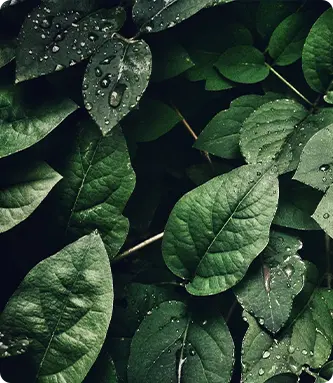

The factory has passed the China GMP certification and maintains continuous compliance.

The EU-GMP and CEP of Ginkgo Biloba Extract has been certified, ensuring regulatory ease in Western markets.

All extraction production lines adopt modern, intelligent and automated control systems for batch-to-batch consistency.

Own the most advanced extraction equipment in China, designed for optimized solvent-to-solid contact.

Capable of processing 30,000 tons of raw Chinese medicine and botanical materials annually.

Six production lines: Three annular dynamic countercurrent (10t & 15t); two multi-functional (32 tanks, 6m³ each); one round dynamic countercurrent (10t).

Own the only acetone process extraction line for Ginkgo Biloba Extract in China that fully meets EU GMP standards.
Own six fermentation tanks (20 tons capacity each) designed for enzyme-modified botanical and organic product production.
Under the principles of E-E-A-T and Search Quality Rater Guidelines, we break down the molecular parameters, extraction technology, and global supply dynamics of Ginkgo Biloba Extract.
Historically, the global market for Ginkgo Biloba has been divided between nutraceutical applications (primarily in North America and Asia-Pacific) and pharmaceutical preparations (primarily in Europe, specifically Germany and France). B2B procurement professionals face major challenges in securing suppliers that can maintain the precise balance of active compounds while eliminating harmful, naturally occurring components.
As clinical trials continue to substantiate the efficacy of Ginkgo Biloba in supporting microcirculation, peripheral arterial disease management, and age-related cognitive decline, the demand for highly soluble, ultra-pure standardized powders has surged. Consequently, the quality parameters defined by the United States Pharmacopeia (USP) and European Pharmacopoeia (EP) have become the default benchmark for international trade.
Why the solvent selection determines the safety, efficacy, and regulatory compliance of your finished product.
The traditional extraction of Ginkgo Biloba leaves using water or ethanol-water blends often fails to select only the desired active phytochemicals. While ethanol is an efficient solvent, it simultaneously co-extracts high levels of alkylphenols—specifically Ginkgolic Acids. These compounds are cytotoxic, highly allergenic, and mutagenic.
To achieve the pharmaceutical specification of Ginkgolic Acids < 5 ppm (or < 1 ppm), a complex multi-stage separation process is required. The Acetone-Water Process (using an optimized ratio of acetone and water followed by targeted precipitation and liquid-liquid partition) is the gold standard.
UniCare’s partner facility houses the only acetone process Ginkgo Biloba production line in China that meets EU GMP standards. This technology selectively isolates the active flavonols and terpene lactones while retaining the toxic alkylphenols in the solvent phase for complete removal.
| Parameters | Standard Acetone Process | Standard Ethanol Process |
|---|---|---|
| Ginkgo Flavonol Glycosides | ≥ 24.0% (USP/EP Specification) | 24.0% (Often variable profile) |
| Terpene Lactones | ≥ 6.0% (Ginkgolides + Bilobalide) | Variable (< 6.0% common) |
| Ginkgolic Acids | < 5 ppm / < 1 ppm (Ultra-Low) | Often > 10 ppm (Requires post-treatment) |
| Free Quercetin / Kaempferol | Complies with EP/USP limits | Higher risk of adulteration/degradation |
| Solvent Residue | Acetone < 5000 ppm (Fully evaporated) | Ethanol < 5000 ppm |
Inside our manufacturing workshops where our specialized botanical extraction lines operate under strict GMP protocols.
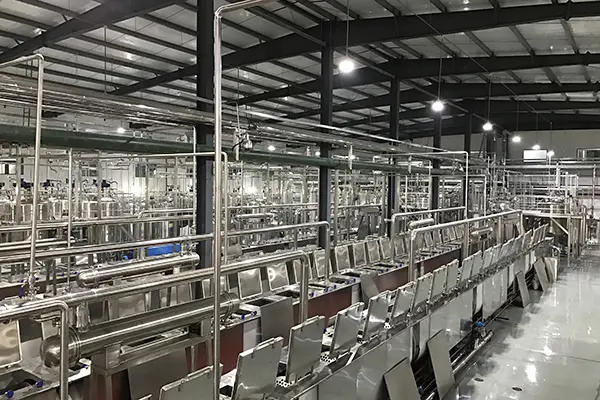
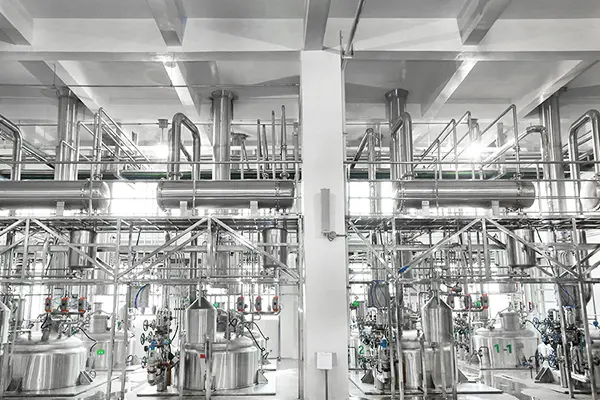
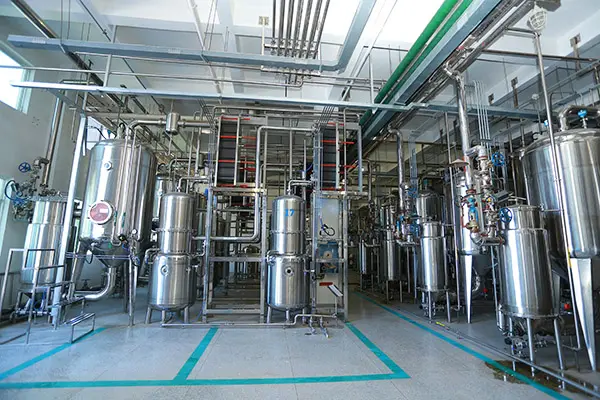
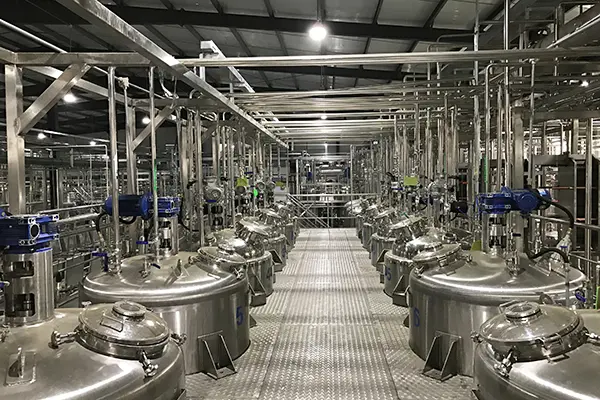
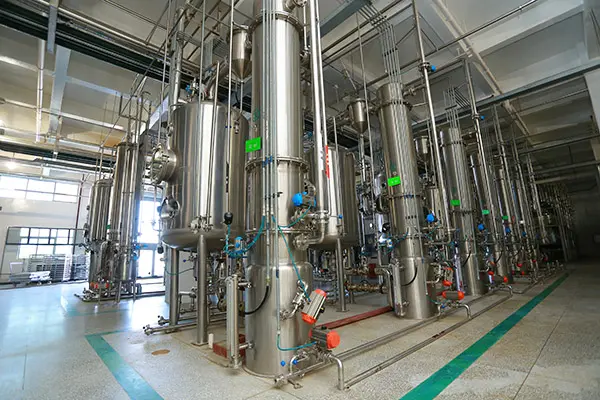
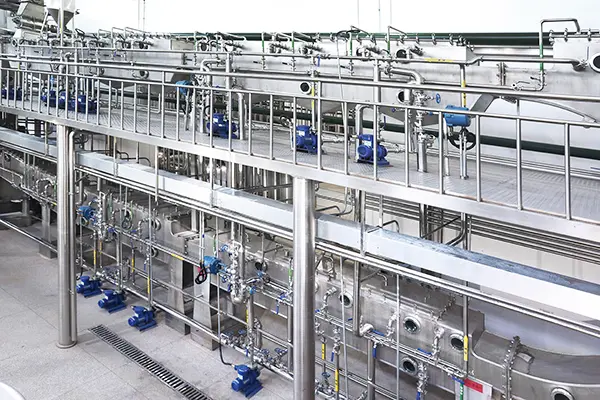
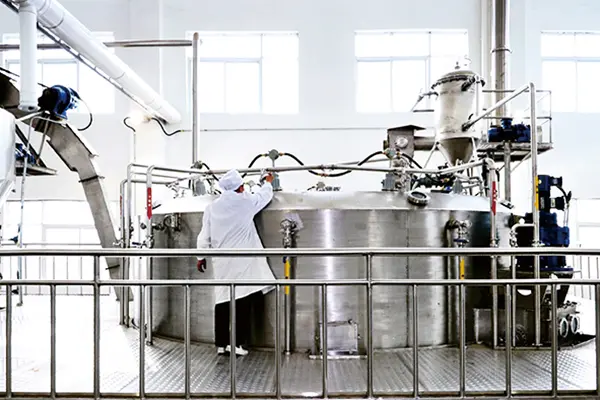
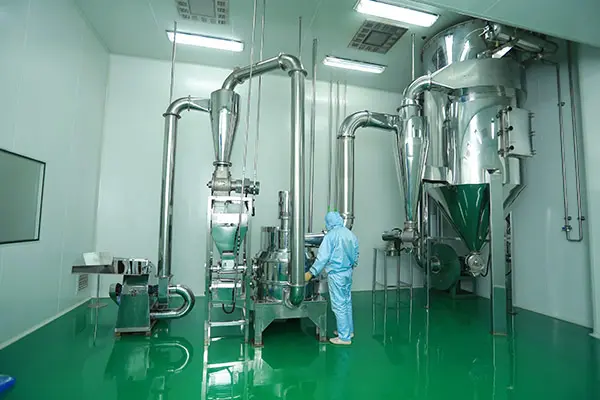
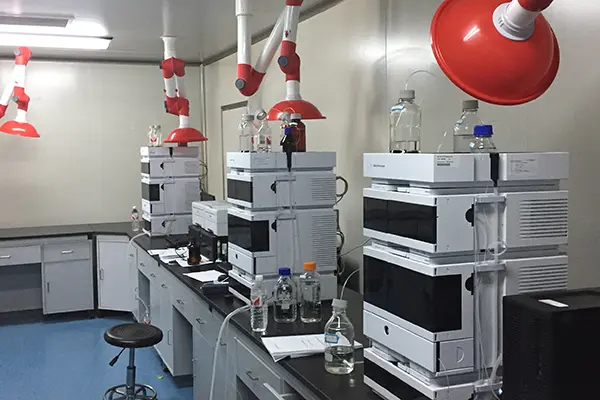
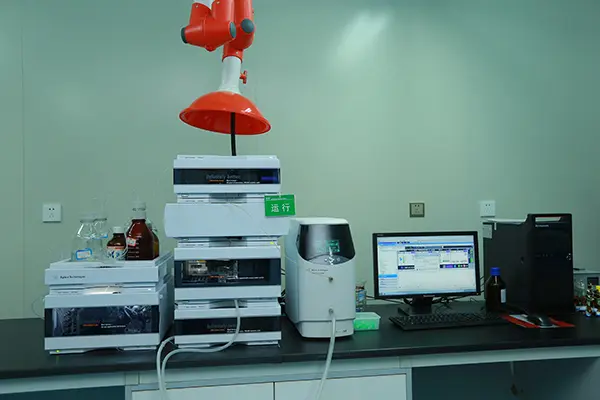
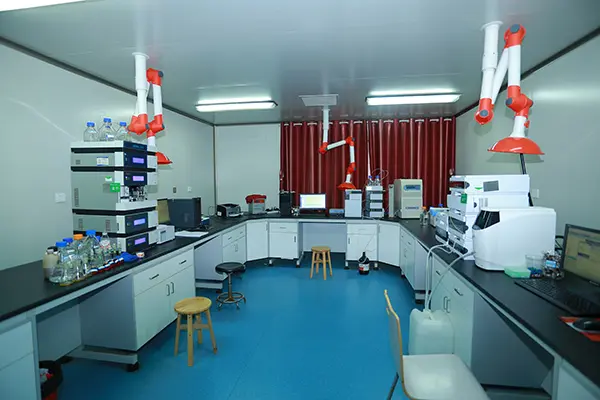
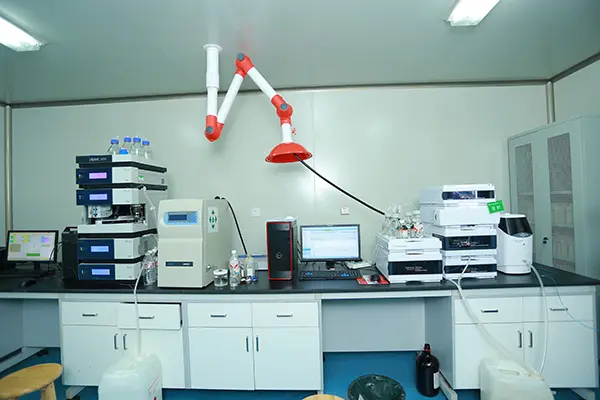
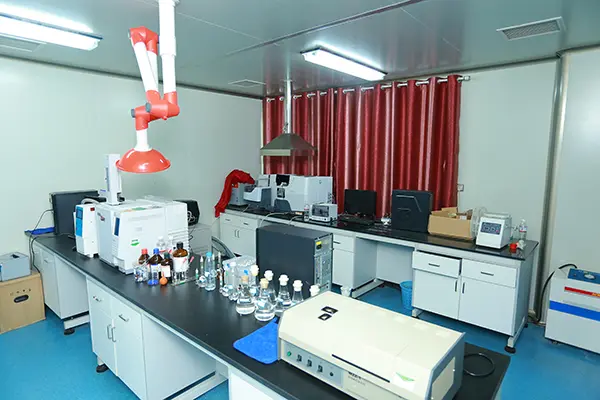
Our commitment to absolute batch reproducibility and zero-defect quality management verified by state-of-the-art analytical instrumentation.
We perform comprehensive analysis on every batch of Ginkgo Biloba Extract to verify purity, chemical identity, and the absence of contaminants. Our analytical parameters include:
UniCare’s analytical capability is built around a centralized CNAS-qualified laboratory equipped with:
| Quality Assurance Focus | Operational Protocol & System Verification |
|---|---|
| GMP Approved Factory | All the operations and managements in the facility are following GMP regulations to ensure batch compliance and tracing. |
| Active Ingredient Analysis | Assay and chemical identification using high-performance liquid chromatography (HPLC) with certified reference materials. |
| Hazardous Substance Analysis | ICP-MS for heavy metals, GC-MS-MS for pesticide residues, and Headspace GC for residual solvent determination. |
| Microbe Analysis | Testing for bacterium, Escherichia coli, Yeast & mould, and specific microbial pathogens in a sterile Class-10,000 environment. |
| Raw Material Control | Rigorous tracing from agricultural origin. Testing for pesticide residues, allergen origin, GMO compliance, and active botanical value. |
| Laws & Regulations | Continuous investigation and research of national and regional standards (FDA, EFSA, NMPA) to ensure global compliance. |
| Stability Test | Real-time and accelerated stability studies to guarantee active ingredient levels throughout the declared shelf life. |
| Physical Testing | pH value, moisture, ash, optical rotation, particle size, tapped/bulk density, and dissolution rates. |
In order to control raw materials more efficiently and with higher quality, a raw material procurement system has been established, which extends procurement to every piece of planting land and can trace the raw materials of each batch of products. The storage of raw materials is operated according to the advanced quality management system process, and the content of active ingredients, moisture, ash, heavy metals, pesticide residues and other items of raw materials are strictly controlled.
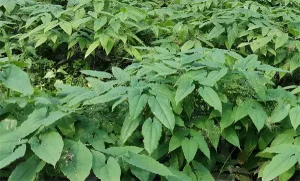
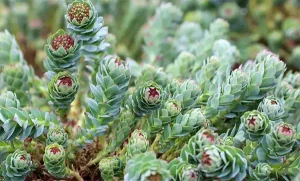
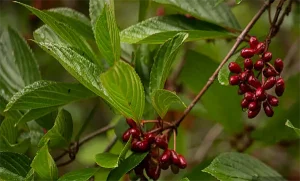
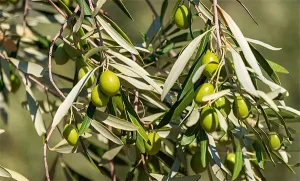
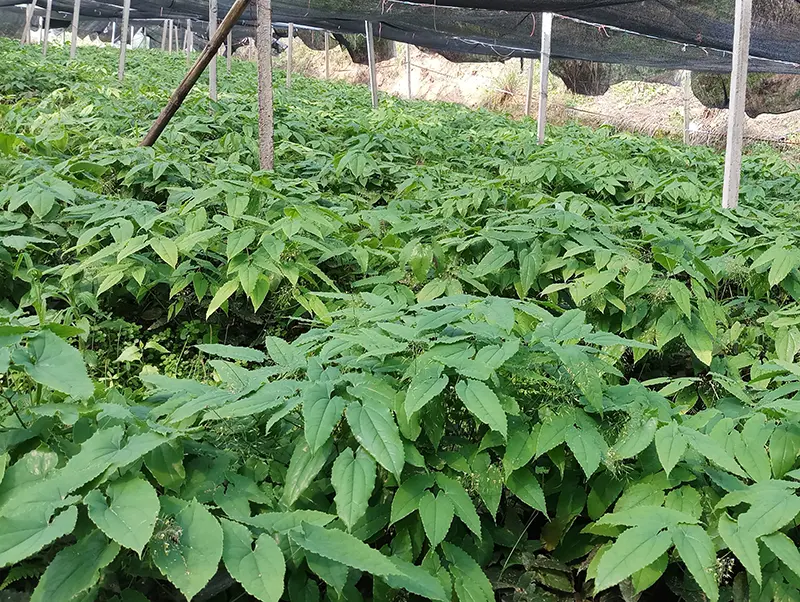
At the same time, in order to further ensure the high quality of important products, UniCare cooperated with planting farmers to establish ginkgo leaf planting bases, epimedium planting bases, phellodendron planting bases, olive leaf planting bases, etc. Some of these bases are planted strictly in accordance with the GACP (Good Agricultural and Collection Practices) management model. In addition, we cooperate with seedling research and development companies to develop high-content seedling cultivation, and cultivate better seedlings through hybridization or gene optimization, so as to continuously reduce unit costs to benefit users.
UniCare invests 10% of our annual net profit in research and development. In addition to optimizing and developing the existing natural plant extraction process, we have also established a professional R&D department for the natural fermentation products. By increasing investment in natural fermentation products, we try to break through the traditional processes and disrupt industry development.
UniCare has deep cooperation with Beijing University of Chemical Technology (BUCT) in the field of fermentation, jointly developing and transforming the new raw materials of pharmaceutical, cosmetic, and natural health products into mass-produced products. Through biocatalysis and enzymatically-modified methods, we enhance the bioavailability of active components in Ginkgo powder extracts.
How distinct international markets utilize Ginkgo Powder Extract across cognitive, cardiovascular, cosmetic, and functional food sectors.
In the US and Canadian markets, Ginkgo Powder Extract is widely used in nootropic formulations. Buyers prioritize USP/EP standardized powder that offers high solubility and neutral organoleptic properties for capsule encapsulation, tablet compression, and functional powdered beverage blends.
European markets require adherence to the European Pharmacopoeia (EP). Since Ginkgo is commonly registered as a Traditional Herbal Medicinal Product (THMP) or pharmaceutical drug, manufacturers demand EU-GMP compliance and an active CEP (Certificate of Suitability) to guarantee low ginkgolic acid levels (< 1 ppm).
In Japan, China, and South Korea, Ginkgo is utilized in functional drinks and healthy aging formulations. The focus is on water-soluble Ginkgo Biloba Extract powders that remain stable in liquid pasteurizations and carry neutral taste profiles suitable for functional beverage applications.
Decarbonization, molecular optimization, and the integration of green technology in botanical extraction.
Transitioning industrial manufacturing toward closed-loop acetone recovery systems. By capturing 99.5% of evaporated acetone, we minimize environmental footprints and lower production costs.
Partnering with Beijing University of Chemical Technology, we are piloting enzymatically-modified Ginkgo extracts. By cleaving glucose molecules from flavonol glycosides, we produce free aglycones that have higher intestinal absorption rates.
Implementing continuous simulated moving bed (SMB) chromatography on an industrial scale. This technique will allow us to isolate single Ginkgolide compounds (such as pure Bilobalide or Ginkgolide B) at 99%+ purities for targeted drug development.
Why sourcing from UniCare's Chinese network provides stability in supply, cost, and logistics.
China holds over 70% of the world’s Ginkgo biloba tree population. Our direct partnership with farming bases in optimized microclimates secures constant leaf supply and isolates us from global price volatility.
Our facility’s ability to process 30,000 tons of botanical raw materials annually ensures that high-volume orders are fulfilled without lead-time delays. Our automated extraction controls guarantee batch-to-batch consistency.
We assist with international customs requirements, provide full documentation (Dossiers, GMP certifications, COAs, Allergen declarations), and offer localized technical support to ensure seamless customs clearance.
Crucial technical and business queries answered by our senior science and regulatory affairs team.
Discover more high-purity, standardized herbal extracts manufactured under strict quality and safety certifications.