Explore our high-performance natural solutions and botanical extracts trusted by global formulations industries.

Analyzing the global paradigm shift from synthetic surfactants to green, sustainable botanical alternatives.
In the contemporary chemical industry, sustainable innovation is driven by both environmental compliance and consumer demand for cleaner, safer alternatives. Natural foaming agents (derived from saponin-rich botanical sources such as soapnut, quillaja wood, yucca, and tea seed) are quickly displacing synthetic surfactants like Sodium Lauryl Sulfate (SLS) and Sodium Laureth Sulfate (SLES). This market shift is propelled by the global eco-toxicity limits and stringent regulatory frameworks (e.g., EU REACH, US EPA guidelines) targeting bioaccumulation, skin irritation indices, and aquatic safety.
Furthermore, clean beauty brands, personal care giants, and green industrial formulators are actively seeking natural foaming alternatives that maintain high surface activity, dynamic foam density, and excellent cleaning action. By transitioning to high-purity natural surfactants, manufacturers achieve lower carbon footprints, ECOCERT/COSMOS alignment, and strong marketing claims that appeal to eco-conscious consumers.
| Surfactant Class | Common Botanical Source | CMC (g/L) | Foam Volume & Stability | Irritation Index | Biodegradability |
|---|---|---|---|---|---|
| Saponins (Triterpenoid) | Quillaja Saponaria / Soapnut | 0.1 - 0.5 | Dense, highly stable micro-foam | Ultra-low (safe for infant skin) | Ready (>90% in 14 days) |
| Steroidal Saponins | Yucca Schidigera | 0.3 - 0.8 | Rich foam with deep wetting power | Non-irritating | Excellent |
| Alkyl Polyglucosides (APGs) | Coconut / Corn Starch | 0.08 - 0.2 | High initial foam, low stability | Low | Excellent |
| Synthetic (SLS) | Petrochemical derived | 2.0 - 2.5 | Instant high volume, unstable | High (Irritant) | Poor (aquatic toxicity) |
Your Trusted Partner in Botanical Extraction and Green Surfactant Chemistry.


Guiding principles driving our continuous research, sustainability, and technological evolution.




UniCare attaches great importance to the hardware conditions of production equipment and has the largest and most advanced extraction factory in China. The entire production line in UniCare is controlled by a modern, intelligent, automatic control system. Until now, UniCare has built up two GMP workshops, containing six multi-functional extraction lines, among which there is the only production line for Ginkgo Biloba Extract of acetone process in the whole China. Here are several other production lines including fermentation production lines and Chinese medicine pieces. A total of 30,000 tons of various Chinese medicine plant raw materials can be processed each year.

Our extraction factory has officially passed the rigorous China GMP certification process.

Our Ginkgo Biloba Extract production maintains EU-GMP & CEP certification standards.

All active extraction lines utilize state-of-the-art modern automated systems for stability.

Equipped with top-tier dynamic countercurrent and multi-functional extraction tanks in China.

Vast capabilities in storing and processing crude herbs and raw materials annually.

Three annular dynamic countercurrent (10t/15t), two multi-functional (32 x 6m³ tanks), one round countercurrent.

The only extraction line for Ginkgo Biloba Extract using acetone process in China meeting EU GMP.
State-of-the-art bioreactors utilized for advanced enzyme modifications and biotransformations.
A closer look inside our digitalized extraction facilities, laboratory center, and raw material stores.
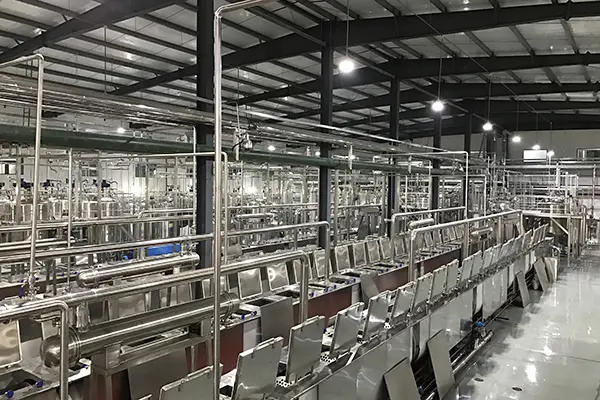
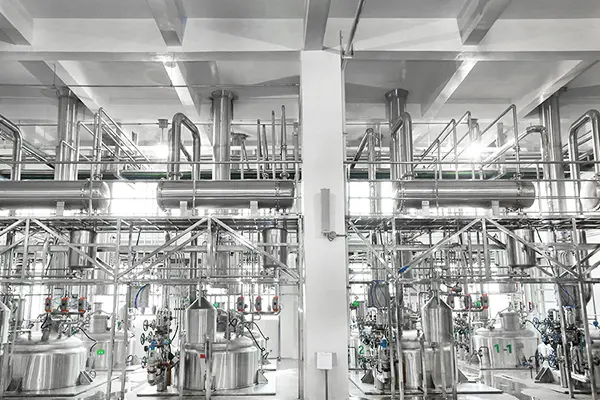
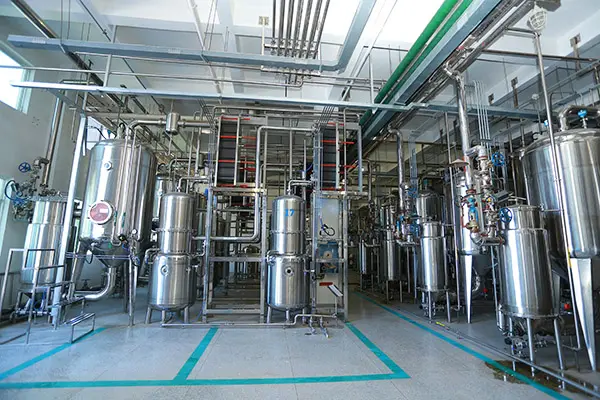
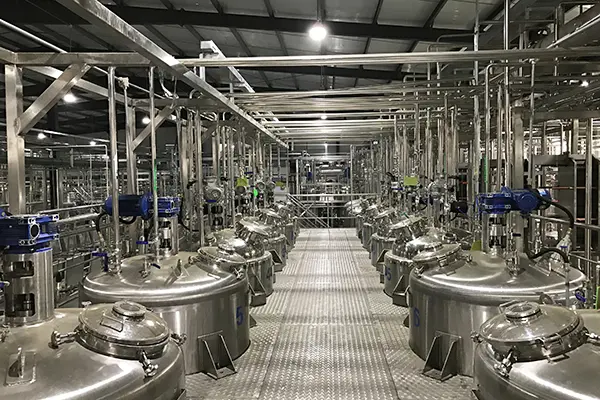
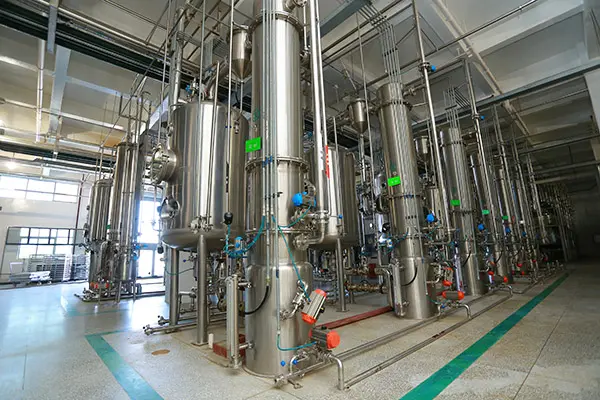
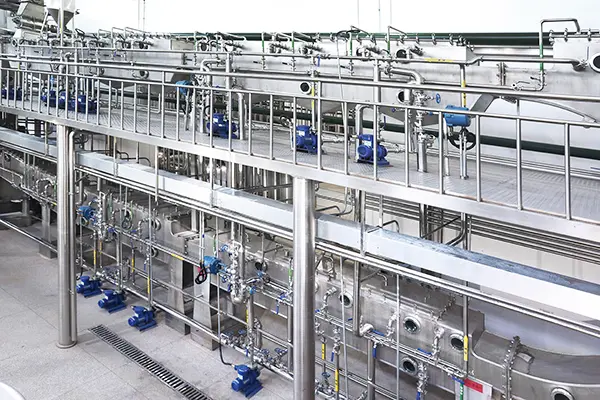
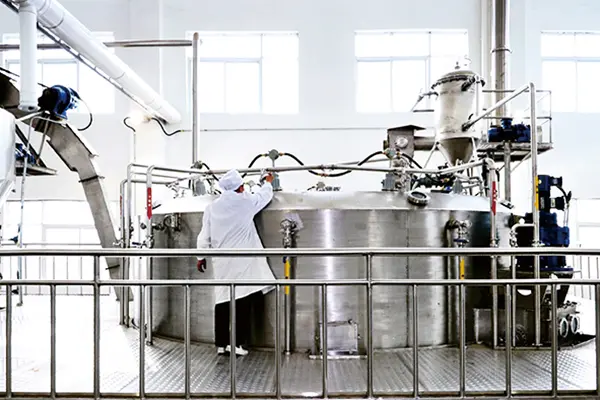
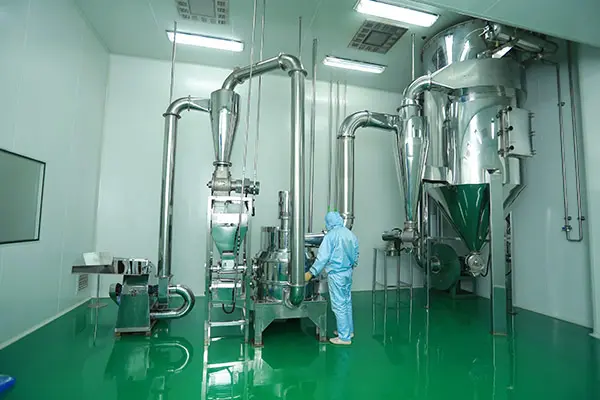
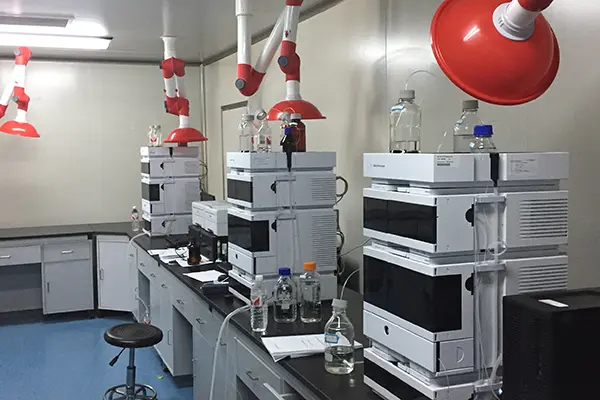
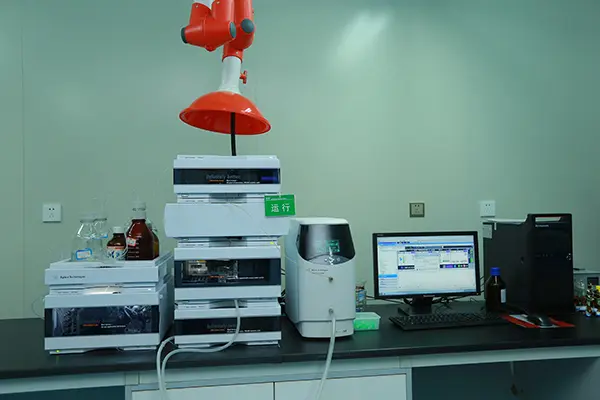
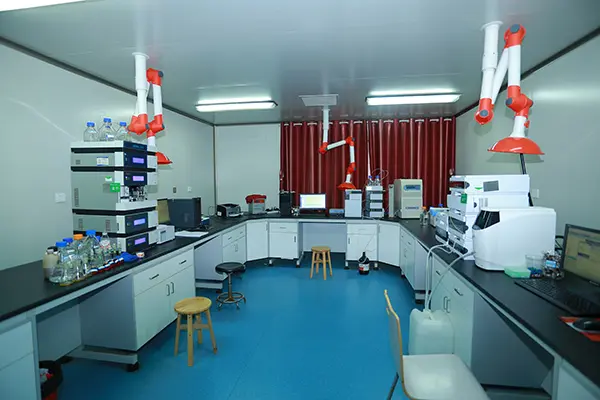
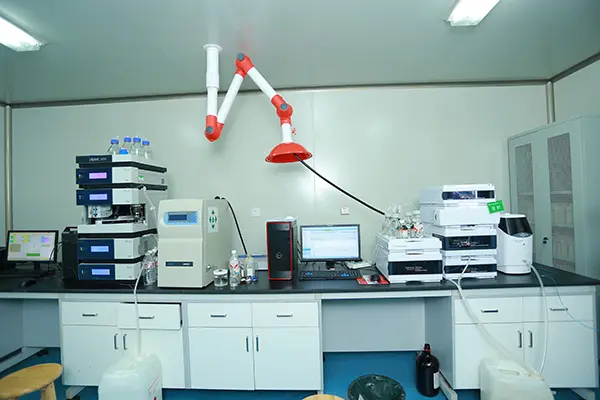
Strict quality control processes backed by a CNAS-certified laboratory and advanced testing instruments.
United New Life has established a leading and complete quality control system, and strictly controls the high quality of products in accordance with the quality system. With advanced testing instruments, strict control of product quality, to provide every customer with high quality products.
Detectable items are: Signature component detection (HPLC or UV), solvent residues GC, pesticide residues (organochlorine detection) GC-MS-MS, heavy metals (lead, arsenic, mercury, cadmium, copper) ICP-MS microscopic identification, moisture, dry weight loss, ash, microbial limits, thin layer identification, weighing, conductivity, PH, sulfur dioxide residue, routine detection, etc.
Important testing instruments are: Two UHPLC Agilent 1290 ultra-high performance liquid chromatographs, four HPLC Agilent 1260 high performance liquid chromatography sets, there are two HPLC Shimadzu LC-20AT high performance liquid chromatograph, two HPLC Diane CU3000, two Shimadzu evaporative light scattering detector 2000ES, one Shimadzu GC2010 gas chromatograph, and one Shimadzu AA-7000 atomic absorption system.
| Quality System Category | Tested Parameters & Actions |
|---|---|
| Active Ingredient Analysis | Assay, identification, signature component profile using ultra-high performance liquid chromatography (UHPLC) |
| Hazardous Substance Analysis | Heavy metals (Pb, As, Hg, Cd, Cu via ICP-MS), pesticide residue, toxic solvent residue monitoring |
| Microbe Analysis | Total bacteria counts, Escherichia coli, Yeast & mould, specific pathogenetic micro-organism checks |
| Raw Material Control | Pre-extraction monitoring: pesticide residues, allergy origins, GMO verification, geographical origin of raw material |
| Laws & Regulations | Cross-border regulatory alignment (EMA, FDA, NMPA standards research and product adaptation) |
| Stability Test | Real-time and accelerated stability study to guarantee shelf-life validation |
| Other Parameters | pH value, moisture, ash, optical rotation, bulk/tapped density, particle size mesh distribution |
| Instrument Model | Quantity | Analytical Purpose / Target Analytes |
|---|---|---|
| UHPLC, Agilent 1290 | 2 Units | Ultra-performance profiling of active markers and plant saponins |
| HPLC, Agilent 1260 | 4 Units | Routine active content quantification and peak identification |
| HPLC, Shimadzu LC-20AT | 2 Units | Parallel assays and active constituent detection |
| ELSD, Shimadzu 2000ES | 2 Units | Analysis of non-chromophoric plant compounds (e.g. Saponins, sugars) |
| Shimadzu GC-2010 | 1 Unit | Residual solvent fraction and volatile impurity quantification |
| Shimadzu AA-700 | 1 Unit | Atomic absorption trace heavy metal determination |
Investing in biotechnology and vertically integrated crop cultivation to ensure raw material tracing and low unit costs.
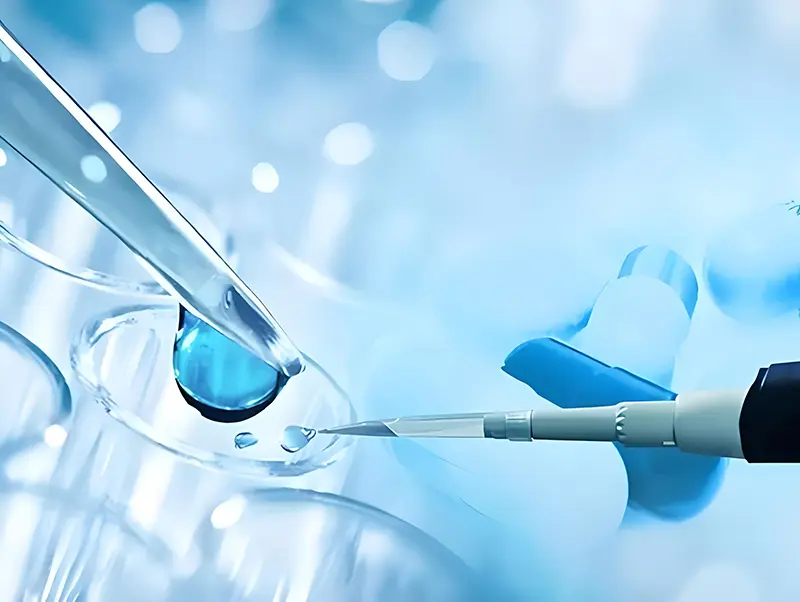
UniCare invests 10% of our annual net profit in research and development. In addition to optimizing and developing the existing natural plant extraction process, we have also established a professional R&D department for the natural fermentation products. By increasing investment in natural fermentation products, we try to break through the traditional processes and disrupt industry development.
UniCare has deep cooperation with Beijing University of Chemical Technology in the field of fermentation, jointly developing and transforming the new raw materials of pharmaceutical, cosmetic, and natural health products into mass-produced products.
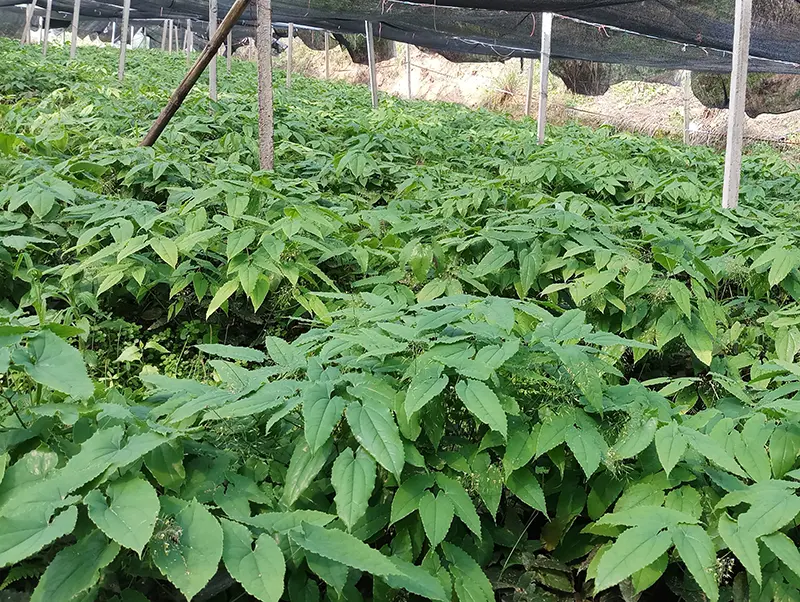
In order to control raw materials more efficiently and with higher quality, a raw material procurement system has been established, which extends procurement to every piece of planting land and can trace the raw materials of each batch of products. The storage of raw materials is operated according to the advanced quality management system process, and the content of active ingredients, moisture, ash, heavy metals, pesticide residues and other items of raw materials are strictly controlled.
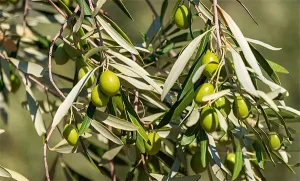
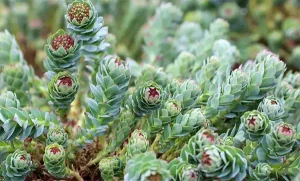
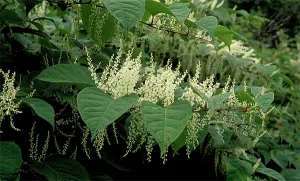
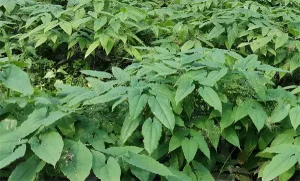
UniCare cooperated with planting farmers to establish ginkgo leaf planting bases, epimedium planting bases, phellodendron planting bases, olive leaf planting bases, etc. Some of these bases are planted strictly in accordance with the GACP management model. In addition, we cultivate better seedlings through hybridization or gene optimization to benefit users with lower unit costs.
Building the next generation of eco-friendly surfactants via synthetic biology and clean extraction technologies.
UniCare’s future R&D roadmap focuses heavily on combining green solvent systems (like supercritical CO2 and subcritical water extraction) with synthetic biology. By engineering yeast and bacterial strain platforms (cell factories), we are developing scaling models for bio-surfactants such as rhamnolipids and sophorolipids. This hybrid methodology reduces dependence on raw agricultural lands while maintaining the purity and stability profiles that high-performance cosmetics demand.
By integrating enzymatic biotransformation with traditional countercurrent extraction, we are modifying natural triterpenoid saponin molecules to lower their critical micelle concentration (CMC). This increases foaming efficiency at significantly lower usage rates.
To address the international compliance mandates of our cosmetics and pharmaceutical partners, UniCare operates a strict chemical pedigree management protocol. Our raw material sourcing and extraction procedures are designed to meet ECOCERT, COSMOS, and USDA Organic certification guidelines.
Our analytical lab generates complete compliance data packages for each batch, including heavy metal profiling via ICP-MS, GC-MS-MS screening for pesticide residues, and carbon-14 dating to confirm 100% bio-based origin. With our help, our partners navigate global safety reviews smoothly.
Expert answers addressing the physics, chemistry, and formulation parameters of our natural active ingredients.
Natural foaming agents, particularly triterpenoid saponins and steroidal saponins, possess a hydrophilic-lipophilic balance (HLB) that allows them to lower water surface tension. Unlike SLS/SLES, plant saponins form highly elastic, viscoelastic micro-foams that do not compromise the skin barrier or trigger irritation. They have a lower critical micelle concentration (CMC), allowing formulations to use less active surfactant while maintaining excellent cleaning action and skin safety.
Consistency is managed via two main strategies: GACP planting management and advanced analytical verification. By cultivation control (using hybridized/optimized seedlings) and unified agricultural parameters, our raw crop variations are minimized. At our extraction facilities, we use automated, intelligent countercurrent lines that keep extraction factors (such as solvent-to-material ratios, temperature, and cycle duration) strictly consistent. Every batch undergoes fingerprint screening using UHPLC (Agilent 1290) to match active constituent profiles before release.
Our strategic manufacturing facilities hold comprehensive quality management system certifications. These include China GMP, EU-GMP (EUGMP), CEP (Certificate of Suitability to the Monographs of the European Pharmacopoeia) for specific extracts like Ginkgo Biloba, ISO9001, ISO22000, and HACCP. Our production lines operate under strict global sanitary and safety conditions.
Yes. Many of our plant extract lines are processed using green solvent systems (such as ethanol and purified water extraction) without synthetic chemical modifications. This aligns with ECOCERT and COSMOS green chemistry criteria. We provide complete chemical traceability, allergen declarations, and non-GMO certificates to assist your registration processes.
Our facilities process up to 30,000 tons of botanical raw materials annually. This scale is supported by six advanced extraction lines, including three dynamic countercurrent systems (10-ton and 15-ton designs) and six 20-ton fermentation bioreactors. These bio-fermenters allow us to scale advanced biotransformed actives and bio-surfactants efficiently.
Complete your formulations with our certified botanical active powders, standardized extracts, and health supplements ingredients.