Alpha Glucosyl Rutin (AGR) represents the pinnacle of enzymatically engineered bioflavonoids. While conventional Rutin (Quercetin-3-O-rutinoside) has long been celebrated for its outstanding antioxidant properties, its incorporation in cosmetic and pharmaceutical formulations is severely restricted due to its poor water solubility. AGR breaks this molecular bottleneck through a precise transglucosylation reaction.
By enzymatically binding a glucose moiety to the rutin molecule at the alpha position, the solubility of the compound in water increases dramatically—up to 12,000 times compared to standard rutin. This structural alteration dramatically enhances the bio-absorption rate and structural stability of the flavonoid when formulated into complex hydrophilic systems. It serves as a formidable radical scavenger, offering deep protection against oxidative stress, lipid peroxidation, and cellular degradation induced by UV radiation.
For research and quality assurance teams evaluating supplier specifications:
Mapping the transition from laboratory scale synthesis to high-capacity Chinese manufacturing pipelines.
In global cosmetic markets, the demand for clean, stable, and highly bioavailable antioxidants has surged. AGR has become the cornerstone molecule in luxury sunscreen formulations, anti-glycation creams, and urban pollution defense shields, particularly across Western Europe and East Asia.
Due to the complexity of biocatalytic enzymes, China has established itself as the leading global manufacturing hub. The concentration of advanced fermentation capacities, paired with raw material integration (abundant raw rutin source fields), gives Chinese factories an unmatched cost-to-purity advantage.
Market studies estimate that the compound annual growth rate (CAGR) for glucosyl flavonoids will exceed 8.2% through 2030. The industry is moving from classic extraction toward advanced biocatalytic transformations, ensuring lower environmental footprints and completely GMO-free processing paths.
A rigorous multi-stage biochemical synthesis process designed for ultimate pharmaceutical standardization.
Our manufacturing network uses Cyclodextrin Glucanotransferase (CGTase) acting on high-grade starch donors to introduce alpha-1,4-glycosidic linkages to the raw Rutin crystals suspended in buffered aqueous solutions. This is followed by specific amyloglucosidase treatments to trim down complex poly-glucosylated chains, rendering pure, highly soluble mono-glucosyl and di-glucosyl rutin fractions.
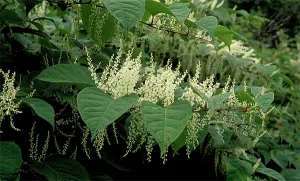
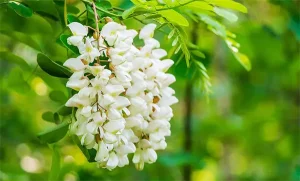
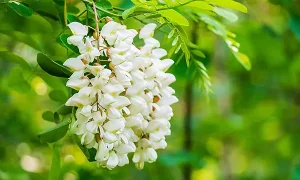
Isolation of high-purity natural Rutin from Sophora Japonica L.
CGTase enzyme incubation under precise pH and thermal limits.
Separation of free glucosyl donors and unreacted rutin matrices.
Low temperature drying ensuring amorphous powder state for rapid dissolution.
UniCare is a professional supplier of natural active ingredients. Our products are widely used in various fields such as dietary supplements, food, cosmetics, and pharmaceuticals. We focus on product development and quality stability, and insist on growing together with our customers around the world.
UniCare has deep cooperation with several excellent Chinese manufacturers who have complete quality management system certifications, including but not limited to GMP, EUGMP, CEP, ISO9001, ISO22000, and HACCP. Each factory has independent testing capabilities and is equipped with advanced and efficient testing equipment to ensure the high quality and long-term stability of each batch of products.

The strategic pillars guiding our ongoing biotechnology innovations.




Why UniCare stands out in scale, intelligence, and international compliance.
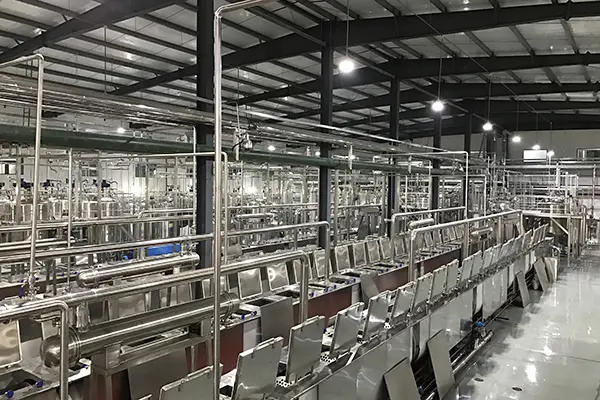
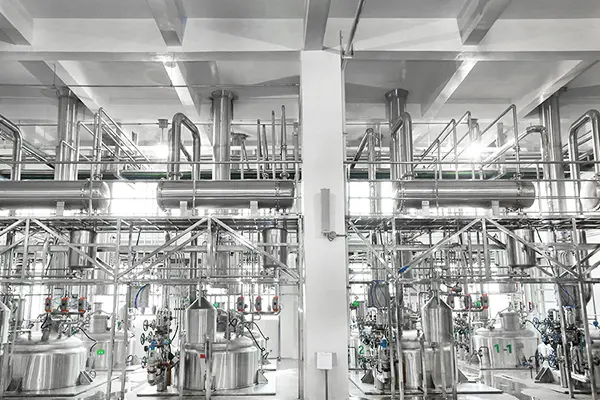
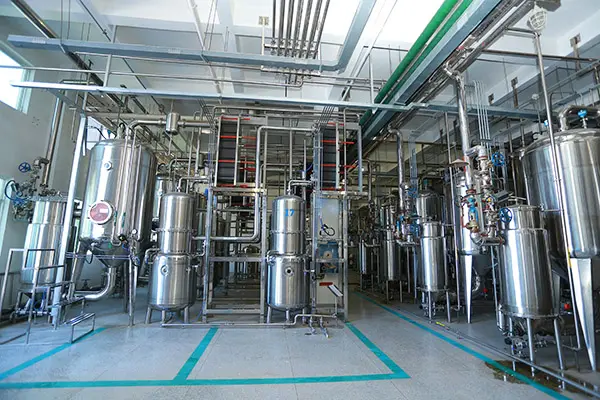
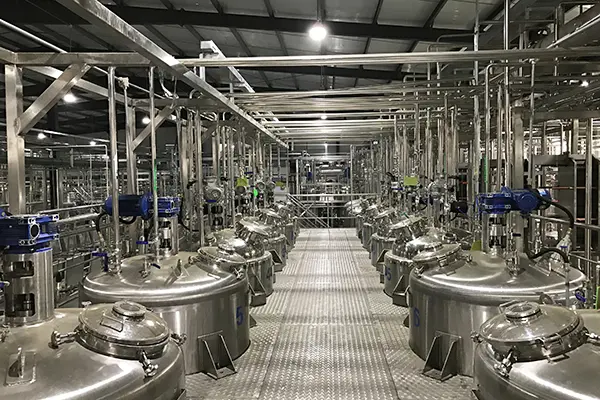
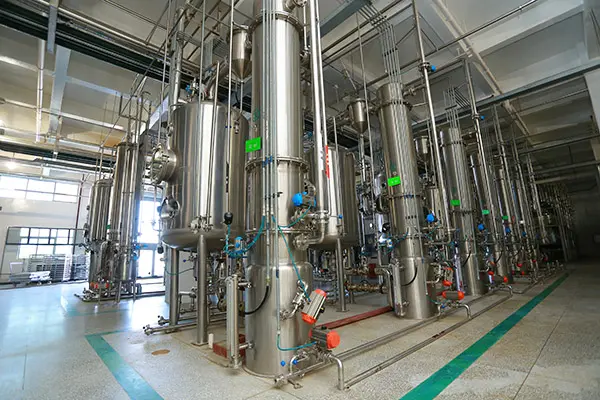
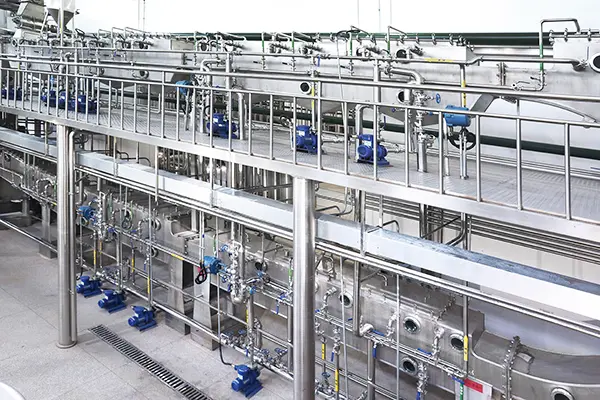
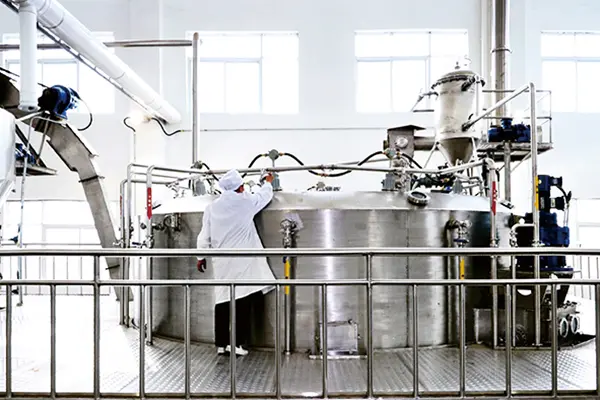
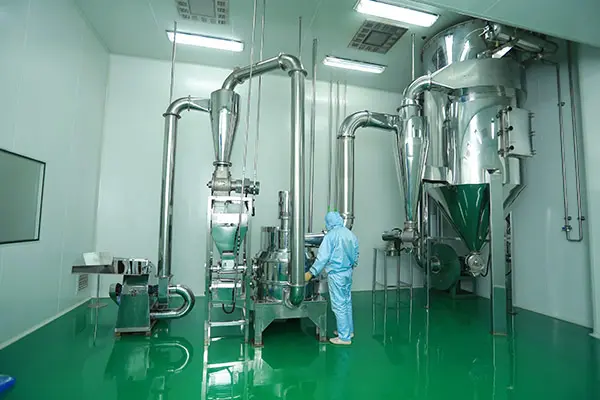
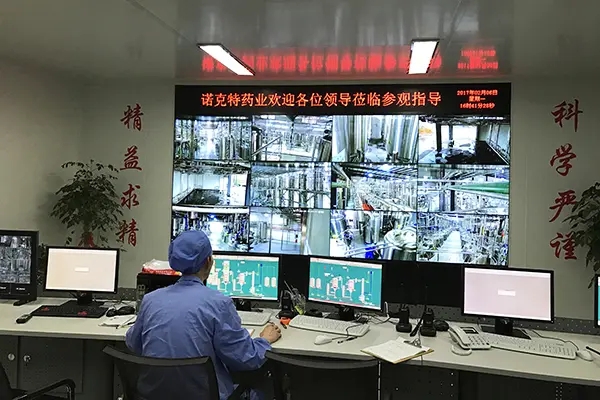
UniCare attaches great importance to the hardware conditions of production equipment and has the largest and most advanced extraction factory in China. The entire production line in UniCare is controlled by a modern, intelligent, automatic control system.
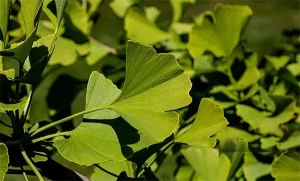
Until now, UniCare has built up two GMP workshops, containing six multi-functional extraction lines, among which there is the only production line for Ginkgo Biloba Extract of acetone process in the whole China. Here are several other production lines including fermentation production lines and Chinese medicine pieces. A total of 30,000 tons of various Chinese medicine plant raw materials can be processed each year.

The factory has fully passed and conforms strictly to the China GMP certification standards.

We possess verified EU-GMP and CEP certifications for our Ginkgo Biloba Extract lines.

All extraction production lines adopt state-of-the-art modern, intelligent, and automated control systems.

We own and operate the most advanced phytotherapy and bio-chemical extraction equipment in China.

Robust processing volume of 30,000 tons of botanical raw materials and Chinese medicine pieces annually.

Features 3 annular dynamic countercurrent lines (10T & 15T), 2 multi-functional lines (32 tanks, 6m³ each), and 1 round dynamic countercurrent line.

Own the only acetone process extraction line for Ginkgo Biloba Extract in China that meets EU GMP standards.
We own 6 massive fermentation tanks (each with a 20-ton capacity) specifically tailored for enzyme-modified products like Alpha Glucosyl Rutin.
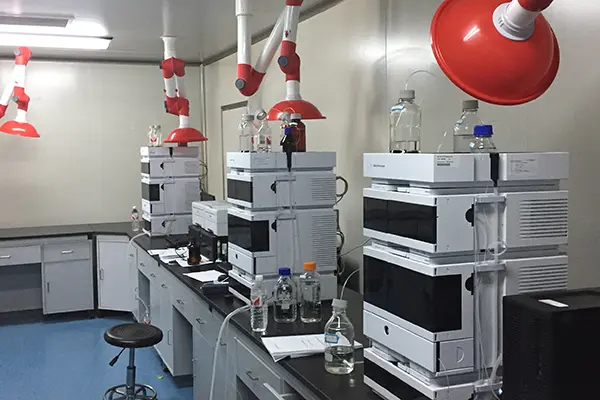
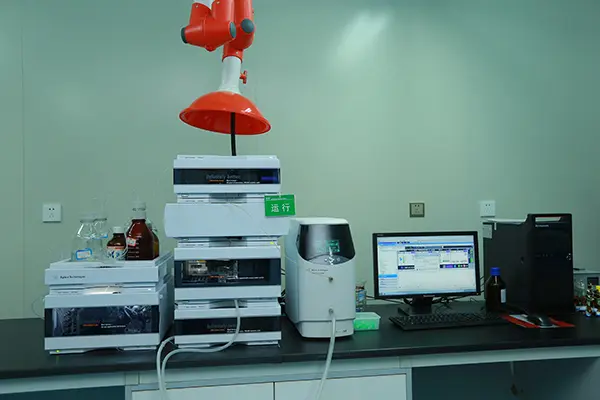
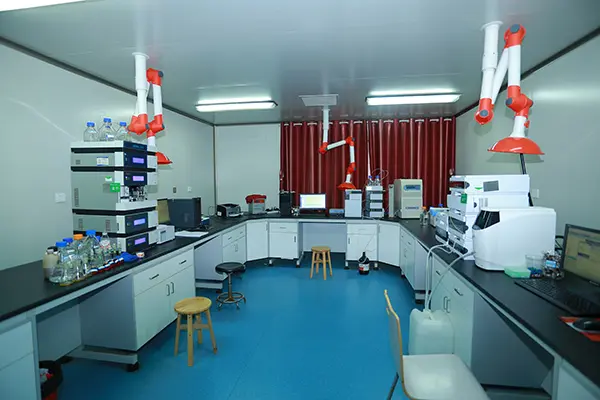
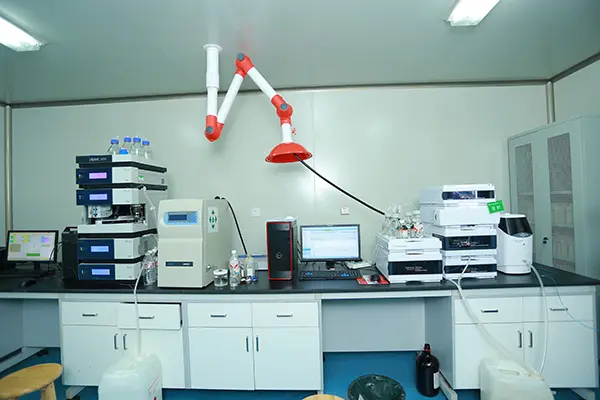
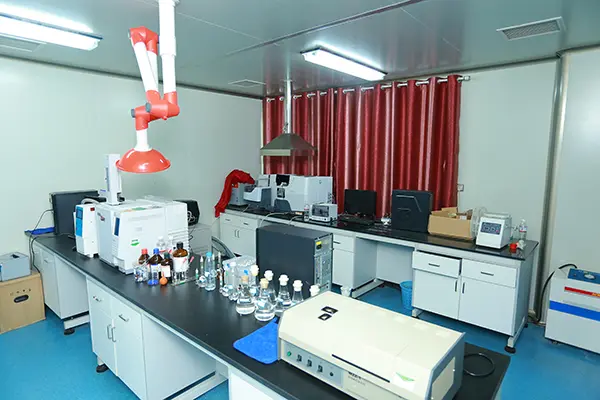
Rigorous verification and analytical protocols executed in our state-of-the-art testing facility.
United New Life (UniCare) has established a leading and complete quality control system, and strictly controls the high quality of products in accordance with the quality system. With advanced testing instruments and strict control of product quality, we provide every customer with high quality products.
Detectable items include: Signature component detection (HPLC or UV), solvent residues (GC), pesticide residues (organochlorine detection, GC-MS-MS), heavy metals (lead, arsenic, mercury, cadmium, copper by ICP-MS), microscopic identification, moisture, dry weight loss, ash, microbial limits, thin layer chromatography identification, density weighing, conductivity, pH, sulfur dioxide residue, and other routine raw material metrics.
| Analytical Category | Specific Testing & Monitoring Items |
|---|---|
| Active Ingredient Analysis | Assay, Identification (TLC/HPLC/UV Fingerprints) |
| Hazardous Substance Analysis | Heavy metals (ICP-MS), Pesticide residues (GC-MS-MS), Residual Solvents (GC) |
| Microbe Analysis | Total aerobic count, Yeast & mold, Escherichia coli, Salmonella, specific pathogenetic microbial test |
| Raw Material Control | Pesticide residue trace, Allergen source validation, Non-GMO statement, Geographical origin authentication |
| Laws & Regulations Confirmation | Compliance check with EU, FDA, NMPA (China), JP, and USP monograph requirements |
| Stability Test | Accelerated shelf life validation, heat/light stability chamber analysis |
| Physicochemical Properties | pH value, Moisture, Ash content, Optical rotation, Particle size, Bulk density, Solubility metrics |
The Central Lab is approx. 800m² and qualified by CNAS. Key machinery includes:
Combining synthetic biology developments with GACP standardized agricultural bases.
UniCare invests 10% of our annual net profit in research and development. In addition to optimizing and developing the existing natural plant extraction process, we have also established a professional R&D department for natural fermentation products. By increasing investment in natural fermentation products, we try to break through the traditional processes and disrupt industry development.
UniCare has deep cooperation with Beijing University of Chemical Technology in the field of fermentation, jointly developing and transforming the new raw materials of pharmaceutical, cosmetic, and natural health products into mass-produced products.
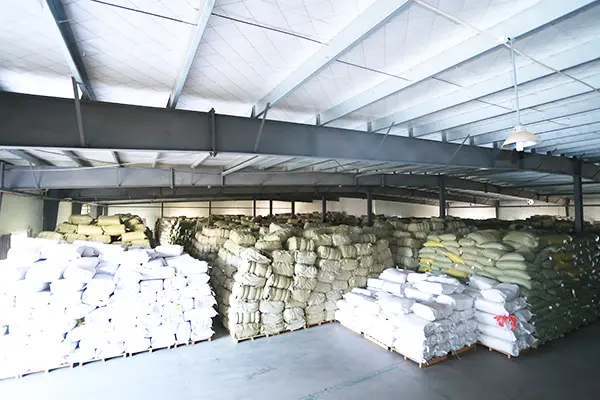
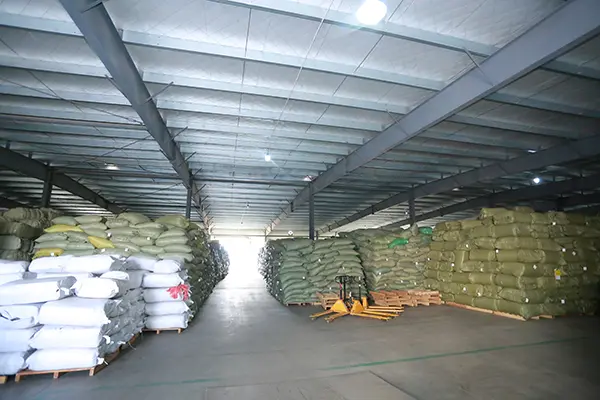
In order to control raw materials more efficiently and with higher quality, a raw material procurement system has been established, which extends procurement to every piece of planting land and can trace the raw materials of each batch of products. The storage of raw materials is operated according to the advanced quality management system process, and the content of active ingredients, moisture, ash, heavy metals, pesticide residues and other items of raw materials are strictly controlled.
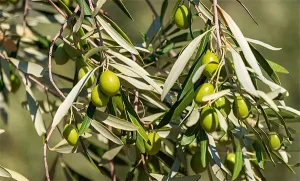
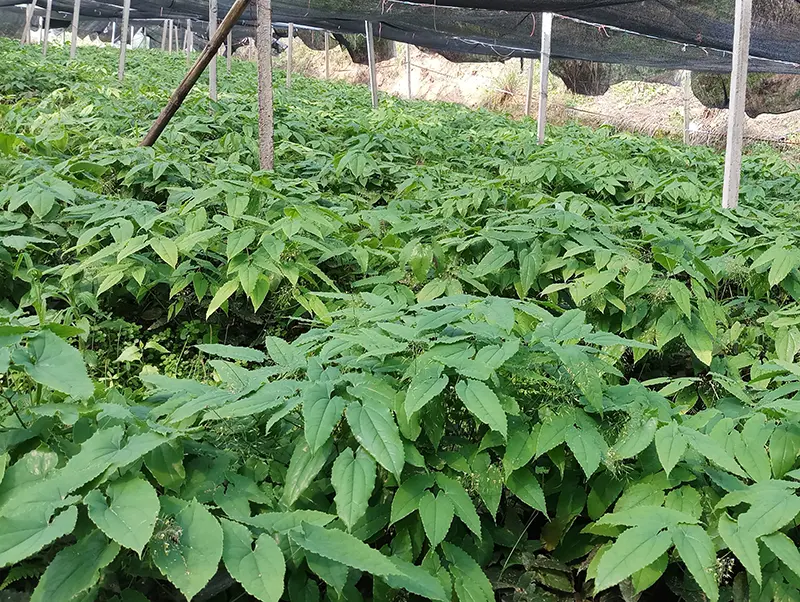
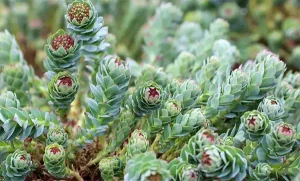
At the same time, in order to further ensure the high quality of important products, UniCare cooperated with planting farmers to establish ginkgo leaf planting bases, epimedium planting bases, phellodendron planting bases, olive leaf planting bases, etc. Some of these bases are planted strictly in accordance with the GACP management model. In addition, we cooperate with seedling research and development companies to develop high-content seedling cultivation, and cultivate better seedlings through hybridization or gene optimization, so as to continuously reduce unit costs to benefit users.
How cosmetic and nutraceutical R&D departments utilize AGR to resolve stability challenges.
Standard chemical filters (like Avobenzone) break down rapidly under sunlight. AGR serves as a secondary photostabilizer and potent antioxidant that neutralizes free radicals directly at the skin's surface, preventing UV-induced lipid degradation and reducing redness (sunburn) kinetics.
AGR acts as an inhibitor of Advanced Glycation End-products (AGEs), which stiffen collagen fibers and make skin look sallow. Because of its outstanding solubility, it easily blends with Vitamin C, Niacinamide, and Hyaluronic Acid without creating precipitate or grittiness.
As an ingestible bioactive agent, AGR's water solubility makes it perfect for functional RTD (Ready-To-Drink) beauty beverages. It remains clear in aqueous systems even at low pH levels, delivering highly bioavailable vascular support and cellular antioxidant benefits without changing the flavor or appearance of the product.
Technical answers compiled by our leading researchers and quality assurance specialists.
When stored in its original sealed containers at temperatures below 25°C, away from moisture and direct light, Alpha Glucosyl Rutin maintains a minimum shelf life of 24 months. Our testing labs have validated that the glucosyl linkages remain stable under dry conditions, preventing reversion into poorly soluble free rutin.
While Vitamin C derivatives (like Ascorbyl Glucoside) are excellent skin brighteners, they are sensitive to high temperatures and trace transition metals. AGR acts as both a primary antioxidant and a heavy metal chelator. Formulating them together creates a synergistic dynamic, where AGR helps protect the Vitamin C from oxidation, boosting the shelf life of the final product.
Yes, all our collaborative production lines utilize enzymes sourced from non-pathogenic, non-GMO donor organisms (typically food-grade Bacillus species). The starch donors used for transglucosylation are strictly IP (Identity Preserved) non-GMO corn/cassava starches, meeting the cleanest standards for European and North American cosmetic regulations.
AGR exhibits exceptional stability across a broad pH range from 3.5 to 7.5. It does not undergo hydrolysis in moderately acidic skin-peel formulations or neutral-to-basic emulsified skincare bases. This broad compatibility makes it highly versatile compared to other bioflavonoids.
We employ real-time HPLC (High-Performance Liquid Chromatography) tracking to monitor the consumption of free Rutin and the formation of Mono-glucosyl Rutin (the most bioactive form). Any residual amylase or glycosyl donor residues are removed through specialized adsorption resin columns and molecular filtration, ensuring a clean, high-purity final product.