Providing high-purity botanical raw materials and active ingredients to global dietary supplement and pharmaceutical manufacturers.
Beta-glucans represent a structural subclass of naturally occurring biologically active homopolysaccharides composed of D-glucose monomers linked via glycosidic bonds. Depending on their botanical and microbiological sources—such as yeast cell walls (Saccharomyces cerevisiae), cereal grains (oat, barley), and medicinal fungi (reishi, shiitake, maitake)—these molecular chains vary in linkage pattern, molecular weight, branching density, and water solubility, which in turn dictates their physiological properties.
Yeast-derived Beta-1,3/1,6-D-Glucan: This structure is considered the most potent immune modular activator. The primary backbone consists of β-(1,3)-glycosidic bonds with structural branching at β-(1,6) intervals. When orally administered in capsule form, the micro-particulate Beta-glucan is taken up by the M-cells within Peyer’s patches in the small intestine, triggering a systemic immune response by binding directly to the Dectin-1 and complement receptor 3 (CR3) receptors on phagocytic cells, including macrophages and neutrophils.
Oat & Cereal-derived Beta-1,3/1,4-D-Glucan: Possessing a linear structure, this polymer forms a viscous gel in the upper gastrointestinal tract, which slows down glucose absorption and complexes bile acids, showing beneficial effects in maintaining cardiovascular health and healthy cholesterol ranges.

Empowering global distributors and brands with advanced Chinese extraction infrastructure and high-throughput production capacities.
As a leading center of biochemical fermentation, China offers significant supply chain advantages for international buyers of Beta-Glucan Capsules. UniCare coordinates and controls raw material sourcing, upstream extraction, and high-speed encapsulation to deliver highly competitive, high-purity dietary supplements.
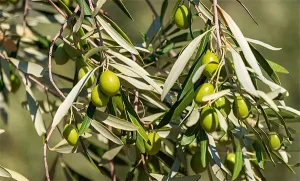
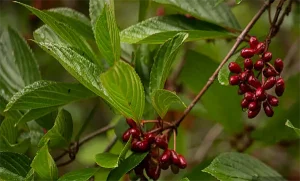
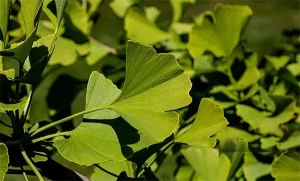
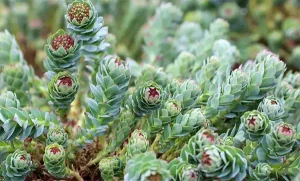
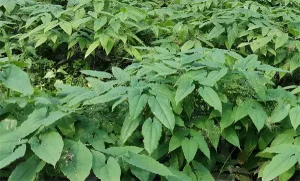
Our deep partnerships with certified Chinese manufacturers ensure high-volume raw material security. Cultivating native plant bases (Ginkgo leaf, Epimedium, Phellodendron, Olive leaf) and running large industrial-scale yeast fermentation bioreactors guarantees stable input prices and consistent production schedules, minimizing volatility in global ingredient supplies.
Furthermore, China's advanced logistics networks, state-subsidized transport corridors, and proximity to major shipping hubs reduce delivery timelines. By integrating automatic capsule production lines, we reduce unit manufacturing costs, allowing our customers to access premium health products with lower minimum order volumes (MOQs).

Building high-quality dietary solutions through advanced scientific principles and strong regulatory compliance.

We work to unlock the natural bioactivity of herbal compounds through advanced extraction techniques, bringing validated health benefits to consumers worldwide.

Investing 10% of annual net profit back into chemical and biological research to optimize production pipelines and develop next-generation fermentation technologies.

Operating six multi-functional industrial extraction systems and modern fermentation tanks, including highly complex organic solvent separation processes.

Cultivating local raw material bases with farming cooperatives, providing fair wages, and implementing eco-friendly waste processing protocols.
UniCare operates state-of-the-art facilities equipped with modern, automated control systems. Our extraction facility is built to handle complex botanical processing, supporting both high-capacity demands and specialized product development.
Six Multifunctional Extraction Lines: Our production line configuration includes three annular dynamic countercurrent extraction lines (10-ton and 15-ton capacities), two multi-functional extraction lines comprising 32 separate 6-cubic-meter extraction tanks, and one circular dynamic countercurrent extraction line (10-ton capacity). These systems use automated temperature and pressure controls to optimize compound yields while protecting delicate molecular structures.
The Specialized Acetone Ginkgo Line: UniCare operates the only acetone process extraction line for Ginkgo Biloba Extract in China that fully meets EU GMP standards. This process ensures the clean separation of terpene lactones and ginkgolic acids below regulatory limits, showcasing our ability to handle complex solvent systems for global pharmaceutical requirements.

Our extraction lines and clean rooms operate under strict global quality standards, validated by independent international auditors.

Fully approved and audited under Chinese national GMP regulations for dietary supplements and active ingredients.

Ginkgo Biloba Extract certified for EU import, ensuring compliance with strict European monographs.

All extraction production lines adopt modern, automated control systems for batch-to-batch consistency.

Operating modern, large-scale botanical processing technology to maximize bio-active yields.

Capable of processing up to 30,000 tons of raw materials annually, supporting large global contract runs.

Equipped with both annular and multifunctional extraction systems to support various processing methods.
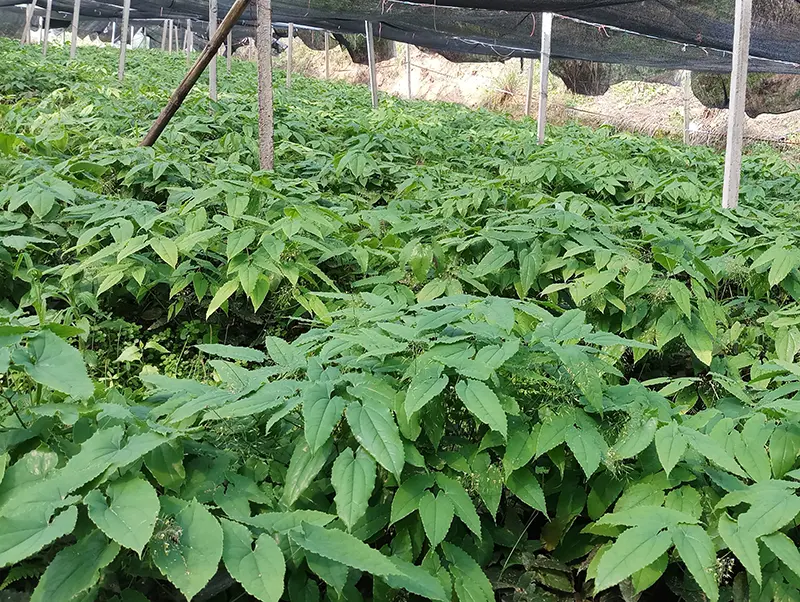
Our raw material strategy focuses on quality control at the source, ensuring full traceability from the field to the finished capsule.
R&D Partnerships: We invest 10% of our annual net profit into our research and development department. Alongside plant extraction optimization, we run a dedicated lab for natural fermentation products to refine traditional processes. We work in close cooperation with the Beijing University of Chemical Technology (BUCT) to co-develop, refine, and scale new bioactive raw materials for the pharmaceutical and dietary supplement markets.
GACP Harvesting & Traceability: To secure quality raw inputs, UniCare partners with local growers to manage dedicated planting bases for ginkgo leaf, epimedium, phellodendron, and olive leaf. Some of these bases operate under Good Agricultural and Collection Practices (GACP). By working with cultivation researchers, we select high-active-content crop strains to reduce costs and maintain reliable quality.

A look inside our cleanrooms, fermentation systems, and manufacturing environment.
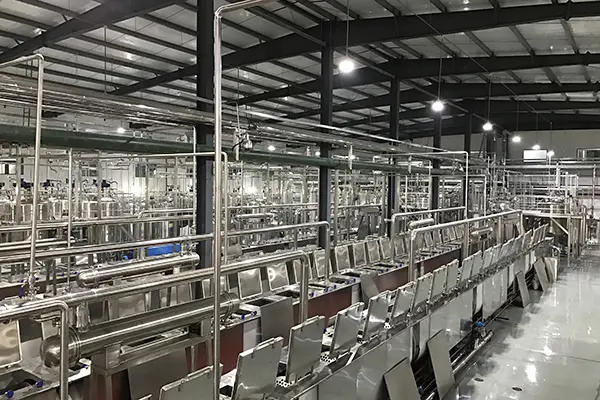
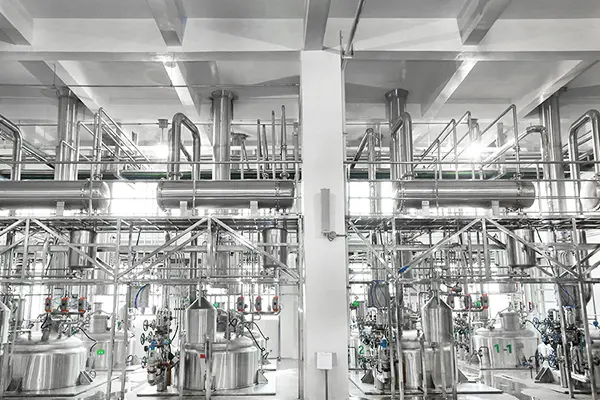
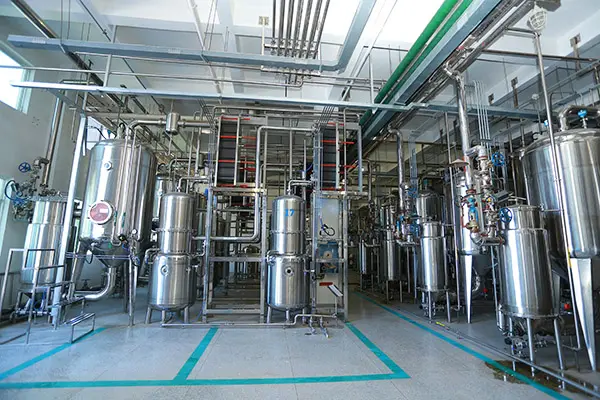
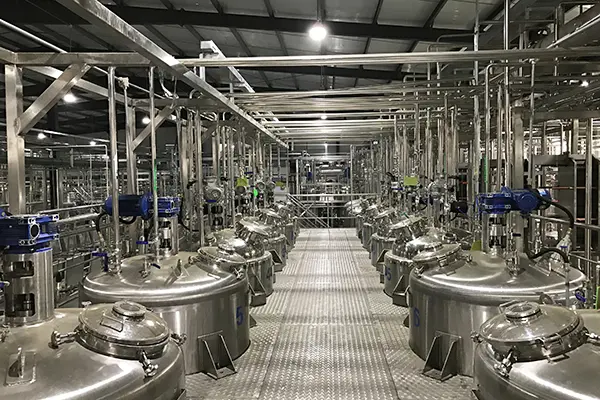
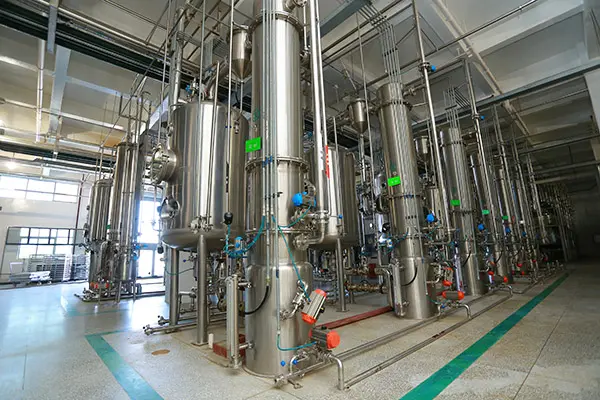
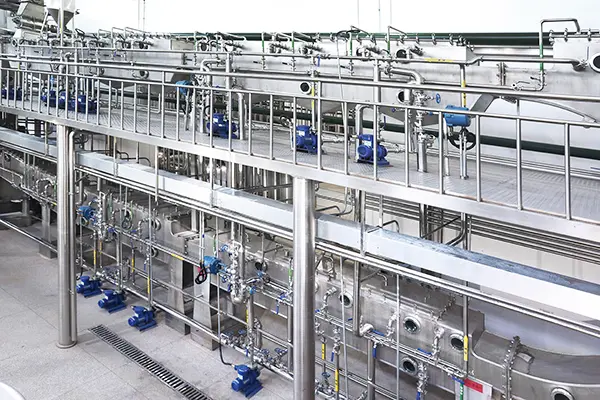
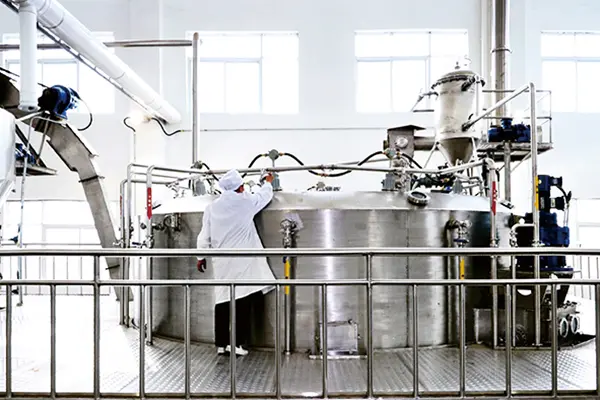
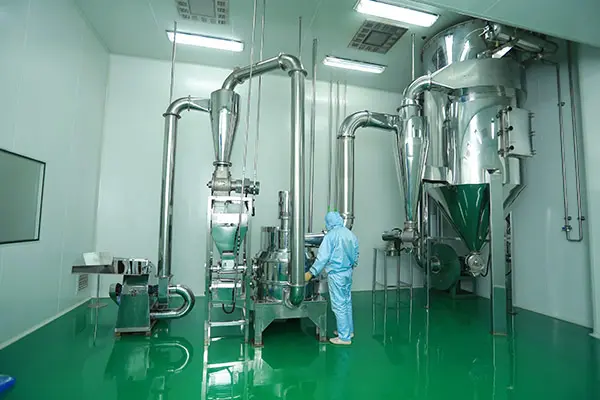
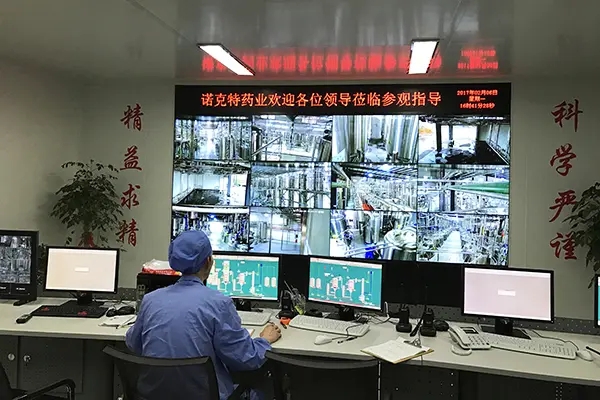
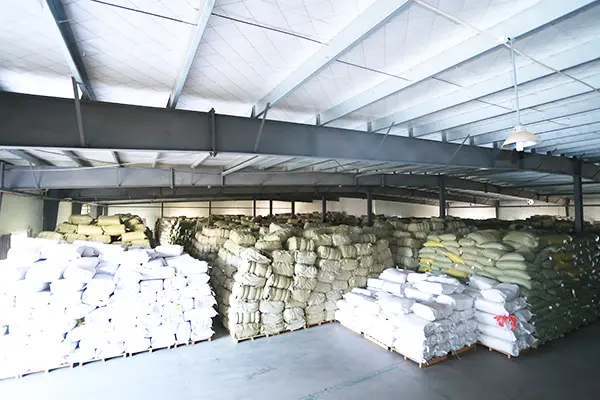
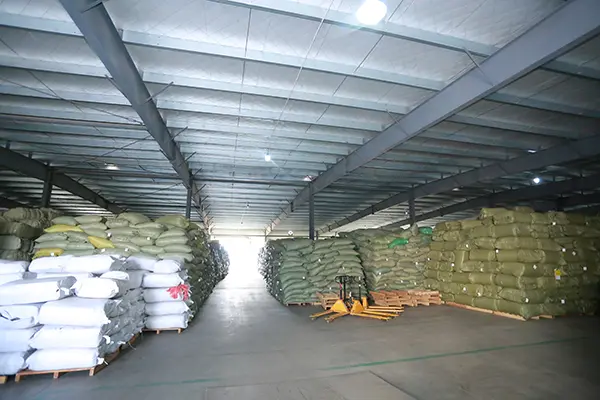
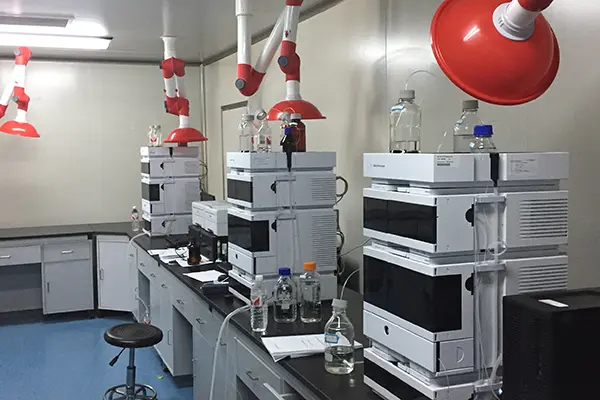
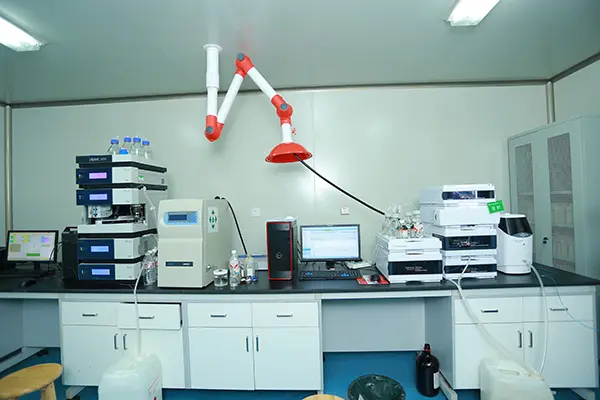
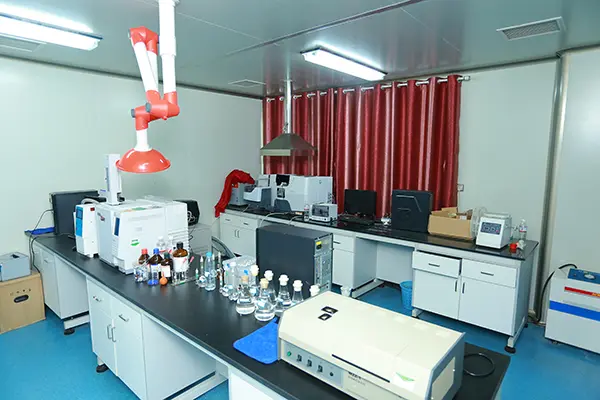
Our quality control system monitors every stage of production, from raw material inspection through to final packaging. Our testing laboratory is qualified by CNAS to verify batch purity and safety.
Testing Capabilities: We perform identification testing via thin-layer chromatography (TLC) and assay verification using High-Performance Liquid Chromatography (HPLC) and Ultraviolet-Visible (UV) spectroscopy. Gas Chromatography (GC) is used to test for organic solvent residues, while Gas Chromatography-Mass Spectrometry (GC-MS/MS) screens for pesticide residues. Heavy metal levels (lead, arsenic, mercury, cadmium, and copper) are monitored using Inductively Coupled Plasma Mass Spectrometry (ICP-MS). We also run microbiological assays to test for total plate count, yeast and molds, E. coli, and pathogens.
Analytical Instrumentation: Our laboratory is equipped with two Agilent 1290 Ultra-High Performance Liquid Chromatographs (UHPLC), four Agilent 1260 HPLC systems, two Shimadzu LC-20AT HPLC sets, two Dionex (Diane) CU3000 HPLC systems, two Shimadzu ELSD 2000ES detectors, one Shimadzu GC-2010 gas chromatograph, and one Shimadzu AA-7000 atomic absorption spectrometer.
Inside our analytical facility, equipped with Agilent and Shimadzu instrumentation.
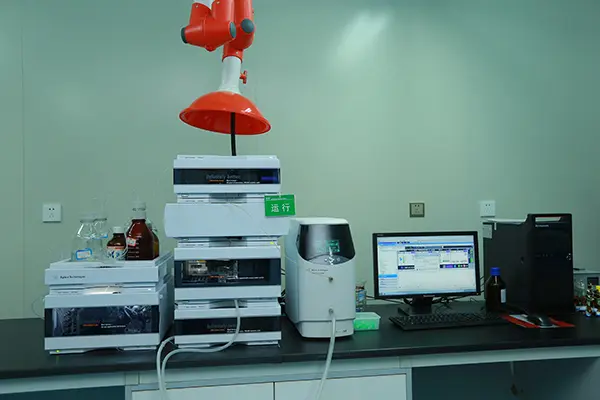
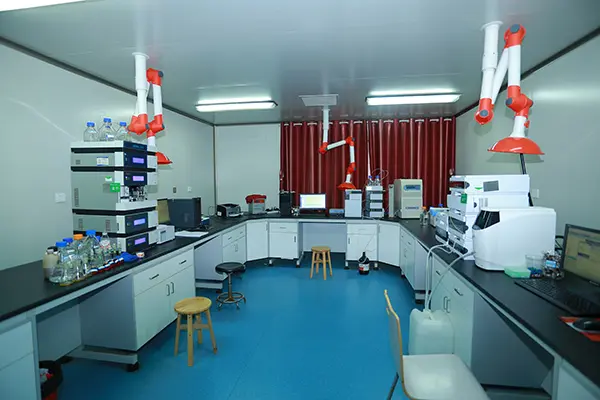
Analytical parameters and testing guidelines for our product batches.
| Testing Category | Analytical Target & Parameters | Methodology / Equipment Used |
|---|---|---|
| Active Ingredient Analysis | Assay verification, isomer composition, identity matching | UHPLC Agilent 1290, HPLC Agilent 1260, UV-Vis |
| Hazardous Substances | Heavy metals (Pb, As, Hg, Cd), pesticide residues, residual solvents | ICP-MS, GC-MS-MS, Shimadzu GC-2010 Gas Chromatograph |
| Microbiological Controls | Aerobic plate count, yeast & mold count, Salmonella, E. coli detection | Culturing, microbial limit assays, cleanroom laminar hoods |
| Raw Material Traceability | Botanical identity, GACP cultivation parameters, allergen profiles | TLC Identification, hybrid strain screening, sourcing records |
| Physical & Chemical Testing | Moisture content, ash percentage, tap density, pH, particle size | Loss on drying, furnace ash testing, laser particle size diffraction |
| Stability & Shelf-Life | Active compound decay monitoring under temperature & humidity stress | Stability environmental chambers, accelerated aging testing |
Navigating international regulatory frameworks is a key step in importing Beta-Glucan capsules. Different regions enforce distinct compliance parameters that distributors must address:
United States (FDA / FTC): In the US market, dietary supplements containing Beta-glucan must comply with the Dietary Supplement Health and Education Act (DSHEA). Label claims must avoid direct disease-treatment references, using structured structure-function statements instead. Raw yeast beta-glucan is generally recognized as safe (GRAS) by the FDA, simplifying its formulation in functional foods and capsules.
European Union (EFSA): The EU regulates certain beta-glucans as Novel Foods. Yeast and oat beta-glucan are approved with specific intake guidelines. Health claims related to cholesterol maintenance (for cereal beta-glucans) and immune support are subject to strict EFSA Article 13(1) and 14 requirements.
Asia-Pacific Regulatory Landscape: In China, beta-glucan is classified as a New Food Raw Material, while other APAC nations have varying dietary guidelines. UniCare supports global distribution by preparing comprehensive dossiers including Allergen Statements, GMO declarations, TSE/BSE-free certificates, and heavy metal reports.
Our ingredients and manufacturing partners meet major global industry certifications.
The global beta-glucan market continues to grow, driven by consumer demand for immune and digestive health supplements. Key industry trends include:
Clean-Label Formulations: Brands are shifting toward clean-label ingredients, driving demand for HPMC vegetable capsules or organic pullulan shells. UniCare offers gelatin-free and preservative-free encapsulation to help brands meet these clean-label standards.
Synergistic Formulations: Beta-glucan is frequently blended with active botanicals, minerals, and vitamins. Combining Yeast Beta-1,3/1,6-Glucan with ingredients like Vitamin C, Zinc, Elderberry, or Quercetin provides comprehensive immune support, making it popular for custom capsule manufacturing.
Enteric Coating Options: For stomach-sensitive ingredients, enteric-coated capsules prevent degradation by stomach acids, releasing the active compounds directly in the small intestine. This targeted release helps optimize absorption and performance.
Key information regarding ordering, specifications, custom formulations, and compliance.
Explore our broader catalog of high-purity active plant ingredients for health products.
Partner with a professional ingredient supplier. Get in touch with our team today to request samples, specifications, or custom pricing.
Contact Us Today