Explore our core botanical derivatives, engineered for stability, biological efficacy, and absolute trace safety. Supplying global industries with certified active principles.
Hesperidin (CAS No. 520-26-3), historically referred to as Vitamin P, is a prominent flavanone glycoside abundant in citrus fruits (specifically the pericarp of Citrus aurantium L. or bitter orange). Biochemically, it acts as a critical component in capillary strengthening, oxidative stress reduction, and cardiovascular therapeutic formulations. As a major component of citrus bioflavonoids, its structural integration of hesperetin and rutinose grants it specialized bio-efficacy.
Due to the globalization of clean-label nutraceuticals and complex pharmaceutical integrations, the industrial demand for Hesperidin has transitioned from simple agricultural extraction to high-tier purification, micro-milling, and chemical derivative development. In modern manufacturing, verifying assay levels, microbial barriers, and solvent boundaries remains paramount for strategic global buyers.
As a leading supplier in China, UniCare works alongside state-of-the-art facilities utilizing sophisticated multi-step crystallization, green extraction methodologies, and strict quality verification protocols to deliver exceptional raw material consistency.


UniCare is an established, professional supplier of natural active ingredients. Our high-performance botanical extracts are widely integrated in dietary supplements, functional foods, cosmetics, and pharmaceutical products. We prioritize long-term chemical consistency, quality stability, and co-development with our international clientele.
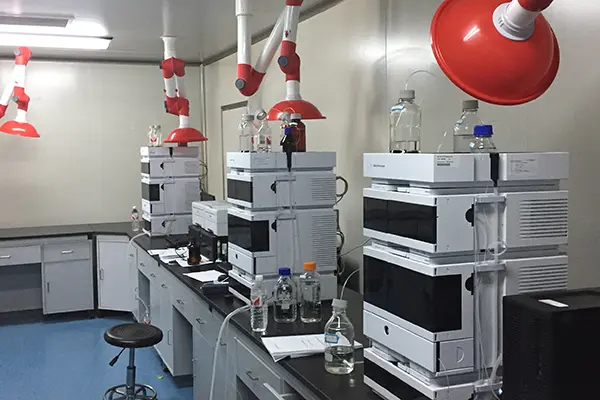
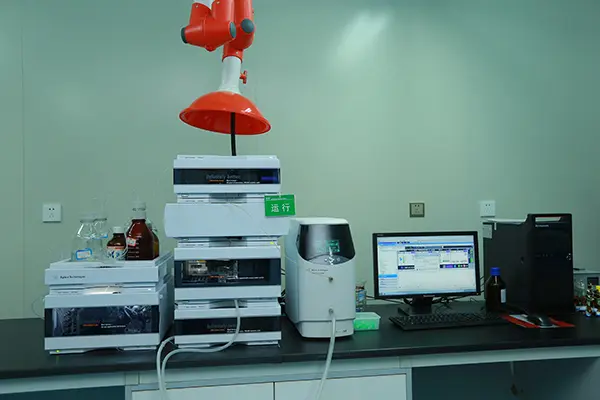
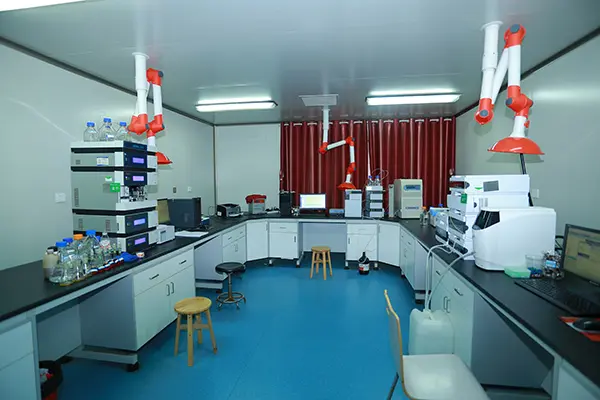
UniCare operates in deep coordination with top-tier Chinese manufacturers holding complete quality management system certifications, including GMP, EU-GMP, CEP, ISO9001, ISO22000, and HACCP. Each dedicated facility contains independent testing complexes equipped with state-of-the-art analytical equipment to verify every delivery batch.
Unifying botanical science with strict industrial execution to ensure sustainable active compound sourcing.

Uncovering and unlocking the latent chemical potential of herbal resources through targeted research and isolation techniques.

Iterating extraction technology and developing cleaner purification pathways for active substances.

Employing high-level engineering systems to maintain batch-to-batch chemical reliability and compliance.

Fostering career satisfaction, supporting regional agricultural communities, and optimizing green chemistry processes.
UniCare prioritizes physical hardware advancements, managing and cooperating with some of the most extensive botanical processing centers in China. The entire production sequence runs via modern, intelligent, automatic control loops.
Our facilities boast two dedicated GMP workshops hosting six multi-functional extraction setups. This includes the only Ginkgo Biloba Extract production line using an acetone process in China that complies with stringent EU-GMP standards.

B2B procurement teams require deep verification parameters to safeguard supplement purity, product efficacy, and consumer safety.
Many commercial materials present verification challenges. Global brands demand HPLC-verified assay metrics over simplified UV spectrophotometry. UniCare guarantees Hesperidin concentrations up to 90%-98% HPLC, confirming structural chemical identity.
Managing heavy metals (Lead, Arsenic, Cadmium, Mercury) and ethylene oxide (EtO) residues is critical for North American and European logistics. We execute targeted filtration to align with strict EP and USP residue regulations.
Solid-dose manufacturers face tablet compression and capsule flowability issues. We monitor bulk density, tapped density, and particle size distribution (e.g., 80-100 mesh sizes) to optimize down-stream formulation efficiency.
Our qualified CNAS central laboratory is key to ensuring raw material security, purity, and trace safety.
| Quality Category | Critical Control Testing Scope | Primary Instruments Used |
|---|---|---|
| Active Ingredient Assay | Fingerprint verification, HPLC / UV validation, related substances | Agilent 1290 UHPLC, Agilent 1260 HPLC, Shimadzu LC-20AT |
| Hazardous Residues | Organochlorine and organophosphorus pesticides, solvent residues, EU-regulated compounds | Shimadzu GC-2010 Gas Chromatograph, GC-MS-MS systems |
| Heavy Metals Trace Analysis | Arsenic, Lead, Mercury, Cadmium, Copper content | Shimadzu AA-7000 Atomic Absorption System, ICP-MS systems |
| Physical Characteristics | Loss on drying, ash analysis, bulk/tapped density, mesh particle profiling | Muffle furnaces, analytical balances, moisture analyzers |
| Microbiological Safety | Total plate count, yeast & mold limits, absence of E. coli, Salmonella | Biosafety cabinets, incubator chambers, PCR detection systems |

UniCare reinvests 10% of our annual net profit in research and development. We balance traditional plant extraction upgrades with a specialized development department focused on natural fermentation products, aiming to optimize conventional biochemical processing limits.
Our strategic collaboration with the Beijing University of Chemical Technology drives translation of lab-scale fermentation discoveries into commercial pharmaceutical, cosmetic, and health supplement ingredients.
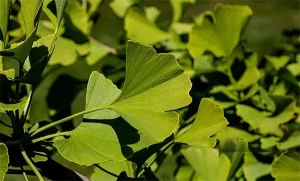
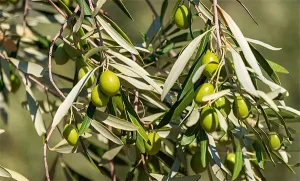
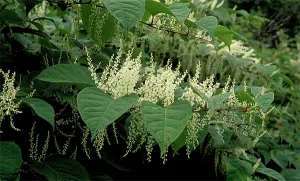
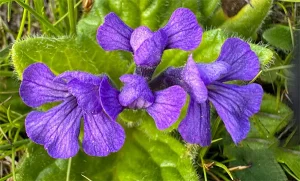
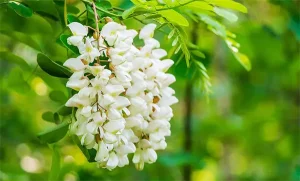
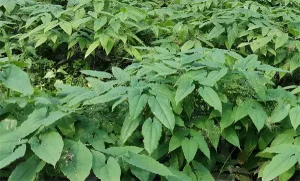
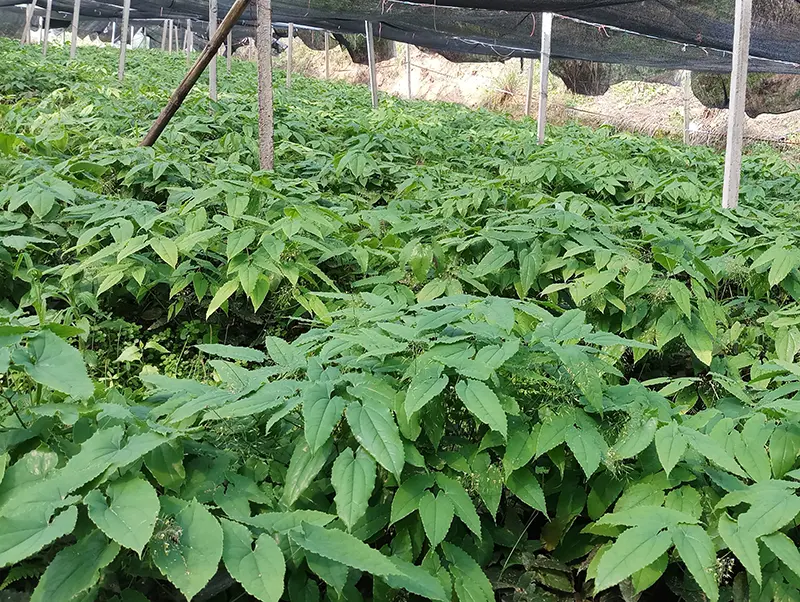
To ensure raw material traceability and quality stability, UniCare cooperates directly with local farms to manage structured planting zones for ginkgo leaf, epimedium, phellodendron, and olive leaf. Many of these fields are managed under strict GACP (Good Agricultural and Collection Practices) principles. We also partner with seedling research groups to optimize plant chemotypes, lowering extraction unit costs and helping protect clients against raw material cost volatility.
Deploying bioactive flavonoids across diverse markets with dedicated application engineering.
Hesperidin is widely utilized to support venous health, maintain capillary resilience, and enhance systemic microcirculation. Often formulated in combination with Diosmin, it acts as a primary active ingredient in dietary supplements targeting vascular tone and leg vein relief.
In combination with Ascorbic Acid (Vitamin C), Citrus Bioflavonoids like Hesperidin help support cellular immunity and boost antioxidant activity. Our fine-powder grades offer clean dispersibility, ideal for complex dry drink mix packets and chewable tablet formulas.
Hesperidin derivatives (such as water-soluble Glucosyl Hesperidin) are popular in topical cosmetics targeting dark circles and uneven skin tone. Our low-color, low-odor powder series is designed to maintain formulation stability without affecting final color or scent profiles.
How modern biochemistry and clean technology are driving the next generation of Vitamin P derivatives.
Natural hesperidin displays limited aqueous solubility, which can restrict its physiological absorption rates. The development of water-soluble derivatives, such as Methyl Hesperidin or enzyme-modified Glucosyl Hesperidin, offers significantly improved bio-absorption. UniCare tracks these advancements, refining chemical routes to support next-generation formulations.
Moving beyond conventional solvent extraction, modern research focuses on biocatalysis. Utilizing targeted microbial fermentation to convert citrus biomass into high-purity flavonoids provides a clean, waste-reducing alternative. Our joint research with the Beijing University of Chemical Technology is centered on scaling these biocatalytic pathways.
Clear answers to critical quality assurance, import regulation, and compound chemistry questions.
Leveraging modern processing systems to supply high-purity natural compounds for global dietary supplement, functional food, and pharmaceutical formulations.