The imperative shift toward natural sugar-reduction solutions driven by shifting consumer demands, clinical imperatives, and stringent regional policies.
The global food and beverage landscape is undergoing a structural transition. As modern health indices correlate refined sugar intake directly to cardiovascular diseases, type-2 diabetes, and metabolic syndromes, international regulators are aggressively implementing sugar taxes. In response, global brands are pivoting away from synthetic sweeteners—such as aspartame, acesulfame potassium, and sucralose—which are facing compounding clinical scrutiny. The definitive replacement is Organic Stevia Extract (Steviol Glycosides), a zero-calorie, plant-derived sweetener that offers exceptional thermodynamic and pH stability.
As a leading Chinese organic stevia extract factory and exporter, we stand at the epicenter of this global ingredient shift. China currently controls over 70% of the world's stevia refining capacity. This consolidation of supply chain excellence, paired with agricultural research and large-scale chromatographic isolation, enables us to offer bespoke sweetener solutions. We don't just supply raw materials; we optimize formulation costs, resolve organoleptic profile challenges, and assure comprehensive global compliance.
UniCare is a professional supplier of natural active ingredients. Our products are widely used in various fields such as dietary supplement, food, cosmetics and pharmaceuticals. We focus on product development and quality stability, and insist on growing together with our customers around the world.
UniCare has deep cooperation with several excellent Chinese manufacturers who have complete quality management system certifications, including but not limited to GMP, EUGMP, CEP, ISO9001, ISO22000, and HACCP. Each factory has independent testing capabilities and is equipped with advanced and efficient testing equipment to ensure the high quality and long-term stability of each batch of products.


Driving forward the innovation of natural plant extraction through sustainability, human capital development, and advanced engineering.




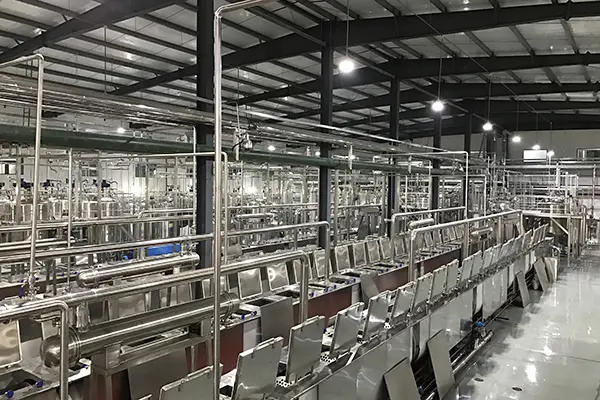
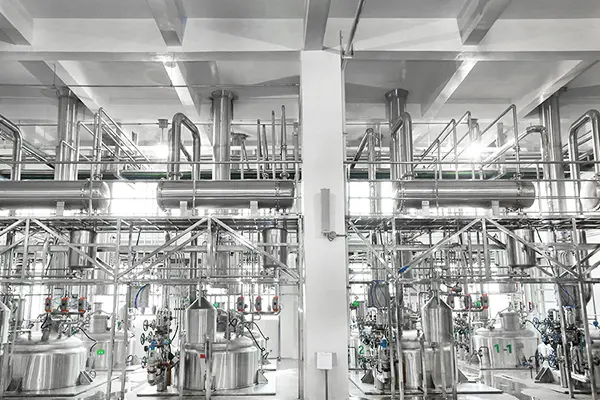
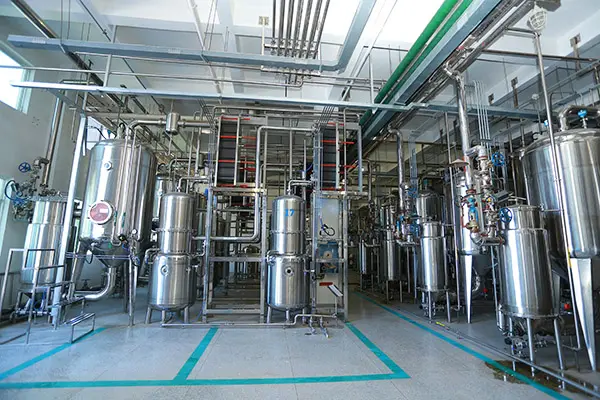
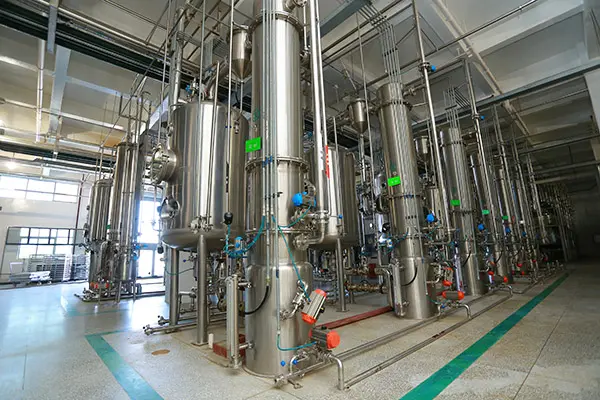
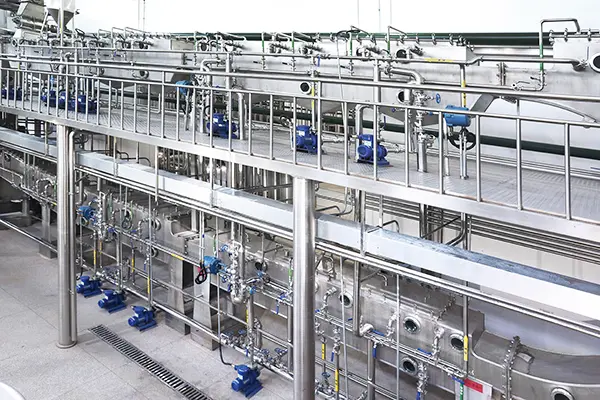
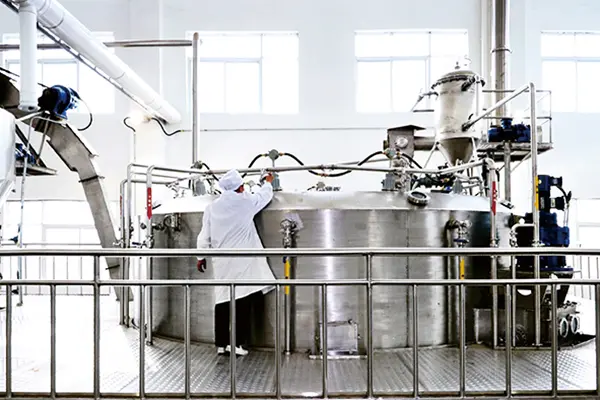
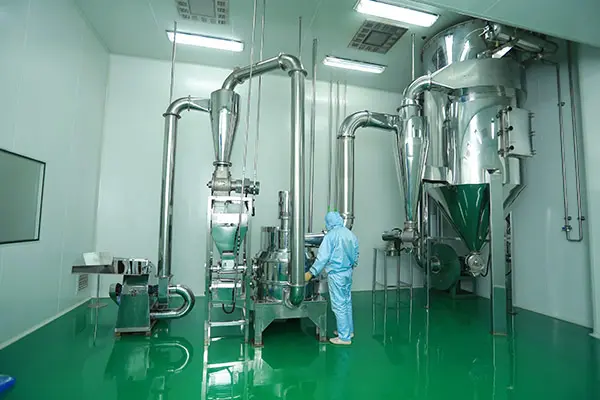
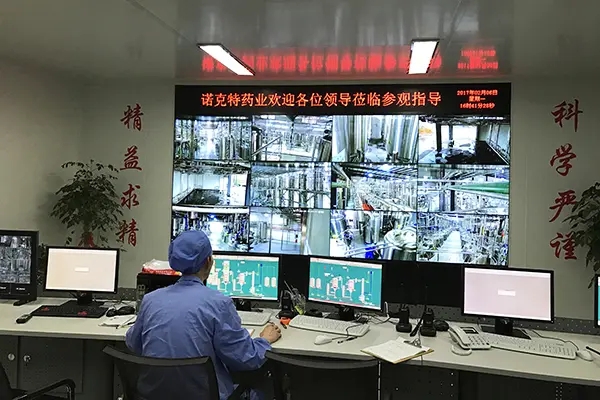
UniCare attaches great importance to the hardware conditions of production equipment and has the largest and most advanced extraction factory in China. The entire production line in UniCare is controlled by a modern, intelligent, automatic control system.
Until now, UniCare has built up two GMP workshops, containing six multi-functional extraction lines, among which there is the only production line for Ginkgo Biloba Extract of acetone process in the whole China. Here are several other production lines including fermentation production lines and Chinese medicine pieces. A total of 30,000 tons of various Chinese medicine plant raw materials can be processed each year.

Our extraction factory has passed the official China GMP certification, aligning with global sanitary standards.

Our EU-GMP and CEP of Ginkgo Biloba Extract has been certified, proving international pharmaceutical grade compatibility.

All extraction production lines adopt modern, intelligent and automated control systems for batch-to-batch consistency.

We own the most advanced extraction equipment in China, supporting clean, high-yield, low-emission processes.

Capable of processing 30,000 tons of Chinese medicine and raw botanical materials annually to secure large B2B contracts.

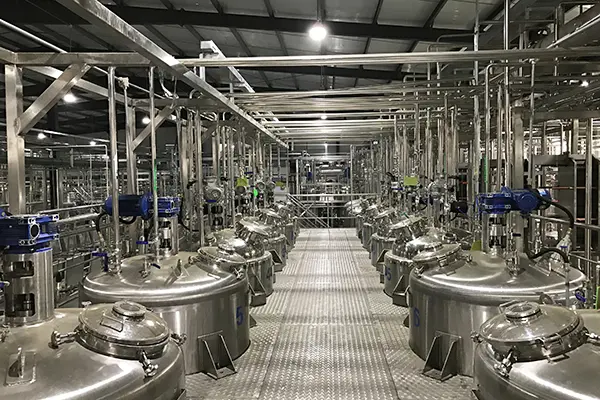
Includes three annular dynamic countercurrent lines (10T & 15T), two multi-functional lines (32 tanks, 6m³ each), and one round dynamic line (10T).

We own the only acetone process extraction line for Ginkgo Biloba Extract in China that meets the EU GMP standards.
Own six fermentation tanks (20 tons capacity for each) for the enzymatic modification of sweeteners and botanical actives.
How our central laboratory and advanced testing instruments guarantee absolute purity, compliance, and zero-defect quality across every batch.
At UniCare, quality control is not a post-production check; it is an integrated process spanning the entire manufacturing cycle. Our central laboratory operates with a strict quality control system in conformity with international standards. We perform signature component detection, trace pesticide residue quantification, organic solvent residual testing, and microbiological counts to ensure compliance with the European Pharmacopoeia (EP), United States Pharmacopeia (USP), and FDA regulations.
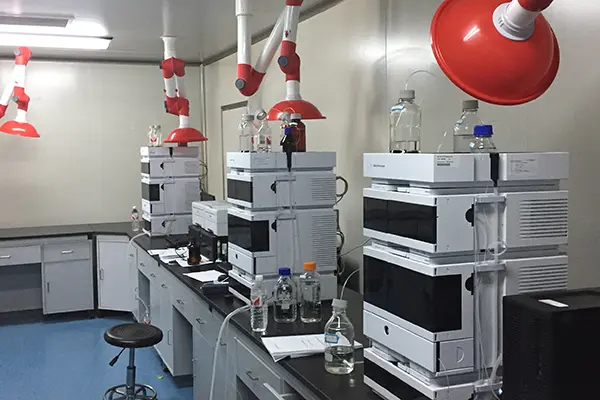
Our laboratory infrastructure is equipped with state-of-the-art diagnostic instruments, including two UHPLC Agilent 1290 ultra-high performance liquid chromatographs, four HPLC Agilent 1260 systems, two HPLC Shimadzu LC-20AT systems, two HPLC Dionex UltiMate 3000 systems, two Shimadzu evaporative light scattering detectors (ELSD 2000ES), one Shimadzu GC-2010 gas chromatograph, and one Shimadzu AA-7000 atomic absorption spectrophotometer.
| Quality Control Dimension | Testing Scope & Target Parameters |
|---|---|
| Active Ingredient Analysis | Quantitative assays, purity profiling, botanical species identification. |
| Hazardous Substance Analysis | Heavy metals (Pb, As, Hg, Cd, Cu) via ICP-MS, pesticide residues (organophosphates & organochlorines) via GC-MS-MS, organic solvent residues (hexane, ethanol, methanol, ethyl acetate). |
| Microbiological Analysis | Total Aerobic Microbial Count (TAMC), Yeast & Mould Count (TYMC), Escherichia coli, Salmonella, Staphylococcus aureus, and other pathogens. |
| Raw Material Control | Pesticide check at field level, allergen profiling, GMO screening (Non-GMO assurance), raw material geographic origin confirmation. |
| Laws & Regulations Confirmation | Continuous regulatory compliance analysis for China, USA (FDA GRAS), European Union (EFSA), and international food safety codes. |
| Stability Studies | Real-time and accelerated temperature/humidity testing to verify shelf-life parameters under various climates. |
| Physical/Chemical Characteristics | pH value, moisture content, ash residue, optical rotation, bulk density, particle size mesh distribution, solubility profiles. |
| Instrument Model & Type | Quantity | Primary Industrial Purpose |
|---|---|---|
| UHPLC Agilent 1290 (Ultra-High Performance Liquid Chromatography) | 2 Sets | Rapid fingerprinting & high-throughput purity profiling of Steviol Glycosides (Reb A, D, M, Stevioside). |
| HPLC Agilent 1260 (High-Performance Liquid Chromatography) | 4 Sets | Standard quantitative assays for active botanical markers. |
| HPLC Shimadzu LC-20AT | 2 Sets | Routine batch release assays and raw material verification testing. |
| ELSD Shimadzu 2000ES (Evaporative Light Scattering Detector) | 2 Sets | Quantifying non-chromophoric chemical constituents. |
| Shimadzu GC-2010 (Gas Chromatography) | 1 Set | Organic volatile impurity testing and solvent residual verification. |
| Shimadzu AA-7000 (Atomic Absorption Spectrophotometer) | 1 Set | Micro-quantification of elemental heavy metals in compliance with USP limits. |
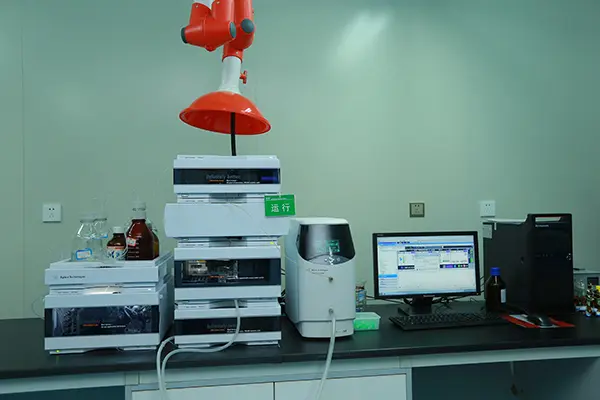
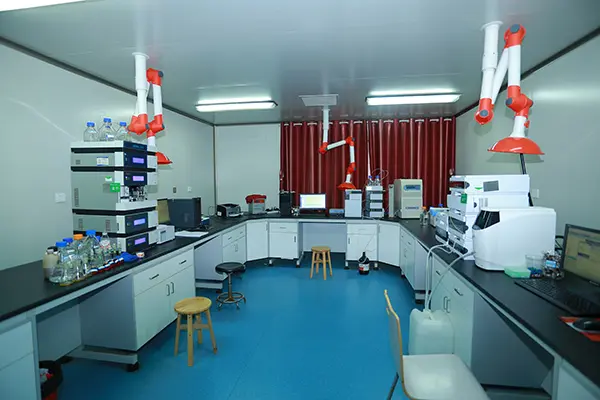
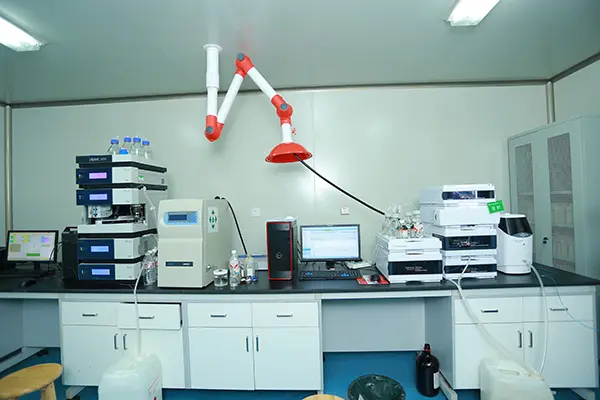
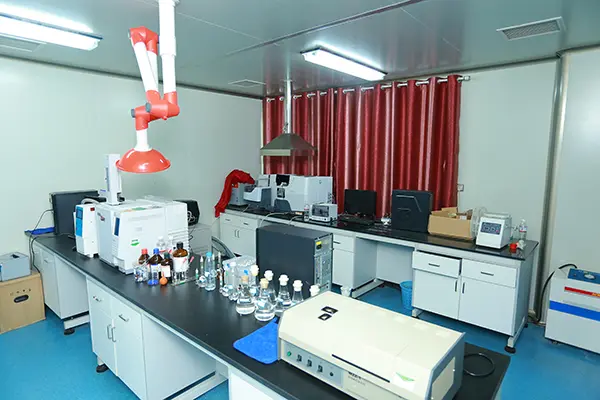
Controlling quality from seed selection to advanced enzymatic synthesis to ensure the lowest unit cost for our customers.

UniCare invests 10% of our annual net profit in research and development. In addition to optimizing and developing the existing natural plant extraction process, we have also established a professional R&D department for natural fermentation products. By increasing investment in natural fermentation products, we try to break through the traditional processes and disrupt industry development.
UniCare has deep cooperation with Beijing University of Chemical Technology in the field of fermentation, jointly developing and transforming the new raw materials of pharmaceutical, cosmetic, and natural health products into mass-produced products.
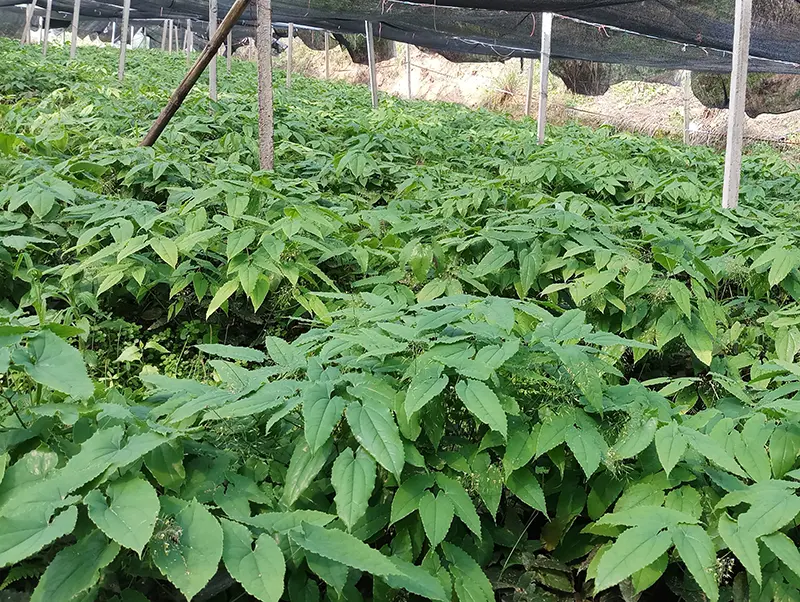
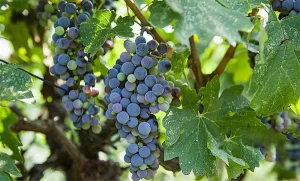
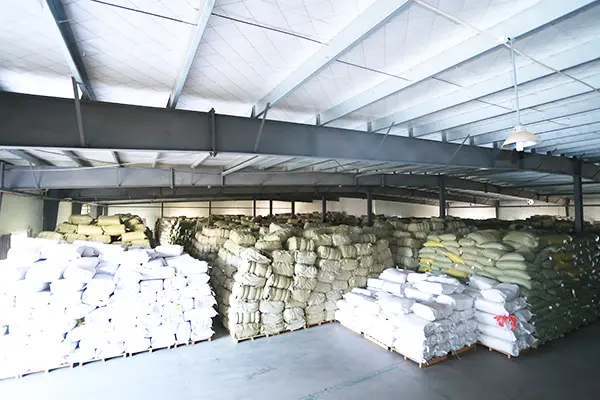
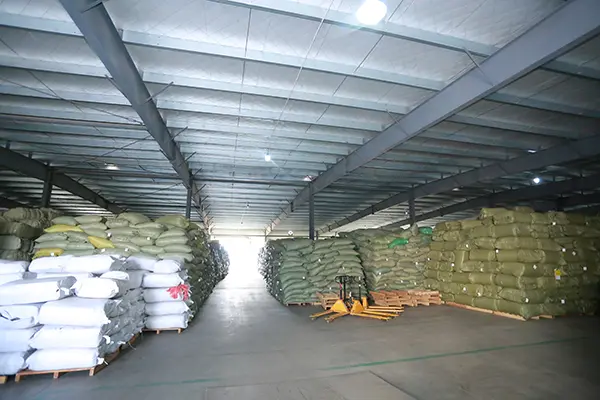
In order to control raw materials more efficiently and with higher quality, a raw material procurement system has been established, which extends procurement to every piece of planting land and can trace the raw materials of each batch of products. The storage of raw materials is operated according to the advanced quality management system process, and the content of active ingredients, moisture, ash, heavy metals, pesticide residues and other items of raw materials are strictly controlled.
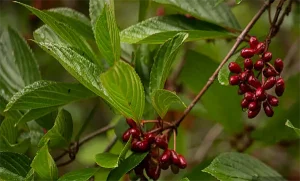
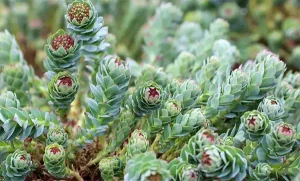
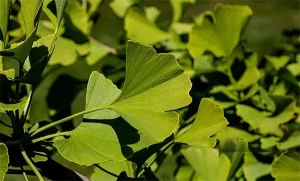
At the same time, in order to further ensure the high quality of important products, UniCare cooperated with planting farmers to establish ginkgo leaf planting bases, epimedium planting bases, phellodendron planting bases, olive leaf planting bases, etc. Some of these bases are planted strictly in accordance with the GACP management model. In addition, we cooperate with seedling research and development companies to develop high-content seedling cultivation, and cultivate better seedlings through hybridization or gene optimization, so as to continuously reduce unit costs to benefit users.
Understanding the molecular properties, organoleptic dynamics, and purification processes that differentiate low-grade stevia from premium organic extracts.
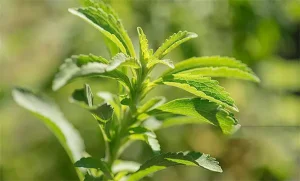
The stevia leaf contains several sweet compounds called steviol glycosides. The most prevalent are Stevioside, Rebaudioside A (Reb A), Rebaudioside D (Reb D), and Rebaudioside M (Reb M).
Our USDA and EU Organic Certified Stevia is processed using 100% clean water extraction, free from synthetic solvents, chemical bleaching agents, or genetic modifications. This clean-label compliance makes it ideal for baby foods, organic health supplements, and clean-label dietary foods.
Answering critical technical, quality control, and supply chain questions for food developers and ingredient sourcing managers.
Our cooperating factories hold comprehensive global food safety and quality management system certifications, including GMP, USDA Organic, EU Organic, FSSC 22000, ISO 9001, Kosher, and Halal. This guarantees complete audit compliance and traceability for international imports.
We utilize two main methodologies. First, we perform high-vacuum liquid chromatography to isolate and enrich Rebaudioside M and Rebaudioside D, which naturally possess a clean sugar-like sweetness profile. Second, we offer enzyme-modified stevia (Glucosyl Steviol Glycosides) which structurally covers the bitter taste receptors on the human tongue.
For our Certified Organic Stevia Extract, we use a 100% clean-label water extraction and physical filtration process. No synthetic organic solvents (such as hexane or methanol) are used during the purification stages, ensuring compliance with both NOP (USDA) and EU organic guidelines.
Yes, steviol glycosides are highly stable at temperatures up to 200°C (392°F). Unlike aspartame, which breaks down under heat, stevia remains perfectly stable, making it highly suitable for baked goods, ultra-high-temperature (UHT) milk pasteurization, and hot-fill beverage processing.
Each batch of stevia is tested using state-of-the-art ICP-MS for heavy metals (Pb, As, Hg, Cd) and GC-MS-MS for over 200 types of pesticides. We strictly follow EU Regulation 396/2005 and USP limits. We only source raw leaves from our monitored agricultural bases.
Stevia extract is highly stable. The official shelf life is 2 years from the date of manufacture when stored in its original sealed fiber drums. It should be kept in a cool, dry environment away from direct sunlight, moisture, and strong odors.
Our standard commercial MOQ starts at 100 kg. However, we provide pre-shipment sample packages (typically 20g–50g) free of charge to professional food developers for analytical verification and lab trials.
Yes, our R&D lab designs customized proprietary sweetness solutions. We frequently blend organic stevia with erythritol, xylitol, monk fruit (luo han guo), and allulose to match the specific physical weight, volume, and sweet taste profiles required by our B2B customers.