Standardized biological compounds harvested from sustainably managed domestic plantations and produced under absolute GMP compliance guidelines.
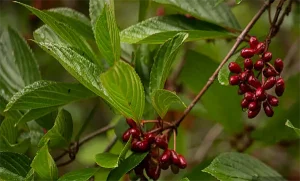
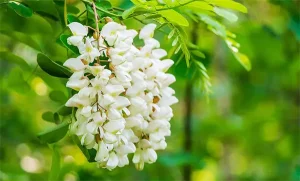
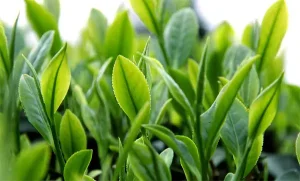
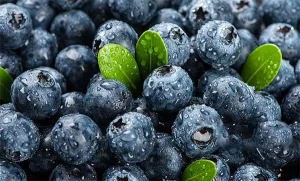
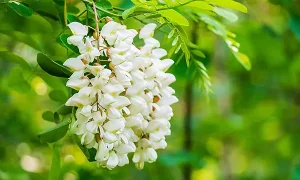
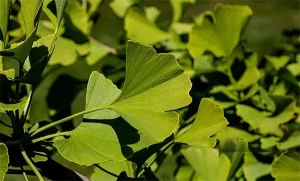
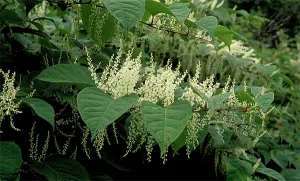
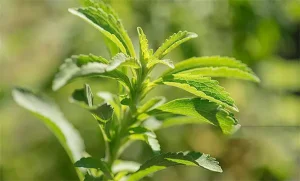
Analyzing the strategic macro-economic factors, agricultural resources, and technological infrastructure behind China's positioning as the global hub for premium botanical ingredients.
The global pharmaceutical, nutraceutical, cosmeceutical, and functional food sectors depend heavily on reliable supply chains for active natural ingredients. China stands as the undisputed anchor of this industry, supplying over 60% of the world's commercial botanical extracts. This dominance is not simply a matter of volume; it is the direct result of a highly integrated raw material ecosystem, massive industrial investments in intelligent manufacturing, and a dedicated research infrastructure that bridges the gap between ancient herbal knowledge and contemporary scientific validation.
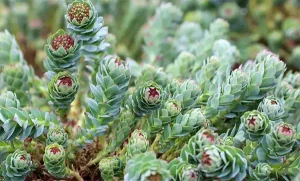
China is home to over 30,000 vascular plant species, offering an extraordinary natural catalog of bio-active compounds. Varying climatic zones—from the subtropical south where botanical species like green tea thrive, to the arid high-altitude north producing resilient adaptogens like Rhodiola Rosea—allow for the commercial-scale cultivation of diverse raw materials. This geographical advantage enables Chinese manufacturers to secure raw biomass directly at the source, significantly mitigating risks related to climate volatility, shipping delays, and cross-border customs regulations on raw agricultural products.
The transition from raw plant materials to refined active phytoconstituents (such as high-purity Berberine HCl, Resveratrol, or Quercetin) requires massive energy inputs, complex solvent management systems, and high-efficiency crystallization chambers. In China, industrial parks designed specifically for bio-extraction house state-of-the-art factories. This concentration of specialized equipment, coupled with regional engineering talent, creates a production efficiency curve that cannot be easily replicated elsewhere. B2B buyers benefit from the economies of scale that drive down unit costs while maintaining superior purity and batch uniformity.
Information Gain Insight: The stability of active ingredient content in standardized extracts depends on raw material base controls. Leading exporters like UniCare have shifted from basic procurement to structural cultivation contracts governed by GACP (Good Agricultural and Collection Practices) guidelines. This guarantees that parameters like pesticide residues and heavy metals are managed at the seedling and soil stage, rather than hoping to filter them out during final processing.
Your Trustworthy Partner in Premium Natural Active Ingredients
UniCare is a professional supplier of natural active ingredients. Our products are widely used in various fields such as dietary supplements, food, cosmetics, and pharmaceuticals. We focus on product development and quality stability, and insist on growing together with our customers around the world.
UniCare has deep cooperation with several excellent Chinese manufacturers who have complete quality management system certifications, including but not limited to GMP, EUGMP, CEP, ISO9001, ISO22000, and HACCP. Each factory has independent testing capabilities and is equipped with advanced and efficient testing equipment to ensure the high quality and long-term stability of each batch of products.

Guiding our extraction science and quality pledge towards global health optimization




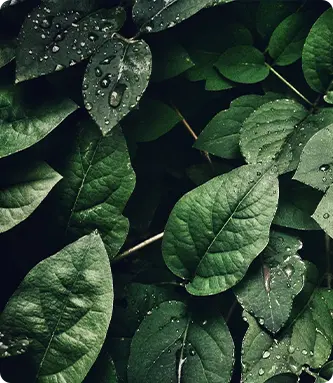
State-of-the-Art Intelligent Extraction Facility
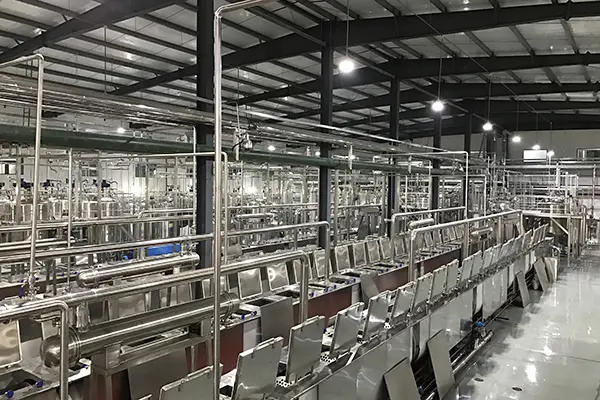
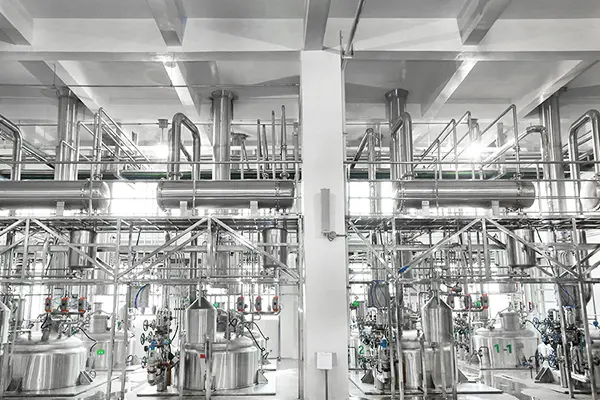
UniCare attaches great importance to the hardware conditions of production equipment and operates in partnership with one of the most advanced extraction factories in China. The entire production line is controlled by a modern, intelligent, automatic control system.
Until now, we have built up two GMP workshops, containing six multi-functional extraction lines, among which is the only production line for Ginkgo Biloba Extract of acetone process in the whole of China. Our dynamic production capacity supports fermentation processing lines and traditional Chinese medicine piece preparation, handling a total of 30,000 tons of various Chinese medicine and plant raw materials each year.

All operations comply with the highest regional and global pharmaceutical manufacturing guidelines.

Our Ginkgo Biloba Extract is certified to meet European Union Pharmacopoeia (EP) compliance standards.

All extraction production lines employ automated PLC process parameters control for absolute stability.

Utilizing high-pressure, low-temperature extraction technology protecting molecular integrity.

Large-scale capacity provides bulk pricing, robust stock retention, and logistics priority.

Includes three annular dynamic countercurrent extraction lines (10t & 15t) and two multi-functional lines.

The only operational line in China utilizing the advanced acetone-water process under EU GMP standards.
Equipped with six 20-ton fermentation tanks for biotransformation and enzyme-modified products.
A visual overview of our industrial footprint, featuring cleanroom manufacturing environments, processing columns, and extraction reactors.
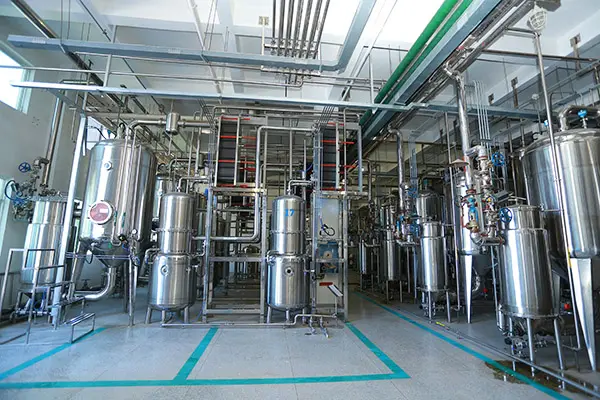
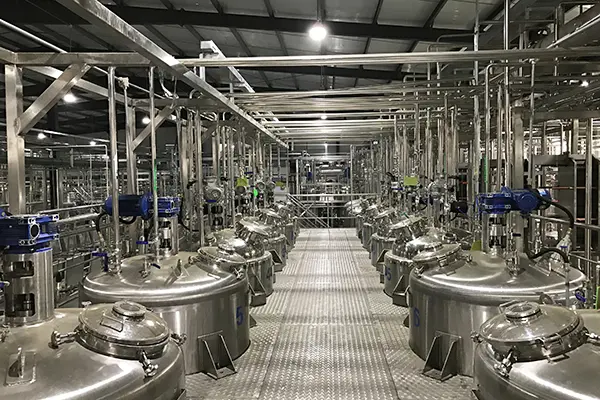
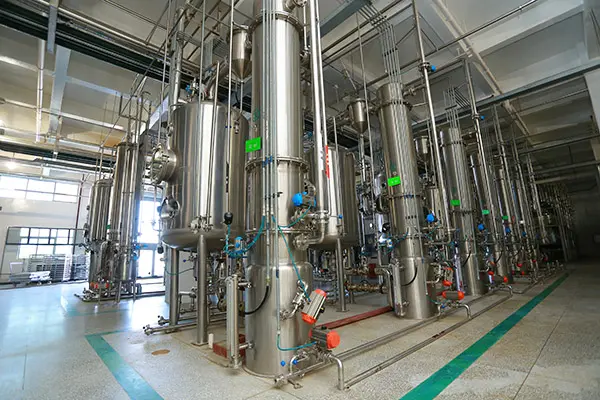
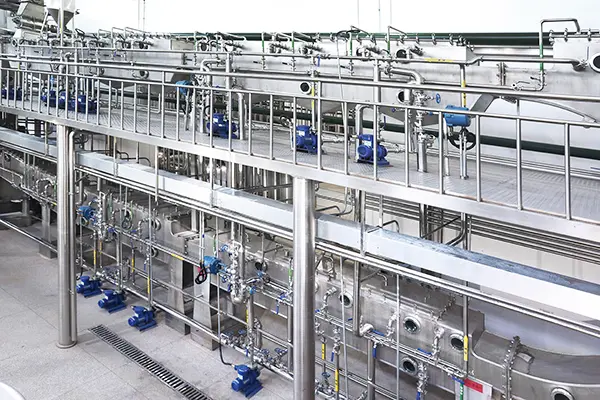
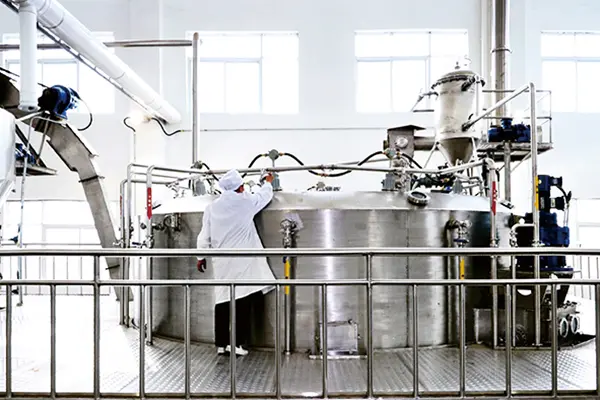
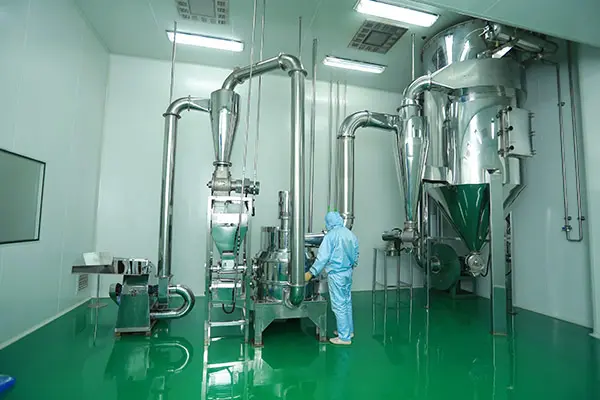
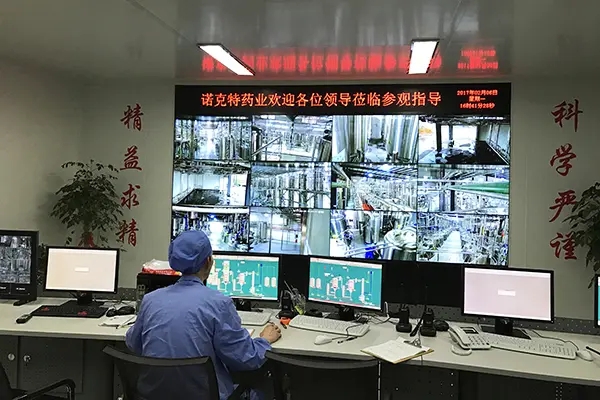
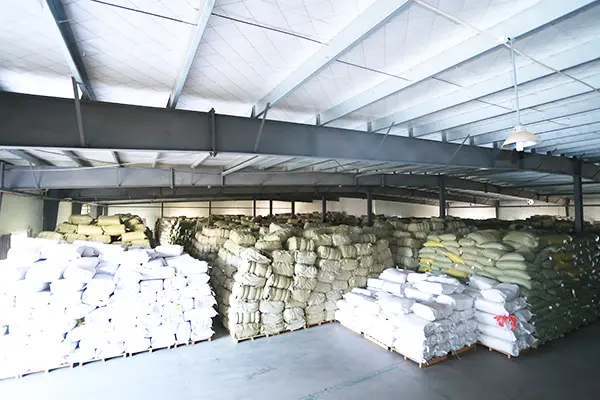
How our central CNAS lab monitors physical, chemical, and microbiological properties to deliver fully compliant plant extracts.
For global B2B procurement agencies, compliance documentation is the cornerstone of supplier selection. UniCare has established a comprehensive quality control framework that ensures compliance with major international pharmacopoeias, including USP, EP, and ChP. Our partners' manufacturing processes operate under a continuously audited ISO 9001, ISO 22000, and HACCP regime, leaving no room for raw material variability.
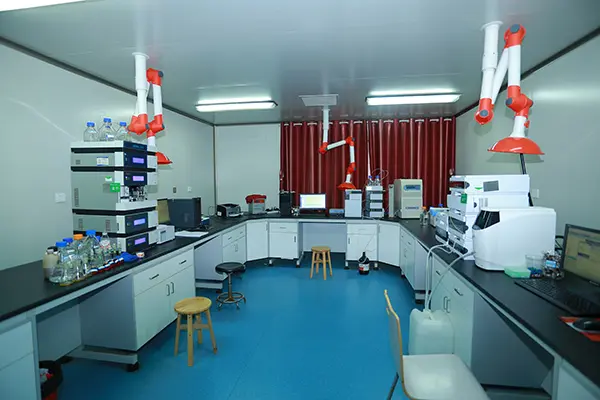
The Central Laboratory spans an extensive area and is fully qualified by the China National Accreditation Service (CNAS). It is designed to run full-spectrum testing on raw materials, in-process intermediates, and final packaged powders. These tests identify signature botanical components, limit contamination, and verify physical parameters like particle size distribution and bulk density.
| Analytical Category | Test Parameters Checked | Testing Methods & Instrumentation Used |
|---|---|---|
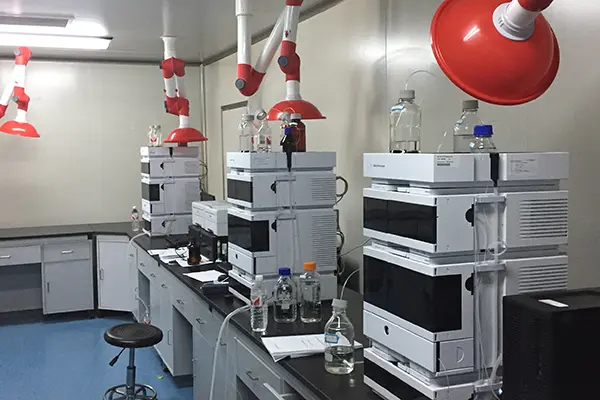
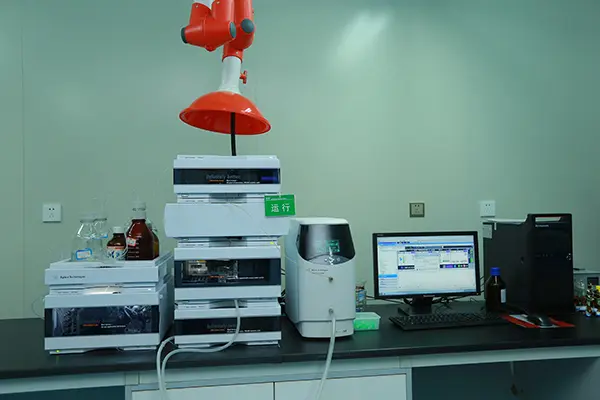
| Active Ingredient Assay | Quantitative percentage of active biomarkers (e.g., berberine, rutin, quercetin, resveratrol, ginsenosides) | UHPLC, HPLC (Agilent 1290/1260, Shimadzu LC-20AT, Dionex CU3000), UV-Vis Spectroscopy |
| Pesticide Residue Analysis | Screening for over 200 banned organochlorine and organophosphate pesticides | GC-MS-MS (Gas Chromatography-Tandem Mass Spectrometry) |
| Heavy Metal Limits | Total heavy metals, plus specific limits for Lead (Pb), Arsenic (As), Mercury (Hg), and Cadmium (Cd) | ICP-MS (Inductively Coupled Plasma Mass Spectrometry), Shimadzu AA-7000 Atomic Absorption |
| Solvent Residue | Assurance of minimal limits for processing solvents (hexane, ethanol, ethyl acetate, acetone) | Headspace Gas Chromatography (GC-FID) |
| Microbiological Evaluation | Total Aerobic Microbial Count (TAMC), Yeast & Mould, Escherichia coli, Salmonella, Staphylococcus aureus | Traditional plating, culture isolation, specific biochemical identification assays |
| Physical Characteristics | Moisture content, ash residue, bulk/tapped density, particle size (mesh), pH value, solubility | Loss on Drying balances, muffle furnaces, laser diffraction particle sizing, pH meters |
A lab is only as good as its scientific instrumentation. We maintain a fleet of world-class, calibrated testing machines to avoid third-party bottlenecks and secure real-time batch release data:
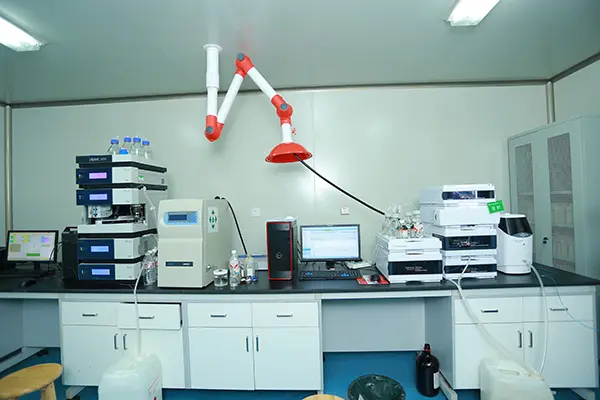
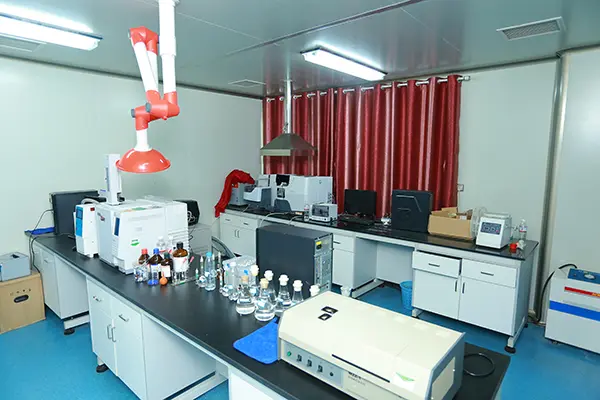

Innovation is key to maintaining market leadership. UniCare reinvests 10% of our annual net profit into research and development. Beyond perfecting traditional plant extraction methodologies, we have built a dedicated R&D wing focused on natural fermentation and enzyme-modified products. Our goal is to leverage biochemical transformations to optimize the bioavailability and water solubility of active plant ingredients.
Our long-term academic partnership with the Beijing University of Chemical Technology (BUCT) focuses on industrial fermentation pathways. Through this program, we develop novel botanical derivatives and transform lab-scale biological developments into large-scale production. This includes enzymatic modification to produce optimized forms of flavonoids and glycosides.
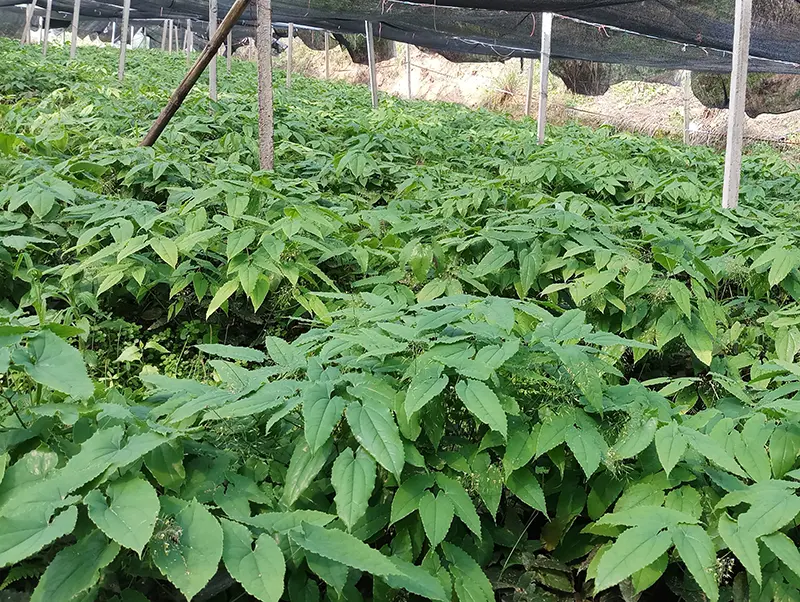
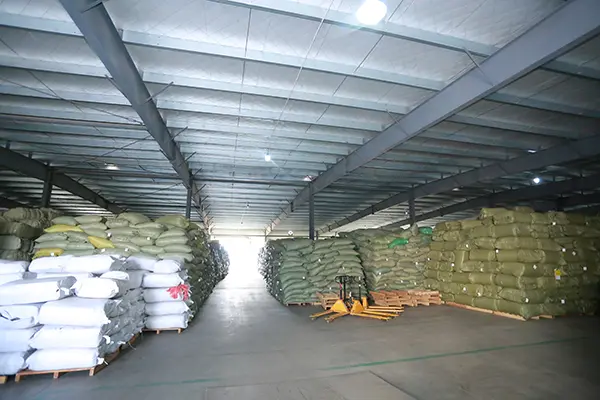
To control raw material quality at the source, we have developed a procurement and tracing system that extends directly to farming regions. Every batch of raw botanical biomass is tracked to its cultivation site, allowing us to review regional soil reports, pesticide application history, and harvesting timelines. Storage and shipping are managed under strict climate-controlled conditions to protect active molecules from heat, humidity, and microbial degradation.
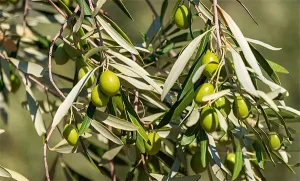
UniCare has partnered with local growers to establish dedicated cultivation bases for Ginkgo Biloba leaf, Epimedium, Phellodendron, and Olive Leaf. Several of these bases are managed in strict accordance with the GACP (Good Agricultural and Collection Practices) model. We also collaborate with agricultural science institutes to cultivate high-yield botanical strains, helping to lower production costs and pass savings on to our clients.
Evaluating changing regulatory landscapes, clean-label market requirements, and supply-chain localization support.
The botanical extract market is undergoing a significant transition. Global buyers are moving away from basic, unstandardized herbal powders in favor of highly purified, standardized active ingredients. Consumers now expect clean labels, GMO-free certifications, allergen control, and carbon-neutral production. Brands must demonstrate environmental responsibility and complete supply chain transparency.
In addition, regulatory bodies like the US FDA (under FSMA guidelines) and the European Food Safety Authority (EFSA) are tightening limits on contaminants. Contaminants such as pyrrolizidine alkaloids, ethylene oxide (EtO), polycyclic aromatic hydrocarbons (PAHs), and plasticizers are receiving increased scrutiny. Meeting these strict standards requires sophisticated instrumentation and clean extraction environments.
Information Gain Insight: Ethylene Oxide (EtO) sterilization remains a major issue for European imports. UniCare addresses this by utilizing advanced heat-sterilization and irradiation protocols, combined with cleanroom packaging, to ensure our extracts meet EU residue limits without relying on chemical fumigants.
Standardized plant extracts are utilized in a variety of industries, each with unique formulation requirements:
Shipping botanical products across borders involves complex regulatory compliance. UniCare provides support to streamline this process:
• Customs and Tariff Optimization: Proper HS code classification (e.g., 2939.99 for alkaloids, 1302.19 for general vegetable extracts) prevents administrative delays.
• Local Documentation Packages: Every shipment includes a Certificate of Analysis (COA), Allergen Statements, Non-GMO declarations, BSE/TSE statements, and ISO/GMP documentation.
• Phytosanitary Clearance: All products undergo comprehensive testing for heavy metals and pesticides to ensure seamless compliance with import regulations.
Answering common questions from B2B procurement managers, formulation chemists, and quality assurance directors.
Our manufacturing partners hold GMP, EUGMP, CEP (specifically for Ginkgo Biloba Extract), ISO 9001, ISO 22000, HACCP, Kosher, and Halal certifications. This ensures our manufacturing facilities meet global standards for dietary supplements, food, and pharmaceutical applications.
Every batch of raw material is checked before processing. We utilize GC-MS-MS to screen for over 200 pesticide residues and ICP-MS to confirm heavy metal limits (Lead < 3.0 ppm, Arsenic < 1.0 ppm, Cadmium < 1.0 ppm, Mercury < 0.1 ppm). Finished extracts are tested again before packaging, and third-party laboratory verification (such as SGS or Eurofins) can be provided upon request.
We operate China's only acetone-water extraction line for Ginkgo Biloba that complies with EU GMP and CEP standards. This dedicated facility allows us to keep toxic ginkgolic acids below 5ppm (and under 1ppm for premium grades) while maintaining a standardized profile of 24% ginkgo flavone glycosides and 6% terpene lactones, meeting the requirements of European and US pharmacopoeias.
Yes, we provide customization options to meet specific formulation requirements. We can adjust physical parameters such as bulk density, particle size (from 80 mesh to fine micronized powders), and flowability. We also offer roll compaction and wet granulation services for direct compression tableting.
Our partnership with BUCT focuses on industrial fermentation and biotransformation pathways. This collaboration helps us develop active ingredients with improved bioavailability and stability, offering our clients options that stand out in competitive markets.
For standard inventory items, we can ship within 5-7 business days from our warehouse. For custom processing, the typical production cycle is 3-4 weeks. We work with leading logistics networks to arrange air freight, sea freight, and express shipping, and we assist with import customs documentation to ensure smooth delivery.
Browse our catalog of natural active ingredients, manufactured under strict quality standards for global export.
Contact our technical sales team for comprehensive documentation packages, sample requests, or custom quote options.
Contact Our Ingredient Experts